- Company Articles
- Products and Technology
- Product knowledge
- Flat Adjustable Swivel Castor Wheels for Cold Storage Warehouses: Low-Temperature Performance

Flat Adjustable Swivel Castor Wheels for Cold Storage Warehouses: Low-Temperature Performance
Related Product
Flat Adjustable Swivel Castor Wheel
Swivel Chair Casters Ball Bearing Wheels Rubber Base with adjustable height function. Resistant to abrasion, impact and corrosion. Heavy payload can hold 80Kgs per pcs,which can make it works at a stable and smooth status.
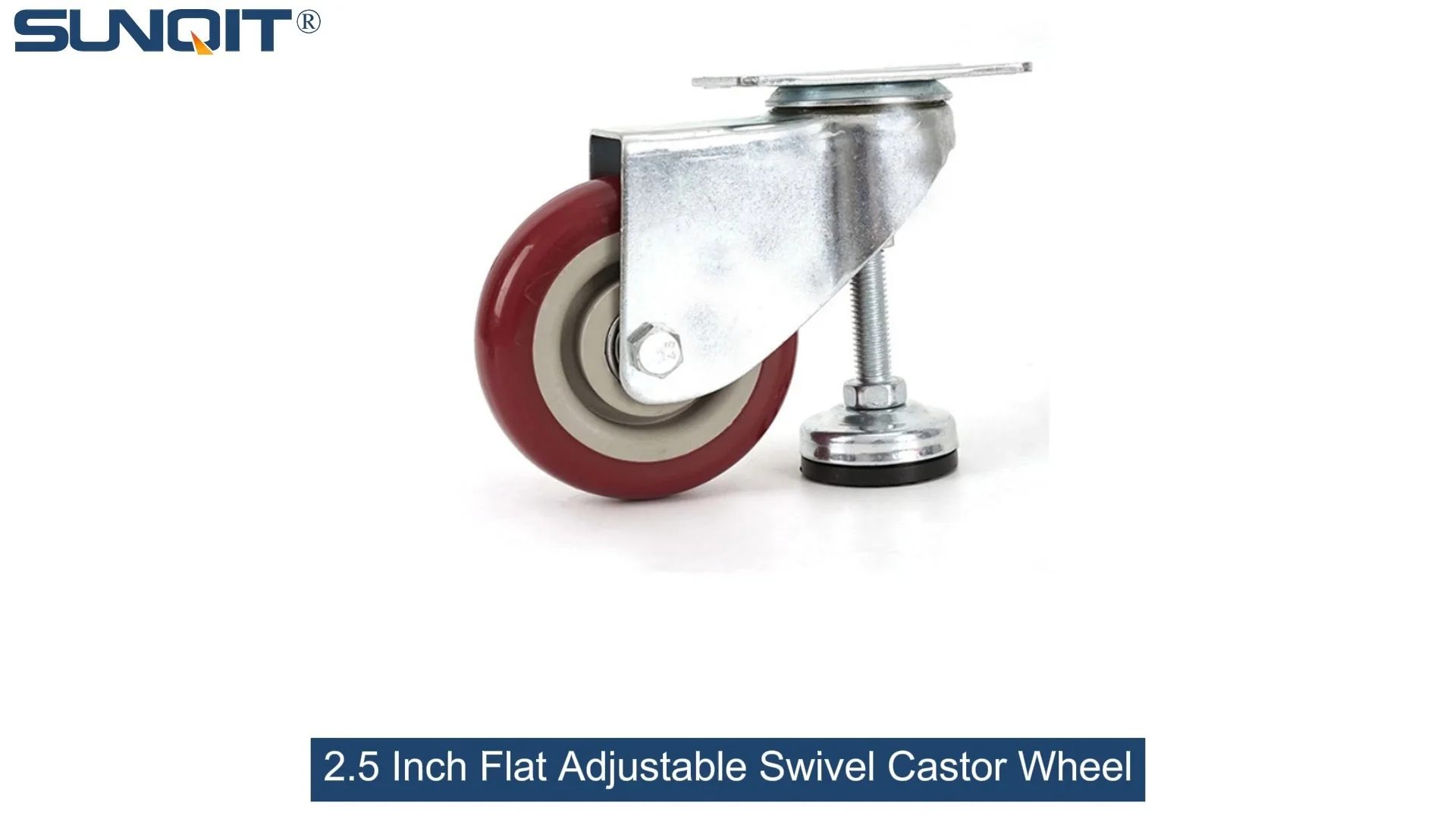
In the world of cold storage—where temperatures plummet to -30°C and precision is non-negotiable—every piece of equipment has a silent job to do. From massive refrigeration units to the smallest caster wheel, each component plays a role in keeping operations running smoothly. Yet, one of the most overlooked heroes in these frozen environments is the humble castor wheel. Trolleys loaded with perishable goods, mobile workbenches, and material racks rely on these wheels to move seamlessly, ensuring that products reach their destinations without delays or damage. But in extreme cold, not all caster wheels are created equal. Standard wheels crack, locks freeze, and mobility becomes a frustrating battle. This is where flat adjustable swivel castor wheels step in—engineered to thrive where others fail. Let's dive into why these specialized caster wheels are transforming cold storage operations, how they tackle low-temperature challenges, and why they've become a must-have for managers prioritizing efficiency and reliability.
The Hidden Struggles of Cold Storage: Why Standard Casters Fall Short
Cold storage warehouses are unforgiving environments. Beyond the obvious chill, they're riddled with challenges that test the limits of equipment. To understand why flat adjustable swivel castor wheels are critical, let's first unpack the hurdles they're designed to overcome:
Extreme Temperature Fluctuations
Temperatures in cold storage can swing from -25°C inside to 20°C outside when loading docks open. This rapid shift causes materials to expand and contract, weakening standard caster components over time. Plastic wheels, for example, become brittle in the cold and may crack when exposed to sudden warmth. Rubber wheels harden, losing their grip and making trolleys harder to maneuver.
Moisture and Condensation
When equipment moves between frozen interiors and warmer exteriors, condensation forms on metal parts. In sub-zero temps, this moisture freezes, jamming swivel mechanisms and locking brakes. Even indoors, humidity from product respiration (yes, vegetables and fruits "breathe"!) can lead to ice buildup on axles and joints, turning smooth-rolling wheels into stubborn obstacles.
Heavy Loads and Uneven Floors
Cold storage isn't just about moving small items. Trolleys often carry 500kg+ loads of frozen meats, pharmaceuticals, or dairy products. Standard casters with flimsy frames or low load capacities buckle under this pressure, leading to uneven wear or complete failure. To make matters worse, cold storage floors rarely stay perfectly level—frost heave and temperature-induced expansion create subtle bumps and dips. Casters that can't adjust to these irregularities cause trolleys to wobble, risking product damage or worker strain.
Chemical and Sanitation Demands
Cleanliness is non-negotiable in cold storage, especially for food and pharmaceutical applications. Harsh sanitizing agents (like chlorine-based cleaners) are used daily to prevent bacterial growth. Standard casters with porous materials or unprotected metal parts corrode quickly when exposed to these chemicals, shortening their lifespan and creating safety hazards.
Flat Adjustable Swivel Castor Wheels: Built for the Freeze
Enter flat adjustable swivel castor wheels—a design that addresses every cold storage pain point head-on. These wheels aren't just "better" than standard options; they're engineered with the unique demands of frozen environments in mind. Let's break down their key features and why they matter:
1. Low-Temperature Resistant Materials
The first line of defense against the cold is material science. Flat adjustable swivel castor wheels use specialized compounds that stay flexible even at -30°C. Polyurethane (PU) is a popular choice here: unlike rubber, which hardens in the cold, PU retains its elasticity, ensuring smooth rolling and shock absorption. Some models even use a blend of PU and nylon for added durability, resisting cracks and abrasion from rough warehouse floors. For metal components, stainless steel or zinc-plated steel is standard, preventing rust and corrosion from condensation and cleaning chemicals.
2. Adjustable Height for Uneven Floors
One of the standout features of these castor wheels is their adjustability. Unlike fixed-height casters, flat adjustable models let users tweak the wheel height by up to 10mm using a threaded stem or bolt. This is a game-changer for cold storage floors, where frost heave or uneven concrete can turn a smooth trolley ride into a bumpy mess. By adjusting individual wheels, operators ensure that loads stay level, reducing strain on the trolley frame and preventing product spillage. It's like having a built-in "shock absorber" for the floor's imperfections.
3. Sealed Swivel Mechanisms and Frost-Proof Locks
Nothing ruins mobility faster than a frozen swivel joint. Flat adjustable swivel castor wheels solve this with fully sealed ball bearings and swivel heads. These seals block moisture, ice, and debris from infiltrating the mechanism, ensuring that the wheel rotates freely even in sub-zero temps. Even the brake locks are designed for the cold: instead of plastic levers that snap, they use reinforced metal with low-temperature lubricants (synthetic greases that don't thicken or freeze). This means operators can lock and unlock wheels with minimal effort, even when wearing thick gloves.
4. Heavy-Duty Load Capacity
Cold storage trolleys don't mess around with light loads. A single flat adjustable swivel castor wheel can support up to 300kg, and when paired with others (most trolleys use 4-6 wheels), they easily handle 1,000kg+ payloads. This strength comes from robust steel frames and reinforced wheel hubs, which distribute weight evenly to prevent warping. For context: a standard swivel caster might max out at 150kg per wheel—half the capacity of these heavy-duty models.

How Do They Stack Up? A Caster Wheel Comparison
To truly appreciate the value of flat adjustable swivel castor wheels, let's compare them to other common caster types used in cold storage. The table below highlights key differences in performance, durability, and suitability for low-temperature environments:
| Caster Type | Optimal Temp Range | Max Load (Per Wheel) | Adjustability | Low-Temp Durability | Best For |
|---|---|---|---|---|---|
| Flat Adjustable Swivel | -30°C to 50°C | 300kg | Yes (up to 10mm height adjustment) | Excellent (sealed joints, PU wheels) | Heavy loads, uneven floors, frequent temperature swings |
| Standard Swivel Caster | 0°C to 40°C | 150kg | No | Poor (plastic parts crack, bearings freeze) | Warm warehouses, light loads, smooth floors |
| Rigid (Non-Swivel) Caster | -10°C to 40°C | 200kg | No | Fair (no swivel joint, but wheel materials still fail in extreme cold) | Straight-line movement, medium loads, minimal temperature variation |
| Locking Swivel Caster (Standard) | -5°C to 35°C | 180kg | No | Poor (locks freeze, plastic components brittle) | Indoor use, stable temperatures, light to medium loads |
*Data based on industry standards and manufacturer testing in controlled cold storage environments.

Beyond the Wheel: Caster Accessories That Boost Performance
A flat adjustable swivel castor wheel is only as strong as its supporting cast. To maximize their lifespan and functionality in cold storage, pairing them with the right caster accessories is key. Here are the most essential add-ons:
1. Low-Temperature Lubricants
Even with sealed joints, a little lubrication goes a long way. Standard petroleum-based greases thicken in cold temps, slowing down swivel movement. Instead, opt for synthetic lubricants (like PTFE-based greases) that remain fluid at -40°C. These lubricants reduce friction in the swivel head and axle, ensuring smooth rotation even after weeks of use in frozen conditions.
2. Reinforced Brake Pads
Brake locks are critical for keeping trolleys stationary during loading/unloading. In cold storage, standard brake pads (often made of rubber) harden and lose grip. Upgraded brake pads made of reinforced rubber or metal composites maintain their friction in low temps, preventing accidental trolley movement. Some models even include a "double-lock" feature, securing both the wheel and swivel joint for extra stability.
3. Axle Caps and Dust Covers
Moisture and ice are the enemies of moving parts. Axle caps and dust covers (often made of stainless steel or high-density plastic) seal the wheel hub, blocking ice, snow, and debris from entering. This simple accessory extends the life of the wheel bearings by up to 50% in cold storage environments.
4. Adjustable Leveling Feet (For Trolley Stability)
While the castor wheels themselves are adjustable, pairing them with adjustable leveling feet on the trolley frame adds an extra layer of stability. These feet—typically made of rubber or metal with a threaded stem—can be extended to support the trolley when parked, reducing strain on the caster wheels and preventing "rocking" on uneven floors. They're especially useful for workbenches or static racks that need to stay perfectly level for precise tasks.

Installing Flat Adjustable Swivel Castor Wheels: Tips for Cold Storage Success
Even the best caster wheels underperform if installed incorrectly—especially in cold storage. Here's a step-by-step guide to ensuring a smooth setup:
1. Prep the Trolley or Rack
Start by cleaning the mounting surface of your trolley or rack. Cold storage environments often have a thin layer of ice or frost, which can prevent the caster's base plate from seating properly. Use a dry cloth or compressed air to remove debris, and check for rust or damage on the mounting holes. If holes are stripped or bent, repair them with metal inserts before proceeding—loose casters are a safety hazard.
2. Choose the Right Mounting Hardware
Standard bolts may corrode in cold, moist environments. Instead, use stainless steel bolts and washers rated for low temperatures. For trolleys with wooden or plastic frames, add metal reinforcement plates under the mounting area to distribute weight and prevent cracking. Torque the bolts to the manufacturer's specifications—over-tightening can warp the caster's base plate, while under-tightening leads to wobbling.
3. Adjust Height Before Use
Once the wheels are mounted, adjust their height to match the floor's condition. Use a level tool to ensure the trolley sits evenly—this prevents uneven weight distribution and reduces strain on individual wheels. In cold storage, it's better to set the wheels slightly higher than needed; frost heave can raise the floor over time, and you can always lower them later.
4. Test in Real Conditions
Don't wait until a busy shift to test your new casters. Take the trolley for a spin in the coldest part of the warehouse, loaded to its maximum capacity. Check for smooth swiveling, easy braking, and no unusual noises (squeaking or grinding could mean misalignment). If a wheel feels stiff, apply a small amount of low-temperature lubricant to the swivel joint—this should resolve the issue.
Maintaining Flat Adjustable Swivel Castor Wheels: Longevity in the Cold
With proper care, flat adjustable swivel castor wheels can last 3-5 years in cold storage—double the lifespan of standard casters. Here's how to keep them performing at their best:
1. Regular Inspections
Schedule weekly checks (more often during peak seasons) to look for cracks in the wheel tread, rust on metal parts, or ice buildup in the swivel joint. Pay extra attention to the brake locks—ensure they engage and disengage smoothly. If you notice a wheel wobbling or a lock sticking, address it immediately; small issues become big problems fast in cold storage.
2. Lubricate Quarterly
Even with sealed joints, lubrication is key. Every 3 months, apply a synthetic, low-temperature grease to the swivel head and axle. Avoid over-lubricating—excess grease attracts dust and ice, which can gum up the mechanism. A small brush can help work the lubricant into tight spaces.
3. Clean After Chemical Exposure
After using sanitizing chemicals, wipe down the casters with a damp cloth to remove residue. Harsh cleaners can corrode metal over time, so a quick rinse (followed by drying to prevent ice) goes a long way. For stubborn grime, use a mild soap solution—avoid abrasive brushes that scratch the wheel's surface.
4. replace Worn Parts Proactively
Don't wait for a wheel to fail before replacing it. If the tread is worn down to 2mm, or if the swivel joint feels stiff even after lubrication, swap in a new wheel. Most manufacturers offer replacement parts (like bearings or brake pads) individually, so you don't have to buy an entire caster. This saves money and reduces downtime.
Real-World Results: How One Cold Storage Facility Cut Downtime by 40%
To put these benefits into perspective, let's look at a case study from a mid-sized food distribution center in Canada. Prior to switching to flat adjustable swivel castor wheels, the facility struggled with frequent caster failures. Their old standard swivel wheels cracked every 2-3 months, leading to:
- Weekly trolley breakdowns, causing shipment delays
- Increased labor costs (workers spent 2+ hours daily fixing or replacing wheels)
- Product damage (rough rides led to 5% of frozen goods being rejected by customers)
After installing 50 sets of flat adjustable swivel castor wheels (paired with low-temperature lubricants and axle caps), the results were striking:
- Downtime dropped by 40%—trolleys now break down once every 6+ months
- Labor costs related to caster maintenance fell by $12,000 annually
- Product damage decreased to less than 1%, saving $30,000+ in lost inventory
The facility manager summed it up: "We used to see caster wheels as a 'cheap part' to replace when they broke. Now, we see them as an investment. The flat adjustable swivel wheels paid for themselves in under 3 months."
Why Flat Adjustable Swivel Castor Wheels Are the Future of Cold Storage
In cold storage, where every second and every dollar counts, the right equipment isn't a luxury—it's a necessity. Flat adjustable swivel castor wheels may seem like a small upgrade, but their impact is huge. By combining low-temperature resilience, adjustability, and heavy-duty strength, they solve the unique challenges of frozen environments, from uneven floors to frost-cracked plastic. Paired with the right caster accessories—like sealed bearings and synthetic lubricants—they become a long-term solution that reduces downtime, cuts costs, and keeps operations moving. For cold storage managers tired of replacing broken wheels and fixing avoidable delays, the choice is clear: it's time to upgrade to flat adjustable swivel castor wheels. After all, in a world where the cold never stops, neither should your equipment.