- Company Articles
- Products and Technology
- Installation And Maintenance
- Flat Adjustable Swivel Castor Wheels: Maintenance Tips for Longevity

Flat Adjustable Swivel Castor Wheels: Maintenance Tips for Longevity
Related Product
Flat Adjustable Swivel Castor Wheel
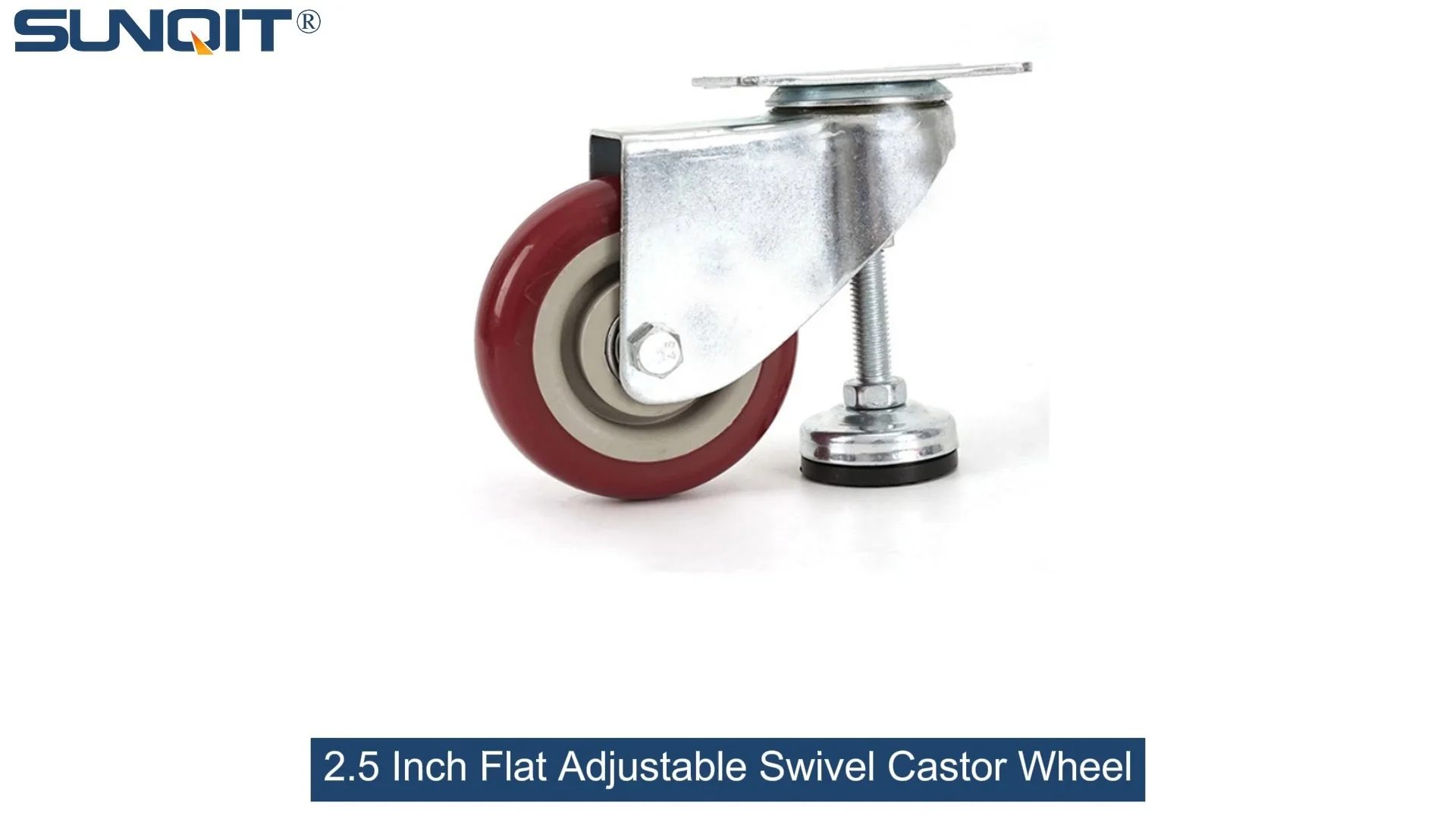
Swivel Chair Casters Ball Bearing Wheels Rubber Base with adjustable height function. Resistant to abrasion, impact and corrosion. Heavy payload can hold 80Kgs per pcs,which can make it works at a stable and smooth status.
In the rhythm of a busy workshop, factory, or warehouse, the smooth movement of equipment often goes unnoticed—until it stops. At the heart of that movement lie flat adjustable swivel castor wheels, the unsung workhorses that keep workbenches, trolleys, and material racks gliding effortlessly. But like any hardworking component, these castors need care to stay reliable. In this guide, we'll walk through practical, hands-on maintenance tips to extend their life, reduce downtime, and keep your operations running like clockwork.
Understanding Your Flat Adjustable Swivel Castor Wheels
Before diving into maintenance, let's get familiar with what makes these castors tick. A typical flat adjustable swivel castor wheel combines four key parts: the wheel itself (often made of rubber, polyurethane, or nylon), a swivel head that allows 360-degree rotation, a brake mechanism (manual or foot-operated), and an adjustable mounting plate that lets you tweak height or stability—hence the "adjustable" in the name. Unlike fixed castors, the swivel design offers maneuverability, while the flat base ensures stability when locked. Whether they're supporting a heavy-duty workbench or a lightweight turnover trolley, their job is to balance mobility with durability.
One common misconception is that castors are "set it and forget it" components. But anyone who's pushed a wobbly trolley or struggled with a seized swivel head knows better. Dirt, debris, and regular wear can take a toll, turning smooth rolls into frustrating jolts. The good news? With a little regular care, you can prevent most issues and extend their lifespan by years.
Essential Maintenance Tips: A Step-by-Step Guide
Maintenance doesn't have to be complicated. Think of it like caring for a car—small, consistent efforts beat costly repairs later. Here's how to keep your flat adjustable swivel castor wheels in top shape:
1. Keep Them Clean: The First Line of Defense
Dirt, dust, and grime are the biggest enemies of moving parts. When debris gets trapped in the swivel head or around the wheel axle, it can cause friction, rust, or even block rotation. Set a weekly cleaning routine—yes, weekly. It takes just 5 minutes per castor, and the payoff is huge.
Start by wiping the wheel surface with a dry cloth to remove loose dirt. For caked-on grime (like oil or grease spills), use a mild soap and water solution—avoid harsh chemicals that can degrade the wheel material. A soft-bristle brush works wonders for crevices in the swivel joint or around the brake. After cleaning, dry thoroughly with a towel to prevent moisture buildup, which leads to rust.
Pro tip: If your workspace is particularly dusty (like a woodshop) or oily (like a mechanic's garage), consider adding a monthly deep clean. Use compressed air to blow out debris from the swivel bearings—just be sure to wear safety glasses to protect your eyes from flying particles.
2. Lubrication: Keep the Swivel Smooth
Ever heard a castor squeak when it turns? That's a cry for lubrication. The swivel head and wheel axle rely on smooth movement, and without proper lubrication, metal parts grind against each other, wearing down prematurely. Aim to lubricate your castors every 2–3 months, or more often if they're used heavily (e.g., on a workbench that's moved dozens of times a day).
Choose the right lubricant: For swivel heads and axles, a lithium-based grease or silicone spray works best. Avoid WD-40 as a long-term solution—it's a solvent, not a lubricant, and can dry out over time. Apply a small amount directly to the swivel joint (look for the gap between the castor body and the mounting plate) and the wheel axle. Spin the wheel and swivel the head a few times to distribute the lubricant evenly. Wipe away excess to prevent attracting more dirt.
Warning: If your castors are used in a food-processing environment, use food-grade lubricants to comply with safety standards. Regular grease can contaminate products!
3. Inspect for Wear and Tear (And Fix It Early)
Even with cleaning and lubrication, parts wear out. A monthly inspection can catch small issues before they become big problems. Grab a flashlight and check these key areas:
- Wheel Condition: Look for cracks, flat spots, or uneven tread wear. Rubber wheels can harden over time (especially in cold environments), while polyurethane wheels might show signs of chunking if overloaded.
- Swivel Head: Try turning the castor by hand. It should move freely without sticking or "notching." If it's stiff, check for debris or rust—clean and lubricate first, but if that doesn't help, the bearings might need replacement.
- Brake Function: Test the brake (if equipped) by pressing it down and trying to roll the wheel. It should lock firmly. If it slips, adjust the brake pad tension or replace worn pads—these are often simple caster accessories you can swap out without replacing the entire castor.
- Mounting Plate and Bolts: Tighten any loose bolts on the mounting plate. A wobbly castor isn't just annoying—it can stress the plate and lead to cracks. If bolts are stripped or corroded, replace them immediately with the same size and grade (usually 1/4-inch or 5/16-inch bolts).
| Component | What to Look For | Action If Needed |
|---|---|---|
| Wheel Tread | Cracks, flat spots, or uneven wear | replace wheel (use matching size and material) |
| Swivel Bearings | Stiff rotation or grinding noise | Clean, lubricate, or replace bearings |
| Brake Pad | Thin, cracked, or glazed surface | Adjust tension or replace brake pad (check caster accessories catalogs for replacements) |
| Mounting Bolts | Loose, stripped, or rusted bolts | Tighten or replace with same-grade bolts |
4. Adjust for Stability: The "Adjustable" Advantage
Remember that "adjustable" feature we mentioned earlier? Many flat swivel castors let you tweak the height or level of the mounting plate to ensure stability, especially when paired with adjustable leveling feet on equipment like workbenches. Over time, bolts can loosen, or the mounting plate might shift, causing the castor to sit unevenly. This not only makes the equipment wobbly but also puts extra stress on the castor wheel, leading to uneven wear.
To adjust, first unlock the brake (if engaged) and check if the equipment rocks when pushed gently. If it does, locate the adjustment mechanism on the castor—this is usually a threaded stem or a set screw on the mounting plate. Use a wrench to turn the stem clockwise to raise the castor or counterclockwise to lower it, until the equipment sits level. Tighten any lock nuts to secure the adjustment. For workbenches with multiple castors, adjust each one slightly until the entire surface feels stable.
5. Protect Against the Elements
Castors don't like extreme conditions. Moisture causes rust, extreme heat can soften wheel materials (like rubber), and cold can make them brittle. If your castors are used outdoors or in damp areas (e.g., a warehouse with leaky roofs), take extra steps to protect them:
- Galvanized or Stainless Steel Parts: If rust is a concern, opt for castors with galvanized or stainless steel frames. These resist corrosion better than plain steel.
- Cover When Not in Use: For outdoor equipment, use a tarp to shield castors from rain and snow.
- Regular Rust Checks: Even with protective coatings, check for rust spots. Sand them off with fine-grit sandpaper and apply a rust-inhibiting spray or paint.

Troubleshooting Common Castor Problems
Even with maintenance, issues can pop up. Here's how to diagnose and fix the most common problems:
Problem 1: Castor Won't Swivel
Possible causes: Debris stuck in the swivel head, rust, or worn bearings. Start by cleaning the swivel joint with a brush and compressed air. If that doesn't work, lubricate heavily and work the swivel back and forth. If it's still stiff, the bearings may be damaged. Most castors allow bearing replacement—check your supplier for replacement parts (often sold as caster accessories). If the castor is old or heavily rusted, it might be cheaper to replace the entire unit.
Problem 2: Wheel Wobbles or Rolls Unevenly
This is often due to a bent axle, uneven wheel wear, or loose mounting bolts. Tighten the mounting bolts first—this is the easiest fix. If the wheel still wobbles, remove it and check the axle for bends. A bent axle needs replacement. If the wheel has a flat spot, it's time for a new wheel (match the size and material to the existing ones to avoid uneven rolling).
Problem 3: Brake Doesn't Hold
Brake pads wear down over time, or the brake mechanism can get misaligned. Inspect the brake pad—if it's thin or cracked, replace it (brake pads are affordable caster accessories). If the pad is in good shape, adjust the tension: most brakes have a screw that lets you move the pad closer to the wheel. Tighten the screw until the brake holds firmly, then test it a few times.

Beyond Maintenance: Smart Practices to Extend Lifespan
Maintenance is key, but how you use and install your castors matters too. Here are a few habits to keep them rolling longer:
1. Don't Overload Them
Every castor has a weight capacity (listed by the manufacturer). Exceeding it is a surefire way to damage wheels, axles, or swivel heads. If you're using a workbench with four castors, divide the total weight of the bench and its contents by four to ensure each castor is within its limit. When in doubt, go for a higher capacity than you think you need—better safe than sorry.
2. Install Them Properly
A shoddy installation can ruin even the best castors. Use the right mounting hardware (bolts, washers) and tighten them to the manufacturer's torque specs—too loose, and they'll wobble; too tight, and you could crack the mounting plate. For uneven floors, pair adjustable castors with adjustable leveling feet to distribute weight evenly across all castors.
3. Train Your Team
Even the best maintenance routine fails if your team isn't on board. Teach everyone to: avoid dragging equipment (lift slightly when moving to reduce wheel friction), engage the brake when the equipment is stationary (prevents unnecessary swiveling), and report issues like squeaks or wobbles immediately. A quick "Hey, this castor is sticking" can prevent a breakdown later.

Conclusion: Invest a Little Time, Save a Lot of Hassle
Flat adjustable swivel castor wheels might seem like small parts, but their impact on your daily operations is huge. By following these maintenance tips—cleaning regularly, lubricating, inspecting for wear, and troubleshooting early—you can extend their lifespan by 2–3 years or more. And when it's time to replace parts, remember that quality caster accessories (like wheels, bearings, or brake pads) are often cheaper than buying new castors. With a little care, your castors will keep rolling smoothly, keeping your workflow uninterrupted and your team productive.
So grab a cloth, some grease, and a wrench—and give your castors the attention they deserve. Your future self (and your bottom line) will thank you.