- Company Articles
- Products and Technology
- Product knowledge
- Flat Adjustable Swivel Castor Wheels: Temperature Resistance for Industrial Use

Flat Adjustable Swivel Castor Wheels: Temperature Resistance for Industrial Use
Related Product
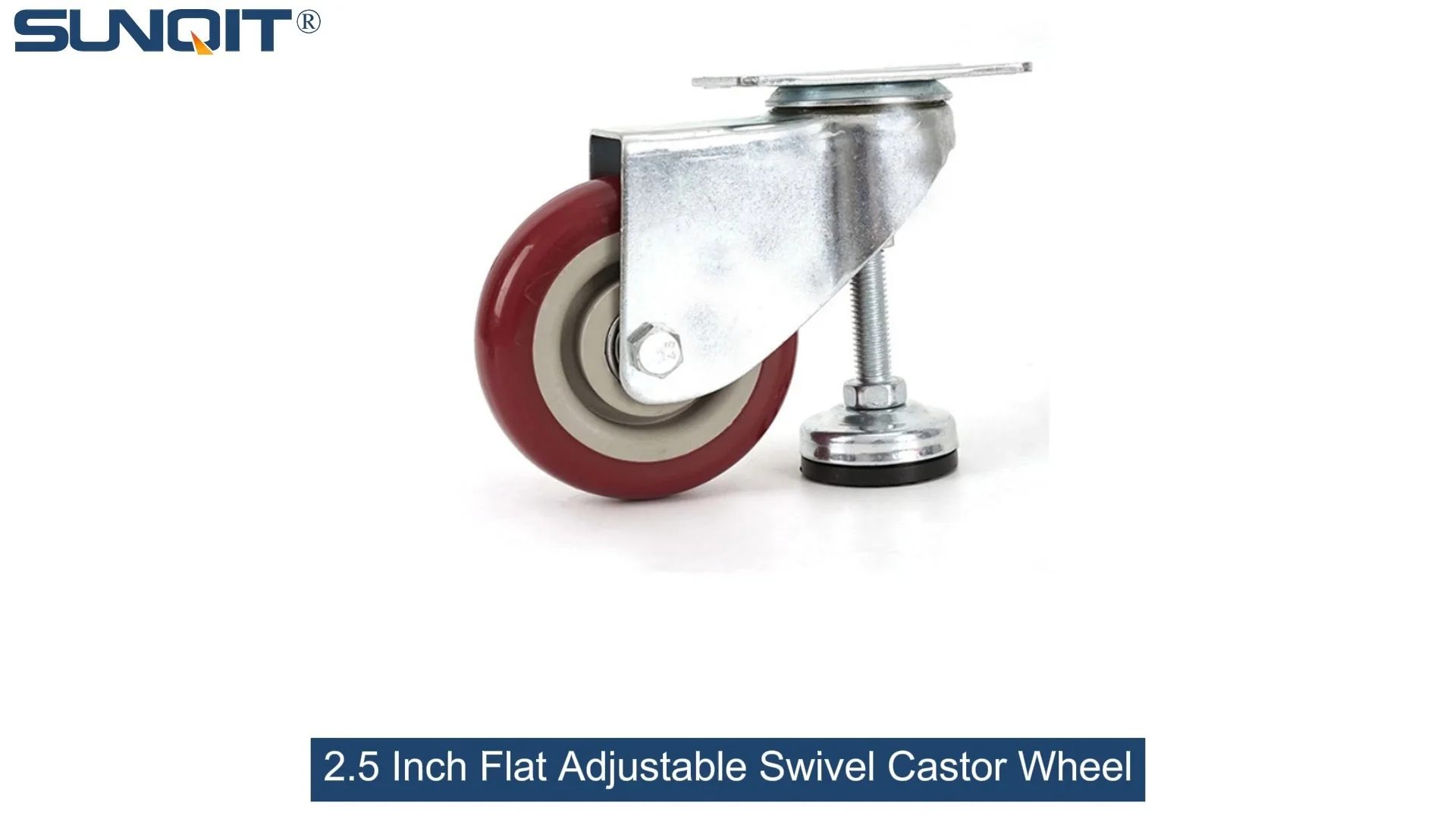
Flat Adjustable Swivel Castor Wheel
Swivel Chair Casters Ball Bearing Wheels Rubber Base with adjustable height function. Resistant to abrasion, impact and corrosion. Heavy payload can hold 80Kgs per pcs,which can make it works at a stable and smooth status.
Walk into any busy factory, warehouse, or manufacturing plant, and you'll notice a silent workhorse keeping operations moving: the caster wheel. From heavy machinery to mobile workbenches, these small but mighty components are the unsung heroes of industrial mobility. But not all caster wheels are created equal—especially when the environment throws extreme temperatures into the mix. Imagine a foundry floor where temperatures soar above 100°F, or a cold storage facility where freezers dip to -20°F. In these places, a standard caster wheel might crack, melt, or seize up, bringing workflows to a grinding halt. That's where flat adjustable swivel castor wheels step in, designed to thrive where others fail. In this article, we'll dive deep into what makes these castors indispensable for temperature-challenged industrial settings, how they're built to resist heat and cold, and why they're a game-changer for everything from workbenches to turnover trolley and rack systems.
What Are Flat Adjustable Swivel Castor Wheels, Anyway?
Let's start with the basics. A flat adjustable swivel castor wheel is more than just a wheel on a plate—it's a precision-engineered mobility solution. The "flat" part refers to the mounting plate, a sturdy, flat metal base that attaches securely to equipment like workbenches or trolleys. Unlike recessed or angled mounts, this flat design distributes weight evenly, reducing stress on both the castor and the equipment it's attached to. Then there's the "adjustable" feature: a built-in mechanism (often a threaded stem or bolt) lets you tweak the height of the wheel, ensuring the equipment stays level even on uneven floors. This is a lifesaver in old factories with warped concrete or warehouses with slightly sloped surfaces.
But the real star here is the "swivel" function. A good swivel castor can rotate 360 degrees, allowing the equipment to turn on a dime. This maneuverability is crucial in tight spaces—think navigating a turnover trolley and rack through a crowded assembly line or repositioning a workbench to access a new station without having to lift or drag it. Inside the swivel head, precision bearings reduce friction, ensuring smooth rotation even when the castor is under heavy loads. And let's not forget the wheel itself: made from specialized materials (more on that later) to handle temperature extremes, it's the part that takes the brunt of the environment, from hot concrete to icy floors.
These castors often come with caster accessories that boost their functionality. Brakes, for example, let you lock the wheel in place to prevent accidental movement—essential when a workbench needs to stay steady during delicate assembly work. Dust covers shield the swivel bearings from debris, while grease fittings make maintenance easier. Even small details, like the type of tread on the wheel, matter: a grooved tread might provide better grip on wet or oily floors, while a smooth tread could roll more easily on polished concrete.
Why Temperature Resistance Matters in Industrial Environments
Industrial settings are tough on equipment, but temperature extremes are among the most unforgiving challenges. Let's break down why a standard caster wheel might fail here—and why a temperature-resistant flat adjustable swivel castor wheel is non-negotiable.
High-Temperature Hazards: When Heat Breaks Down Materials
In environments like foundries, steel mills, or plastic molding facilities, ambient temperatures can climb well above 100°F, with equipment surfaces reaching even higher. Standard rubber caster wheels, for example, start to soften at around 150°F. At first, they might lose their shape, developing flat spots from prolonged contact with hot floors. Over time, the rubber can harden, crack, or even melt, leaving behind a sticky residue that gums up the swivel mechanism. Plastic wheels fare little better—many common plastics like polypropylene start to deform at 180°F, making them useless for high-heat applications.
The consequences? A workbench that once glided smoothly now drags, slowing down workers and increasing fatigue. A turnover trolley and rack loaded with heavy parts might suddenly jam, risking injury if the load shifts. Even the swivel bearings can suffer: heat can cause lubricants to break down, leading to rust and seized joints. In the worst cases, a failed castor could cause equipment to tip, endangering both workers and products.
Cold-Temperature Troubles: When Materials Freeze Up
On the flip side, cold storage warehouses, pharmaceutical labs, and food processing facilities often operate at sub-zero temperatures. Here, standard rubber becomes rigid and brittle, losing its ability to absorb shocks or grip the floor. A rubber wheel in a -20°F freezer might crack when rolled over a small bump, or its tread could peel away from the core. Plastic wheels aren't immune either—some plastics become glass-like in extreme cold, shattering under impact.
Frozen bearings are another issue. Moisture can seep into the swivel head, freeze, and lock the castor in place. Trying to force a frozen swivel can bend the mounting plate or strip the bearings, rendering the castor useless. Even something as simple as ice buildup on the wheel can throw off the equipment's balance, making a turnover trolley and rack unstable during transport.
Fluctuating Temperatures: The Worst of Both Worlds
Some environments don't stick to one extreme—they bounce between hot and cold. Think of a warehouse that stores both frozen goods and room-temperature products, or a loading dock where castors are exposed to summer heat outside and air-conditioned coolness inside. These temperature swings cause materials to expand and contract, weakening bonds between the wheel and its core, or between the swivel head and the mounting plate. Over time, this cycle of stress can loosen components, leading to wobbly wheels or sudden failure.

Materials That Make Temperature Resistance Possible
So, what goes into a flat adjustable swivel castor wheel that can handle these extremes? It all starts with the right materials. Manufacturers don't just pick any rubber or plastic—they opt for specialized compounds and metals engineered to stand up to heat, cold, and everything in between.
Polyurethane: The All-Rounder
Polyurethane is a popular choice for temperature-resistant caster wheels, and for good reason. This synthetic material can handle a wide range of temperatures, typically from -40°F to 180°F (and some high-performance blends go up to 220°F). What makes it special? Polyurethane combines the elasticity of rubber with the durability of plastic. It's resistant to abrasion, oil, and chemicals, and its tread provides excellent grip on both hot and cold floors. For a workbench in a factory that sees occasional heat spikes, or a turnover trolley and rack moving between room temperature and cool storage, polyurethane wheels are a reliable, cost-effective option.
Nylon: The Heat Warrior
When temperatures rise above what polyurethane can handle, nylon steps in. Nylon wheels are rated for continuous use up to 250°F, with short-term exposure to even higher temps. Nylon is hard, strong, and has a low coefficient of friction, meaning it rolls easily even under heavy loads. It's also resistant to chemicals and moisture, making it ideal for foundries, paint shops, or food processing plants where heat and spills are common. The downside? Nylon can be noisy on hard floors, and in very cold temperatures (below 0°F), it can become brittle. For cold environments, a nylon wheel might need a rubber coating or a blended material to stay flexible.
Steel: The Extreme Heat Champion
For the hottest environments—think forges, glass manufacturing, or industrial ovens—steel wheels are the way to go. Solid steel or steel-core wheels can handle temperatures up to 1000°F or more, making them virtually indestructible in high-heat settings. They're also incredibly strong, with load capacities that dwarf those of polyurethane or nylon (some steel castors can support over 2,000 pounds per wheel). The tradeoff? Steel doesn't absorb shocks, so it can transmit vibrations to the equipment it's attached to. It also conducts heat and cold, which can be a problem if the equipment itself is sensitive to temperature. Still, for a turnover trolley and rack moving red-hot parts, there's no better choice than steel.
Rubber Blends: Cold-Weather Warriors
In cold environments, standard rubber becomes too rigid, but specialized rubber blends (like silicone rubber or EPDM) stay flexible even at -60°F. These blends are often used in cold storage facilities, meatpacking plants, or outdoor applications in freezing climates. They provide good traction on icy floors and absorb shocks, reducing noise and vibration. Some rubber blends also resist ozone and UV rays, making them suitable for outdoor use where temperature swings between day and night are common.
Bearings and Hardware: The Unsung Components
It's not just the wheel that matters—the internal components need to stand up to temperatures too. Swivel bearings, for example, are often made from stainless steel to resist rust in humid or cold environments. In high-heat settings, ceramic bearings might be used, as they can withstand temperatures that would melt steel bearings. The mounting plate and adjustment mechanism are typically made from heavy-gauge steel or aluminum, both of which maintain their strength across a wide temperature range. Even the lubricant inside the swivel head is specialized: high-temp grease (for hot environments) or low-temp grease (for cold) prevents the bearings from seizing up.

Applications: Where These Castors Shine
Now that we know how flat adjustable swivel castor wheels are built to resist temperatures, let's look at where they're actually used. From humble workbenches to heavy-duty turnover trolley and rack systems, these castors are transforming industrial mobility in some surprising ways.
Workbenches: Stability Meets Mobility
A workbench is the heart of any workshop or assembly line, and it needs to be both steady and movable. In a hot factory, a standard workbench with cheap castors might start to wobble as the wheels soften, making precise work impossible. A flat adjustable swivel castor wheel solves this: the adjustable height ensures the bench stays level, even if the floor warms and expands, while the temperature-resistant wheel keeps rolling smoothly. Add a brake to lock the castor in place during use, and you've got a workbench that adapts to both the environment and the task at hand.
Turnover Trolley and Rack Systems: Hauling Through Extremes
Turnover trolley and rack systems are workhorses in warehouses and distribution centers, moving everything from raw materials to finished products. In a cold storage warehouse, a standard trolley might get stuck when its wheels freeze, but one fitted with cold-resistant rubber blend castors will glide right along. Similarly, in a bakery where ovens generate ambient heat, a turnover rack with nylon wheels can transport hot trays without the wheels melting or deforming. The swivel function makes it easy to navigate tight aisles, while the flat mounting plate ensures the rack doesn't tip, even when loaded with heavy goods.
Assembly Line Carts: Keeping Production Rolling
Assembly lines often span multiple zones, from hot welding areas to cool testing stations. A cart moving between these zones needs castors that can handle both extremes. Flat adjustable swivel castors with polyurethane wheels are a popular choice here: they roll smoothly, adjust to keep the cart level, and stand up to the temperature swings. Even better, their quiet operation doesn't add to the noise of the production line, making for a more pleasant work environment.
Medical and Laboratory Equipment: Precision in Controlled Environments
It's not just factories that need temperature-resistant castors. Hospitals and labs use them too—think mobile medical carts in sterilization rooms (high heat) or refrigerated lab equipment (low cold). These environments demand precision: a cart carrying sensitive samples can't afford to wobble or get stuck, and the castors must be easy to clean to maintain sterility. Flat adjustable swivel castors with stainless steel hardware and silicone rubber wheels fit the bill, resisting both high temps from autoclaves and the cold of medical freezers.

Key Features to Look For When Choosing Temperature-Resistant Castors
Not all flat adjustable swivel castor wheels are created equal, so how do you pick the right one for your needs? Here are the key features to consider:
- Load Capacity: Start by calculating the total weight of your equipment (including any loads it will carry). Divide that by the number of castors (most equipment uses 4) to get the minimum load capacity per castor. For example, a workbench that weighs 400 lbs and holds 200 lbs of tools needs castors rated for at least 150 lbs each (600 lbs total ÷ 4 castors). Temperature-resistant materials like steel can handle higher loads than rubber, so keep that in mind.
- Temperature Range: Check the manufacturer's specs for the wheel material. If your environment hits 180°F, don't settle for a castor rated to 150°F. Remember to account for both ambient temperature and any heat radiating from nearby machinery.
- Swivel Radius: The swivel radius is the distance from the center of the mounting plate to the edge of the wheel. A smaller radius means better maneuverability in tight spaces—important for a turnover trolley and rack navigating narrow warehouse aisles.
- Adjustment Range: How much can the height be adjusted? Look for at least ½ inch of adjustment to handle minor floor unevenness. Some castors offer up to 2 inches, which is useful for very uneven surfaces.
- Brakes and Locks: If your equipment needs to stay in place during use (like a workbench), opt for castors with dual locks—one to lock the wheel from rolling and another to lock the swivel from rotating. This prevents both movement and unwanted turning.
- Caster Accessories: Don't overlook extras like dust covers (to protect bearings in dirty environments), grease fittings (for easy maintenance), or non-marking treads (to avoid scuffing polished floors). These small additions can extend the life of your castors and keep them performing at their best.
Comparing Temperature-Resistant Caster Wheel Materials
Still unsure which material is right for you? Let's break down the pros and cons of the most common options in a handy table:
| Material | Temperature Range | Load Capacity (per wheel, approx.) | Best For | Pros | Cons |
|---|---|---|---|---|---|
| Polyurethane | -40°F to 180°F (up to 220°F with blends) | 200 – 800 lbs | Workbenches, assembly line carts, moderate heat/cold | Smooth roll, good grip, absorbs shocks, quiet, resists oil/chemicals | Not for extreme heat (over 220°F), can mark floors if tread is too soft |
| Nylon | -20°F to 250°F (short-term up to 300°F) | 500 – 1,500 lbs | High-heat factories, foundries, heavy loads | High temp resistance, durable, low friction, chemical resistant | Hard, noisy on concrete, brittle in extreme cold |
| Steel | -40°F to 1,000°F+ | 1,000 – 5,000+ lbs | Extreme heat (forges, glass manufacturing), heavy machinery | Ultimate heat resistance, load capacity, indestructible | Conducts heat/cold, noisy, rough ride, can damage floors |
| Rubber Blend (Silicone/EPDM) | -60°F to 200°F | 150 – 600 lbs | Cold storage, outdoor use, food processing (FDA-approved blends) | Flexible in cold, good traction, non-marking, quiet | Lower load capacity, not for extreme heat, can degrade in oil/chemicals |
Maintenance Tips to Extend the Life of Your Castors
Even the best temperature-resistant flat adjustable swivel castor wheels need a little TLC to keep performing. Here's how to make sure yours last:
Keep Them Clean
Debris is the enemy of smooth swiveling. In dusty factories, sawdust, metal shavings, or dirt can work their way into the swivel head, gumming up the bearings. Regularly wipe down the castors with a brush or cloth to remove buildup. For sticky substances (like oil or grease), use a mild detergent—avoid harsh chemicals that might damage the wheel material.
Lubricate Smartly
Lubrication keeps the swivel head and wheel bearings moving freely, but not all lubricants are suitable for temperature extremes. In high-heat environments, use a high-temp grease (rated for at least the maximum temperature your castors will see). In cold environments, opt for a low-temp grease that won't thicken or freeze. Apply lubricant through the grease fitting (if your castors have one) every 3-6 months, or more often if the castors are used heavily.
Check the Adjustment Mechanism
The adjustable feature is what makes these castors so versatile, but it can loosen over time. Periodically check the height adjustment bolt or stem to ensure it's tight and hasn't stripped. If the castor starts to wobble, tighten the adjustment mechanism—don't wait until it fails completely.
Inspect for Wear and Tear
Regularly inspect the wheel tread for cracks, flat spots, or uneven wear. In cold environments, look for signs of brittleness (like small cracks in rubber wheels). Check the swivel head for play—if it wobbles more than a few degrees, the bearings might be worn and need replacement. Don't forget the brakes: test them to ensure they lock securely, and replace brake pads or levers if they're worn.
replace Caster Accessories Proactively
Caster accessories like brakes, dust covers, or bearing shields are cheaper to replace than the entire castor. If a dust cover tears, replace it immediately to keep debris out of the swivel head. Worn brake pads can be swapped out in minutes, ensuring your workbench or turnover trolley and rack stays safe during use.
Conclusion: Investing in Reliability for the Long Haul
At the end of the day, flat adjustable swivel castor wheels might seem like a small part of your industrial setup, but they play a huge role in keeping operations running smoothly. In temperature-challenged environments, skimping on these castors can lead to downtime, safety risks, and costly replacements. By choosing the right material (polyurethane for versatility, nylon for heat, steel for extremes), paying attention to load capacity and adjustment features, and maintaining them properly, you're not just buying a castor—you're investing in reliability.
Whether you're outfitting a workbench in a sweltering factory, a turnover trolley and rack in a freezing warehouse, or anything in between, these castors rise to the challenge. They're the quiet partners that let your team focus on the work, not on wrestling with stuck or broken equipment. So, the next time you're shopping for mobility solutions, remember: it's not just about moving—it's about moving confidently, no matter how hot or cold it gets.