- Company Articles
- Products and Technology
- Installation And Maintenance
- Flat Rigid Castor Wheel Bearing Maintenance: Preventing Seized Rollers in Factories

Flat Rigid Castor Wheel Bearing Maintenance: Preventing Seized Rollers in Factories
Related Product
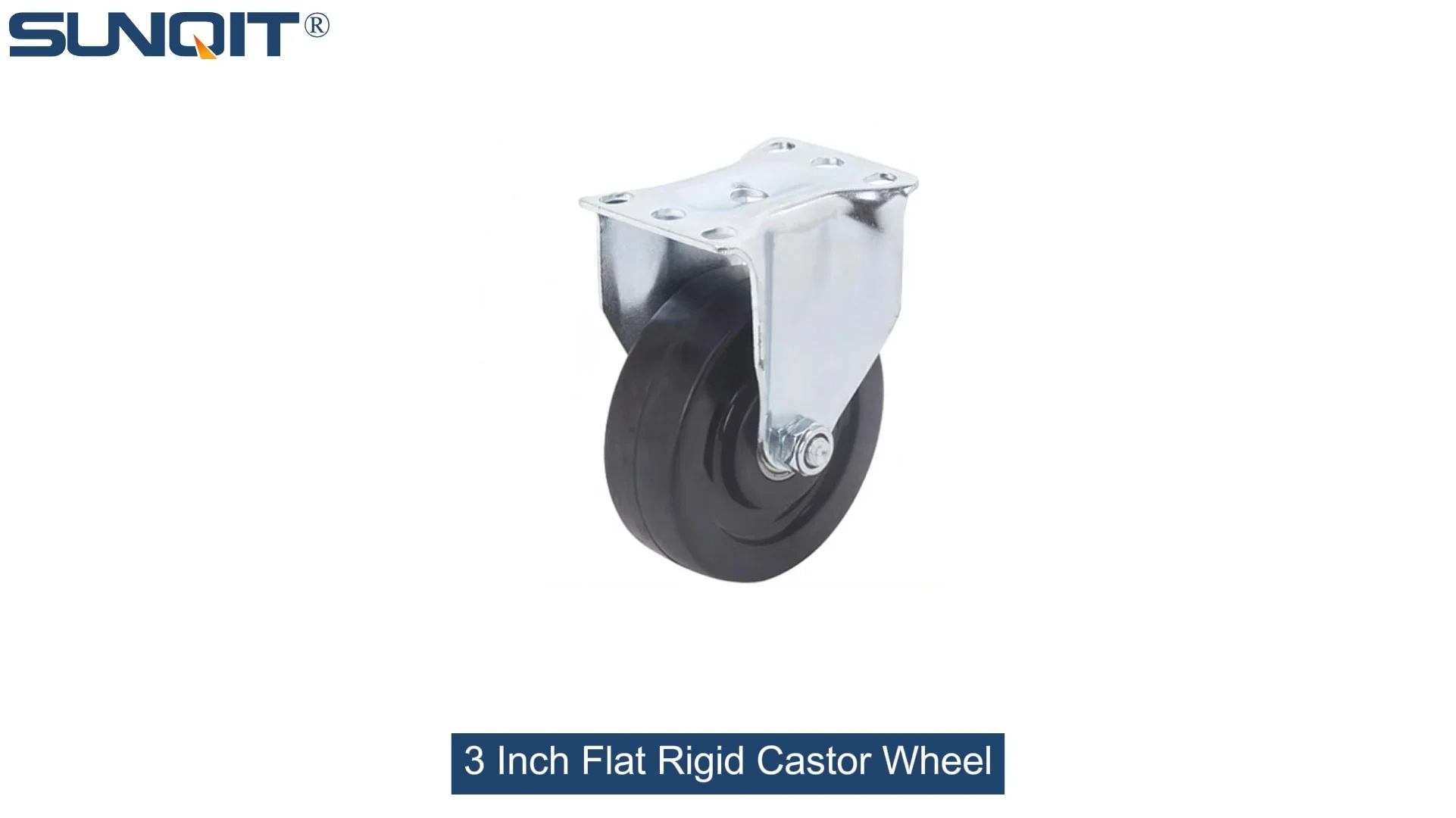
Flat Rigid Castor Wheel
Chair Casters Ball Bearing Wheels Rubber Base. Resistant to abrasion, impact and corrosion. Heavy payload can hold 70Kgs per pcs,which can make it works at a stable and smooth status.
Every day, across factory floors worldwide, countless pieces of equipment quietly keep operations moving: workbenches glide into position, material carts shuttle components to assembly lines, and roller tracks smoothly transport goods from station to station. At the heart of this movement are often small but critical components: castor wheels. Among them, the flat rigid castor wheel stands out for its stability and load-bearing strength, making it a staple in lean system setups where efficiency and reliability are non-negotiable. But what happens when these unsung heroes fail? A seized roller can bring a workflow to a grinding halt, causing delays, frustrating workers, and even creating safety hazards. In this guide, we'll dive into why flat rigid castor wheel bearings seize, how to maintain them effectively, and why this upkeep is a cornerstone of keeping your factory's lean system running like a well-oiled machine.
1. The Role of Flat Rigid Castor Wheels in Modern Factories
Before we jump into maintenance, let's take a moment to appreciate what flat rigid castor wheels do. Unlike swivel castors, which rotate 360 degrees, rigid castors lock into a fixed direction—think of them as the "straight-line specialists" of the castor world. This design makes them ideal for heavy loads and equipment that needs to move along predictable paths, like workbenches bolted to trolleys, material racks, or the base of roller track systems. In lean system environments, where every second and every movement is optimized to eliminate waste, these castors ensure that tools, parts, and workstations stay precisely where they need to be, when they need to be there.
Imagine a busy automotive parts plant: a workbench fitted with flat rigid castor wheels carries a 500-pound engine block across the floor. Because the castors are rigid, the bench moves in a straight line, aligning perfectly with the assembly station. No wobbly detours, no wasted effort—just smooth, efficient motion. Now, picture that same bench suddenly lurching to a stop because one of its castor wheels has seized. The worker strains to push it, risking a back injury. The assembly line slows down as the team waits for the bench to arrive. What should have been a 2-minute task becomes a 20-minute headache. That's the cost of neglecting castor maintenance.
Flat rigid castor wheels are also workhorses in environments where stability is critical. Unlike their swivel counterparts, they don't "drift" when loaded, making them a favorite for equipment like static workbenches that need occasional repositioning or heavy-duty turnover trolleys. And when paired with quality caster accessories—like sealed bearings, durable axles, and corrosion-resistant housings—they can withstand the harsh conditions of factories, from dust and metal shavings to occasional spills.
2. Why Do Rollers Seize? The Hidden Culprits
Seized rollers don't happen overnight. They're usually the result of a slow, cumulative breakdown of the bearing system inside the castor wheel. Let's break down the most common culprits, using real-world scenarios to see how they play out on the factory floor.
Lack of Lubrication: The Silent Killer
Bearings are precision components, with metal balls or rollers spinning against inner and outer races. Without proper lubrication, metal-on-metal friction builds up, generating heat and wear. Over time, this friction can weld parts together, leaving the wheel stuck. It's like trying to ride a bike with dry chain links—eventually, the motion grinds to a halt.
Factory Scenario: A food packaging plant uses flat rigid castor wheels on its conveyor support frames. The maintenance team assumes the castors are "low maintenance" and only lubricates them once a year. After six months, workers notice the frames are harder to adjust. By month nine, one wheel seizes completely, causing the conveyor to tilt and spill a batch of packaged snacks. An inspection reveals the bearing races are scored and pitted—damage that could have been prevented with monthly lubrication.
Debris Buildup: Tiny Particles, Big Problems
Factories are messy places. Dust, metal shavings, plastic fragments, and even food particles (in packaging facilities) are constant companions. These tiny invaders can find their way into bearing seals, especially if the seals are worn or damaged. Once inside, debris acts like sandpaper, wearing down bearings and blocking lubrication flow. Roller track areas are particularly vulnerable—materials sliding along the track often shed particles that fall onto nearby castor wheels.
For example, in a machine shop, castor wheels near a roller track for metal parts might pick up iron filings. These filings can wedge between bearing balls and races, scratching surfaces and trapping moisture. Over time, the debris mixes with old lubricant, forming a gritty paste that clogs the bearing, leading to seizing.
Overloading: Pushing Castors Beyond Their Limits
Every flat rigid castor wheel has a maximum load rating, specified by the manufacturer. Exceeding this rating puts extra stress on the bearings, axles, and housing. When a castor is overloaded, the bearings compress unevenly, causing premature wear. The increased friction from the added weight also generates more heat, breaking down lubricants faster. It's like asking a small car to tow a truck—sooner or later, the engine (or in this case, the bearing) will fail.
A common mistake? Assuming "close enough" is acceptable. If a castor is rated for 300 pounds, loading it with 350 pounds might seem manageable in the short term, but over weeks and months, that extra 50 pounds takes a toll. Workers might not even notice the gradual increase in effort needed to move the equipment until the wheel finally seizes.
Corrosion: When Moisture and Metal Collide
Factories with high humidity, water exposure, or chemical spills are breeding grounds for corrosion. Even stainless steel components can rust if not properly maintained, and standard steel castors are even more vulnerable. When moisture seeps into bearings (often through cracked seals or during washdowns), it causes rust to form on metal surfaces. Rust flakes can jam the bearing, while the corrosion itself weakens the metal, leading to pitting and failure.
Consider a pharmaceutical factory that requires regular floor cleaning with water and disinfectants. If castor wheels on material racks aren't dried properly after cleaning, moisture can penetrate the bearing seals. Over time, rust forms inside, and one day, a wheel locks up mid-movement, spilling sterile supplies and requiring a costly cleanup.
Poor-Quality Caster Accessories: Cutting Corners on Parts
Not all caster accessories are created equal. Cheap bearings, flimsy axles, or ill-fitting seals can doom a castor wheel from the start. For example, bearings made from low-grade steel might wear out in months instead of years. Or a seal that doesn't properly enclose the bearing allows debris and moisture to enter freely. In lean system setups, where reliability is key, skimping on caster accessories often backfires, leading to more frequent replacements and unexpected downtime.
Key Takeaway: Seized rollers are rarely random. They're a warning sign that one or more of these issues—lubrication, debris, overloading, corrosion, or poor parts—has been neglected. The good news? With proactive maintenance, nearly all of these problems are preventable.

3. The True Cost of Seized Rollers: Beyond the Stuck Wheel
When a flat rigid castor wheel seizes, the first thought is often, "How do we fix this quickly?" But the real cost goes far beyond the time spent unjamming the wheel or replacing the castor. Let's break down the hidden expenses and risks that come with neglected castor maintenance.
Downtime: Every Minute Counts
In manufacturing, downtime is money lost. According to industry estimates, unplanned downtime can cost factories anywhere from $5,000 to $20,000 per hour, depending on the industry and scale of operations. A seized castor wheel might only take 30 minutes to fix, but if it happens on a critical path—like a workbench needed for final assembly—it can halt an entire production line. For example, a small electronics plant assembling circuit boards might lose 50 units per hour of downtime. At $20 per unit, a 1-hour delay due to a seized castor costs $1,000—far more than the $10 lubricant and 10 minutes of weekly maintenance that could have prevented it.
Worker Safety: A Hidden Risk
Seized castors don't just slow production—they create safety hazards. When a wheel jams, workers often strain to push or pull the stuck equipment, risking muscle strains or back injuries. In 2023, the Bureau of Labor Statistics reported that overexertion injuries cost U.S. employers $16.4 billion in workers' compensation claims. A single back injury from forcing a seized castor could result in weeks of lost work, medical bills, and increased insurance premiums. Worse, a suddenly jolting trolley might spill materials, causing slips, trips, or falls. Safety isn't just a priority—it's an economic necessity.
Premature Replacement Costs
Replacing a seized castor wheel isn't cheap. A high-quality flat rigid castor with sealed bearings can cost $50 to $150, depending on load rating and materials. Multiply that by dozens of castors across a factory, and replacement costs add up fast. Compare that to the cost of maintenance: a bottle of bearing lubricant ($15) and a can of degreaser ($8) might last months. Over a year, maintenance costs per castor are often less than $20—far cheaper than replacing a seized unit every 6–12 months.
Reduced Productivity and Morale
Frustrated workers are less productive. When equipment frequently jams or breaks down, it erodes trust in the tools and processes, leading to slower work and higher turnover. A 2022 study by the Manufacturing Institute found that poor equipment reliability is a top cause of worker dissatisfaction in factories. Imagine starting your shift excited to meet production goals, only to spend the first hour fixing a seized castor wheel. It's demotivating, and over time, it chips away at the lean system's core principle of respect for people.

4. Step-by-Step Maintenance: Keeping Rollers Rolling Smoothly
Preventing seized rollers isn't complicated. With a regular maintenance routine, you can extend the life of your flat rigid castor wheels by 2–3 times and avoid 90% of unplanned downtime. Below is a step-by-step guide to maintaining your castor bearings, tailored to factory environments.
Step 1: Inspection – Catch Problems Early
Start with a visual and physical inspection. Ideally, this should happen weekly for high-use castors (like those on workbenches or trolleys used daily) and monthly for low-use ones. Here's what to check:
- Wheel Movement: Spin the wheel by hand. It should rotate smoothly, with no grinding, wobbling, or resistance. If it feels rough or stops abruptly, the bearing may be damaged or clogged.
- Debris Buildup: Look for dust, dirt, metal shavings, or other particles around the wheel, axle, and bearing housing. Pay extra attention to castors near roller tracks, where debris is more common.
- Seal Condition: Check the bearing seals (if present) for cracks, tears, or gaps. Damaged seals allow contaminants to enter and lubricant to escape.
- Corrosion: Look for rust or discoloration on the wheel, axle, or bearing housing. Even small spots can indicate moisture intrusion.
- Load Rating Compliance: Confirm that the equipment isn't overloaded. Check the castor's load rating (usually stamped on the housing) and compare it to the actual load being carried.
Step 2: Cleaning – Remove Contaminants
Once you've inspected the castors, it's time to clean them. This step is critical for removing debris that can damage bearings. You'll need:
- A stiff-bristled brush (to dislodge loose debris)
- Compressed air (to blow out dust from hard-to-reach areas)
- Degreaser (for heavy oil or grease buildup)
- Rags or paper towels
Start by brushing away loose debris from the wheel and axle. Use compressed air to blow out dust from the bearing seals and around the axle. If there's heavy grease or oil buildup (common in food or automotive plants), spray degreaser on a rag and wipe the wheel and housing. Avoid spraying degreaser directly into the bearing unless the seals are damaged—this can wash away existing lubricant.
Step 3: Lubrication – Keep Bearings Moving
Lubrication is the most important step in preventing seized bearings. The goal is to create a thin film between moving parts, reducing friction and repelling moisture. Follow these tips:
- Choose the Right Lubricant: For factory castors, use a high-temperature, lithium-based grease or bearing oil. Grease is better for heavy loads and dusty environments, while oil works well for high-speed applications. Avoid household lubricants like WD-40—they're not designed for long-term bearing protection.
- Apply Lubricant Properly: Most castors have a grease fitting (a small nipple on the bearing housing). Use a grease gun to inject grease until you see a small amount squeeze out from the seal—this ensures the bearing is fully packed. For castors without grease fittings, remove the wheel, apply a thin layer of grease to the bearing races and balls, then reattach the wheel.
- Don't Over-Lubricate: Too much grease can trap heat and debris, causing more harm than good. A general rule: for a standard bearing, 2–3 pumps of grease from a grease gun are enough.
Step 4: Repair or replace – Address Damaged Parts
If inspection reveals damaged components—like cracked seals, rusted bearings, or bent axles—don't delay repairs. replace worn caster accessories immediately. For example, a damaged seal can be replaced for $5–$10, preventing a $50+ castor replacement later. If the bearing itself is seized or pitted, it's usually more cost-effective to replace the entire castor wheel, as bearings are often press-fit and hard to service individually.
Step 5: Document and Schedule – Turn Maintenance into a Habit
Finally, document your maintenance activities. Note which castors were inspected, cleaned, or lubricated, and any issues found. This helps track trends (e.g., "Castors near the roller track always have debris buildup") and ensures consistency. Use a calendar or maintenance management software to schedule future inspections—consistency is key to preventing seized rollers.
| Frequency | Tasks | Tools Needed | Responsible Role |
|---|---|---|---|
| Daily | Quick visual check for obvious issues (e.g., jammed wheels, debris) | None (visual inspection only) | Machine operators/floor staff |
| Weekly | Thorough inspection, debris cleaning, lubrication (high-use castors) | Brush, compressed air, lubricant, rags | Maintenance technician |
| Monthly | Inspection, cleaning, lubrication (low-use castors); check load ratings | Same as weekly, plus load scale (if needed) | Maintenance technician |
| Quarterly | replace worn caster accessories (seals, axles); deep clean bearings | Wrenches, replacement parts, degreaser | Maintenance supervisor |

5. Proactive Maintenance in Lean Systems: Aligning with Efficiency Goals
Lean system principles focus on eliminating waste—whether it's time, materials, or effort. Seized castor wheels are a classic example of waste: they waste time (downtime), effort (workers straining to move stuck equipment), and money (repairs and replacements). By integrating castor maintenance into your lean system, you turn a reactive chore into a proactive tool for efficiency.
Lean Maintenance: Preventing Waste Before It Happens
Lean isn't just about production—it's about creating a culture of continuous improvement. Maintenance fits perfectly into this culture. For example, in a lean facility, the "5S" methodology (Sort, Set in Order, Shine, Standardize, Sustain) can be applied to castor care: "Shine" (cleanliness) ensures debris-free castors, "Standardize" creates a consistent maintenance routine, and "Sustain" makes it a long-term habit. By treating castor maintenance as part of your lean system, you ensure that small, preventable issues don't become big, wasteful problems.
Training: Empower Your Team to Spot Issues
Frontline workers are often the first to notice a castor wheel acting up—a slight squeak, a wobble, or increased resistance when pushing a trolley. Train your team to report these early warning signs. A simple "castor issue log" near workstations can help track problems before they escalate. For example, a worker noticing that a workbench trolley is harder to push can jot it down, prompting the maintenance team to inspect and lubricate the castors that day instead of waiting for a seizure.
Choosing the Right Castors for Your Environment
Prevention starts with selection. When purchasing flat rigid castor wheels, consider your factory's specific conditions: Is it dusty? Wet? Do you move heavy loads? Choose castors with sealed bearings for dusty or wet environments, stainless steel components for corrosion resistance, and load ratings 20% higher than your typical load to account for occasional spikes. Investing in quality castors and caster accessories upfront reduces maintenance needs and extends lifespan—aligning perfectly with lean's focus on long-term value.
Case Study: A Lean Success Story
A mid-sized electronics manufacturer was struggling with frequent castor seizures on their assembly line workbenches. Downtime averaged 2 hours per week, and castors needed replacement every 6 months. After implementing a weekly maintenance routine—including inspection, cleaning, and lubrication—and switching to castors with sealed bearings and higher load ratings, downtime dropped to 1 hour per month, and castor lifespan increased to 2 years. The cost? $150 per month in lubricant and labor, saving the company over $20,000 annually in downtime and replacement costs.
6. Conclusion: Small Maintenance, Big Results
Flat rigid castor wheels may be small, but their impact on factory operations is huge. Seized rollers disrupt production, endanger workers, and eat into profits—but they're almost entirely preventable. By following a regular maintenance routine—inspecting for debris and wear, cleaning contaminants, lubricating bearings, and replacing worn caster accessories—you can keep these critical components rolling smoothly for years.
In the world of lean systems, where efficiency and reliability are paramount, castor maintenance isn't an afterthought—it's an essential part of keeping the entire operation moving forward. Whether you're pushing a workbench into place, shuttling materials on a trolley, or relying on roller tracks to keep goods flowing, the care you put into your castor wheels pays off in reduced downtime, safer workplaces, and happier, more productive teams.
So, the next time you walk past a castor wheel on the factory floor, take a moment to appreciate its role. Then, grab a brush, a grease gun, and make sure it stays ready to roll. Your bottom line—and your workers—will thank you.