- Company Articles
- Products and Technology
- Installation And Maintenance
- Flat Rigid Castor Wheel Maintenance Schedule for Optimal Performance in Warehouses

Flat Rigid Castor Wheel Maintenance Schedule for Optimal Performance in Warehouses
Related Product
Flat Rigid Castor Wheel
Chair Casters Ball Bearing Wheels Rubber Base. Resistant to abrasion, impact and corrosion. Heavy payload can hold 70Kgs per pcs,which can make it works at a stable and smooth status.
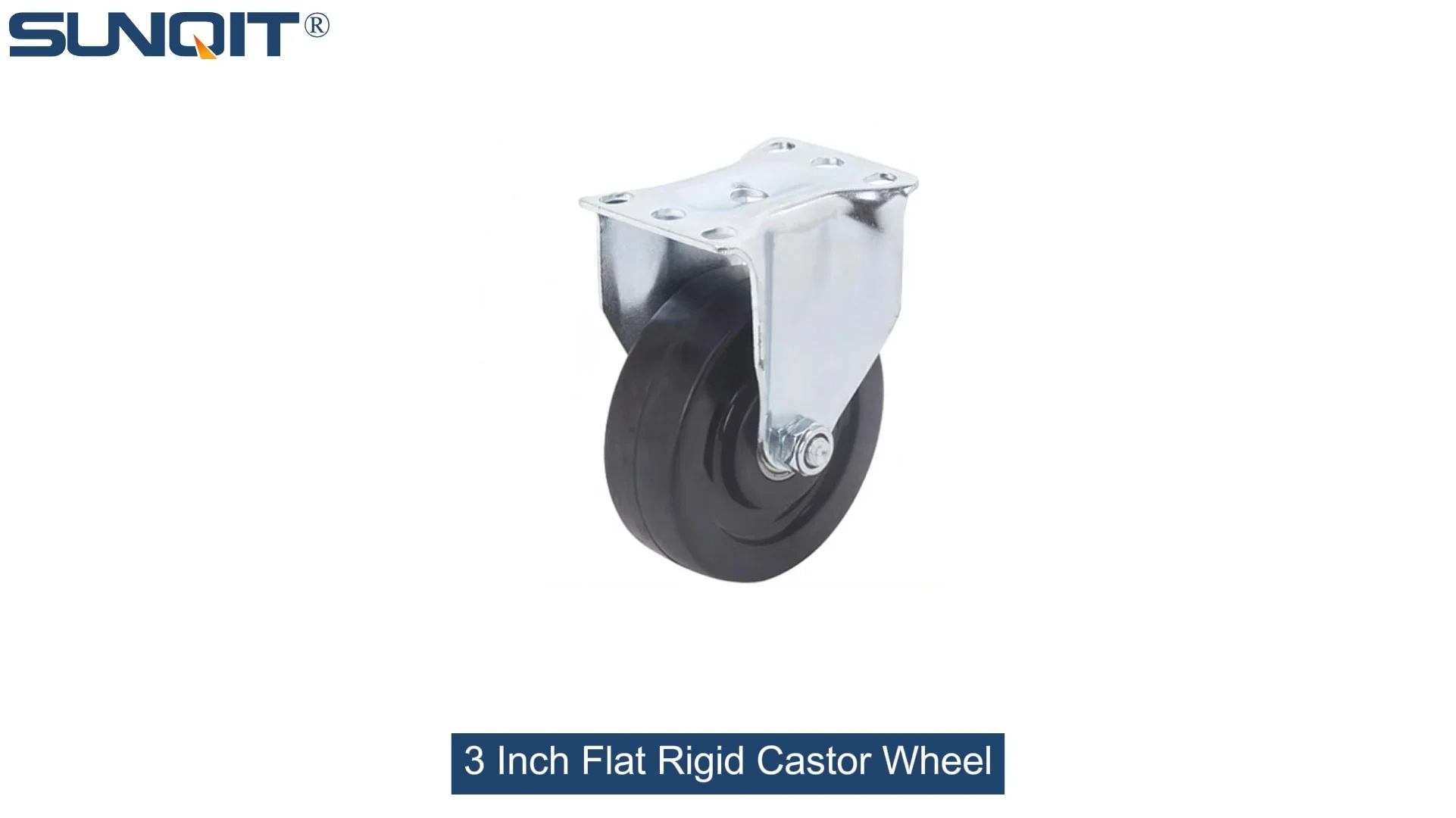
In the bustling heart of any warehouse, where the rhythm of productivity never stops, there's an unsung hero quietly keeping operations moving: the flat rigid castor wheel. These unassuming components are the workhorses beneath your turnover trolleys, material racks, and even workbenches, bearing the weight of inventory, tools, and the daily grind of logistics. Yet, like any hardworking team member, they need care to stay at the top of their game. Neglecting their maintenance isn't just a recipe for squeaky wheels or wobbly carts—it's a risk to safety, efficiency, and your bottom line. Today, we're diving into a practical, human-centered maintenance schedule designed to keep your flat rigid castor wheels rolling smoothly, so your warehouse can keep thriving.
Why Flat Rigid Castor Wheels Deserve Your Attention
Before we jump into the "how," let's talk about the "why." Flat rigid castor wheels are built for stability—their fixed, non-swiveling design makes them ideal for heavy loads and straight-line movement, like moving pallets from the receiving dock to storage or shifting a loaded workbench across the assembly floor. But that stability comes with a catch: when they fail, the consequences are immediate. A seized wheel can bring a turnover trolley to a halt mid-shift, delaying order fulfillment. A worn-out wheel might cause a rack to tip, risking damage to inventory or injury to a team member. Even something as small as a loose bolt can lead to uneven wear, turning a $20 repair into a $200 replacement down the line.
Real-World Impact: Maria, a warehouse supervisor at a mid-sized electronics facility, learned this lesson the hard way last year. During peak season, one of their busiest turnover trolleys—a workhorse used to transport circuit boards—started to drag. The team brushed it off as "just a stuck wheel," but by the end of the week, the wheel had completely locked up. By the time maintenance arrived, the trolley was blocking a critical aisle, and three orders were delayed. The culprit? A buildup of dust and debris in the axle, which could have been prevented with a five-minute daily check. "We lost two hours of productivity that day, not to mention the stress on the team," Maria recalls. "Now, we treat castor maintenance like any other priority—because it is."
The good news? With a consistent maintenance routine, these headaches are entirely avoidable. Think of it as an investment in your team's workflow and peace of mind. When castor wheels are well-maintained, tasks feel lighter: pushing a trolley becomes effortless, workbenches glide into place without a struggle, and everyone can focus on what matters—getting the job done safely and on time.
Understanding Your Castor: Components and Common Issues
To care for your flat rigid castor wheels, you first need to know what makes them tick. Let's break down their basic components and the issues that often crop up:
Key Components of Flat Rigid Castor Wheels
- Wheel: The outer part that touches the floor, usually made of rubber, polyurethane, or nylon. It absorbs shock and provides traction.
- Axle: The metal rod that connects the wheel to the bracket, allowing it to spin.
- Bracket (or Yoke): The metal frame that attaches the wheel to the equipment (like a turnover trolley or workbench).
- Fasteners: Bolts, nuts, or screws that secure the bracket to the equipment. Loose fasteners are a common culprit for instability.
- Bearings (if equipped): Small metal components inside the wheel that reduce friction, making rotation smoother. Some basic models may not have bearings, relying instead on a solid axle.
Common Issues to Watch For
Now, what should you be on the lookout for? Here are the red flags that signal your castor wheels need attention:
- Uneven Wear: If the wheel tread is worn down more on one side than the other, it could mean the axle is bent or the bracket is loose.
- Squeaking or Grinding: This usually points to dry bearings (if present) or debris stuck in the axle housing.
- Stiff Rotation: The wheel should spin freely. If it's hard to turn, check for rust, debris, or a damaged bearing.
- Loose or Missing Fasteners: Wobbly brackets or rattling wheels often stem from bolts that have worked their way loose over time.
- Cracks or Chips: Inspect the wheel for signs of damage—cracks can spread, leading to sudden failure under load.

Building Your Castor Maintenance Toolkit
You don't need a fully equipped workshop to maintain your flat rigid castor wheels—just a few basic tools and supplies. Here's what to keep on hand:
- Adjustable Wrench or Socket Set: For tightening loose bolts and nuts on the bracket.
- Screwdrivers (Flathead and Phillips): Some castors use screws instead of bolts to attach to equipment.
- Wire Brush: To clean debris, rust, or caked-on dirt from axles and wheel housings.
- Microfiber Cloths: For wiping down wheels and brackets after cleaning.
- Lubricant: Choose a silicone-based or lithium grease (avoid oil, which can attract dust). Look for a lubricant labeled "food-safe" if you're in a warehouse handling consumables.
- Caster Accessories: Keep a small stock of replacement parts like bearings, axle pins, or fasteners. Your supplier should have these on hand—pro tip: order a few extras during your next restock to avoid last-minute delays.
- Safety Gear: Gloves to protect hands from sharp edges or grease, and safety glasses to shield eyes from flying debris during cleaning.
Pro tip: Assign a dedicated "castor maintenance kit" to each warehouse zone (e.g., receiving, assembly, shipping). That way, tools are always within reach when a quick check or repair is needed.

The Maintenance Schedule: From Daily Checks to Annual Overhauls
Maintenance isn't a one-and-done task—it's a rhythm. Below is a step-by-step schedule, broken down by frequency, to keep your flat rigid castor wheels in top shape. Adjust based on your warehouse's traffic: if a trolley is used 50 times a day, it needs more attention than one used once a week.
Daily Inspection: 2-Minute Check-Ups
Start each shift with a quick walk-around of your most-used equipment. This isn't about deep cleaning—it's about catching obvious issues before they escalate. Focus on trolleys, workbenches, and racks that see heavy daily use.
- Visual Scan: Look for cracks, chips, or uneven wear on the wheel tread. Check if the bracket is loose or bent.
- Spin Test: Give the wheel a gentle spin. It should rotate smoothly—no grinding or sticking.
- Debris Removal: Kick or brush away any loose dirt, gravel, or string wrapped around the axle (a common problem in warehouses with pallet wrap or packing materials).
- Noise Check: Listen for squeaks or rattles as the trolley moves. A quick push across the floor can reveal issues you might miss at rest.
Who does this? Your warehouse associates! Train them to report issues immediately—maybe even add a "castor check" to their daily start-up checklist. After all, they're the ones using the equipment most—their observations are invaluable.
Weekly Deep Clean: Keep Them Free of Grime
Dirt and debris are castor wheels' worst enemies. Over time, they can work their way into axles or bearings, causing friction and wear. Set aside 30 minutes each week to give your most critical castors a thorough cleaning.
- Elevate the Equipment: Use a jack or block to lift the wheel off the ground—this makes cleaning easier and safer.
- Brush Away Debris: Use the wire brush to scrub the axle, wheel housing, and bracket. Pay extra attention to the area where the wheel meets the axle—this is where dust and hair tend to accumulate.
- Wipe Clean: Use a microfiber cloth dampened with warm, soapy water (mild dish soap works) to wipe the wheel tread and bracket. Avoid pressure washers or hoses—excess water can cause rust.
- Dry Thoroughly: Moisture leads to rust, so make sure all parts are dry before lowering the equipment back down.
Pro tip: Prioritize equipment used in dusty areas (e.g., near concrete floors or open dock doors) for weekly cleaning. These castors will accumulate grime faster than those in climate-controlled zones.
Monthly Lubrication: Keep Them Rolling Smooth
Lubrication is the lifeblood of moving parts. Even castors without bearings need a little TLC to reduce friction and prevent rust. Do this monthly for all castors, and biweekly for those under heavy loads.
- Clean First: Always lubricate clean castors—adding grease to a dirty axle will just trap debris, making the problem worse.
- Apply Lubricant: For castors with bearings, remove the dust cap (if present) and apply a small amount of grease to the bearing cavity. For solid axles, apply a thin layer of lubricant to the axle where it meets the wheel.
- Spin the Wheel: Rotate the wheel a few times to distribute the lubricant evenly.
- Wipe Excess: Use a cloth to remove any extra grease—too much can attract dirt.
Note: If you're using equipment with food-grade requirements (e.g., a workbench in a pharmaceutical warehouse), use a lubricant certified by the FDA or USDA to avoid contamination risks.
Quarterly Inspection: Tighten, Adjust, and replace
Every three months, take a closer look at your castors to catch wear and tear that might not show up in daily checks. This is also a good time to address minor issues before they become major problems.
- Tighten Fasteners: Use the wrench or screwdriver to check all bolts and screws attaching the bracket to the equipment. Over time, vibration can loosen these—snug them up, but don't overtighten (this can strip threads).
- Check Axle Alignment: Spin the wheel and watch its movement. If it wobbles from side to side, the axle may be bent. A bent axle can't be repaired—replace it immediately to avoid uneven wear.
- Test Load Capacity: If a trolley or workbench feels unstable under its usual load, verify that the castors are rated for the weight. Using underrated castors is a common mistake—check the manufacturer's label or ask your supplier for specs.
- replace Worn Parts: If you notice cracked wheels, seized bearings, or bent brackets, replace them now. Waiting will only lead to bigger issues—remember Maria's story?
Annual Overhaul: Evaluate and Upgrade
At the end of each year, take a step back to assess your entire castor fleet. This is a chance to plan for the future and ensure your equipment is meeting your warehouse's evolving needs.
- Inventory Check: Count all flat rigid castor wheels and note their condition (e.g., "like new," "worn tread," "needs replacement"). This helps you budget for next year's maintenance.
- Review Usage Patterns: Has your workflow changed? Maybe you've added a new assembly line, requiring more workbenches, or shifted to heavier pallets that demand sturdier castors. Adjust your maintenance schedule or consider upgrading to higher-capacity models if needed.
- Supplier Audit: Are your caster accessories and replacement parts arriving on time? Do you need a backup supplier for critical components? A reliable supplier is a key partner in maintenance—don't hesitate to shop around if yours isn't meeting expectations.
- Team Feedback: Ask your warehouse associates what they notice about the castors. Do certain trolleys always give trouble? Are there areas where castors wear out faster? Their input can uncover patterns you might miss from an office desk.
Maintenance Schedule at a Glance
| Task | Frequency | Tools Needed | Key Steps | Notes |
|---|---|---|---|---|
| Visual Inspection | Daily | None (just your eyes and ears) | Check for cracks, loose parts, debris; listen for noise. | Assign to equipment operators—they know the gear best. |
| Deep Cleaning | Weekly | Wire brush, microfiber cloth, mild soap | Scrub axle and bracket; wipe wheel tread; dry thoroughly. | Focus on dusty or high-traffic areas first. |
| Lubrication | Monthly | Lubricant (silicone or lithium), cloth | Apply lubricant to axle/bearings; spin wheel to distribute. | Use food-safe lubricant in consumable-handling areas. |
| Tighten & Adjust | Quarterly | Wrench, screwdriver, jack (for lifting) | Tighten fasteners; check axle alignment; replace worn parts. | Keep caster accessories on hand for quick replacements. |
| Annual Audit | Yearly | Inventory list, team feedback forms | Assess condition of all castors; review usage and supplier performance. | Plan upgrades or budget for replacements based on findings. |

Troubleshooting: Fixing Common Castor Issues on the Fly
Even with the best maintenance, issues can pop up. Here's how to troubleshoot common problems quickly, so you can get back to work:
Problem: Squeaky Wheels
Cause: Dry bearings or debris in the axle.
Fix: Clean the axle with a wire brush, then apply lubricant. If the squeak persists, the bearings may be worn—replace them with new ones from your caster accessories stock.
Problem: Wheel Wobbles or Pulls to One Side
Cause: Loose bracket, bent axle, or unevenly worn wheel.
Fix: Tighten the bracket fasteners first—this is often the culprit. If that doesn't work, check the axle for bending (replace if bent). If the wheel tread is uneven, swap it with a new one to avoid damaging the floor.
Problem: Wheel Won't Spin (Seized)
Cause: Rust, debris, or a damaged bearing.
Fix: Elevate the wheel, then use the wire brush to remove rust or debris from the axle. Apply lubricant and let it sit for 10 minutes, then gently tap the wheel with a rubber mallet to loosen it. If it still won't spin, the bearing or axle may need replacement.
Problem: Fasteners Keep Loosening
Cause: Vibration from heavy use or stripped threads.
Fix: Use a thread-locking compound (like Loctite) on the bolts—this prevents them from vibrating loose. If threads are stripped, replace the bolt with a slightly larger size (check with your supplier for compatibility).
Beyond Maintenance: Creating a Culture of Care
At the end of the day, a maintenance schedule is only as good as the team following it. To make castor care stick, focus on building a culture where everyone takes ownership of the equipment they use. Here's how:
- Train New Hires: Include castor maintenance in onboarding. Show new associates how to spot issues and report them—empower them to speak up if a trolley doesn't feel right.
- Celebrate Small Wins: Recognize a team member who catches a loose castor before it causes a problem. A quick shoutout in the weekly meeting or a small reward (like a coffee gift card) goes a long way in reinforcing good habits.
- Make It Easy: Post the maintenance schedule near equipment storage areas, and keep tools and caster accessories organized and labeled. The easier it is to perform a check, the more likely it is to happen.
- Lead by Example: Managers and supervisors should model good behavior—if the team sees you stopping to clean a castor or report a squeak, they'll follow suit.
Final Thoughts: Invest in the Little Things
Flat rigid castor wheels may not be the most glamorous part of your warehouse, but they're the backbone of your daily operations. By investing a little time in their maintenance, you're not just extending their lifespan—you're protecting your team, your inventory, and your ability to keep promises to customers. Remember: a well-maintained castor wheel is a quiet reminder that every detail, no matter how small, contributes to a warehouse that runs like clockwork.
So, the next time you walk through your warehouse, take a moment to appreciate those hardworking wheels. Give them a spin, check for debris, and maybe even say a quiet "thank you." They've earned it—and so has your team.