- Company Articles
- Products and Technology
- Installation And Maintenance
- Flat Rigid Castor Wheel Maintenance: Tips to Extend Lifespan in Warehouses

Flat Rigid Castor Wheel Maintenance: Tips to Extend Lifespan in Warehouses
Related Product
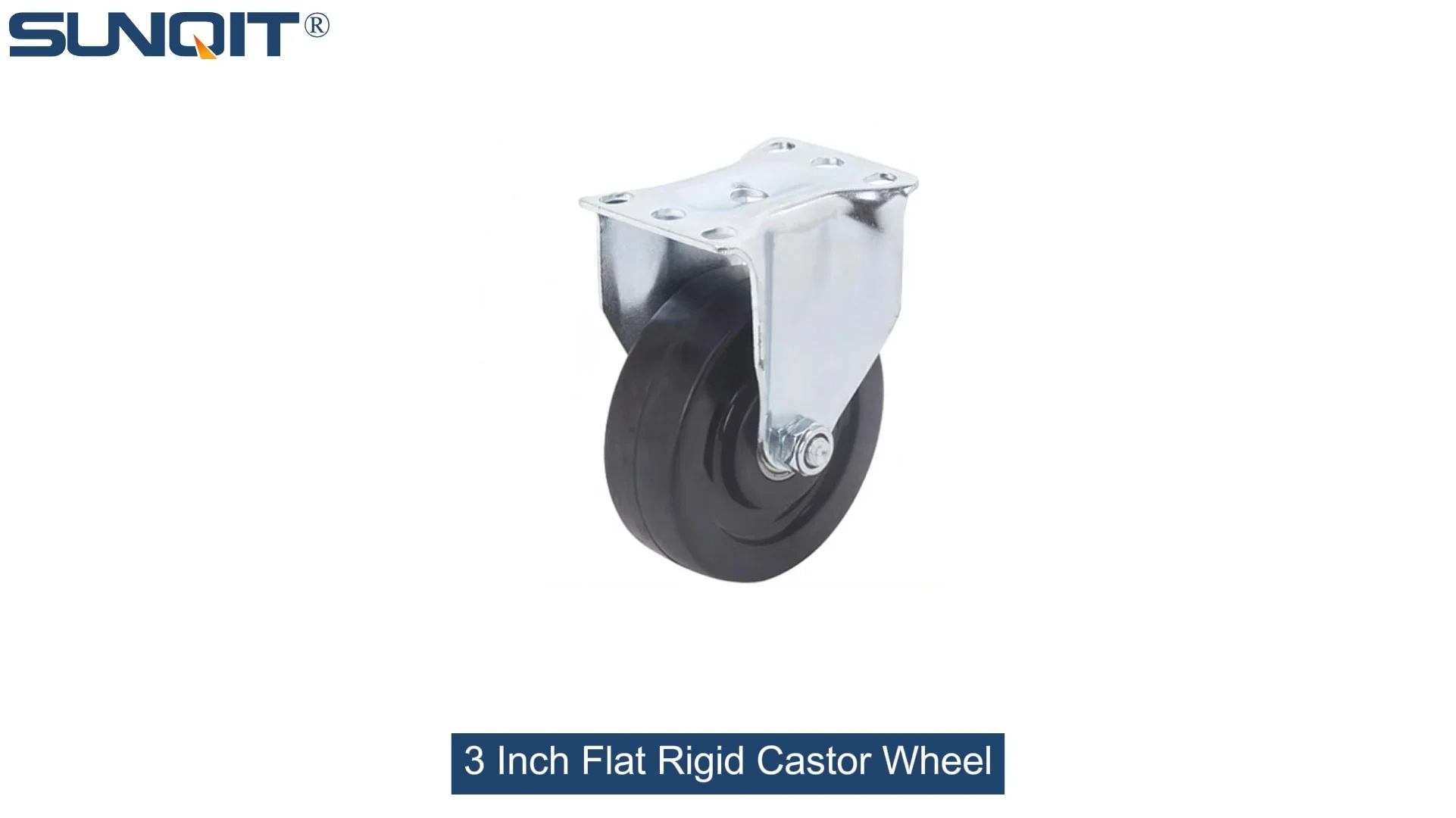
Flat Rigid Castor Wheel
Chair Casters Ball Bearing Wheels Rubber Base. Resistant to abrasion, impact and corrosion. Heavy payload can hold 70Kgs per pcs,which can make it works at a stable and smooth status.
Walk through any busy warehouse, and you'll notice the unsung heroes keeping operations moving: the wheels beneath workbenches, the glide of turnover trolleys, and the steady roll of material racks. Among these, flat rigid castor wheels stand out for their reliability in heavy-duty, straight-path applications. Unlike swivel casters that pivot, these wheels lock into a fixed direction, making them ideal for hauling pallet loads, supporting stationary workbenches, or guiding turnover trolleys along predictable routes. But here's the thing: even the toughest caster wheels can fail prematurely without proper care. A seized wheel can slow down a production line. A wobbly trolley might damage inventory. And a rusted axle? That's an accident waiting to happen. In this guide, we'll break down how to keep your flat rigid castor wheels rolling smoothly, saving you time, money, and headaches—because in warehousing, every second (and every wheel) counts.
What Are Flat Rigid Castor Wheels, Anyway?
Before diving into maintenance, let's get clear on what makes flat rigid castor wheels unique. These aren't your average shopping cart wheels. They're designed for stability and strength, with a fixed axle that prevents swiveling—perfect for loads that need to move in straight lines without veering off course. You'll find them under heavy-duty workbenches that stay put during assembly, on turnover trolleys shuttling parts between stations, or even on material racks that need occasional repositioning.
Most flat rigid castor wheels are built with a metal frame (often steel or aluminum) and a wheel made of rubber, polyurethane, or cast iron. The "flat" in their name refers to the wheel's tread, which sits flush against the floor for maximum contact and weight distribution. And while they might seem simple, they're often paired with caster accessories like brake pads (to lock them in place when stationary), axle covers (to keep debris out), or floor protectors (to prevent scratches on concrete). Understanding this design helps you target maintenance where it matters most.
The Hidden Cost of Neglecting Your Castors
Let's talk about the consequences of skipping maintenance. Imagine a warehouse where the morning shift starts, and a team member tries to move a turnover trolley loaded with electronic components. The flat rigid castor wheel on one side is jammed—caked with last week's sawdust and grime. They push harder, the trolley lurches, and a box slips, cracking a circuit board. That's a $500 part ruined, plus 20 minutes of cleanup. Multiply that by a few jams a week, and suddenly you're looking at thousands in lost productivity and damaged goods.
Or consider a workbench in the assembly area. Its flat rigid castor wheels have uneven tread wear because no one checked the alignment. Over time, the bench tilts slightly, causing workers to hunch awkwardly. A month later, you're dealing with a workers' compensation claim for back strain. Neglect doesn't just hurt equipment—it hurts people and profits.
Common issues from poor maintenance include:
- Debris buildup: Dirt, grease, or metal shavings get trapped between the wheel and axle, causing friction and jamming.
- Uneven wear: Misaligned wheels or overloading lead to one side of the tread wearing faster than the other, making trolleys wobbly.
- Rust and corrosion: Moisture (from spills or high humidity) eats away at metal components, weakening axles and frames.
- Loose fasteners: Bolts holding the caster to the trolley or workbench come loose, leading to instability.

Gather Your Tools: What You'll Need for Maintenance
You don't need a fully stocked workshop to maintain flat rigid castor wheels, but having the right tools on hand makes the job faster and more effective. Here's your toolkit:
- Adjustable wrench: To tighten loose bolts on the caster frame or axle.
- Stiff-bristle brush: For scrubbing debris out of wheel treads and axle crevices (a toothbrush works for tight spots).
- Lubricant: Silicone-based lubricant for rubber or polyurethane wheels (avoids drying them out); petroleum-based for metal-on-metal components like axles.
- Microfiber cloth: To wipe down wheels and remove excess lubricant (lint-free to avoid leaving residue).
- Tread depth gauge: A simple tool to measure how much tread is left on the wheel (most manufacturers recommend replacing when tread is below 1/8 inch).
- Caster accessories kit: Spare wheels, axles, or brake pads—having replacements on hand means you can fix issues immediately instead of waiting for parts.
Pro tip: Store these tools near high-traffic areas like loading docks or assembly lines so maintenance doesn't get put off because "the wrench is in the back room."

Weekly Check-In: Quick Habits to Prevent Big Problems
Think of weekly maintenance as a health checkup for your castors—quick, non-invasive, and crucial for catching issues early. Spend 10–15 minutes per workstation or trolley, focusing on these tasks:
1. Visual Inspection: The "Eyes On" Test
Start by looking at the flat rigid castor wheel from all angles. Check for cracks in the tread, dents in the metal frame, or bent axles. If the wheel is made of rubber, watch for dry rot (small cracks or a brittle texture). For metal wheels, look for rust spots—especially around the axle where moisture can hide. Also, inspect caster accessories like brakes: Do they engage smoothly? Is the brake pad worn down? A quick visual scan can spot 80% of potential problems.
2. Clean the Wheels: Out With the Gunk
Warehouses are dirty places—dust, oil, and debris love to cling to castor wheels. Over time, this gunk builds up, causing the wheel to drag or even lock. Grab your stiff brush and scrub the treads, focusing on the grooves where dirt gets trapped. For sticky residue (like spilled oil), dampen the microfiber cloth with warm, soapy water and wipe the wheel down. Don't forget the axle: Spin the wheel and brush out any debris around the axle housing—this is a common cause of squeaking or jamming.
3. Tighten Fasteners: No Wobbles Allowed
Vibration from daily use can loosen the bolts that attach the caster to the trolley or workbench. Grab your adjustable wrench and gently tighten these bolts—snug, but not so tight you strip the threads. Pay extra attention to the axle nut: If it's loose, the wheel will wobble, leading to uneven wear. A quick twist here can add months to your caster's lifespan.

Monthly Deep Dive: Lubrication, Wear, and Caster Accessories
Weekly checks keep things running, but monthly maintenance digs deeper to prevent long-term damage. Set aside an hour each month to tackle these tasks:
1. Lubricate Moving Parts: Keep It Slippery
Friction is the enemy of moving parts, and flat rigid castor wheels have plenty: axles, bearings, and even brake mechanisms. Here's how to lubricate like a pro:
- Axle and bearings: Apply a few drops of lubricant directly to the axle where the wheel meets the frame. Spin the wheel to work the lubricant into the bearing. Wipe away excess with a cloth—too much attracts dirt.
- Brakes and locks: If your castors have brakes, spray a small amount of lubricant on the pivot points (avoid getting it on the brake pad itself, which can reduce grip).
- Material matters: Use silicone lubricant for rubber or polyurethane wheels (petroleum-based products can degrade rubber over time). For metal wheels, petroleum-based lubricants (like motor oil) work best.
2. Check Tread Wear: When to replace Wheels
Even with perfect maintenance, wheel treads wear down. Use your tread depth gauge to measure the thickness—if it's below 1/8 inch, or if you notice uneven wear (one side is thinner than the other), it's time to replace the wheel. Pro tip: replace all wheels on a trolley or workbench at the same time, even if only one is worn. Mismatched wheels cause uneven weight distribution, leading to faster wear on the new wheel and instability.
3. Inspect Caster Accessories: Brakes, Locks, and More
Caster accessories like brakes or floor protectors are easy to overlook, but they're critical for safety and performance. Test brakes by engaging them and trying to move the trolley—they should hold firm. If they slip, check for worn brake pads (replace them using your caster accessories kit). Floor protectors (rubber or plastic caps on the wheel) prevent scratches on concrete; if they're cracked, replace them to avoid damaging your warehouse floors.
| Maintenance Task | Frequency | Why It Matters |
|---|---|---|
| Visual inspection (cracks, rust) | Weekly | Catches early signs of damage before they worsen. |
| Cleaning debris from wheels/axles | Weekly | Prevents jamming and reduces friction. |
| Lubricating axles and bearings | Monthly | Reduces wear and keeps wheels spinning smoothly. |
| Checking tread depth | Monthly | Avoids uneven loading and potential accidents from worn wheels. |
Seasonal Adjustments: Adapting to Weather and Workload
Warehouse conditions change with the seasons, and your castor maintenance should too. Here's how to adjust:
Summer: Beat the Humidity
High humidity is a breeding ground for rust, especially on metal axles and frames. Wipe down castors with a dry cloth at the end of each shift to remove moisture. If your warehouse has poor ventilation, place dehumidifiers near areas with heavy caster use. Switch to a water-resistant lubricant to prevent it from washing off in damp conditions.
Winter: Fight the Cold
Cold temperatures thicken lubricants, making wheels harder to turn. Switch to a low-temperature lubricant (check the label for "-20°F" or lower) to keep axles moving freely. If your warehouse uses salt on icy floors, rinse castors with water weekly to remove salt residue, which accelerates rust.
Peak Seasons: Ramp Up Checks
During busy periods (like holiday rushes), trolleys and workbenches get more use—and more abuse. Increase weekly checks to twice a week, and assign a team member to do a quick "wheel sweep" at the start of each shift. This catches issues before they slow down your most critical operations.
Troubleshooting: Fix Common Problems Fast
Even with regular maintenance, issues pop up. Here's how to diagnose and fix the most common flat rigid castor wheel problems:
Problem: Wheel is stuck or won't spin
Cause: Debris in the axle or bearing. Solution: Remove the wheel (use a wrench to loosen the axle nut), brush out the axle housing, and lubricate before reattaching. If the bearing is seized, replace it with a new one from your caster accessories kit.
Problem: Trolley wobbles when moving
Cause: Uneven tread wear or loose fasteners. Solution: Check all wheels for tread depth—replace any that are worn. Tighten bolts on the caster frame and ensure the axle is straight (a bent axle will need replacement).
Problem: Squeaking wheels
Cause: Lack of lubrication or debris in the bearing. Solution: Clean the axle and apply lubricant. If the squeak persists, the bearing may be worn and need replacement.
Problem: Wheel keeps locking up
Cause: Brake is engaged accidentally or brake pad is stuck. Solution: Check if the brake is fully released. If it is, inspect the brake pad for debris or rust—clean it with a wire brush and lubricate the pivot point.
Final Thoughts: Invest in Maintenance, Reap the Rewards
Flat rigid castor wheels might not be the most glamorous part of your warehouse, but they're the backbone of your mobility. By spending a little time each week and month on maintenance—cleaning, lubricating, inspecting—you'll extend their lifespan, reduce downtime, and keep your team safe. Remember: A well-maintained caster wheel isn't just a wheel. It's a smoother workflow, fewer headaches, and more money in your pocket. So grab your wrench, your brush, and your lubricant—and start rolling toward a more efficient warehouse.