- Company Articles
- Products and Technology
- Product knowledge
- Flat Rigid Castor Wheel vs Polyurethane Wheels: Surface Protection in Medical Settings

Flat Rigid Castor Wheel vs Polyurethane Wheels: Surface Protection in Medical Settings
Related Product
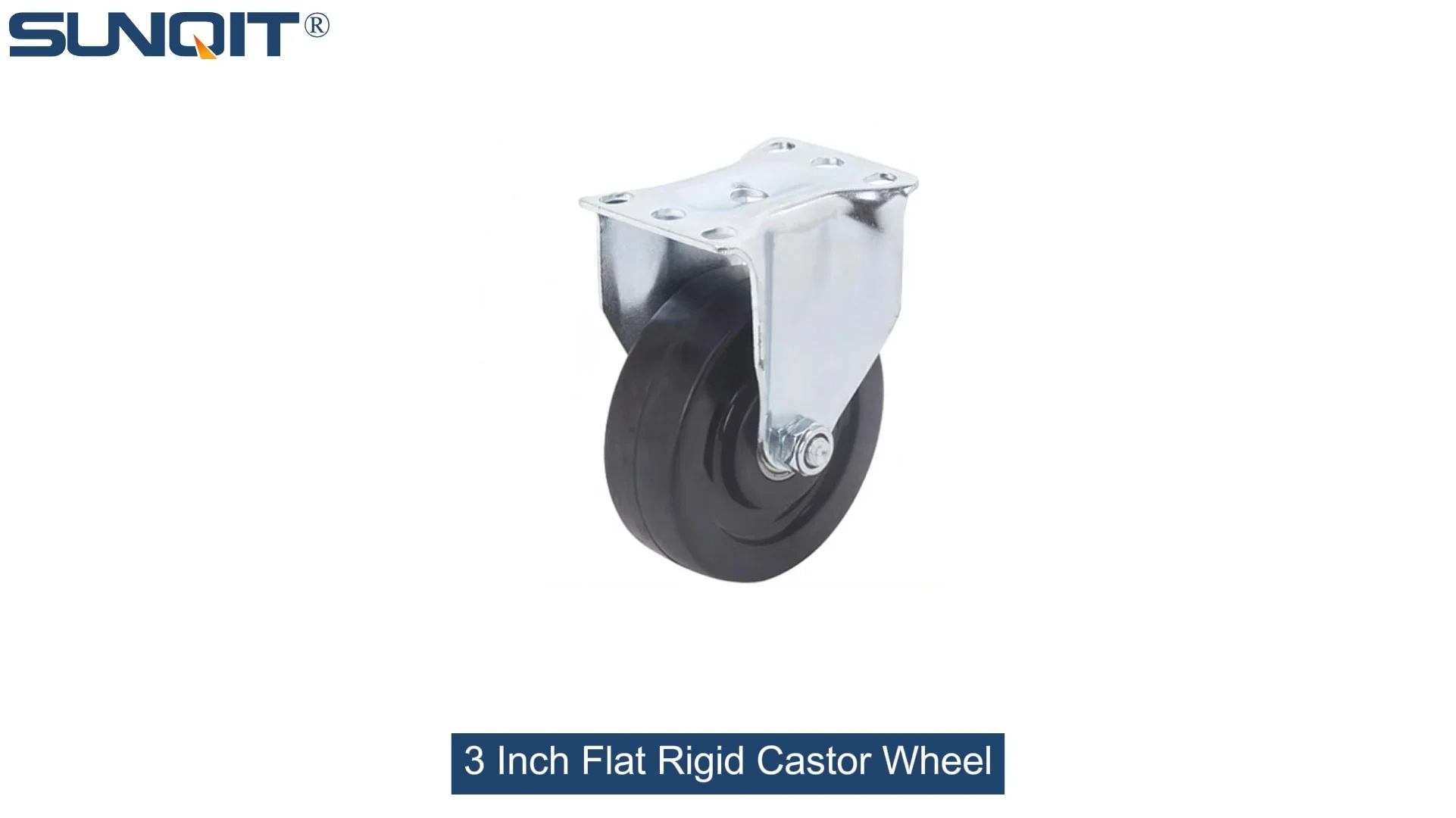
Flat Rigid Castor Wheel
Chair Casters Ball Bearing Wheels Rubber Base. Resistant to abrasion, impact and corrosion. Heavy payload can hold 70Kgs per pcs,which can make it works at a stable and smooth status.
Introduction: The Unsung Heroes of Medical Mobility
In the bustling environment of a hospital or clinic, every detail matters—from the precision of medical instruments to the cleanliness of patient rooms. Yet, one component that often flies under the radar is the humble caster wheel. Found on everything from medication carts and surgical tool trolleys to workbenches and turnover trolley and rack systems, these small but mighty wheels are the backbone of daily operations. They allow nurses to swiftly transport supplies, doctors to maneuver equipment, and staff to reorganize spaces to meet evolving needs. But beyond mobility, there's a critical concern: surface protection. Medical facilities invest heavily in high-quality flooring—linoleum, vinyl, and even hardwood—that's designed to be hygienic, slip-resistant, and easy to clean. When caster wheels fail to protect these surfaces, the consequences ripple far beyond cosmetic damage: scratches can harbor bacteria, uneven floors become trip hazards, and repair costs eat into already tight budgets. In this article, we'll dive into two common types of caster wheels—flat rigid castor wheels and polyurethane wheels—and explore how they stack up when it comes to safeguarding medical facility floors.
Understanding Flat Rigid Castor Wheels: Strengths and Shortcomings
Let's start with flat rigid castor wheels. As the name suggests, these wheels are built for sturdiness. Typically made from materials like solid steel, cast iron, or hard plastic, they feature a rigid, non-elastic structure with a flat contact surface. This design prioritizes durability and load-bearing capacity, making them a go-to choice for heavy-duty applications. In industrial settings, for example, they're often used on machinery that weighs thousands of pounds. But how do they perform in medical environments?
On the plus side, flat rigid castor wheels excel at handling heavy loads. A standard rigid wheel can easily support 500 pounds or more, which is appealing for equipment like mobile X-ray machines or large medication storage carts. They're also resistant to wear and tear from frequent use; unlike softer materials, they won't degrade quickly when exposed to cleaning chemicals or constant friction. For facilities with limited budgets, their low upfront cost might seem like a selling point too.
However, their strengths become liabilities when it comes to surface protection. The rigid, unyielding material means they don't absorb shock or distribute weight evenly. When rolled over uneven floors or small debris, they can "catch" and scrape the surface, leaving behind unsightly scratches or gouges. Imagine a nurse rushing a crash cart down a hallway—if the rigid wheels hit a loose tile edge, the sudden jolt could not only damage the floor but also rattle the equipment inside. Additionally, their flat design offers minimal traction, increasing the risk of slipping on smooth medical floors, especially when wet. And let's not forget noise: rigid wheels tend to clatter loudly, which can be disruptive in patient recovery areas or during overnight shifts.
Perhaps most concerning for medical settings is their impact on infection control. Scratches and grooves in flooring created by rigid wheels become breeding grounds for bacteria and viruses. Even with regular cleaning, these microscopic crevices are hard to sanitize, putting patients and staff at risk. Over time, repeated use of flat rigid castor wheels can turn a pristine floor into a patchwork of repairs, undermining the facility's commitment to safety and aesthetics.
On the plus side, flat rigid castor wheels excel at handling heavy loads. A standard rigid wheel can easily support 500 pounds or more, which is appealing for equipment like mobile X-ray machines or large medication storage carts. They're also resistant to wear and tear from frequent use; unlike softer materials, they won't degrade quickly when exposed to cleaning chemicals or constant friction. For facilities with limited budgets, their low upfront cost might seem like a selling point too.
However, their strengths become liabilities when it comes to surface protection. The rigid, unyielding material means they don't absorb shock or distribute weight evenly. When rolled over uneven floors or small debris, they can "catch" and scrape the surface, leaving behind unsightly scratches or gouges. Imagine a nurse rushing a crash cart down a hallway—if the rigid wheels hit a loose tile edge, the sudden jolt could not only damage the floor but also rattle the equipment inside. Additionally, their flat design offers minimal traction, increasing the risk of slipping on smooth medical floors, especially when wet. And let's not forget noise: rigid wheels tend to clatter loudly, which can be disruptive in patient recovery areas or during overnight shifts.
Perhaps most concerning for medical settings is their impact on infection control. Scratches and grooves in flooring created by rigid wheels become breeding grounds for bacteria and viruses. Even with regular cleaning, these microscopic crevices are hard to sanitize, putting patients and staff at risk. Over time, repeated use of flat rigid castor wheels can turn a pristine floor into a patchwork of repairs, undermining the facility's commitment to safety and aesthetics.

Polyurethane Wheels: The Gentle Giants of Surface Protection
Now, let's turn to polyurethane wheels. These wheels are crafted from polyurethane—a synthetic material known for its unique combination of flexibility and strength. Unlike rigid wheels, polyurethane wheels have a soft, elastic surface that acts like a buffer between the wheel and the floor. Many are also designed with a core (often made of rubber, plastic, or aluminum) to enhance load capacity while maintaining flexibility. This dual structure makes them a popular choice in settings where surface protection is paramount—including hospitals, clinics, and laboratories.
The key advantage of polyurethane wheels lies in their ability to "give" when in contact with the floor. The elastic material conforms slightly to the surface, distributing weight evenly and reducing pressure points. This means even when rolling over small obstacles or uneven areas, they're far less likely to scratch or scuff the floor. Think of it like the difference between walking in steel-toed boots versus running shoes—one protects the wearer, the other protects the ground.
Another benefit is noise reduction. Polyurethane's soft texture muffles the sound of rolling, making them ideal for quiet zones like patient rooms or intensive care units (ICUs). A medication cart equipped with polyurethane wheels can glide down a hallway without waking a sleeping patient, a small but meaningful improvement in patient comfort.
Traction is another area where polyurethane wheels shine. Their slightly textured surface provides better grip on smooth medical floors, reducing the risk of slips and falls—even when floors are freshly mopped. This is crucial in high-traffic areas like operating room corridors, where staff are often moving quickly with their hands full.
What about load capacity? While it's true that polyurethane wheels can't match the extreme weight limits of rigid steel wheels, modern formulations have closed the gap significantly. Many polyurethane wheels can support 300–400 pounds per wheel, which is more than enough for most medical equipment, including workbenches, IV carts, and turnover trolley and rack systems. Some heavy-duty polyurethane wheels even handle up to 1,000 pounds, making them versatile for a range of applications.
Maintenance is another plus. Polyurethane is resistant to most cleaning chemicals used in medical settings, from disinfectant wipes to industrial-grade floor cleaners. Unlike rubber wheels, they don't harden or crack over time, and their smooth surface is easy to wipe down, preventing the buildup of dirt and grime. When paired with quality caster accessories like sealed bearings, they require minimal upkeep—saving staff time and reducing replacement costs.
The key advantage of polyurethane wheels lies in their ability to "give" when in contact with the floor. The elastic material conforms slightly to the surface, distributing weight evenly and reducing pressure points. This means even when rolling over small obstacles or uneven areas, they're far less likely to scratch or scuff the floor. Think of it like the difference between walking in steel-toed boots versus running shoes—one protects the wearer, the other protects the ground.
Another benefit is noise reduction. Polyurethane's soft texture muffles the sound of rolling, making them ideal for quiet zones like patient rooms or intensive care units (ICUs). A medication cart equipped with polyurethane wheels can glide down a hallway without waking a sleeping patient, a small but meaningful improvement in patient comfort.
Traction is another area where polyurethane wheels shine. Their slightly textured surface provides better grip on smooth medical floors, reducing the risk of slips and falls—even when floors are freshly mopped. This is crucial in high-traffic areas like operating room corridors, where staff are often moving quickly with their hands full.
What about load capacity? While it's true that polyurethane wheels can't match the extreme weight limits of rigid steel wheels, modern formulations have closed the gap significantly. Many polyurethane wheels can support 300–400 pounds per wheel, which is more than enough for most medical equipment, including workbenches, IV carts, and turnover trolley and rack systems. Some heavy-duty polyurethane wheels even handle up to 1,000 pounds, making them versatile for a range of applications.
Maintenance is another plus. Polyurethane is resistant to most cleaning chemicals used in medical settings, from disinfectant wipes to industrial-grade floor cleaners. Unlike rubber wheels, they don't harden or crack over time, and their smooth surface is easy to wipe down, preventing the buildup of dirt and grime. When paired with quality caster accessories like sealed bearings, they require minimal upkeep—saving staff time and reducing replacement costs.

Surface Protection in Medical Settings: Why It Can't Be Ignored
To truly appreciate the importance of wheel choice, let's zoom in on why surface protection matters so much in medical environments. First and foremost, flooring is a significant investment. A single hospital floor can cost $5–$15 per square foot to install, and replacing or repairing damaged sections can add up quickly. For a large facility with 100,000 square feet of flooring, even minor scratches could translate to tens of thousands of dollars in repairs over a decade.
Beyond cost, there's the issue of safety. Damaged floors are a tripping hazard. A deep scratch or uneven patch could cause a nurse to stumble while carrying a patient, or a surgeon to lose balance on the way to an emergency. In worst-case scenarios, these accidents can lead to injuries, lawsuits, or even medical errors. Slippery floors, often a result of rigid wheels tracking debris or moisture, are equally dangerous. The Centers for Disease Control and Prevention (CDC) reports that slips and falls are among the most common workplace injuries in healthcare, accounting for 25% of all non-fatal injuries. Choosing wheels that minimize these risks isn't just about protecting floors—it's about protecting people.
Infection control is another critical factor. Medical floors are designed to be non-porous and easy to sanitize, but scratches create porous surfaces where bacteria, fungi, and viruses can hide. Pathogens like MRSA or C. difficile thrive in these hard-to-clean areas, increasing the risk of healthcare-associated infections (HAIs). HAIs affect millions of patients each year, leading to longer hospital stays, higher mortality rates, and increased healthcare costs. By preventing floor damage, facilities can maintain a cleaner, safer environment for everyone.
Finally, there's the matter of patient perception. A hospital with chipped, scratched floors may give patients the impression of neglect, even if the medical care is top-notch. On the other hand, a facility with well-maintained, smooth floors signals attention to detail and a commitment to excellence—factors that contribute to patient satisfaction and trust.
Beyond cost, there's the issue of safety. Damaged floors are a tripping hazard. A deep scratch or uneven patch could cause a nurse to stumble while carrying a patient, or a surgeon to lose balance on the way to an emergency. In worst-case scenarios, these accidents can lead to injuries, lawsuits, or even medical errors. Slippery floors, often a result of rigid wheels tracking debris or moisture, are equally dangerous. The Centers for Disease Control and Prevention (CDC) reports that slips and falls are among the most common workplace injuries in healthcare, accounting for 25% of all non-fatal injuries. Choosing wheels that minimize these risks isn't just about protecting floors—it's about protecting people.
Infection control is another critical factor. Medical floors are designed to be non-porous and easy to sanitize, but scratches create porous surfaces where bacteria, fungi, and viruses can hide. Pathogens like MRSA or C. difficile thrive in these hard-to-clean areas, increasing the risk of healthcare-associated infections (HAIs). HAIs affect millions of patients each year, leading to longer hospital stays, higher mortality rates, and increased healthcare costs. By preventing floor damage, facilities can maintain a cleaner, safer environment for everyone.
Finally, there's the matter of patient perception. A hospital with chipped, scratched floors may give patients the impression of neglect, even if the medical care is top-notch. On the other hand, a facility with well-maintained, smooth floors signals attention to detail and a commitment to excellence—factors that contribute to patient satisfaction and trust.

Key Factors to Consider When Choosing Between the Two
So, how do you decide between flat rigid castor wheels and polyurethane wheels for your medical facility? It comes down to balancing four key factors: load capacity, floor type, mobility needs, and long-term costs.
Load Capacity: Start by assessing the weight of the equipment the wheels will support. If you're moving ultra-heavy machinery—like a mobile MRI unit or a large oxygen tank cart—flat rigid castor wheels might still be necessary, though you should explore heavy-duty polyurethane options first. For most standard equipment (workbenches, IV poles, turnover trolley and rack systems), polyurethane wheels will offer more than enough support.
Floor Type: Consider the flooring material in your facility. Vinyl and linoleum floors are softer and more prone to scratching, making polyurethane wheels a better choice. Hardwood or polished concrete floors may be more durable, but they still benefit from the shock absorption of polyurethane. If your facility has carpeted areas (rare in medical settings but possible in offices), rigid wheels could snag fibers, while polyurethane wheels roll smoothly without damage.
Mobility Needs: How often is the equipment moved? For carts that are constantly in use—like medication trolleys or surgical tool carts—polyurethane wheels' quiet, smooth roll and traction are invaluable. For stationary equipment that's rarely moved (e.g., a fixed workbench), rigid wheels might be acceptable, but remember: even occasional movement can cause damage over time.
Long-Term Costs: While flat rigid castor wheels may have a lower upfront cost, they often cost more in the long run due to floor repairs, replacement frequency (if they damage equipment from jostling), and infection control risks. Polyurethane wheels, with their surface protection benefits and durability, tend to offer a better return on investment. When factoring in reduced repair bills, fewer accidents, and lower infection risks, the higher initial price tag is often justified.
Load Capacity: Start by assessing the weight of the equipment the wheels will support. If you're moving ultra-heavy machinery—like a mobile MRI unit or a large oxygen tank cart—flat rigid castor wheels might still be necessary, though you should explore heavy-duty polyurethane options first. For most standard equipment (workbenches, IV poles, turnover trolley and rack systems), polyurethane wheels will offer more than enough support.
Floor Type: Consider the flooring material in your facility. Vinyl and linoleum floors are softer and more prone to scratching, making polyurethane wheels a better choice. Hardwood or polished concrete floors may be more durable, but they still benefit from the shock absorption of polyurethane. If your facility has carpeted areas (rare in medical settings but possible in offices), rigid wheels could snag fibers, while polyurethane wheels roll smoothly without damage.
Mobility Needs: How often is the equipment moved? For carts that are constantly in use—like medication trolleys or surgical tool carts—polyurethane wheels' quiet, smooth roll and traction are invaluable. For stationary equipment that's rarely moved (e.g., a fixed workbench), rigid wheels might be acceptable, but remember: even occasional movement can cause damage over time.
Long-Term Costs: While flat rigid castor wheels may have a lower upfront cost, they often cost more in the long run due to floor repairs, replacement frequency (if they damage equipment from jostling), and infection control risks. Polyurethane wheels, with their surface protection benefits and durability, tend to offer a better return on investment. When factoring in reduced repair bills, fewer accidents, and lower infection risks, the higher initial price tag is often justified.
Real-World Impact: A Case Study
From Scratches to Savings: How One Hospital Improved Surface Protection
Let's look at a real example. A mid-sized hospital in the Midwest was struggling with frequent floor repairs in its emergency department. Nurses and staff were using crash carts, supply trolleys, and workbenches equipped with flat rigid castor wheels. Over two years, the department spent over $20,000 on fixing scratches and replacing damaged vinyl flooring. Patient satisfaction scores also flagged complaints about noise from clattering wheels during overnight shifts.
The facility's operations manager decided to test a switch to polyurethane wheels on 10 high-use carts, including three turnover trolley and rack systems used for linen transport. Within six months, the results were clear: floor scratches decreased by 75%, and the department avoided $8,000 in repair costs. Staff reported quieter, smoother movement of equipment, and patient feedback about noise improved significantly. Encouraged by these outcomes, the hospital expanded the switch to all patient care areas, resulting in an estimated annual savings of $35,000 on flooring repairs alone.
This case study illustrates a simple truth: choosing the right caster wheel isn't just about mobility—it's about protecting your facility's most critical assets, including its floors, budget, and reputation.
The facility's operations manager decided to test a switch to polyurethane wheels on 10 high-use carts, including three turnover trolley and rack systems used for linen transport. Within six months, the results were clear: floor scratches decreased by 75%, and the department avoided $8,000 in repair costs. Staff reported quieter, smoother movement of equipment, and patient feedback about noise improved significantly. Encouraged by these outcomes, the hospital expanded the switch to all patient care areas, resulting in an estimated annual savings of $35,000 on flooring repairs alone.
This case study illustrates a simple truth: choosing the right caster wheel isn't just about mobility—it's about protecting your facility's most critical assets, including its floors, budget, and reputation.
Flat Rigid Castor Wheels vs Polyurethane Wheels: A Side-by-Side Comparison
To summarize the key differences, let's compare the two wheel types across essential categories:
| Feature | Flat Rigid Castor Wheels | Polyurethane Wheels |
|---|---|---|
| Material | Solid steel, cast iron, or hard plastic | Elastic polyurethane (often with rubber/plastic core) |
| Surface Impact | High risk of scratches, gouges, and noise | Minimal impact; absorbs shock and distributes weight evenly |
| Load Capacity | Very high (500+ lbs per wheel) | High (300–1,000 lbs per wheel, depending on design) |
| Noise Level | Loud, clattering sound | Quiet, smooth roll |
| Traction | Low; increased slip risk on smooth floors | High; better grip on wet or smooth surfaces |
| Maintenance | Prone to debris buildup in scratches; requires frequent cleaning | Smooth surface resists dirt; easy to wipe clean with standard disinfectants |
| Best For | Ultra-heavy, rarely moved equipment in industrial settings | Medical facilities, patient care areas, and high-traffic environments |
Conclusion: Prioritizing Protection Without Sacrificing Performance
In the fast-paced world of healthcare, every decision counts. When it comes to caster wheels, the choice between flat rigid castor wheels and polyurethane wheels is more than a matter of preference—it's a choice that impacts patient safety, facility budgets, and operational efficiency. While flat rigid castor wheels have their place in heavy-duty industrial settings, polyurethane wheels emerge as the clear winner for medical environments. Their ability to protect floors from scratches, reduce noise, improve traction, and lower long-term costs makes them an essential tool for any facility committed to excellence.
Whether you're outfitting a new hospital wing, upgrading existing equipment, or simply replacing worn caster wheels on a workbench or turnover trolley and rack, remember: the right wheels don't just move things—they protect what matters most. By investing in polyurethane wheels, you're not just preserving your floors; you're investing in a safer, quieter, and more efficient environment for patients, staff, and visitors alike.
Whether you're outfitting a new hospital wing, upgrading existing equipment, or simply replacing worn caster wheels on a workbench or turnover trolley and rack, remember: the right wheels don't just move things—they protect what matters most. By investing in polyurethane wheels, you're not just preserving your floors; you're investing in a safer, quieter, and more efficient environment for patients, staff, and visitors alike.