- Company Articles
- Products and Technology
- Product knowledge
- Flat Rigid Castor Wheels in Mechanical Manufacturing: Stability for Heavy Machinery

Flat Rigid Castor Wheels in Mechanical Manufacturing: Stability for Heavy Machinery
Related Product
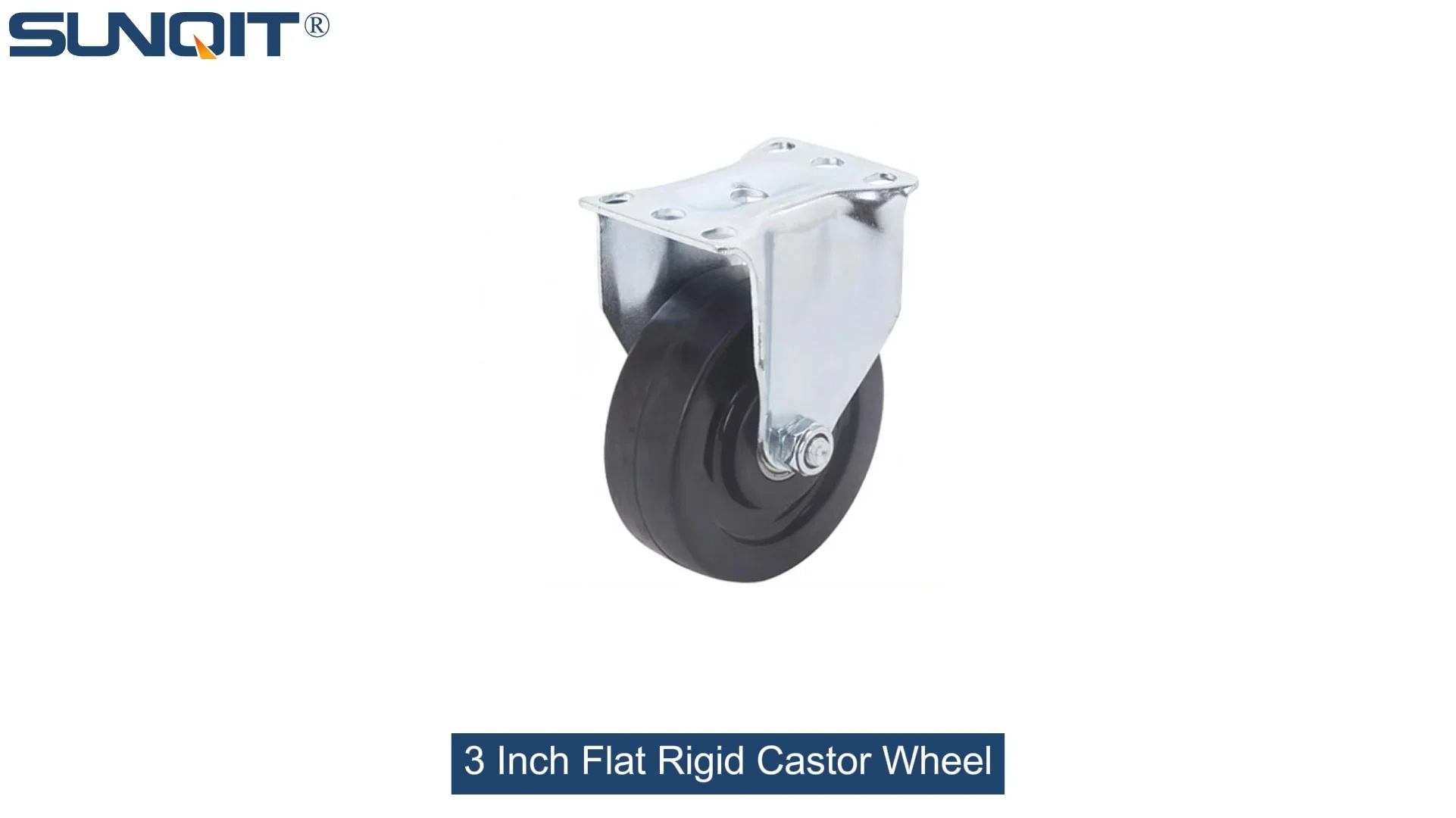
Flat Rigid Castor Wheel
Chair Casters Ball Bearing Wheels Rubber Base. Resistant to abrasion, impact and corrosion. Heavy payload can hold 70Kgs per pcs,which can make it works at a stable and smooth status.
Walk into any bustling mechanical manufacturing plant, and you'll see a symphony of motion: workers maneuvering material racks, automated systems transporting components, and heavy workbenches shifting between production stations. Amidst the clatter of machinery and the hum of productivity, there's an unsung hero keeping everything grounded—literally. Flat rigid castor wheels might not grab headlines, but for anyone tasked with moving heavy machinery, they're the quiet backbone of stability, efficiency, and safety. In a world where even a small wobble can disrupt workflows, damage equipment, or put workers at risk, these unassuming components play a critical role in keeping manufacturing floors running smoothly. Let's dive into why flat rigid castor wheels are indispensable for heavy machinery, how they work, and why choosing the right ones can transform your operations.
What Are Flat Rigid Castor Wheels, Anyway?
Before we get into their impact, let's clarify what sets flat rigid castor wheels apart. Unlike their swiveling counterparts, which rotate 360 degrees for tight turns, rigid castors are fixed in place—they only move forward and backward along a straight path. The "flat" in their name refers to the wheel's tread, which sits flush against the floor, creating a larger contact area than rounded or concave wheels. This combination of rigidity and flat design makes them ideal for scenarios where stability trumps maneuverability, especially when dealing with extreme weights.
At their core, every flat rigid castor wheel has a few key components: the wheel itself (made from materials like polyurethane, steel, or rubber), a rigid bracket that holds the wheel in place (no swivel joint here), an axle that connects the wheel to the bracket, and a mounting plate that attaches the entire assembly to the equipment—think workbenches, material racks, or turnover trolleys. Sometimes, you'll also find caster accessories that enhance functionality, like locking mechanisms (though less common on rigid models) or reinforced mounting hardware for extra security under heavy loads.
But why "rigid"? In manufacturing, when you're moving a 5,000-pound workbench loaded with precision tools, the last thing you want is unpredictability. Swivel casters, while flexible, can sway or pivot unexpectedly under heavy weights, leading to instability. Rigid castors eliminate that risk by keeping the movement linear. Pair that with a flat tread, which distributes weight evenly across the floor, and you've got a recipe for rock-solid stability.
Key Features That Make Flat Rigid Castor Wheels a Must for Heavy Machinery
Not all castor wheels are built the same, and when it comes to heavy machinery, the difference between a "good" and "great" castor can mean the difference between seamless operations and costly downtime. Here are the features that make flat rigid castor wheels stand out in industrial settings:
1. Unmatched Load Capacity
Heavy machinery doesn't just "weigh a lot"—we're talking tons. A typical flat rigid castor wheel is engineered to handle loads ranging from 500 pounds to over 10,000 pounds per wheel, depending on size, material, and construction. Steel-reinforced brackets, thick axles, and high-strength wheel cores (like cast iron or aluminum) are standard here. For example, a 6-inch steel flat rigid castor might easily support 3,000 pounds, making it perfect for large material racks or industrial workbenches.
2. Durable Materials for Tough Environments
Manufacturing floors are harsh places: concrete surfaces, oil spills, metal shavings, and constant use take a toll. Flat rigid castor wheels are built to withstand this abuse, with wheel materials chosen for durability and performance. Let's break down the most common options:
| Wheel Material | Typical Load Capacity (per wheel) | Durability | Noise Level | Best For |
|---|---|---|---|---|
| Polyurethane | 500–3,000 lbs | High (resists oil, chemicals, and abrasion) | Low (quiet on concrete) | Floors prone to scratches (e.g., polished concrete or tile) |
| Steel | 2,000–10,000+ lbs | Extremely High (ideal for rough surfaces) | High (loud on hard floors) | Heavy machinery in rugged environments (e.g., foundries, steel mills) |
| Rubber | 500–2,000 lbs | Moderate (good shock absorption, but less resistant to oil) | Very Low (gentle on floors) | Indoor use with lighter loads (e.g., assembly line workbenches) |
| Nylon | 1,000–4,000 lbs | High (resists wear and chemicals) | Moderate | General industrial use, especially in cleanrooms or food processing (food-grade options available) |
Each material has its niche, but the takeaway is clear: flat rigid castor wheels are designed to last, even in the toughest conditions. For example, a steel wheel might handle the grit of a metalworking shop, while a polyurethane wheel would protect a polished concrete floor in a electronics manufacturing plant.
3. Flat Tread Design: Stability by the Numbers
Ever tried balancing a heavy box on a round pencil versus a flat board? The board is easier because it spreads the weight. The same principle applies to castor wheels. A flat tread has a larger surface area in contact with the floor compared to a rounded or V-shaped tread, which means weight is distributed more evenly. This reduces stress on both the floor and the wheel itself, minimizing the risk of cracks, dents, or wheel failure. For heavy machinery, this isn't just about comfort—it's about safety. A larger contact area also improves traction, which is crucial when moving loads over slightly uneven floors (a common issue in older factories).
4. Rigid Bracket Construction: No Surprises
The bracket is the "backbone" of the castor, and on flat rigid models, it's built to be unyielding. Unlike swivel brackets, which have ball bearings or raceways that allow rotation, rigid brackets are fixed—welded or bolted into a straight line. This simplicity is a strength: fewer moving parts mean fewer things to break. Under heavy loads, a well-built rigid bracket won't bend or twist, ensuring the wheel stays aligned and the equipment moves predictably. For workers pushing or pulling heavy loads, this predictability is a game-changer—it reduces fatigue and the risk of accidents caused by sudden shifts in direction.

Why Mechanical Manufacturing Can't Afford to Skimp on Flat Rigid Castor Wheels
Stability is just the start. Flat rigid castor wheels deliver a host of benefits that ripple through every aspect of manufacturing operations, from workflow efficiency to bottom-line savings. Let's break down how they make a tangible difference:
1. Reduced Downtime (and Headaches)
Imagine this: A worker is moving a loaded material rack across the shop floor when a swivel caster suddenly jams, causing the rack to tip. Not only does this damage the materials inside, but it also halts production while the mess is cleaned up and the caster is replaced. Now, picture the same scenario with flat rigid castor wheels: the movement is smooth, straight, and predictable. No jams, no tipping, no downtime. In manufacturing, where every minute counts, this reliability translates to consistent workflows and fewer disruptions.
Even minor issues, like a wobbly castor causing vibrations in a workbench, can lead to problems. Precision tools need stable surfaces to function—if the bench shakes, parts get misaligned, leading to defects and rework. Flat rigid castors eliminate that vibration, ensuring tools stay accurate and products meet quality standards.
2. Safer Work Environments
Safety is non-negotiable in manufacturing, and flat rigid castor wheels play a quiet but vital role here. Their stability reduces the risk of equipment tipping, which is a leading cause of workplace injuries. A study by the Occupational Safety and Health Administration (OSHA) found that overexertion and falls from unstable equipment account for a significant portion of manufacturing accidents. By keeping heavy loads grounded and movement predictable, flat rigid castors help cut down on these incidents.
They also protect floors, which might not seem like a safety issue at first glance—but cracked or damaged floors are trip hazards. A flat tread distributes weight evenly, reducing the risk of indentations or cracks in concrete, especially under repeated use. In short, safer castors mean safer floors, safer workers, and fewer liability concerns.
3. Lean System Alignment: Waste Less, Do More
Lean manufacturing is all about eliminating waste—whether it's time, materials, or effort. Flat rigid castor wheels align perfectly with this philosophy. By making it easier to move heavy equipment, they reduce the time and energy workers spend on material handling. For example, a workbench that glides smoothly on rigid castors can be repositioned in minutes, allowing teams to reconfigure production lines quickly to meet changing demand. This flexibility is key to adapting to lean principles like "just-in-time" production, where materials and tools need to be exactly where they're needed, exactly when they're needed.
They also minimize waste from damaged goods. When equipment moves steadily, there's less risk of parts shifting, colliding, or falling off. In industries like automotive or aerospace, where even a small scratch can render a part useless, this is a huge cost-saver. Plus, durable castors last longer, reducing the need for frequent replacements—a form of "waste reduction" in itself.

Where You'll Find Flat Rigid Castor Wheels Hard at Work
Flat rigid castor wheels aren't one-trick ponies—they're versatile enough to support a wide range of equipment in manufacturing settings. Here are some of the most common applications:
1. Workbenches: The Heart of the Shop Floor
Workbenches are where the magic happens—assembly, inspection, repairs—and they're often loaded with tools, parts, and machinery. A heavy-duty workbench (like the "Workbench E (single deck-without caster)" mentioned in industrial catalogs) might weigh 1,000 pounds empty; add tools and materials, and you're easily pushing 2,000 pounds or more. Flat rigid castor wheels turn these stationary workhorses into mobile assets, allowing workers to position them exactly where they're needed. Whether it's moving a bench to a new assembly line or repositioning it for better access to materials, rigid castors ensure the bench stays stable during use and movement.
2. Material Racks: Moving Inventory Without the Stress
Material racks, like the "Material Rack B (3 row and 3 floor)" designed to hold bins of parts, can become extremely heavy when fully loaded. Trying to move one with flimsy casters is a recipe for frustration—and potential disaster. Flat rigid castors make it possible to transport these racks safely, even over long distances. In warehouses or distribution centers, they're often paired with tow lines or forklifts to move multiple racks at once, streamlining the flow of materials from storage to production.
3. Turnover Trolleys: From Station to Station, Smoothly
Turnover trolleys are the "delivery trucks" of the manufacturing floor, shuttling parts between stations. A fully loaded trolley might carry hundreds of pounds of components, and any instability here could lead to jostling, damage, or delays. Flat rigid castors ensure the trolley moves in a straight line, even when loaded to capacity, making it easier for workers to push or pull without straining. They're especially useful in facilities with long, straight aisles, where maneuverability isn't as critical as stability.
4. Heavy Machinery Bases: Keeping Giants Grounded
Even large, stationary machines sometimes need to move—for maintenance, deep cleaning, or reconfiguration. Flat rigid castor wheels with ultra-high load capacities (think 10,000+ pounds per wheel) are used here to lift and transport equipment like presses, lathes, or CNC machines. Their rigidity ensures the machine stays level during movement, protecting delicate internal components from damage.

How to Choose the Right Flat Rigid Castor Wheels for Your Needs
Not all flat rigid castor wheels are created equal, and choosing the wrong ones can lead to premature wear, instability, or even accidents. Here's what to keep in mind when shopping around:
1. Calculate the Total Load (and Then Some)
Start with the basics: How much weight will the castors need to support? This includes the weight of the equipment itself plus the maximum load it will carry. Once you have that number, divide it by the number of castors (most equipment uses 4) to get the per-wheel load. But don't stop there—add a 30% "safety buffer" to account for uneven loading, sudden impacts, or future needs (you might upgrade the equipment later). For example, if your total load is 4,000 pounds, 4 castors would need to handle 1,000 pounds each—so aim for castors rated at 1,300 pounds or more per wheel.
2. Consider Your Floor Type
Your floors will dictate the best wheel material. If you have polished concrete or tile, a soft material like polyurethane will prevent scratches. For rough concrete or outdoor use, steel or nylon is better for durability. If noise is a concern (e.g., in a facility with nearby offices), rubber or polyurethane will keep things quieter than steel.
3. Think About the Environment
Is your facility wet (e.g., a food processing plant), dusty (e.g., a woodworking shop), or corrosive (e.g., a chemical plant)? Choose materials that can handle these conditions. Stainless steel brackets resist rust in wet environments, while sealed bearings (if applicable) keep dust out in dry settings. Some wheel materials, like polyurethane, are also resistant to oils and chemicals, making them ideal for automotive or machinery shops.
4. Don't Overlook Mounting
The castor is only as strong as its connection to the equipment. Make sure the mounting plate is compatible with your equipment's frame—bolt-on plates are standard, but some heavy-duty models might require welding. If you're retrofitting old equipment, check the thickness and material of the frame to ensure it can support the castor's mounting hardware.
When in doubt, consult a reputable caster supplier. They can help you assess your needs, recommend the right materials and load capacities, and even provide samples for testing. Remember: Investing in quality castors upfront will save you time, money, and headaches down the line.
Maintenance: Keeping Your Flat Rigid Castor Wheels Rolling Strong
Even the best castors need a little TLC to stay in top shape. Here's a quick maintenance checklist to extend their lifespan:
- Inspect regularly: Check for signs of wear, like cracks in the wheel, bent brackets, or loose axles. Do this monthly (or weekly for high-use equipment).
- Clean debris: Metal shavings, dirt, or small parts can get stuck in the wheel or axle, causing jams or uneven wear. Use a brush or compressed air to clean them out.
- Lubricate moving parts: While rigid castors have fewer moving parts than swivel models, the axle and wheel bearings (if sealed) might need lubrication. Use a grease gun with industrial-grade lubricant every 6 months.
- Tighten hardware: Bolts and nuts can loosen over time, especially under heavy loads. Check mounting plates and axle nuts regularly and tighten as needed.
- replace worn wheels promptly: If a wheel is cracked, flat-spotted, or showing excessive wear, replace it immediately. A single damaged castor can throw off the entire load, leading to instability.
Final Thoughts: The Small Component with a Big Impact
Flat rigid castor wheels might not be the most glamorous part of mechanical manufacturing, but they're undeniably essential. They're the reason heavy workbenches glide smoothly, material racks stay upright, and workers can focus on building quality products instead of struggling with unwieldy equipment. In a world where efficiency, safety, and lean system principles drive success, these unassuming components deliver in spades—stability, durability, and peace of mind.
So the next time you walk through a manufacturing plant, take a moment to look down. Chances are, the flat rigid castor wheels rolling quietly beneath the equipment are the unsung heroes keeping everything moving forward. And if you're in the market for new castors? Remember: Don't just buy wheels—invest in stability. Your workers, your equipment, and your bottom line will thank you.