- Company Articles
- Products and Technology
- Product knowledge
- Flat Swivel Castor Wheel Bearings: Ball vs. Roller Bearings Comparison

Flat Swivel Castor Wheel Bearings: Ball vs. Roller Bearings Comparison
Related Product
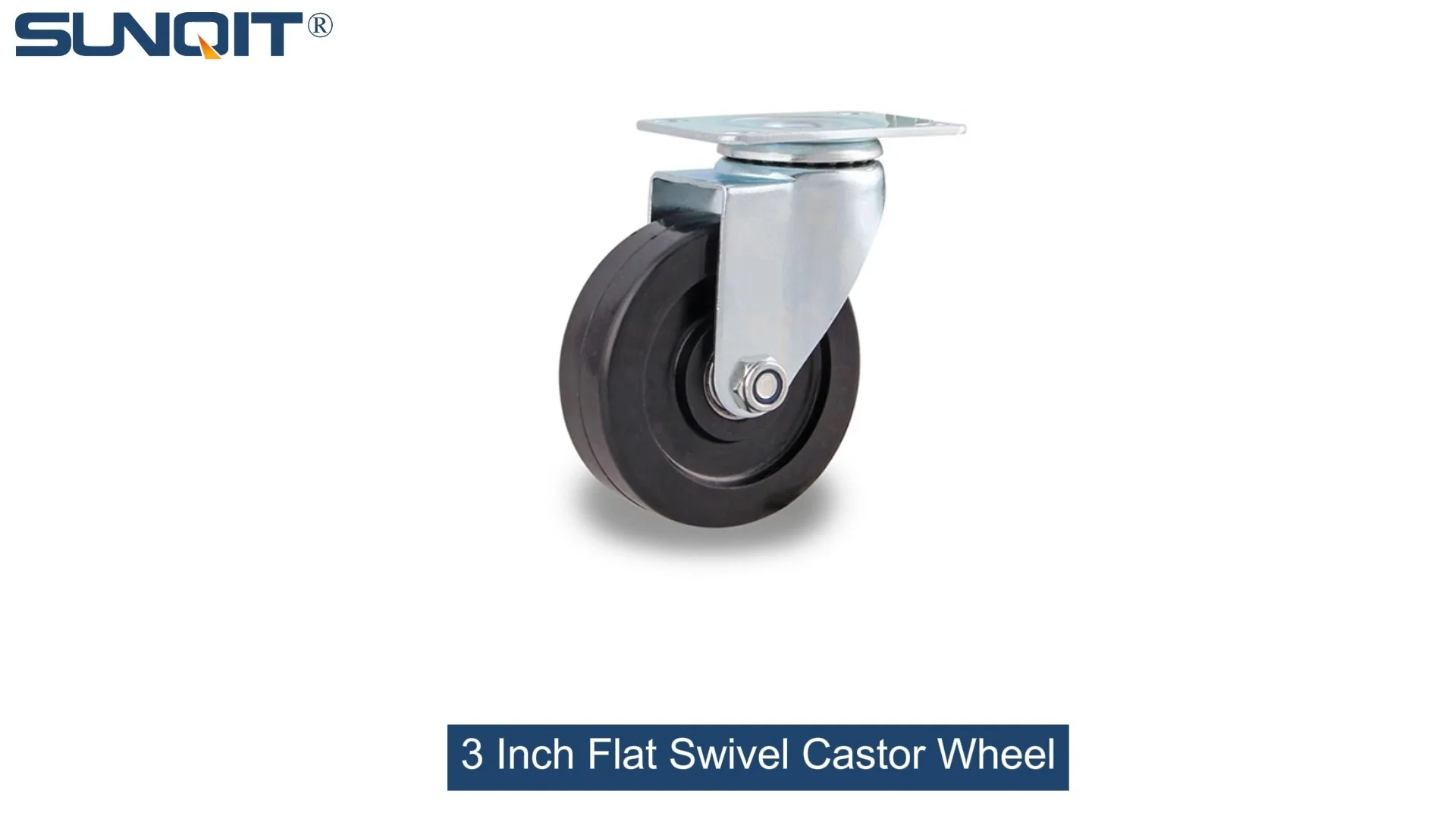
Flat Swivel Castor Wheel
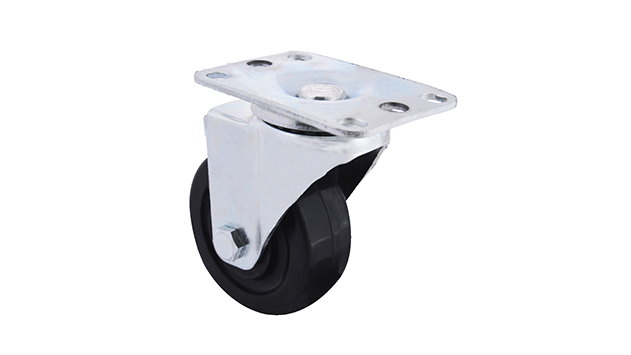
Chair Casters Ball Bearing Wheels Rubber Base. Resistant to abrasion, impact and corrosion. Heavy payload can hold 70-90Kgs per pcs,which can make it works at a stable and smooth status.
Picture this: You're in a busy warehouse, pushing a loaded cart across the floor. The cart glides smoothly, turning with ease as you navigate around pallets and equipment. Or maybe you've struggled with a stiff, squeaky office chair that takes extra effort to move. What makes the difference between these two experiences? Often, it comes down to the caster wheel —specifically, the bearings inside it. For anyone who relies on mobility in their workspace, whether it's a factory, hospital, or office, understanding the components that keep things moving is key. Today, we're diving deep into the heart of flat swivel castor wheel performance: the battle between ball bearings and roller bearings. By the end, you'll know which one deserves a spot in your equipment—and why.
The Unsung Heroes: Bearings in Flat Swivel Castor Wheels
Before we compare ball and roller bearings, let's take a step back. What even are bearings, and why do they matter in castor wheels? Think of bearings as the "middlemen" between the wheel and the axle. Their job is simple but critical: reduce friction between moving parts, support the weight of the load, and allow the wheel to rotate smoothly. Without bearings, the wheel would rub directly against the axle, creating so much friction that moving even a light load would feel like pushing a boulder. Over time, that friction would wear down both the wheel and axle, leading to frequent replacements and downtime.
In flat swivel castor wheel design, bearings are especially important. Unlike fixed castors, which only roll forward and backward, swivel castors rotate 360 degrees, requiring bearings that can handle both radial (side-to-side) and axial (thrust) loads. The right bearing doesn't just make movement easier—it also extends the life of the castor, reduces noise, and minimizes the risk of breakdowns. So, when choosing between ball and roller bearings, it's not just about "which is better"—it's about "which is better for your needs."
Ball Bearings: The Speedy Lightweights
How Do Ball Bearings Work?
Ball bearings are the most common type you'll find in everyday caster wheel applications. Their design is elegantly simple: a set of small, smooth metal balls (usually steel or ceramic) trapped between two circular rings called "races." The inner race attaches to the axle, while the outer race is embedded in the wheel. As the wheel turns, the balls roll between the races, converting sliding friction into rolling friction—a much more efficient process.
The key here is "point contact." Each ball touches the races at a single point, which minimizes the surface area in contact and thus reduces friction. This design allows ball bearings to spin quickly and smoothly, even at high speeds. They're also compact, making them ideal for castors where space is limited—like the ones on your office chair or a lightweight utility cart.
Pros of Ball Bearings in Flat Swivel Castors
1. Low Friction, High Speed: Thanks to their point contact design, ball bearings generate less heat and friction than many other bearing types. This makes them perfect for applications where the castor needs to move quickly or frequently, such as conveyor systems or medical carts that zip between hospital rooms.
2. Compact and Versatile: Ball bearings are small and lightweight, so they fit into tight spaces without adding bulk to the castor. This versatility means they're used in everything from tiny furniture castors to mid-sized warehouse carts.
3. Smooth, Quiet Operation: When properly lubricated, ball bearings produce very little noise. This is a big plus in environments like offices, libraries, or hospitals, where excess noise can be disruptive.
4. Cost-Effective: Ball bearings are mass-produced, which keeps their cost low. For budget-conscious buyers or applications with light to medium loads, they offer excellent value for money.
Cons of Ball Bearings in Flat Swivel Castors
1. Limited Load Capacity: The point contact that reduces friction also limits how much weight ball bearings can handle. Under heavy loads, the small contact area can cause the balls to deform or the races to crack. For example, a ball bearing castor might struggle with a 500kg pallet, whereas a roller bearing could handle it with ease.
2. Sensitive to Misalignment: Ball bearings are picky about alignment. If the axle is bent or the wheel is installed crookedly, the balls can rub against the races unevenly, leading to premature wear and squeaking.
3. Less Shock Resistance: Sudden impacts—like hitting a curb or dropping a heavy load onto the cart—can damage ball bearings. The balls may chip or the races may dent, which ruins their smooth rotation.
Best Applications for Ball Bearings
Ball bearings shine in light to medium-duty scenarios where speed and smoothness are priorities. Think: office chairs, computer carts, medical equipment (like IV stands), and light warehouse trolleys carrying up to 200kg. They're also a top choice for environments where noise and precision matter—no one wants a squeaky cart disturbing a patient's rest or a wobbly chair disrupting a meeting.
Roller Bearings: The Heavy-Duty Workhorses
How Do Roller Bearings Work?
If ball bearings are the sprinters of the bearing world, roller bearings are the weightlifters. Instead of small balls, they use cylindrical, tapered, or spherical rollers—long, thin cylinders that roll between the inner and outer races. This design changes everything: instead of point contact, roller bearings have line contact with the races. That means more surface area to distribute weight, making them built for heavy loads.
Cylindrical roller bearings are the most common in castor wheels. They're straight, like tiny metal rods, and they excel at handling radial loads (weight from the side). Tapered roller bearings, with their cone-shaped rollers, handle both radial and axial loads, making them ideal for swivel castors that need to support heavy weights while turning. Spherical roller bearings, with rounded rollers, are even more flexible—they can tolerate misalignment and shock, making them a favorite in rough industrial settings.
Pros of Roller Bearings in Flat Swivel Castors
1. Superior Load Capacity: This is roller bearings' claim to fame. The line contact between rollers and races spreads the load over a larger area, allowing them to support much heavier weights than ball bearings. A single roller bearing can easily handle 500kg or more, making them essential for industrial carts, construction equipment, and heavy-duty warehouse dollies.
2. Shock and Impact Resistance: Roller bearings are tough. Their robust design can absorb sudden jolts—like a cart hitting a pothole or a load being dropped—without cracking or deforming. This durability is a game-changer in rough environments where equipment takes a beating.
3. Tolerates Misalignment: Unlike ball bearings, many roller bearings (especially spherical ones) can handle slight misalignment between the wheel and axle. This is a big advantage in settings where castors are installed by hand or where equipment gets knocked around, as it reduces wear and extends bearing life.
4. Longevity in Heavy Use: Because they distribute load evenly and resist wear, roller bearings last longer than ball bearings in high-stress applications. For businesses that can't afford downtime, this translates to fewer replacements and lower maintenance costs over time.
Cons of Roller Bearings in Flat Swivel Castors
1. Higher Friction, Slower Speeds: Line contact means more friction than ball bearings. This makes roller bearings less efficient at high speeds—they generate more heat and require more force to get moving. If you need a cart that zips around quickly, roller bearings might feel sluggish.
2. Bulkier Design: Roller bearings are larger and heavier than ball bearings, which can make the castor itself bigger and heavier. This is a problem if you're working with limited space or need lightweight equipment (like a portable tool cart).
3. Noisier Operation: The increased friction and larger moving parts can make roller bearings louder than ball bearings, especially under heavy loads. While lubrication helps, they're not the best choice for quiet environments.
4. Higher Cost: Roller bearings are more complex to manufacture than ball bearings, so they come with a higher price tag. For small businesses or light-duty needs, the extra cost might not be worth the benefits.
Best Applications for Roller Bearings
Roller bearings are the go-to for heavy-duty, industrial applications. Think: warehouse pallet jacks, construction site material carts, loading dock equipment, and manufacturing line trollies carrying metal parts or machinery. They're also ideal for outdoor use, where rough terrain and shock loads are common. If your cart regularly hauls 300kg or more, roller bearings are the reliable choice.

Ball vs. Roller Bearings: The Ultimate Comparison Table
| Feature | Ball Bearings | Roller Bearings |
|---|---|---|
| Load Capacity | Light to medium (up to ~200kg per wheel) | Medium to heavy (200kg to 1000kg+ per wheel) |
| Friction Level | Low (point contact reduces friction) | Higher (line contact increases friction) |
| Speed Performance | Excellent—ideal for high speeds | Good for low to moderate speeds; struggles at high speeds |
| Shock Resistance | Poor—sensitive to impacts and sudden loads | Excellent—handles shocks and heavy impacts well |
| Size & Weight | Compact and lightweight | Bulkier and heavier |
| Misalignment Tolerance | Low—requires precise alignment | High (especially spherical roller bearings) |
| Noise Level | Quiet (with proper lubrication) | Can be noisy under heavy loads |
| Cost | Budget-friendly | More expensive |
| Best For | Office chairs, medical carts, light trolleys, low-noise environments | Warehouse equipment, heavy carts, construction gear, rough terrain |

Real-World Scenarios: When to Choose Which?
Scenario 1: The Busy Hospital
A hospital uses medication carts that need to move quickly between floors, stop suddenly, and navigate tight corridors. Nurses can't afford to struggle with a stiff cart when responding to an emergency. Here, ball bearings make sense: they're smooth, quiet (so they don't disturb patients), and lightweight enough for easy maneuvering. The loads are moderate (medications, supplies), so ball bearings handle them without issue.
Scenario 2: The Manufacturing Plant
A car factory uses carts to transport heavy engine parts across the shop floor. These carts carry 500kg+ loads, roll over uneven concrete, and take hits from forklifts. Roller bearings are non-negotiable here. Their high load capacity and shock resistance ensure the carts last, even under daily abuse. Speed isn't a priority—safety and durability are.
Scenario 3: The Home Office
Your home office chair needs to swivel, roll smoothly on carpet, and not squeak during video calls. Ball bearings are perfect: they're cheap, quiet, and make it easy to glide from desk to printer. No need for heavy-duty roller bearings here—you're the only load, and the chair rarely leaves the room.
Beyond the Bearing: Other Factors That Matter
While bearings are critical, they're not the only thing to consider when choosing a flat swivel castor wheel . Here are a few more elements that impact performance:
Load Distribution
Even the best bearings can fail if the load isn't distributed evenly. A cart with four castors should spread its total weight across all four wheels. Overloading one corner (e.g., stacking all the weight on one side) puts extra stress on that wheel's bearing, leading to premature failure.
Environment
Dust, moisture, and chemicals can ruin bearings. In dirty environments (like construction sites), sealed bearings (either ball or roller) are a must—they keep debris out. In wet areas (like food processing plants), stainless steel bearings resist rust. For clean rooms, lubricant-free bearings prevent contamination.
Caster Accessories Matter Too
Don't overlook caster accessories like brakes, seals, and lubricants. A good brake keeps the cart stable when loaded, reducing unnecessary strain on the bearings. Seals protect bearings from dust and moisture, while the right lubricant (oil for ball bearings, grease for roller bearings) reduces friction and wear. Investing in quality accessories can extend bearing life by years.
Installation and Maintenance
Even the best bearing will fail if installed poorly. Misaligned axles, over-tightened nuts, or loose wheels all cause extra friction. Regular maintenance—cleaning bearings, replacing worn seals, and re-lubricating—keeps them running smoothly. For ball bearings, a drop of light machine oil every few months works. For roller bearings, a thick grease (applied with a grease gun) is better for high loads.
The Bottom Line: Which Bearing Should You Choose?
At the end of the day, there's no "better" bearing—only the right one for the job. Ask yourself these questions to decide:
- How much weight will the cart carry? Under 200kg? Go with ball bearings. Over 200kg? Roller bearings are safer.
- How fast does it need to move? High speeds (e.g., conveyor lines)? Ball bearings. Slow, steady movement (e.g., warehouse carts)? Roller bearings work.
- What's the environment like? Quiet, clean, and smooth? Ball bearings. Noisy, rough, or heavy-duty? Roller bearings.
- What's your budget? Tight budget? Ball bearings are cheaper. Willing to invest in durability? Roller bearings pay off long-term.
Remember, the goal is to balance performance, cost, and longevity. A flat swivel castor wheel with the right bearing won't just make your life easier—it'll save you time, money, and frustration down the line.
Final Thoughts: Moving Forward with Confidence
The next time you push a cart, swivel in your chair, or load a dolly, take a second to appreciate the bearings hard at work. Ball bearings and roller bearings each have their strengths, but they share a common purpose: to keep the world moving. By understanding their differences, you can choose the perfect caster wheel for your needs—whether you're running a hospital, a factory, or just trying to make your home office a little more functional.
So, are you Team Ball or Team Roller? Whatever you choose, here's to smoother rides, fewer squeaks, and carts that keep up with your pace.