- Company Articles
- Products and Technology
- Product knowledge
- Flat Swivel Castor Wheel Corrosion Resistance: Best Materials for Wet Environments

Flat Swivel Castor Wheel Corrosion Resistance: Best Materials for Wet Environments
Related Product
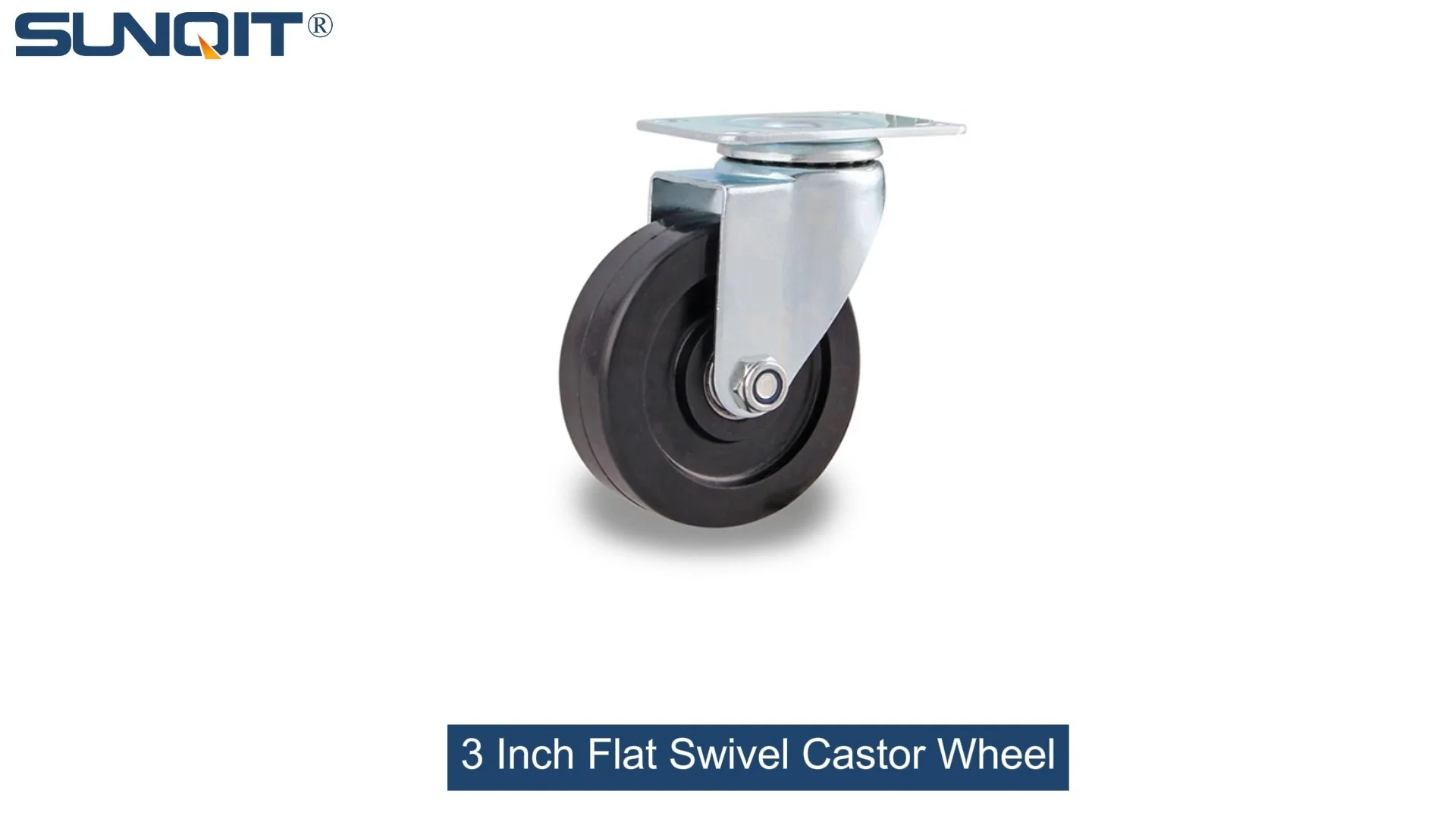
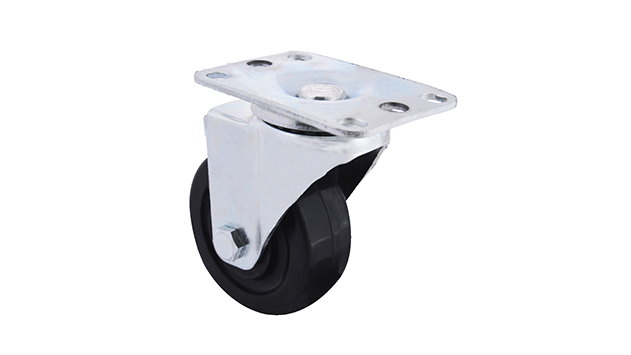
Flat Swivel Castor Wheel
Chair Casters Ball Bearing Wheels Rubber Base. Resistant to abrasion, impact and corrosion. Heavy payload can hold 70-90Kgs per pcs,which can make it works at a stable and smooth status.
Picture this: It's a Tuesday morning in a coastal seafood processing plant. The air smells of saltwater and fresh fish, and the floor is perpetually damp from hoses rinsing down workstations. Maria, a line supervisor, is trying to move a trolley stacked with ice-packed crates of shrimp. Normally, the trolley glides across the floor with ease, but today, it feels like dragging a boulder. She bends down to inspect the wheels and winces—rust has eaten through the metal rims, and the swivel joint is so corroded that it won't turn. "Again?" she sighs, knowing this means downtime while maintenance replaces the wheels. For businesses like this, where moisture is part of the daily routine, corroded caster wheels aren't just a nuisance—they're a threat to productivity, safety, and profits. The good news? With the right materials, flat swivel castor wheels can thrive in wet environments, resisting rust and keeping operations running smoothly. Let's dive into why corrosion matters, what makes a caster wheel resilient, and the best materials to choose for long-lasting performance.
1. The Hidden Cost of Corrosion: Why Wet Environments Wreak Havoc on Castor Wheels
Corrosion is more than just a cosmetic issue. When metal reacts with moisture and oxygen, it forms rust—a flaky, brittle substance that weakens the material from the inside out. For a flat swivel castor wheel, this can spell disaster. Imagine a hospital laundry cart with corroded wheels: the rust might flake off into clean linens, creating a contamination risk. Or a warehouse trolley where a rusted swivel joint suddenly locks, causing the trolley to tip and spill its load. Even minor corrosion can lead to sticky wheels, uneven rolling, and increased wear on floors—all of which add up to higher maintenance costs, lost time, and frustrated workers.
Take the example of a small brewery in the Pacific Northwest. Their production floor is always humid, thanks to steam from kettles and daily washdowns with hot water and sanitizers. For years, they used standard steel caster wheels on their ingredient carts. At first, the wheels worked fine, but within six months, rust began to appear. By the one-year mark, half the carts needed new wheels. The brewery was spending $500 a year on replacements, not to mention the 10+ hours of downtime each month while maintenance swapped out corroded parts. It wasn't until they switched to corrosion-resistant materials that the cycle broke. The lesson? Ignoring corrosion doesn't make it go away—it just makes it more expensive.
2. What Makes a Caster Wheel "Corrosion-Resistant"? The Key Factors
Not all caster wheels are created equal, especially when it comes to fighting off moisture. Three factors determine how well a wheel holds up in wet environments: material composition, design features, and protective coatings. Let's break them down.
Material Composition: The base material of the wheel and its components (like the swivel head or axle) is the first line of defense. Metals like plain carbon steel are cheap but prone to rust, while stainless steel or aluminum naturally resist corrosion. Even plastics, like polyurethane or nylon, can be excellent choices in certain wet settings.
Design Features: A wheel's shape and structure matter too. For example, wheels with sealed bearings prevent water from seeping into the joint and causing rust. Drainage holes in the swivel head allow moisture to escape instead of pooling. And smooth, non-porous surfaces make it harder for water and grime to cling, reducing the chance of corrosion starting in the first place.
Protective Coatings: Some wheels use coatings like zinc plating or powder coating to add a barrier between the metal and moisture. While these can help, they're not foolproof—scratches or chips in the coating can expose the underlying metal, leading to rust. For high-moisture areas, coatings work best as a backup, not the primary defense.
3. Best Materials for Wet Environments: Which Ones Actually Work?
Now, let's get to the heart of the matter: choosing materials that laugh in the face of moisture. After testing and real-world use, three materials rise to the top: stainless steel, aluminum, and engineered plastics. Each has its strengths, weaknesses, and ideal applications—let's explore them.
Stainless Steel: The Heavyweight Champion of Corrosion Resistance
When most people think of corrosion-resistant metal, stainless steel comes to mind—and for good reason. Stainless steel contains chromium, which forms a thin, invisible layer of chromium oxide on the surface. This layer acts like a shield, repairing itself if scratched and preventing rust from taking hold. But not all stainless steel is the same. The two most common grades for caster wheels are 304 and 316, and the difference matters.
304 Stainless Steel: Often called "food-grade stainless," 304 is the most widely used grade. It resists corrosion from water, mild chemicals, and everyday humidity, making it perfect for indoor wet environments like commercial kitchens, hospitals, or car washes. It's strong, durable, and affordable enough for most applications.
316 Stainless Steel: For harsher conditions—think saltwater, industrial chemicals, or outdoor use—316 is the better bet. It contains molybdenum, an alloy that boosts resistance to chloride corrosion (a common issue in coastal areas or pools). While pricier than 304, it's worth the investment for settings where failure isn't an option, like marine docks or chemical processing plants. Many suppliers even offer stainless steel pipe series components for caster frames, ensuring the entire wheel assembly (not just the rim) stands up to moisture.
The downside? Stainless steel is heavier than aluminum or plastic, which can make carts harder to maneuver if weight is a concern. It also conducts heat and cold, so in extreme temperatures, the wheels might feel hot or cold to the touch.
Aluminum: Lightweight and Rust-Free (With a Catch)
Aluminum is another popular choice for wet environments, and for good reason: it's lightweight, strong, and naturally corrosion-resistant. Like stainless steel, aluminum forms a protective oxide layer when exposed to air, stopping rust in its tracks. This makes it ideal for applications where mobility is key—think hospital beds, food service carts, or mobile workbenches in humid factories.
One of the biggest advantages of aluminum is its weight. An aluminum caster wheel can be up to 40% lighter than a stainless steel wheel of the same size, reducing strain on workers and making carts easier to push. It's also non-magnetic and non-sparking, which is a plus in environments with flammable materials.
But there's a catch: aluminum is softer than stainless steel, so it's more prone to dents or scratches. In settings with heavy loads or rough floors, the wheels might wear down faster. That's why many manufacturers pair aluminum with a harder outer layer, like polyurethane, to balance strength and corrosion resistance. Some even use aluminum profile frames for the caster's swivel head, combining the material's lightness with structural rigidity.
Engineered Plastics: Affordable, Versatile, and Corrosion-Proof
Plastics like polyurethane, nylon, and polypropylene aren't metals, but they're tough contenders in wet environments. Since they don't contain iron, they're 100% rust-proof—a huge plus for settings like dishwashers, outdoor patios, or pools. They're also lightweight, quiet (no metal-on-concrete clanging), and resistant to chemicals like detergents or bleach.
Polyurethane wheels, for example, are a favorite in food service. They're non-marking (so they won't scratch floors), easy to clean, and have good grip even on wet surfaces. Nylon wheels, on the other hand, are harder and more heat-resistant, making them better for high-temperature areas like commercial ovens or autoclave rooms.
The downside? Plastics can warp in extreme heat or crack in freezing temperatures. They also have lower load capacities than metal wheels—most plastic wheels top out at 500 lbs per wheel, compared to stainless steel's 2,000+ lbs. For light to medium loads, though, they're a cost-effective, low-maintenance option.
Material Showdown: Comparing the Best Options
| Material | Corrosion Resistance | Load Capacity (Per Wheel) | Durability (Wear & Tear) | Cost | Best For |
|---|---|---|---|---|---|
| 304 Stainless Steel | Excellent (resists water, mild chemicals) | 500–2,500 lbs | Very High (scratch-resistant, long lifespan) | Moderate-High | Food processing, hospitals, indoor wet areas |
| 316 Stainless Steel | Exceptional (resists saltwater, chlorides) | 500–3,000 lbs | Very High | High | Marine docks, coastal areas, chemical plants |
| Aluminum (with Polyurethane Tread) | Excellent (no rust, resists humidity) | 300–1,500 lbs | Medium-High (softer than steel, prone to dents) | Moderate | Hospital carts, mobile workbenches, light industrial |
| Polyurethane (Plastic Core) | Excellent (100% rust-proof) | 200–800 lbs | Medium (prone to warping in extreme temps) | Low-Moderate | Dishwashers, food service, light-duty indoor use |

3. Beyond Materials: Features That Boost Performance in Wet Environments
Even the best materials need a little help to thrive in truly harsh conditions. When shopping for flat swivel castor wheels, look for these design features to maximize corrosion resistance:
Sealed Bearings: Bearings are the "joints" of a caster wheel, allowing it to spin smoothly. In wet environments, unsealed bearings let water and debris seep in, leading to rust and jamming. Opt for wheels with double-sealed or shielded bearings—they keep moisture out while letting the wheel roll freely.
Drainage Holes: Look for swivel heads or wheel hubs with small drainage holes. These let water escape instead of pooling, reducing the chance of corrosion. A good rule of thumb: if you can't see where water would drain, ask the supplier—if they don't have an answer, move on.
Non-Marking Treads: In settings like hospitals or food prep areas, you don't just need corrosion resistance—you need wheels that won't leave scuff marks or black streaks on floors. Rubber or polyurethane treads are non-marking and provide extra grip on wet surfaces, reducing slips.
Flat Swivel Castor Wheel with Brake: Stability is key in wet environments, where floors can be slippery. A reliable brake mechanism prevents carts from rolling unexpectedly, even on damp surfaces. Look for brakes that are easy to engage with a foot pedal and made from corrosion-resistant materials (like stainless steel) to avoid jamming.

4. Maintenance Tips: Making Your Corrosion-Resistant Wheels Last Even Longer
Choosing the right material is the first step—but proper maintenance ensures your caster wheels stay corrosion-free for years. Here's how to keep them in top shape:
Clean Regularly: Wipe down wheels and swivel joints with a damp cloth to remove salt, chemicals, or grime. In high-moisture areas (like seafood plants), a weekly rinse with fresh water can prevent buildup.
Lubricate Smartly: Use a corrosion-resistant lubricant (like silicone or food-grade grease) on bearings and swivel mechanisms every 2–3 months. Avoid petroleum-based lubricants, which can attract dirt and degrade certain plastics.
Inspect for Damage: Check wheels monthly for cracks, dents, or worn treads. Even corrosion-resistant materials can fail if the protective oxide layer is scratched—repair or replace damaged parts promptly.
replace Worn Caster Accessories: Don't overlook small parts like axles, nuts, or washers. If these corrode, they can cause the entire wheel to fail. Many suppliers offer caster accessories like stainless steel axles or plastic washers designed to stand up to moisture.
5. Real-World Success Stories: When the Right Material Made All the Difference
Still on the fence about investing in corrosion-resistant caster wheels? Let's look at two businesses that reaped the rewards.
Case Study 1: A Coastal Restaurant Kitchen A family-owned seafood restaurant in Florida struggled with rusted caster wheels on their food prep carts for years. The kitchen was humid, and salt air from the nearby beach only made things worse. They switched to 316 stainless steel wheels with sealed bearings and drainage holes. Within six months, maintenance costs dropped by 75%, and the carts rolled so smoothly that prep time decreased by 15 minutes per shift. "We used to replace wheels every 3 months," said the head chef. "Now, they're going strong after two years—and they still look brand new."
Case Study 2: A Hospital Laundry Facility A large hospital in the Pacific Northwest needed caster wheels for their laundry carts, which were constantly exposed to hot water, detergent, and steam. Standard steel wheels rusted within weeks, and plastic wheels warped under the heat. The solution? Aluminum wheels with polyurethane treads and aluminum profile frames. The aluminum resisted corrosion, while the polyurethane stood up to high temperatures. "We haven't had a single wheel fail in over a year," said the facilities manager. "And the carts are so light, our staff can move them with one hand."
6. Choosing the Right Wheel for Your Space: A Quick Checklist
Ready to upgrade your caster wheels? Use this checklist to find the perfect match for your wet environment:
1. Assess the Environment: Is the area humid, wet, or exposed to salt/chemicals? (Coastal = 316 stainless steel; indoor humid = 304 stainless steel or aluminum.)
2. Calculate Load Capacity: How much weight will each wheel need to support? (Heavy loads = stainless steel; light/medium = aluminum or plastic.)
3. Check Floor Conditions: Are floors smooth (like tile) or rough (like concrete)? (Rough floors need durable materials like stainless steel; smooth floors can handle aluminum or plastic.)
4. Look for Key Features: Sealed bearings, drainage holes, and a flat swivel castor wheel with brake (for safety) are must-haves in wet areas.
5. Ask About Warranties: A good supplier will stand behind their corrosion-resistant wheels with a warranty—if they don't, it might be a red flag.
Conclusion: Invest in Corrosion Resistance, Reap the Rewards
Corrosion might seem like an unavoidable part of life in wet environments, but it doesn't have to be. By choosing the right materials—stainless steel for harsh conditions, aluminum for lightweight mobility, or plastics for affordability—you can keep your flat swivel castor wheels rolling smoothly for years. Add in smart design features like sealed bearings and drainage holes, and top it off with regular maintenance, and you'll transform a frustrating, costly problem into a non-issue.
Remember Maria from the seafood plant? After switching to 316 stainless steel wheels with sealed bearings, her trolleys glide across the damp floor without a creak. Downtime is a thing of the past, and the maintenance team has finally stopped dreading "rust duty." Your space might not process seafood, but the lesson applies: when it comes to caster wheels in wet environments, corrosion resistance isn't a luxury—it's an investment. And like all good investments, it pays off in saved time, money, and headaches.
So, the next time you're shopping for caster wheels, don't just look at the price tag. Look at the material. Ask about corrosion resistance. And imagine a world where your wheels roll as smoothly on day 1,000 as they did on day 1. That's the power of choosing right.