- Company Articles
- Products and Technology
- Product knowledge
- Flat Swivel Castor Wheel Lifespan: How Long Do They Last in Industrial Use?

Flat Swivel Castor Wheel Lifespan: How Long Do They Last in Industrial Use?
Related Product
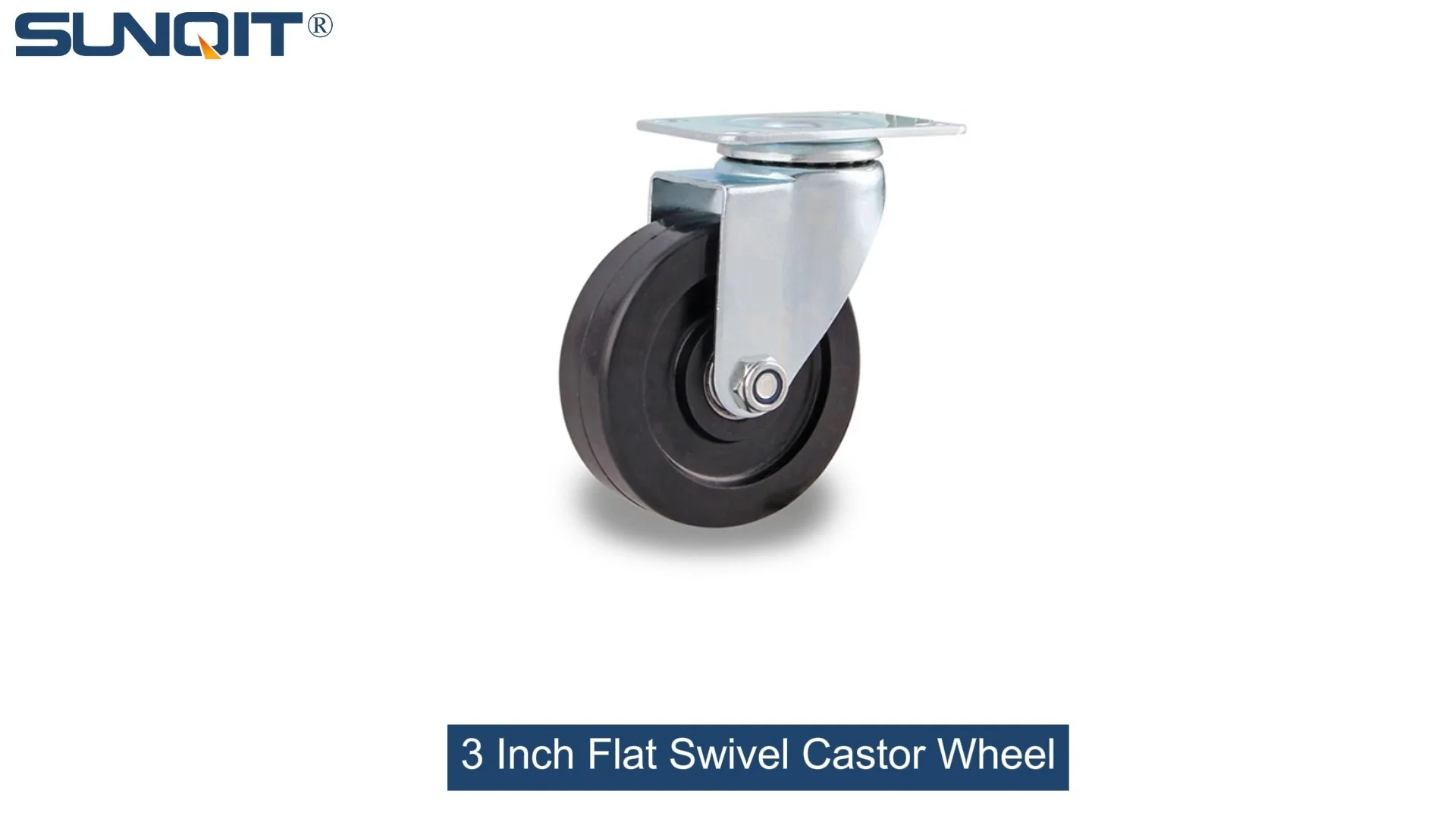
Flat Swivel Castor Wheel
Chair Casters Ball Bearing Wheels Rubber Base. Resistant to abrasion, impact and corrosion. Heavy payload can hold 70-90Kgs per pcs,which can make it works at a stable and smooth status.
Introduction: The Unsung Heroes of Industrial Efficiency
Walk through any factory, warehouse, or workshop, and you'll see them everywhere—quietly doing their job without much fanfare. Flat swivel castor wheels are the silent workhorses that keep industrial operations moving, quite literally. Whether it's a heavy-duty workbench gliding across the shop floor, a turnover trolley ferrying parts between assembly lines, or a material rack being repositioned to optimize workflow, these small but mighty components are the backbone of mobility in industrial settings. But here's the question that often gets overlooked until a wheel jams or a cart grinds to a halt: How long do flat swivel castor wheels actually last in the rough-and-tumble world of industrial use?
The answer isn't as simple as "X years" or "Y months." A flat swivel castor wheel's lifespan depends on a complex interplay of factors—from how it's made and how it's used to how well it's maintained. In this article, we'll dive deep into what determines the longevity of these critical components, share real-world insights, and offer practical tips to help you extend their service life. Because when your castor wheels fail, productivity grinds to a halt, downtime creeps in, and costs add up. Let's make sure that doesn't happen on your watch.
Understanding Flat Swivel Castor Wheels: More Than Just "Wheels"
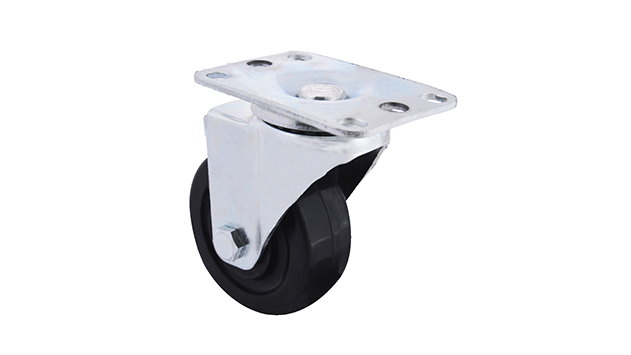
Before we talk about lifespan, let's clarify what we're dealing with. A flat swivel castor wheel isn't just a wheel bolted to a plate—it's a precision assembly of components working together. At its core is the wheel itself (often made of rubber, polyurethane, or steel), mounted on an axle, which is held in place by a fork or yoke. The swivel mechanism, typically a ball bearing or raceway, allows the wheel to rotate 360 degrees, making maneuvering heavy loads effortless. The "flat" part refers to the mounting plate, which attaches to the bottom of equipment like workbenches or trolleys, distributing weight evenly across the caster.
What makes these castors so indispensable in industrial settings? Their versatility. Unlike fixed castors, which only roll forward and backward, swivel castors let operators navigate tight corners, pivot loads, and reposition equipment with minimal effort. This flexibility is a game-changer in dynamic environments where layouts change frequently—think of a manufacturing plant reconfiguring assembly lines for a new product or a warehouse optimizing storage to meet seasonal demand.
Real-World Example:
A mid-sized electronics manufacturer recently reorganized its production floor to accommodate a new circuit board assembly line. Thanks to flat swivel castor wheels on their workbenches and material racks, the team was able to reposition equipment in hours instead of days—minimizing downtime and keeping production on track. Without reliable castors, this process would have required heavy machinery or manual labor, costing time and money.
Key Factors That Determine Lifespan: Why Some Castors Last 1 Year, Others 7
Now, let's get to the heart of the matter: What makes one flat swivel castor wheel last 12 months and another last 7 years? It all comes down to seven critical factors. Let's break them down one by one.
1. Load Capacity: Don't Overestimate (or Underestimate) the Weight
The single biggest enemy of castor wheel lifespan is overloading. Every flat swivel castor wheel comes with a rated load capacity—the maximum weight it's designed to support under normal conditions. Ignore this number, and you're asking for trouble. For example, a caster rated for 200kg per wheel might seem like it can handle a 400kg load if you use two castors, but that's a dangerous miscalculation. In reality, weight distribution isn't always even (especially when loads are unbalanced), so most manufacturers recommend a safety margin of 30-50%. That 200kg caster? It should really only carry 130-150kg in practice.
Overloading causes stress on the wheel, axle, and swivel mechanism. The wheel may flatten or crack, the bearings may seize, or the mounting plate may bend. Even if the caster doesn't fail immediately, overloading accelerates wear and tear, cutting lifespan by 50% or more. On the flip side, underloading isn't ideal either—casters designed for heavy loads may feel "clunky" with light loads, leading to uneven wear if the swivel mechanism isn't properly lubricated.
Case Study:
A automotive parts warehouse was using flat swivel castor wheels rated for 300kg per wheel on their material carts. The carts, which carried boxes of engine components, were regularly loaded with 450kg—50% over the rated capacity. Within 8 months, 70% of the castors had failed: wheels were cracked, axles bent, and swivel mechanisms locked up. After switching to castors rated for 600kg (with a 30% safety margin for 450kg loads), the failure rate dropped to less than 5% over 3 years. Lesson learned: Always match the caster to the actual load, not just the "rated" number.
2. Wheel Material: Rubber, Polyurethane, Steel—Which Wears Best?
The material of the wheel itself plays a huge role in how long it lasts. Industrial castor wheels are made from a range of materials, each with its own strengths and weaknesses. Let's compare the most common options:
- Polyurethane (PU): A popular choice for industrial settings, PU wheels offer a balance of durability, grip, and floor protection. They're resistant to oil, grease, and abrasion, making them ideal for smooth concrete or warehouse floors. On average, PU wheels can last 3-5 years in moderate-use environments (8 hours/day, 5 days/week).
- Rubber: Rubber wheels are prized for shock absorption and quiet operation, which is why they're often used in settings where noise is a concern (like electronics assembly). However, they wear faster than PU, especially on rough floors, and can degrade in extreme temperatures. Expect 1-3 years of lifespan in heavy-use scenarios.
- Steel: For ultra-heavy loads (think 1,000kg+), steel wheels are the go-to. They're incredibly tough and resistant to impact, but they're noisy, don't absorb shocks, and can damage soft floors (like vinyl or wood). Steel wheels can last 5-7 years in low-speed, heavy-load applications, but their bearings and swivel mechanisms may wear out faster if not lubricated regularly.
- Nylon: Nylon wheels are lightweight, chemical-resistant, and affordable, but they lack the grip of PU or rubber and can crack under heavy impact. They're best for light-duty use (e.g., small tool trolleys) and typically last 2-4 years.
The takeaway? There's no "best" material—only the best material for your specific environment. A food processing plant with stainless steel floors might opt for PU to avoid marking, while a foundry moving molten metal containers would choose steel for heat resistance.
3. Floor Conditions: Smooth Floors = Happy Castors
Imagine running a marathon in flip-flops on a gravel road—your feet would wear out fast. The same logic applies to castor wheels and floors. Rough, uneven, or debris-covered floors are castor kryptonite, causing excessive friction, uneven wear, and premature failure.
Common floor-related culprits include:
- Cracks and Potholes: These jolt the castor, stressing the swivel mechanism and axle.
- Debris: Metal shavings, loose screws, or even small stones can get trapped between the wheel and fork, causing the wheel to lock or wear unevenly.
- Grease/Oil Spills: While some wheel materials (like PU) resist oil, spills make floors slippery, leading to skidding and uneven wear on the wheel tread.
- Uneven Surfaces: Slopes or ramps force castors to bear more weight on one side, leading to asymmetric wear.
The solution? Invest in regular floor maintenance. Sweep or vacuum daily to remove debris, repair cracks promptly, and clean up spills immediately. In high-traffic areas, consider epoxy coatings or floor mats to create a smoother surface. Your castors (and your operators) will thank you.
4. Usage Frequency: How Often Are They Rolling?
It's simple math: The more a castor wheel rolls, the more it wears. A castor used on a cart that's moved 50 times a day will wear out faster than one used 5 times a day. But frequency isn't just about "how often"—it's also about "how far." A castor on a warehouse cart that travels 100 meters per trip (multiple times a day) will accumulate more mileage than one on a workbench that's repositioned once a week.
Scenario Comparison:
Factory A: A small machine shop with 8-hour shifts, 5 days/week. Their workbenches (fitted with flat swivel castors) are moved 2-3 times per day, traveling 10-15 meters total.
Factory B: A large distribution center with 24/7 operations. Their turnover trolleys (with the same model of castors) are used by forklift operators to move pallets, traveling 500+ meters per shift, 60 times per day.
Even with identical castors, Factory B's wheels will wear out 10-15 times faster than Factory A's. In practice, Factory A might get 5-7 years out of their castors, while Factory B might need replacements every 6-8 months—unless they invest in heavy-duty, high-mileage castors (like steel or reinforced PU) and step up maintenance.
Factory A: A small machine shop with 8-hour shifts, 5 days/week. Their workbenches (fitted with flat swivel castors) are moved 2-3 times per day, traveling 10-15 meters total.
Factory B: A large distribution center with 24/7 operations. Their turnover trolleys (with the same model of castors) are used by forklift operators to move pallets, traveling 500+ meters per shift, 60 times per day.
Even with identical castors, Factory B's wheels will wear out 10-15 times faster than Factory A's. In practice, Factory A might get 5-7 years out of their castors, while Factory B might need replacements every 6-8 months—unless they invest in heavy-duty, high-mileage castors (like steel or reinforced PU) and step up maintenance.
5. Maintenance: The Secret to Doubling Lifespan
Here's a hard truth: Even the highest-quality flat swivel castor wheel will fail prematurely without proper maintenance. Think of it like a car—skip oil changes and tire rotations, and you'll be stuck on the side of the road sooner than later. Castors are no different. The good news? Basic maintenance is simple and inexpensive, and it can double or even triple your castors' lifespan.
Let's break down the essential maintenance tasks:
| Maintenance Task | Frequency | Why It Matters |
|---|---|---|
| Lubricate swivel mechanism and axle bearings | Monthly (heavy use); Quarterly (light use) | Reduces friction in moving parts, preventing seizing and wear. Use lithium-based grease for industrial castors. |
| Clean wheels and fork | Weekly (high-debris areas); Bi-weekly (clean areas) | Removes dirt, metal shavings, and debris that can jam the swivel or scratch the wheel. |
| Check for loose bolts/nuts (caster accessories) | Monthly | Loose fasteners cause uneven weight distribution, leading to premature wear. Tighten with a torque wrench to manufacturer specs. |
| Inspect for wheel wear (flat spots, cracks, or tread loss) | Bi-weekly | Worn wheels cause vibration, which stresses the entire caster assembly. replace wheels when tread depth is below 1/8 inch. |
| Test swivel rotation | Weekly | Stiff or jerky swivel indicates a dirty or under-lubricated mechanism. Clean and re-lubricate immediately. |
Success Story:
A medical device manufacturer was replacing flat swivel castor wheels on their assembly workbenches every 18 months. After implementing a weekly maintenance checklist (cleaning wheels, monthly lubrication, quarterly bolt checks), they extended the lifespan to 4 years—saving over $12,000 in replacement costs annually. The key? Consistency. Maintenance isn't a one-time task; it's a habit.
6. Environmental Factors: Heat, Cold, and Chemicals
Industrial environments are rarely "ideal." Extreme temperatures, exposure to chemicals, and even humidity can take a toll on castor wheels. Let's look at how these factors impact lifespan:
- Temperature: Rubber wheels become brittle in cold environments (below 0°C), leading to cracks. In hot environments (above 50°C), rubber and PU can soften, causing the wheel to flatten under load. Steel wheels handle temperature extremes better but may expand/contract, affecting bearing fit.
- Chemicals: Oil, coolant, solvents, and cleaning agents can degrade wheel materials. For example, a rubber wheel exposed to hydraulic oil will swell and crack within months, while a PU wheel might resist it for years. Always check the manufacturer's chemical resistance chart before choosing a wheel material.
- Humidity/Moisture: High humidity can cause rust on steel components (like axles or swivel raceways), leading to seizing. In wet environments (e.g., food processing plants), stainless steel castors or galvanized components are a must to prevent corrosion.
Pro Tip:
If your environment is harsh (e.g., a chemical plant or freezer warehouse), ask your caster supplier about "specialty" options. For example, cold-resistant PU wheels are formulated to stay flexible in sub-zero temperatures, while chemical-resistant nylon wheels can withstand exposure to solvents.
7. Installation Quality: Even a Great Castor Fails If Installed Poorly
You could buy the most durable flat swivel castor wheel on the market, but if it's installed incorrectly, it won't last. Common installation mistakes include:
- Uneven mounting: If the castor plate isn't mounted flush to the equipment (e.g., a workbench with a warped bottom), weight isn't distributed evenly, causing the wheel to wear unevenly.
- Over-tightening bolts: Cranking down on bolts can warp the mounting plate or strip threads, leading to loosening over time.
- Mixing castor types: Using a mix of swivel and fixed castors, or castors with different load ratings, on the same piece of equipment creates uneven stress, shortening lifespan.
- Ignoring adjustable leveling feet: Many industrial workbenches and carts come with adjustable leveling feet, which are designed to support the load when the equipment is stationary. If these feet aren't adjusted properly, the castors bear weight 24/7, even when not in use, accelerating wear.
Common Mistake:
A team at a furniture factory installed new flat swivel castors on their assembly tables but forgot to adjust the leveling feet. The tables sat idle overnight, with the castors supporting the full weight (500kg) for 12 hours straight. Over time, the constant pressure caused the wheel tread to flatten, leading to wobbly tables and premature castor failure. Once they started raising the leveling feet to lift the castors when not in use, the wheels lasted 3x longer.

Average Lifespan: What to Expect in Real-World Settings
Now that we've covered the factors, let's put it all together. What's the average lifespan of a flat swivel castor wheel in industrial use? Here's a rough guide based on typical scenarios:
- Light-Duty Use: Equipment used occasionally (e.g., a workbench moved once a week, loaded with 100kg). With good maintenance and smooth floors, expect 5-7 years.
- Moderate-Duty Use: Daily use (8 hours/day, 5 days/week), moderate loads (200-300kg), smooth floors, and regular maintenance. PU or rubber wheels: 3-5 years. Steel wheels: 5-6 years.
- Heavy-Duty Use: 24/7 operation, heavy loads (500kg+), rough floors, or high debris. Without maintenance: 6-12 months. With strict maintenance (daily cleaning, monthly lubrication): 1-3 years.
- Extreme-Duty Use: High temperatures, chemical exposure, or constant overloading. Even with maintenance: 3-6 months. Solution: Upgrade to specialty castors (e.g., steel wheels with sealed bearings, chemical-resistant PU).
Remember, these are averages. Your results may vary based on the factors we've discussed. The best way to estimate lifespan is to track your own castors: note installation dates, usage patterns, and failure modes (e.g., "wheel cracked," "swivel seized"). Over time, you'll spot trends and can adjust your maintenance or castor selection accordingly.

Signs Your Castor Wheels Need Replacement
Even with the best care, all castor wheels eventually wear out. The key is to spot the warning signs early, before a failure causes downtime or injury. Here's what to watch for:
- Uneven rolling: The cart/wheel wobbles or pulls to one side—often a sign of a flat spot on the wheel or a bent axle.
- Noise: Squeaking, grinding, or rattling during movement indicates dry bearings or debris in the swivel mechanism.
- Wheel damage: Cracks, chunks missing from the tread, or excessive wear (tread depth less than 1/8 inch).
- Swivel resistance: The wheel doesn't rotate smoothly, or gets stuck in one position—usually due to a dirty or seized swivel raceway.
- Loose components: The wheel wobbles on the axle, or the mounting plate shifts—signals that bolts or caster accessories (like washers) are loose or worn.
If you notice any of these signs, don't wait to replace the castor. A failing wheel can damage your equipment, cause operator fatigue, or even lead to accidents (e.g., a cart tipping over due to a seized swivel). When replacing, always match the new castor to the original specifications (load rating, wheel material, mounting type) unless you're upgrading to a more durable model.
Conclusion: Invest in Lifespan, Invest in Productivity
Flat swivel castor wheels may seem like small, insignificant parts of your industrial setup, but their impact on productivity, safety, and costs is huge. A castor that lasts 5 years instead of 1 year saves you time, money, and headaches—no more unexpected downtime, no more rushed replacement orders, no more frustrated operators struggling with stuck carts.
The takeaway? Lifespan isn't just about buying the most expensive castor—it's about choosing the right castor for your environment, using it within its limits, and maintaining it consistently. Whether you're outfitting a new workbench, replacing old castors on a trolley, or sourcing caster accessories to keep your wheels rolling smoothly, remember: Every little bit of care extends their life. And in the world of industrial efficiency, that's a win worth investing in.
So, how long do flat swivel castor wheels last in industrial use? With the right approach, longer than you might think. Now go give your castors a little love—they've earned it.