- Company Articles
- Products and Technology
- Installation And Maintenance
- Flat Swivel Castor Wheel Lubrication: Best Practices for Smooth Rotation

Flat Swivel Castor Wheel Lubrication: Best Practices for Smooth Rotation
Related Product
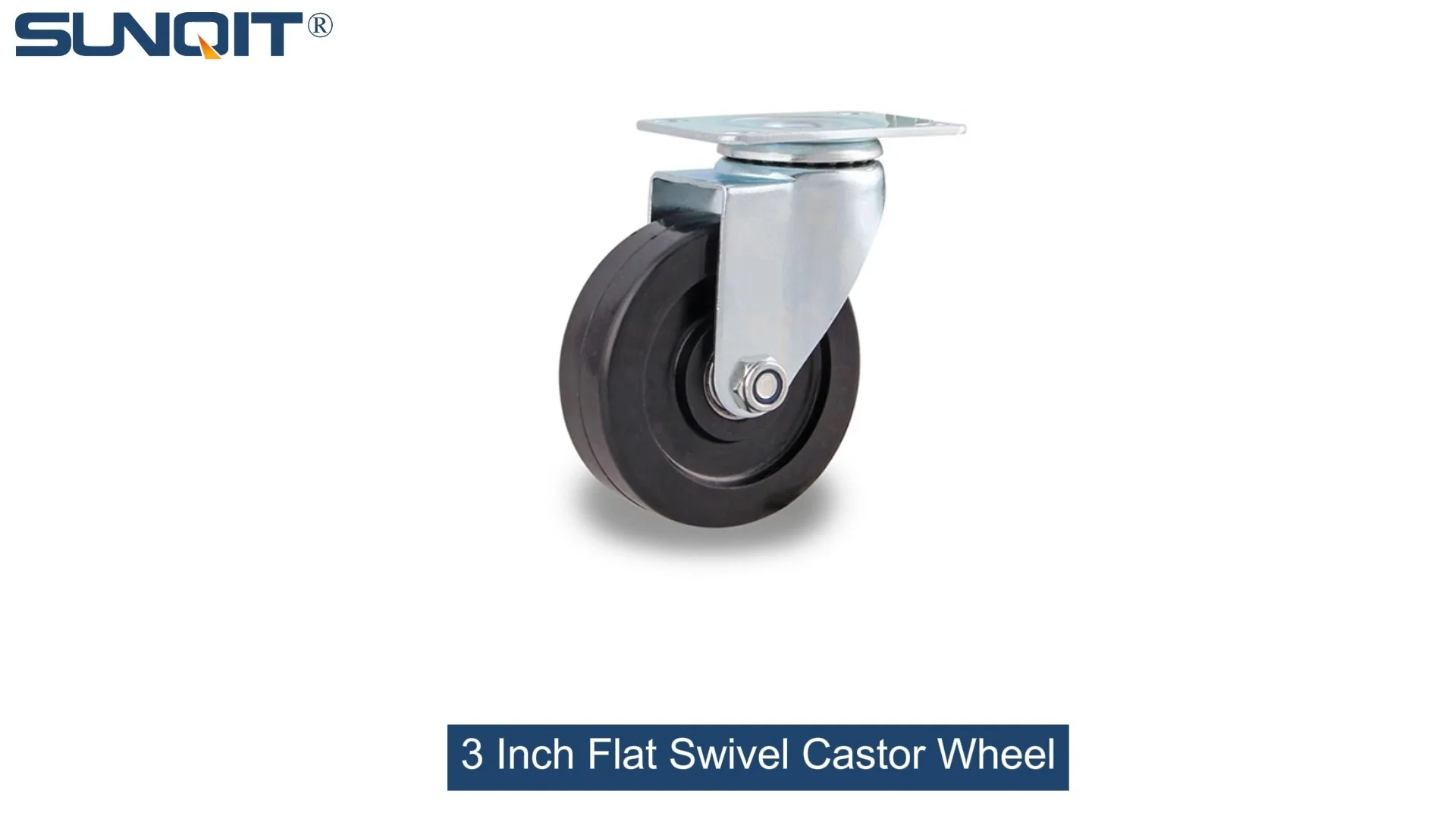
Flat Swivel Castor Wheel
Chair Casters Ball Bearing Wheels Rubber Base. Resistant to abrasion, impact and corrosion. Heavy payload can hold 70-90Kgs per pcs,which can make it works at a stable and smooth status.
Let's start with a scenario we've all encountered, or at least can picture vividly: You're in a bustling warehouse, pushing a loaded trolley toward the shipping area. The clock is ticking, and every second counts. But halfway there, the trolley starts to feel like it's fighting back. The wheels squeak, the swivel motion is jerky, and you find yourself straining to keep it moving straight. By the time you reach your destination, your arms are tired, and you've wasted precious minutes. Sound familiar? Chances are, the culprit isn't a heavy load or a uneven floor—it's a flat swivel castor wheel that's crying out for proper lubrication.
Flat swivel castor wheels are the unsung heroes of countless workplaces, from factories and warehouses to hospitals and retail stores. They make moving heavy equipment, supplies, and products effortless—when they're working right. But when they're stiff, squeaky, or slow to rotate, they don't just slow you down; they risk damaging the equipment, creating safety hazards, and even increasing operational costs. The good news? Most of these issues can be prevented with one simple maintenance task: regular lubrication. In this article, we'll dive deep into the world of flat swivel castor wheel lubrication, exploring why it matters, how to do it right, and the tools (including essential caster accessories) that make the job easier. We'll also touch on how proper setup, like using adjustable leveling feet, can complement your lubrication efforts to keep those wheels spinning smoothly for years.
Understanding Flat Swivel Castor Wheels: The Mechanics Behind the Motion
Before we jump into lubrication, let's take a moment to understand what makes a flat swivel castor wheel tick. Unlike fixed caster wheels, which only roll forward and backward, swivel castors have a rotating mechanism that allows them to turn 360 degrees. This flexibility is what makes them ideal for maneuvering tight spaces, but it also adds complexity to their design.
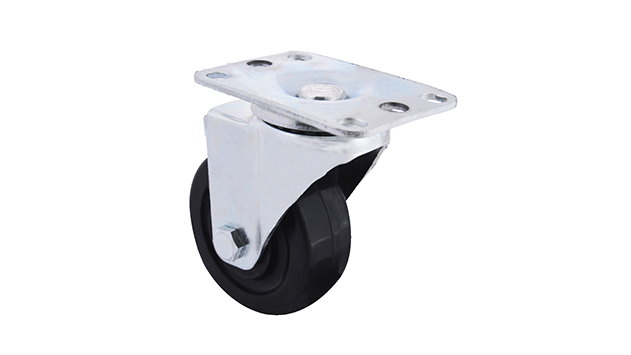
A typical flat swivel castor wheel consists of several key components: the wheel itself (usually made of rubber, polyurethane, or plastic), a swivel plate that connects the wheel to the equipment, a set of ball bearings or roller bearings inside the swivel housing, and sometimes a brake mechanism to lock the wheel in place. The magic happens in those bearings: as you push or pull the trolley, the bearings reduce friction between the stationary swivel plate and the rotating wheel assembly, allowing for smooth, easy movement.
But here's the catch: Bearings rely on a thin layer of lubricant to function properly. Without it, metal-on-metal friction increases, leading to wear, heat, and eventually, seized components. The swivel joint, too, needs lubrication to prevent rust and ensure that 360-degree rotation remains effortless. Over time, dust, dirt, and debris can wash away or break down existing lubricant, leaving these critical parts vulnerable. That's why regular lubrication isn't just a "nice-to-have"—it's the lifeblood of your caster wheel's performance.
Why Lubrication Matters: More Than Just a Quiet Wheel
At first glance, lubricating a caster wheel might seem like a trivial task—something you do when the squeaking gets too annoying. But the truth is, proper lubrication has far-reaching benefits that go beyond silencing a noisy wheel. Let's break down why it's worth making this a regular part of your maintenance routine:
Reduced Friction, Reduced Effort: The most obvious benefit is smoother rotation. When bearings and swivel joints are well-lubricated, the wheel turns with minimal resistance. This means less physical strain on workers pushing or pulling trolleys, which reduces fatigue and lowers the risk of musculoskeletal injuries. In busy environments, this can translate to faster task completion and higher productivity.
Extended Lifespan: Friction is the enemy of moving parts. Without lubrication, bearings wear down faster, swivel plates can rust, and the wheel itself may develop flat spots from uneven weight distribution. By keeping these components lubricated, you're essentially protecting them from premature wear, which extends the life of the caster wheel. This saves you money in the long run by reducing the need for frequent replacements.
Enhanced Safety: A stiff or stuck swivel castor wheel is a safety hazard waiting to happen. If a wheel suddenly jams, the trolley could tip over, spilling its contents or injuring the person pushing it. Squeaky wheels, too, can be a distraction in quiet environments (like hospitals) or mask other, more serious equipment issues. Lubrication keeps the wheels predictable and reliable, reducing the risk of accidents.
Cost Savings: Think about it: replacing a flat swivel castor wheel isn't cheap, especially if you have to do it frequently. Add in the labor costs of installing new wheels and the downtime while equipment is out of service, and the expenses add up quickly. Regular lubrication is a low-cost preventive measure that can save you hundreds, if not thousands, of dollars over time.
Choosing the Right Lubricant: Not All Oils and Greases Are Created Equal
Now that we understand why lubrication is important, let's talk about the "what": the type of lubricant you use. Walk into any hardware store, and you'll find shelves full of options—oils, greases, sprays, and dry lubricants. Choosing the wrong one can do more harm than good, so it's essential to pick a lubricant that's compatible with your flat swivel castor wheel's materials and operating environment.
Here's a breakdown of the most common types of lubricants, along with their pros, cons, and best uses:
| Lubricant Type | Pros | Cons | Best For |
|---|---|---|---|
| Lithium Grease | Long-lasting, water-resistant, works in a wide temperature range (-20°C to 160°C) | Thick consistency can attract dust and dirt if over-applied | Heavy-duty applications (warehouses, factories), wheels with metal bearings |
| Silicone Oil | Lightweight, non-toxic, safe for rubber and plastic components, resists water and oxidation | Less durable than grease; needs more frequent reapplication | Medical equipment, food processing areas, wheels with plastic or rubber parts |
| PTFE Dry Lubricant (Teflon-Based) | Dries quickly to a thin, invisible film; doesn't attract dust or dirt | Not ideal for heavy loads; less effective in high-moisture environments | Clean environments (labs, electronics manufacturing), wheels with tight tolerances |
| Graphite Powder | Conductive, works in extreme temperatures, good for metal-on-metal contact | Messy to apply; can stain surfaces; not water-resistant | High-temperature environments (foundries), older caster wheels with worn bearings |
When selecting a lubricant, always check the manufacturer's recommendations for your specific caster wheel. For example, if your flat swivel castor wheel has rubber tires, avoid petroleum-based lubricants, as they can degrade the rubber over time. Similarly, if you work in a food-processing facility, opt for a food-grade lubricant (like NSF H1-rated oils or greases) to ensure compliance with safety standards.

Tools of the Trade: Essential Caster Accessories for Lubrication
You wouldn't try to fix a leaky faucet without a wrench, and the same logic applies to lubricating caster wheels. Having the right tools and caster accessories on hand makes the job faster, easier, and more effective. Here's what you'll need to gather before you start:
Grease Gun or Oil Can: For applying thick lubricants like lithium grease, a grease gun with a flexible nozzle allows you to reach tight spaces, like the bearings inside the swivel housing. For oils, a small oil can with a precision spout ensures you don't over-apply.
Cleaning Supplies: Before applying new lubricant, you need to remove old, dried lubricant, dirt, and debris. A stiff-bristled brush (a toothbrush works well for small parts), lint-free rags, and a mild degreaser (like isopropyl alcohol or citrus-based cleaner) will do the trick. Avoid harsh chemicals that could damage the wheel or bearings.
Protective Gear: Lubricants can be messy, and some are slippery or irritating to the skin. Wear disposable gloves to keep your hands clean, and safety glasses to protect your eyes from splatters or flying debris.
Wrench or Pliers: In some cases, you may need to remove the wheel from the swivel plate to access the bearings. A adjustable wrench or pliers can help loosen tight nuts or bolts. Just be careful not to overtighten them when reassembling—this can damage the threads or restrict movement.
Zip Ties or Rags (for Dripping Lubricant): After applying lubricant, some excess may drip out as the wheel rotates. Placing a rag under the wheel or using a zip tie to secure a small cloth around the swivel joint can prevent stains on floors or equipment.
These caster accessories don't have to be fancy or expensive—most can be found in a basic toolbox or purchased affordably at a hardware store. The key is to have them ready so you're not scrambling mid-task.

Step-by-Step Guide: How to Lubricate Your Flat Swivel Castor Wheel
Now that you have your lubricant and tools ready, let's walk through the lubrication process step by step. This method works for most standard flat swivel castor wheels, but always refer to your manufacturer's instructions if you're unsure about specific details.
Step 1: Prepare the Work Area
Start by moving the equipment or trolley to a clean, flat surface where you have room to work. If the trolley is loaded, empty it first—you don't want to risk it tipping over while you're working on the wheels. If possible, elevate the wheel slightly using a block of wood or a jack to take pressure off the bearing (this makes it easier for lubricant to penetrate).
Step 2: Clean the Wheel and Swivel Mechanism
This is a crucial step that many people skip, but it's non-negotiable. Old lubricant can harden over time, trapping dirt and debris that act like sandpaper on the bearings. Use your brush to scrub away loose dirt from the wheel, swivel plate, and around the axle. Then, dampen a rag with degreaser and wipe down the surfaces to remove old lubricant. For stubborn grime, let the degreaser sit for a minute before wiping. Once clean, dry the area thoroughly with a clean rag—moisture and lubricant don't mix well.
Step 3: Inspect for Damage
While the wheel is clean, take a moment to inspect it for signs of wear or damage. Look for cracks in the wheel, rust on the swivel plate, or loose nuts and bolts. Check the bearings: if they're pitted, corroded, or make a grinding noise when you spin the wheel by hand, they may need to be replaced (lubrication alone won't fix a damaged bearing). Also, check the caster accessories, like the brake mechanism (if your wheel has one), to ensure it's functioning properly. If you spot any issues, address them before moving on—ignoring damage will only make it worse.
Step 4: Apply Lubricant to the Swivel Mechanism
The swivel mechanism is often the first part to stiffen up, so start here. Locate the grease fittings (small metal nipples) on the swivel plate—these are designed to let lubricant into the bearings. If your caster doesn't have grease fittings, you'll need to apply lubricant directly to the between the swivel plate and the housing.
For grease: Attach the grease gun nozzle to the fitting and squeeze gently until you see a small amount of grease oozing out around the edges. You don't need to pump until it's overflowing—a little goes a long way. For oil: Use the precision spout to apply 2-3 drops into the fitting or, then rotate the swivel plate by hand to distribute the oil evenly. You should feel the motion become smoother almost immediately.
Step 5: Lubricate the Wheel Bearings
Next, move on to the wheel itself. If the wheel has a sealed bearing (common in many modern casters), you may not need to lubricate it—sealed bearings are pre-lubricated and designed to be maintenance-free. But if the bearing is exposed, or if the wheel has a removable axle, you'll need to apply lubricant here too.
To access the bearings, you may need to remove the axle nut or cotter pin. Once the wheel is off, apply a small amount of lubricant to the inner and outer bearings. If you're using grease, pack it into the bearing until it oozes out the other side. For oil, 3-4 drops onto the bearing races and spin the bearing by hand to coat all surfaces. Reinstall the wheel, making sure the axle is tight but not overly so—overtightening can cause the wheel to bind.
Step 6: Test the Wheel and Clean Up
Once you've lubricated both the swivel mechanism and the wheel bearings, spin the wheel by hand and rotate the swivel plate 360 degrees. It should move smoothly, with no squeaking or resistance. If it's still stiff, you may need to apply a bit more lubricant or check for hidden debris. Wipe away any excess lubricant with a clean rag to prevent attracting dirt, and dispose of used rags and gloves properly (some lubricants are flammable, so follow local disposal guidelines).
Beyond Lubrication: How Adjustable Leveling Feet Support Smooth Wheel Performance
Lubrication is critical, but it's not the only factor that affects how well your flat swivel castor wheels perform. Proper setup plays a big role too—and that's where adjustable leveling feet come into play. You might be wondering: What do leveling feet have to do with caster wheels? More than you might think.
Adjustable leveling feet are small, threaded feet that are often installed alongside caster wheels on equipment like workbenches, shelving units, or heavy machinery. Their primary job is to stabilize the equipment on uneven floors, preventing rocking or tipping. But when they're not adjusted correctly, they can put extra strain on the caster wheels, making even well-lubricated wheels feel stiff or unresponsive.
Here's why: If the leveling feet are too low, they may drag on the floor, creating friction that the caster wheels have to overcome. If they're too high, the equipment may rock, putting uneven pressure on the wheels and causing premature wear. In either case, the wheels have to work harder, which means the lubricant breaks down faster, and the bearings wear out sooner.
To ensure your leveling feet are supporting, not hindering, your caster wheels, follow these tips: First, when installing equipment, adjust the leveling feet so that all caster wheels are in contact with the floor and bearing equal weight. The equipment should sit flat, with no rocking. Second, check the leveling feet periodically—floors can shift over time, and feet can loosen with vibration from movement. A quick adjustment with a wrench can keep everything balanced. Finally, if you're using equipment on a particularly uneven surface, consider using shims under the leveling feet to distribute weight more evenly.
Think of it this way: Lubrication keeps the wheels moving smoothly, but adjustable leveling feet ensure they're moving under optimal conditions. Together, they're a one-two punch for maintaining peak caster performance.
Common Mistakes to Avoid: What Not to Do When Lubricating Caster Wheels
Even with the best intentions, it's easy to make mistakes when lubricating flat swivel castor wheels. These errors can reduce the effectiveness of your efforts, damage the wheels, or even create new problems. Here are the most common pitfalls to watch out for:
Over-Lubricating: It's tempting to think that "more is better," but excess lubricant attracts dirt, dust, and debris, which can turn into a gritty paste that grinds away at bearings. It also drips onto floors, creating slip hazards. Remember: A small amount of lubricant, applied precisely, is all you need.
Using the Wrong Lubricant: As we discussed earlier, using a petroleum-based lubricant on rubber wheels can cause cracking and deterioration. Similarly, using a dry lubricant in a wet environment will wash away quickly. Always match the lubricant to the wheel material and operating conditions.
Skipping the Cleaning Step: Applying new lubricant over old, dirty lubricant is like putting a band-aid over a wound without cleaning it first. The dirt and debris trapped in the old lubricant will continue to cause friction, negating the benefits of the new lubricant.
Ignoring Worn or Damaged Parts: Lubrication can't fix a bearing that's already pitted or a wheel that's cracked. If you notice damage during inspection, replace the part instead of trying to "lube it into working." Delaying replacement will only lead to bigger problems down the line.
Forgetting to Test After Lubrication: After applying lubricant, always spin the wheel and swivel the plate to ensure they move smoothly. If there's still resistance, don't assume it's "good enough"—dig deeper to find the cause (maybe a loose bolt or a piece of debris you missed).
Creating a Maintenance Schedule: When to Lubricate (and Why Consistency Matters)
Now that you know how to lubricate your flat swivel castor wheels, the next question is: How often should you do it? The answer depends on how heavily the wheels are used, the environment they're in, and the type of lubricant you're using. A good rule of thumb is to lubricate caster wheels at least every three months, but high-use or harsh environments may require more frequent attention.
Here's a general schedule to guide you, based on usage:
Light Use (e.g., office carts, retail display racks): Lubricate every 6-12 months. These wheels don't see heavy loads or constant movement, so the lubricant will last longer. Inspect them quarterly for signs of wear or debris.
Moderate Use (e.g., hospital equipment, warehouse trolleys used daily): Lubricate every 3-6 months. These wheels are used regularly but not continuously. Check them monthly for squeaking or stiffness.
Heavy Use (e.g., factory conveyors, loading dock equipment, 24/7 operations): Lubricate every 1-3 months. These wheels are under constant stress, and lubricant breaks down faster. Inspect them weekly, and keep a log of when you lubricate to stay on track.
Environmental factors can also affect lubrication frequency. If your wheels are exposed to dust, dirt, moisture, or extreme temperatures, you'll need to lubricate more often. For example, wheels in a dusty warehouse may need monthly lubrication to combat debris buildup, while those in a clean, climate-controlled lab may go 6 months or more between treatments.
The key is to be proactive, not reactive. Don't wait for the wheels to squeak or stiffen up—by then, damage may already be done. Set calendar reminders, assign the task to a specific team member, or include it in your regular equipment maintenance checklist. Consistency is the secret to keeping those wheels spinning smoothly for years.
Troubleshooting: When Lubrication Alone Isn't Enough
Even with regular lubrication, you may encounter issues with your flat swivel castor wheels from time to time. Here are some common problems and how to fix them:
Squeaking Wheels: If lubrication doesn't silence the squeak, the issue may be a loose wheel or a misaligned swivel plate. Tighten the axle nut or bolts on the swivel plate, and check for signs of uneven wear on the wheel. If the wheel is worn unevenly, it may need to be replaced.
Jerky Swivel Motion: This is often caused by debris trapped in the swivel housing or a bent swivel plate. Remove the wheel, clean the housing thoroughly, and inspect the plate for damage. If the plate is bent, replace it—bending it back can weaken the metal and lead to further issues.
Wheel Won't Roll Straight: If the wheel pulls to one side, check the tire for flat spots or uneven wear. You may also need to adjust the swivel plate to ensure it's aligned with the wheel. If the problem persists, the axle may be bent, requiring replacement.
Excessive Play in the Wheel: If the wheel wobbles or has too much side-to-side movement, the bearings are likely worn out. replace the bearings or the entire wheel assembly—this is not a problem that can be fixed with lubrication.
Conclusion: Invest in Smooth Rotation, Invest in Your Workflow
Flat swivel castor wheels may not be the most glamorous part of your workplace, but they're undeniably essential. They keep your operations moving, your team productive, and your costs in check—when they're well-maintained. And at the heart of that maintenance is a simple, affordable task: regular lubrication.
By taking the time to understand your caster wheels' mechanics, choosing the right lubricant, using the proper caster accessories, and following a consistent schedule, you can ensure that every push, pull, and swivel is smooth, quiet, and effortless. Add in proper setup with adjustable leveling feet, and you'll extend the life of your wheels even further.
So the next time you're pushing a trolley, take a moment to listen. If the wheels are quiet and the motion is easy, pat yourself on the back—you're doing it right. If they're squeaking or stiff, don't ignore it. Grab your lubricant, your tools, and give those wheels the care they deserve. Your team, your equipment, and your bottom line will thank you.
Remember: Smooth wheels mean smooth workflows. And in a world where every second counts, that's a difference you can feel.