- Company Articles
- Products and Technology
- Installation And Maintenance
- Flat Swivel Castor Wheel Maintenance: 7 Tips to Extend Lifespan in Factories

Flat Swivel Castor Wheel Maintenance: 7 Tips to Extend Lifespan in Factories
Related Product
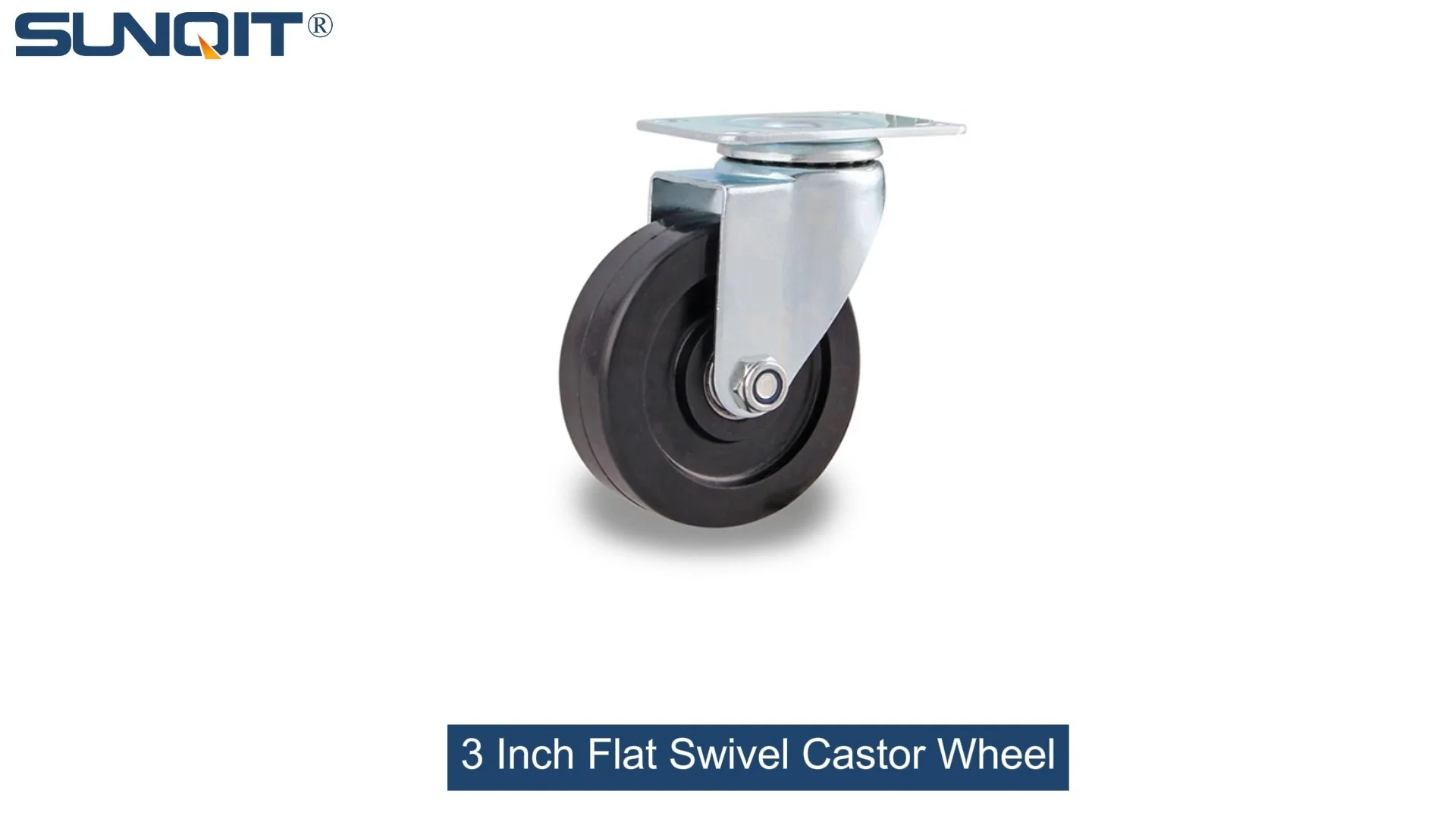
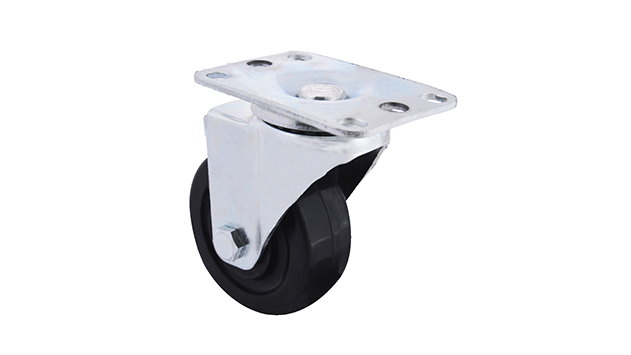
Flat Swivel Castor Wheel
Chair Casters Ball Bearing Wheels Rubber Base. Resistant to abrasion, impact and corrosion. Heavy payload can hold 70-90Kgs per pcs,which can make it works at a stable and smooth status.
In the hum of a busy factory, where production lines move like clockwork and every second counts, there's a silent workhorse keeping things rolling: the flat swivel castor wheel. These unassuming components glide beneath workbenches, turnover trolleys, and material racks, making it possible to shift heavy loads with ease, rearrange workstations in a snap, and keep your lean system running smoothly. But like any hardworking team member, they need a little care to stay in top shape. Neglect them, and you'll face stuck trolleys, uneven wear, and unexpected downtime—all headaches that throw a wrench into your production flow. Let's dive into seven practical tips to keep your flat swivel castor wheels (and their trusty caster accessories) rolling strong for years to come.
Tip 1: Start with the Basics: Regular Cleaning to Beat Debris
Factories are messy places—dust, metal shavings, oil spills, and even tiny bits of plastic or wood find their way into every nook and cranny. And where do these unwanted guests love to settle? Right into the gaps of your flat swivel castor wheels and their caster accessories. Over time, debris can jam the swivel mechanism, scratch wheel treads, or corrode axles and bearings. Think of it like sand in a shoe: a little is annoying, a lot turns into a painful problem.
So, how do you keep them clean? Grab a stiff-bristled brush or a compressed air can to blast away loose dirt from the wheel treads, swivel joints, and axle areas. For sticky grime or oil, wipe down the wheels and caster accessories with a rag dampened in mild soap and water—avoid harsh chemicals that might damage plastic wheel treads. Pay extra attention to the bearings and swivel plates: these are the "joints" of your castor, and keeping them debris-free ensures smooth movement. Make cleaning part of your daily or weekly routine, especially for castors on high-traffic equipment like turnover trolleys or workbenches near production lines.
Pro tip: While cleaning, check if any caster accessories—like axle caps or bearing covers—are missing or loose. These small parts keep dirt out, so replacing them promptly saves you from bigger headaches later.
Tip 2: Lubrication: The Secret to Silky-Smooth Movement
Ever tried pushing a rusty door hinge? It creaks, sticks, and feels like it's fighting back. The same goes for unlubricated castor wheels. Without proper lubrication, the metal-on-metal parts of your swivel mechanism and wheel bearings grind against each other, causing friction, heat, and premature wear. Over time, this can turn a smooth-rolling trolley into a noisy, stiff hassle that slows down your team.
The fix? Regular lubrication. Here's how to do it right:
- Choose the right lube: For wheel bearings and swivel joints, a lithium-based grease works best—it's thick enough to stay put and repels water. For axles or smaller moving parts, a light machine oil (like 3-in-1 oil) penetrates tight spaces without gumming up.
- Don't overdo it: A little grease goes a long way. Too much will attract dirt and debris, turning your well-lubricated castor into a grimy mess. A pea-sized dollop on bearings or a few drops on axles is usually enough.
- Stick to a schedule: How often? It depends on usage. Castors on heavily loaded trolleys or workbenches that move hourly need lubrication every 2–4 weeks. For lighter use (like a material rack that's shifted once a day), monthly or even quarterly is fine. Mark it on your calendar—consistency beats occasional deep dives.
Think of lubrication as a spa day for your castors: a little attention keeps them feeling fresh and ready to work.
Tip 3: Inspect for Wear and Tear—Catch Problems Before They Break
Even with cleaning and lubrication, castor wheels take a beating. The key is to spot wear early, before a small issue becomes a big, expensive problem. Make it a habit to give your castors a quick once-over during your cleaning routine—you'll be amazed at what you can catch with a few minutes of attention.
What to look for:
- Wheel treads: Check for cracks, chunking, or flat spots. If the tread is worn down to the base (you can see the inner wheel core), or if there are deep cracks, it's time for a new caster wheel. Worn treads don't just make movement bumpy—they reduce traction, increasing the risk of trolleys slipping on smooth floors.
- Swivel mechanism: Spin the wheel by hand. It should swivel freely without sticking or "catching." If it's stiff, or if you hear grinding, the swivel bearings might be worn or dirty (a good clean and lube might fix it, but if not, replace the bearings). Also, check if the swivel plate is loose—tighten any bolts if they're wobbly.
- Brakes (if equipped): Test the brake lever to make sure it locks the wheel firmly. If it slips or doesn't engage fully, adjust or replace the brake pad. A faulty brake isn't just inconvenient—it's a safety hazard, especially on inclined floors.
- Caster accessories: Axles should be straight and secure (no wobbling). Nuts and washers shouldn't be missing or rusted. Even small parts like axle caps matter—they keep dirt out of bearings, so replace them if they're cracked or lost.
For example, imagine a workbench in your assembly line with a castor wheel that has a tiny crack. At first, it's just a little noise. But over time, that crack spreads, the wheel starts to wobble, and suddenly the workbench is lopsided—throwing off your lean system's efficiency and risking damage to the products on it. Catching that crack early saves you from replacing the entire castor (or worse, the workbench) later.

Tip 4: Respect the Weight Limit—Overloading Is a Castor's Worst Enemy
We've all been there: you need to move a stack of heavy boxes, and your trusty trolley is right there. You pile them on, give it a push… and the wheels start to squeal. Or maybe the trolley feels wobbly, like it's about to tip. Chances are, you've overloaded it. Castor wheels (and their swivel mechanisms) are designed to handle specific weight limits—exceeding that is a surefire way to shorten their lifespan.
Here's why overloading hurts: it strains the wheel bearings, flattens the tread (creating those annoying "flat spots" we talked about), and puts extra pressure on the swivel joint. Over time, this leads to bent axles, cracked wheels, and seized swivels. Even if the trolley moves, the extra stress adds up—think of it like carrying a backpack that's too heavy every day: your shoulders (or in this case, the castors) will give out eventually.
How to avoid it? Start by checking the manufacturer's weight rating for your castors (it's usually stamped on the swivel plate or listed in the product specs). Remember: that's the per castor limit. If your trolley has four castors rated for 200 lbs each, the total weight limit is 800 lbs (but leave a buffer—aim for 700 lbs to be safe). When loading, distribute weight evenly: don't stack everything on one side of the workbench or trolley, as this overloads the castors on that end. And if you're unsure, use adjustable leveling feet to balance the load—they're not just for stability; they help spread weight across all castors, preventing uneven stress.

Tip 5: Fix Misalignment—Keep Wheels Pointing in the Same Direction
Flat swivel castors are designed to rotate 360 degrees, but that flexibility can backfire if they get misaligned. Ever noticed a trolley that pulls to one side, or a workbench that's tricky to push straight? Misalignment is often the culprit. When castors aren't pointing the same direction, they fight against each other, causing uneven wear, squeaking, and extra effort to move.
How to check alignment: Park the trolley or workbench on a flat surface and look at the castor wheels from the front. All wheels should point roughly the same direction (either straight ahead or slightly outward). If one is turned 90 degrees or angled inward, it's misaligned. The fix is usually simple: tighten loose bolts on the swivel plate (sometimes vibration loosens them), or adjust the swivel stop (a small metal tab that limits rotation). If the swivel plate itself is bent (common after hitting a curb or heavy impact), you may need to replace it—don't try to bend it back; you'll only weaken the metal.
Pro tip: When moving heavy loads, push from the handle or the center of the trolley—pushing from the side can twist the castors and throw them out of alignment over time.
Tip 6: Guard Against the Elements—Water, Oil, and Chemicals
Not all factories are created equal. Some are dry and dusty, others deal with oil spills (looking at you, automotive plants), and some have chemical-rich environments (like electronics or pharmaceutical facilities). Each of these elements can attack your castors in different ways—here's how to fight back:
- Water and moisture: Can cause rust on metal components (axles, swivel plates) and degrade plastic wheel treads. If your castors live in a damp area, opt for stainless steel caster accessories (like stainless steel axles or swivel plates) to resist rust. Also, dry castors thoroughly after cleaning, and lubricate more often to keep moisture out of bearings.
- Oil and grease: Seems harmless, but oil can soften rubber or polyurethane wheel treads, causing them to swell or break down. Wipe up spills promptly, and choose oil-resistant wheel materials (like nylon or cast iron) if oil is a constant issue.
- Chemicals: Harsh solvents or acids can eat through plastic treads and corrode metal. Check your wheel material specs—some plastics (like polypropylene) are more chemical-resistant than others. For extreme cases, consider stainless steel pipe series components for the castor frame, as they hold up better against corrosives.
Think of your castors as outdoor furniture: you wouldn't leave a wooden chair out in the rain without a cover—your castors deserve the same protection from their environment.
Tip 7: Train Your Team—Maintenance is a Team Sport
Even the best maintenance plan falls apart if your team isn't on board. Your operators, assemblers, and material handlers are the first to notice when a castor is acting up—so empower them to report issues and use the equipment properly.
Start with basic training: Show your team how to push a trolley correctly (from the center, not the side), how to avoid dragging (which grinds wheels against the floor), and why overloading is a bad idea. Teach them to spot the warning signs of a failing castor: squeaking, wobbling, or wheels that won't swivel. Create a simple reporting system—maybe a quick form or a dedicated chat channel—so they can flag issues without delay.
You can even turn it into a game: Offer a small reward for the team that reports the most castor issues in a month (a pizza lunch, anyone?). When everyone feels responsible for keeping the castors in shape, you'll catch problems faster and keep your lean system humming.
Why It All Matters: More Than Just Rolling Wheels
At the end of the day, maintaining your flat swivel castor wheels isn't just about extending their lifespan—it's about protecting your lean system, your team's productivity, and your bottom line. A stuck trolley might delay a production run by 10 minutes today, but over a month, those delays add up. A worn castor wheel could lead to a workplace injury if a load slips. And replacing castors prematurely? That's money that could go toward upgrading your workbenches or investing in new material racks.
These seven tips are simple, low-cost, and high-impact. Spend 10 minutes a week cleaning and inspecting, train your team to care, and your castors will return the favor—rolling smoothly, quietly, and reliably for years. After all, in a lean system, every detail counts—and that includes the little wheels that keep your factory moving forward.
| Maintenance Task | Frequency | Key Tools/Supplies |
|---|---|---|
| Clean castors and caster accessories | Weekly (or daily in high-debris areas) | Stiff brush, compressed air, mild soap, rag |
| Lubricate bearings and axles | 2–4 weeks (heavy use); monthly (light use) | Lithium grease, machine oil, grease gun (optional) |
| Inspect for wear (treads, swivel, brakes) | During weekly cleaning | Flashlight, wrench (to check bolts) |
| Check alignment and tighten bolts | Biweekly | Socket set, level (for alignment) |