- Company Articles
- Products and Technology
- Product knowledge
- Flat Swivel Castor Wheel Materials: Nylon vs. Rubber vs. Polyurethane Comparison

Flat Swivel Castor Wheel Materials: Nylon vs. Rubber vs. Polyurethane Comparison
Related Product
Flat Swivel Castor Wheel
Chair Casters Ball Bearing Wheels Rubber Base. Resistant to abrasion, impact and corrosion. Heavy payload can hold 70-90Kgs per pcs,which can make it works at a stable and smooth status.
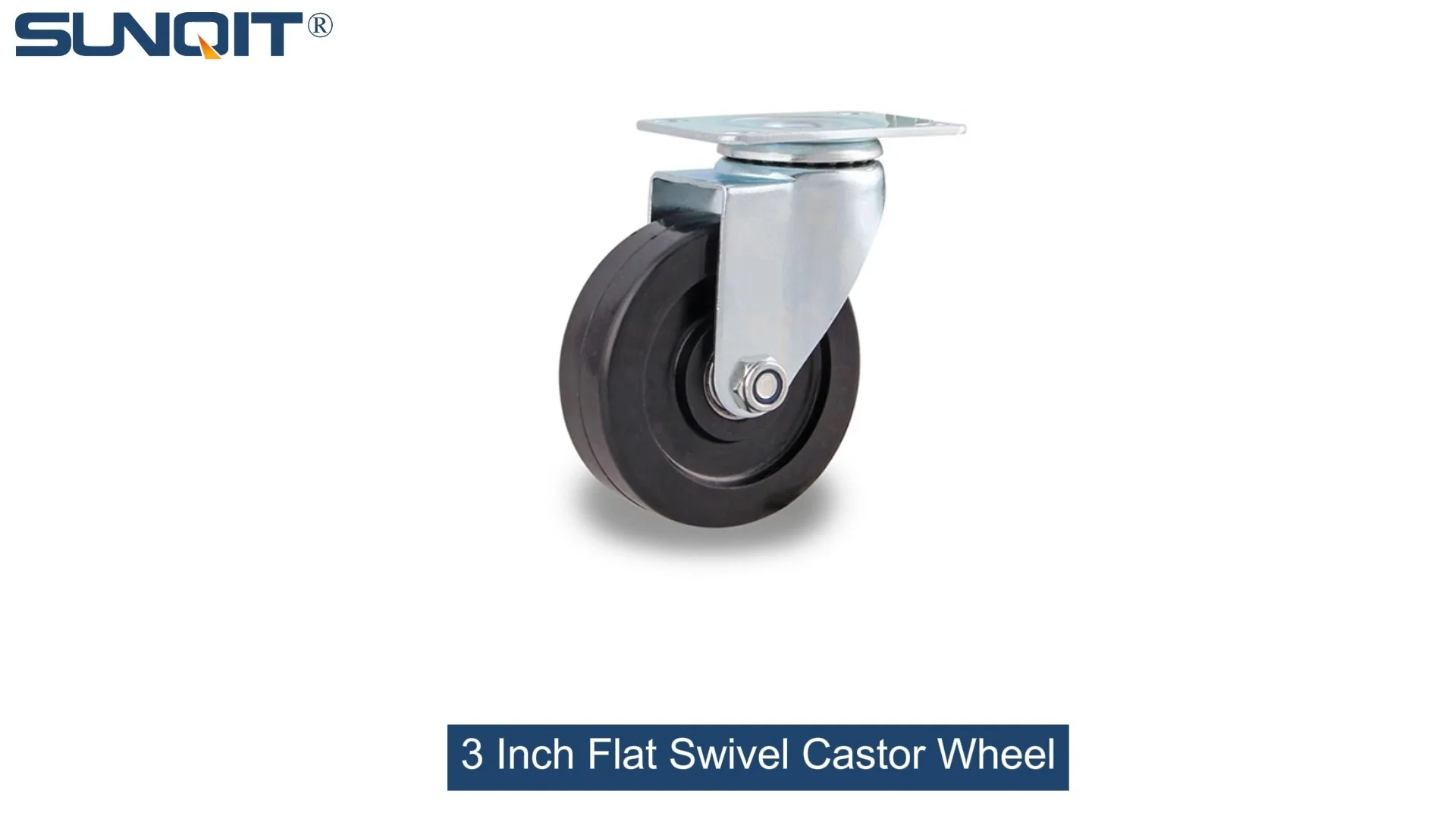
In the world of material handling and industrial efficiency, few components work as quietly yet critically as the humble caster wheel. From the workbenches lining factory floors to the mobile carts zipping through hospital corridors, flat swivel castor wheels are the unsung heroes that keep operations moving—literally. But not all caster wheels are created equal. The material they're made from—whether nylon, rubber, or polyurethane—shapes everything from how smoothly they roll and how much weight they support to how long they last and how gentle they are on floors. For businesses invested in lean systems, where every second and every dollar counts, choosing the right caster wheel material isn't just a detail; it's a decision that impacts productivity, maintenance costs, and even workplace safety. In this guide, we'll dive deep into the pros, cons, and real-world applications of nylon, rubber, and polyurethane flat swivel castor wheels, helping you make an informed choice for your specific needs.
Understanding Flat Swivel Castor Wheels: More Than Just "Wheels"
Before we compare materials, let's clarify what a "flat swivel castor wheel" actually is. Unlike fixed casters, which only roll forward and backward, swivel casters have a rotating joint that allows 360-degree movement, making them ideal for tight spaces and maneuverable equipment like workbenches, turnover trolleys, and material racks. The "flat" designation refers to the mounting plate—a flat metal base that attaches the wheel to the equipment, ensuring stability even under heavy loads. But the star of the show is the wheel itself, and its material is what determines whether it'll thrive in a warehouse, a retail store, or a laboratory.
Each material—nylon, rubber, and polyurethane—brings unique strengths to the table. Nylon is tough and unyielding, rubber is soft and forgiving, and polyurethane? It's often called the "jack of all trades," blending the best of both worlds. To choose wisely, you'll need to consider factors like floor type, load weight, noise tolerance, and environmental conditions (think humidity, chemicals, or extreme temperatures). Let's start with the first contender: nylon.
Nylon Flat Swivel Castor Wheels: The Workhorses of Heavy-Duty Environments
What Is Nylon, Anyway?
Nylon, or polyamide, is a synthetic thermoplastic polymer known for its exceptional strength and rigidity. Developed in the 1930s, it quickly became a staple in industrial applications thanks to its ability to withstand wear, heat, and heavy loads without deforming. When used in caster wheels, nylon is typically molded into a hard, dense wheel that's smooth to the touch but incredibly durable.
The Pros of Nylon Castor Wheels
1. Unbeatable Load Capacity: Nylon wheels excel at handling heavy weights. A typical 4-inch nylon flat swivel caster can support 500–800 pounds, and larger sizes (6 inches or more) can easily handle over 1,000 pounds. This makes them a top choice for industrial settings where equipment like metal workbenches or loaded material racks need stable, reliable movement.
2. Resistance to Wear and Tear: Nylon is naturally abrasion-resistant, meaning it holds up well against rough surfaces like concrete or asphalt. Unlike softer materials that might chip or degrade over time, nylon wheels maintain their shape even after months of rolling over debris, cracks, or uneven floors—perfect for busy warehouses where floors aren't always pristine.
3. Chemical and Moisture Resistance: Nylon is impervious to most oils, solvents, and water, making it ideal for environments where spills are common. Whether it's a manufacturing plant dealing with lubricants or a food processing facility cleaning with hoses, nylon wheels won't swell, rot, or corrode.
4. Low Friction, High Efficiency: Nylon's smooth surface reduces rolling resistance, so even heavy loads require less force to move. For lean system enthusiasts, this translates to easier material handling, fewer strained muscles, and faster workflows—all key to cutting waste and boosting productivity.
The Cons of Nylon Castor Wheels
1. Noisy Operation: Hard materials like nylon don't absorb sound, so these wheels can be loud—especially on hard floors like tile or concrete. In settings where noise is a concern (e.g., offices, libraries, or hospitals), the constant "clatter" of nylon wheels might be a dealbreaker.
2. Poor Shock Absorption: Nylon's rigidity is a strength for load capacity, but it's a weakness when it comes to bumps. These wheels transmit vibrations directly to the equipment they're attached to, which can damage fragile items (like electronics or glassware) or make rides uncomfortable for operators pushing heavy carts.
3. Slippery When Wet: While nylon resists moisture, its hard surface offers little traction on wet floors. A sudden spill could make carts slide unexpectedly, posing a safety risk in environments like kitchens or outdoor loading docks.
Best Applications for Nylon Flat Swivel Castor Wheels
Nylon wheels shine in heavy-duty, industrial environments where durability and load capacity take priority over noise or floor protection. Think warehouses with concrete floors, manufacturing plants using heavy workbenches, or construction sites where equipment needs to withstand rough terrain. They're also a solid choice for lean system setups focused on moving raw materials or finished goods efficiently, as their low friction and high load capacity align with the goal of minimizing wasted effort.
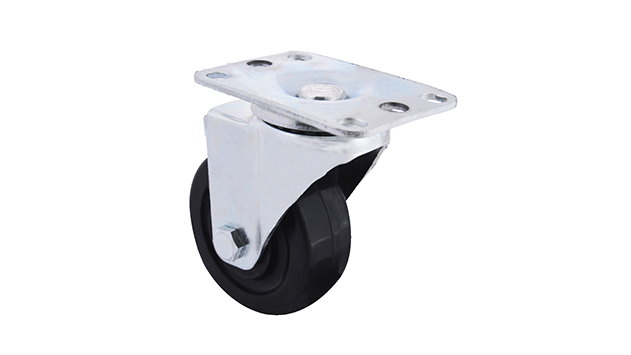
Rubber Flat Swivel Castor Wheels: The Gentle Giants of Smooth Surfaces
If nylon is the tough guy of caster wheel materials, rubber is the gentle giant. Known for its elasticity and grip, rubber has been used in wheels for over a century, evolving from natural latex to synthetic blends that offer better durability and consistency. For flat swivel castor wheels, rubber's flexibility makes it a favorite in settings where floor protection, quiet operation, or shock absorption is key.
The Pros of Rubber Castor Wheels
1. Superior Traction and Floor Protection: Rubber's soft, pliable surface conforms slightly to floors, providing excellent grip—even on smooth surfaces like tile or hardwood. It also won't leave marks, making it ideal for environments where floors need to stay pristine, such as retail stores, hospitals, or offices.
2. Quiet and Smooth Rolling: Unlike nylon, rubber absorbs sound and vibrations, resulting in a much quieter ride. Push a rubber-castered cart down a hallway, and you'll barely hear it coming—a huge advantage in noise-sensitive areas like schools, hotels, or medical facilities where patients need rest.
3. Shock Absorption: Rubber's elasticity acts like a built-in cushion, dampening bumps and vibrations. This is critical for transporting fragile items (e.g., lab samples, glassware, or electronics) or for equipment where stability matters, like mobile workbenches with delicate tools.
4. Cost-Effective for Light to Medium Loads: For applications with lighter loads (under 300 pounds), rubber wheels are often more affordable than polyurethane or heavy-duty nylon. This makes them a budget-friendly choice for small businesses or non-industrial settings.
The Cons of Rubber Castor Wheels
1. Lower Load Capacity: Rubber's flexibility is a trade-off for strength. Most rubber flat swivel casters max out at 300–500 pounds per wheel, which is significantly less than nylon. Heavy equipment or fully loaded material racks may require more wheels (increasing complexity) or a sturdier material.
2. Prone to Wear in Harsh Conditions: Rubber breaks down faster than nylon when exposed to oils, chemicals, or extreme temperatures. Petroleum-based products can cause swelling or cracking, while high heat (over 150°F) can make rubber brittle. In industrial settings with these hazards, rubber wheels may need frequent replacement.
3. Not Ideal for Rough Floors: While rubber is gentle on floors, rough surfaces (like gravel or uneven concrete) can tear or chip its soft surface. Over time, this leads to uneven rolling, increased friction, and shorter wheel life.
Best Applications for Rubber Castor Wheels
Rubber wheels thrive in environments where floor care, noise reduction, and shock absorption are priorities. Think hospitals (where quiet carts and non-marking floors are a must), retail stores (to protect polished floors), or offices (for mobile filing cabinets and AV carts). They're also great for light-duty industrial use, such as moving empty turnover trolleys or small workbenches in clean, temperature-controlled warehouses.

Polyurethane Flat Swivel Castor Wheels: The "Best of Both Worlds" Contender
If you've ever wished for a caster wheel that combines nylon's strength with rubber's gentleness, polyurethane (PU) might be your answer. Polyurethane wheels are typically made by bonding a layer of polyurethane (a synthetic polymer) to a metal or nylon core, creating a wheel that's tough on the inside and flexible on the outside. This hybrid design has made PU wheels a popular choice across industries, from manufacturing to hospitality.
The Pros of Polyurethane Castor Wheels
1. Balanced Load Capacity: Polyurethane wheels can handle more weight than rubber (up to 600–1,000 pounds for a 4-inch wheel) while still being gentler than nylon. This makes them versatile enough for both medium-duty industrial equipment (like loaded workbenches) and lighter applications (like restaurant serving carts).
2. Quiet and Smooth Rolling: Like rubber, polyurethane absorbs noise and vibrations, so carts roll quietly even on hard floors. This makes PU wheels a hit in settings where noise is a concern but heavier loads are still a factor—think school cafeterias, airports, or manufacturing plants with mixed noise policies.
3. Excellent Traction and Floor Protection: Polyurethane's rubber-like surface grips floors well (even when wet) and won't leave marks, making it safe for delicate surfaces like hardwood or marble. Unlike nylon, it won't scratch or scuff, which is a big plus for businesses that care about their facility's appearance.
4. Durable and Chemical Resistant: Polyurethane is more abrasion-resistant than rubber and can withstand oils, solvents, and moderate heat (up to 200°F). It's not as tough as nylon in extreme conditions, but it holds up far better than rubber in industrial settings with occasional chemical exposure.
5. Low Maintenance: PU wheels are easy to clean and rarely need lubrication. Their resistance to wear and tear means fewer replacements, which is a win for lean system managers looking to cut down on maintenance costs and downtime.
The Cons of Polyurethane Castor Wheels
1. Higher Cost: Polyurethane's hybrid design makes it pricier than both nylon and rubber. A PU wheel can cost 20–50% more than a comparable rubber or nylon model, which might stretch budgets for small businesses or large-scale operations needing hundreds of casters.
2. Can Soften in Extreme Heat: While PU handles moderate heat well, temperatures above 200°F can cause the material to soften, leading to increased rolling resistance or even deformation. In high-heat environments (like foundries or bakeries), nylon might still be the better bet.
3. Heavier Than Rubber: The metal or nylon core adds weight, so PU wheels are heavier than pure rubber wheels. This isn't a problem for most applications, but for manually pushed carts, the extra weight could lead to fatigue over time.
Best Applications for Polyurethane Castor Wheels
Polyurethane wheels are the go-to for settings that need a little bit of everything: strength, floor protection, quiet operation, and chemical resistance. They're perfect for automotive assembly lines (where durability and non-marking floors matter), food and beverage facilities (for easy cleaning and chemical resistance), and medical labs (where shock absorption and quiet movement are critical). For lean system advocates, PU wheels strike the ideal balance between performance and cost-efficiency, reducing waste from both frequent replacements and workplace injuries.

Nylon vs. Rubber vs. Polyurethane: A Side-by-Side Comparison
| Feature | Nylon | Rubber | Polyurethane |
|---|---|---|---|
| Load Capacity (4-inch wheel) | 500–800 lbs | 200–300 lbs | 400–600 lbs |
| Noise Level | High (clatters on hard floors) | Low (quiet, absorbs sound) | Low (similar to rubber) |
| Floor Protection | Poor (may scratch soft floors) | Excellent (non-marking, gentle) | Excellent (non-marking, gentle) |
| Chemical Resistance | Excellent (resists oils, solvents, water) | Poor (vulnerable to oils/chemicals) | Good (resists most chemicals; avoid extreme heat) |
| Shock Absorption | Poor (transmits vibrations) | Excellent (cushions bumps) | Good (moderate cushioning) |
| Best For | Heavy loads, rough floors, industrial settings | Light loads, smooth floors, noise-sensitive areas | Balanced needs: medium loads, floor protection, quiet operation |
| Cost | Moderate ($$) | Low ($) | High ($$$) |
Real-World Case Studies: How Material Choice Impacts Performance
Case Study 1: A Lean Manufacturing Plant Upgrades to Polyurethane
A mid-sized electronics manufacturer was struggling with two issues: their nylon caster wheels were damaging their newly polished concrete floors, and the noise from rolling workbenches was disrupting communication on the factory floor. After switching to polyurethane flat swivel casters, they saw immediate improvements: floors stayed scratch-free, noise levels dropped by 40%, and workers reported less fatigue from pushing carts (thanks to PU's lower rolling resistance). While the initial cost was higher, the reduced floor repair bills and improved productivity made it a net win for their lean system.
Case Study 2: A Hospital Chooses Rubber for Patient Safety
A large hospital needed to replace the casters on their medication carts, which were frequently moved during night shifts. Nylon wheels were too noisy (disturbing patients), while polyurethane was over budget. They opted for rubber wheels, which offered quiet operation, non-marking floors, and enough load capacity for the carts' 250-pound weight. Nurses reported better maneuverability, and patient satisfaction scores improved due to reduced nighttime noise.
Case Study 3: A Warehouse Sticks with Nylon for Heavy-Duty Durability
A logistics warehouse handling steel parts needed casters for 2,000-pound material racks. Rubber and polyurethane wheels couldn't handle the weight, so they chose 6-inch nylon flat swivel casters. Despite the noise, the nylon wheels lasted over 3 years with minimal wear, even rolling over cracked concrete and metal debris. For their lean system, the low maintenance and high load capacity were worth the trade-off in sound.
How to Choose the Right Material for Your Needs
Still unsure which material is best? Start by asking these key questions:
1. How much weight will the caster need to support? If it's over 500 pounds, nylon or polyurethane is your best bet. For lighter loads (under 300 pounds), rubber might suffice.
2. What type of floor will the wheel roll on? Rough or uneven floors call for nylon's durability. Smooth, delicate floors (wood, tile) need rubber or polyurethane's gentleness.
3. Is noise a concern? Hospitals, offices, or schools need rubber or polyurethane. Industrial settings with loud machinery can tolerate nylon.
4. Are there chemicals, heat, or moisture involved? Oils, solvents, or high heat? Nylon or polyurethane. Clean, dry environments? Rubber works.
5. What's your budget? Rubber is the cheapest, followed by nylon, then polyurethane. But remember: cheaper upfront costs might mean higher replacement costs later.
Final Thoughts: The Right Wheel for the Right Job
At the end of the day, there's no "perfect" caster wheel material—only the perfect material for your job. Nylon is the workhorse for heavy loads and tough conditions, rubber is the gentle giant for quiet, smooth surfaces, and polyurethane is the versatile all-star that balances strength, comfort, and durability. For businesses invested in lean systems, the goal is to minimize waste—whether that's waste from broken wheels, scratched floors, or inefficient workflows. By matching your caster wheel material to your environment, load, and budget, you'll keep operations rolling smoothly, safely, and cost-effectively for years to come.
So, the next time you're shopping for flat swivel castor wheels, remember: it's not just about picking a wheel—it's about picking a partner in productivity. Choose wisely, and your caster wheels will reward you with quiet, reliable performance that keeps your lean system running like a well-oiled machine.