- Company Articles
- Products and Technology
- Product knowledge
- Flat Swivel Castor Wheel Tread Patterns: Impact on Traction & Grip

Flat Swivel Castor Wheel Tread Patterns: Impact on Traction & Grip
Related Product
Flat Swivel Castor Wheel
Chair Casters Ball Bearing Wheels Rubber Base. Resistant to abrasion, impact and corrosion. Heavy payload can hold 70-90Kgs per pcs,which can make it works at a stable and smooth status.
Why Tread Patterns Matter More Than You Think
Let's start with a relatable scenario: You're in a bustling manufacturing plant, tasked with moving a loaded trolley from the storage area to the assembly line. The floor is a mix of polished concrete and occasional oil spills from nearby machinery. As you push, the trolley feels unsteady—one moment it glides smoothly, the next it slips, forcing you to slow down and grip harder. By the time you reach your destination, you're more frustrated than productive. What's the culprit here? Chances are, it's not the weight of the load or your strength, but the tread pattern on your flat swivel castor wheels.
Flat swivel castor wheels are the unsung heroes of countless workplaces. From hospital carts silently gliding through corridors to heavy-duty trolleys hauling parts in factories, these wheels keep operations moving. But not all castor wheels are created equal. The tread pattern—the grooves, ridges, and textures etched into the wheel's surface—plays a starring role in how well a caster wheel grips the floor and maintains traction . Ignore it, and you're looking at inefficiency, safety risks, and even damaged equipment. Get it right, and you'll transform clunky, frustrating movements into smooth, confident motion.
What Are Flat Swivel Castor Wheels, Anyway?
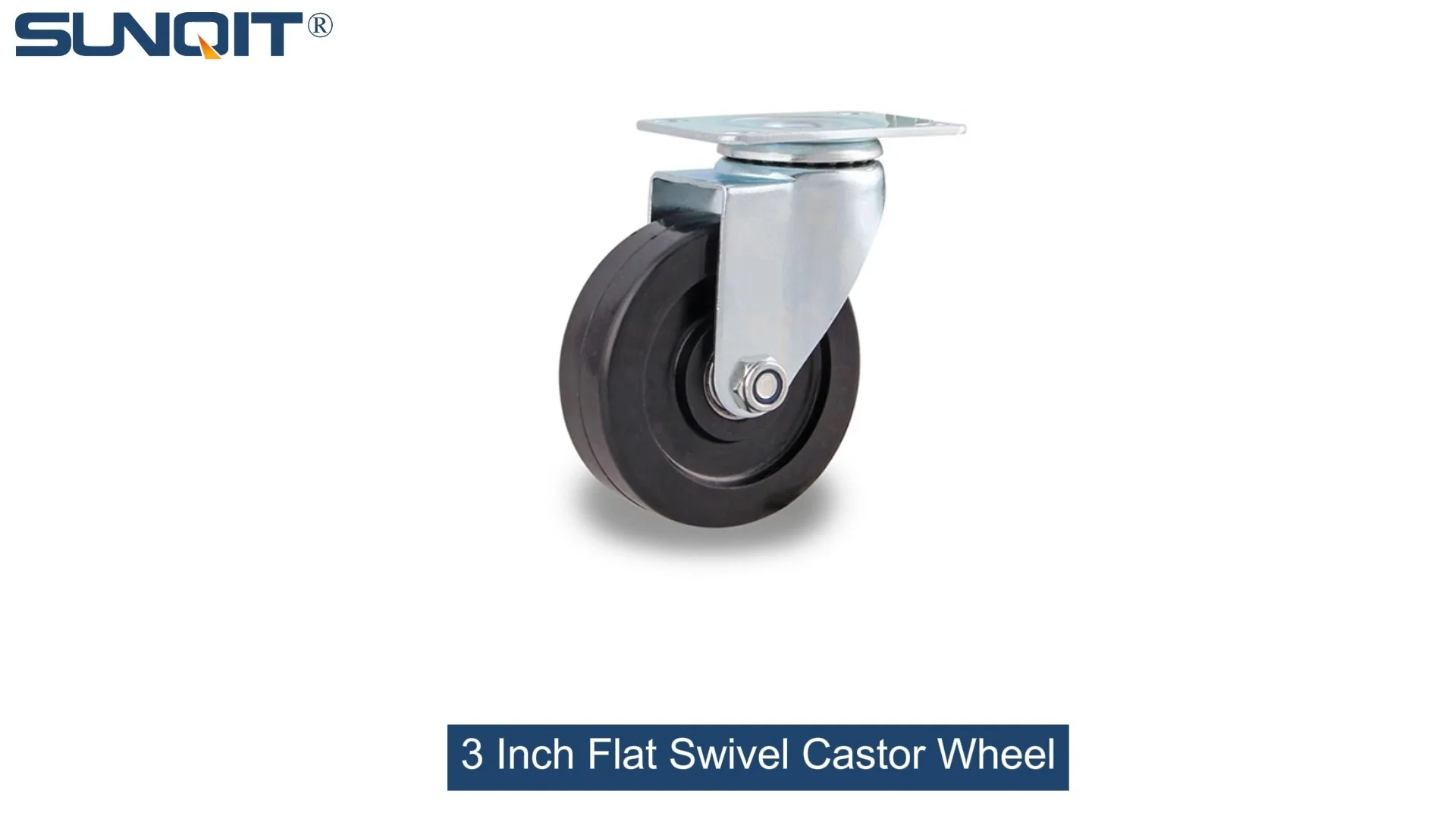
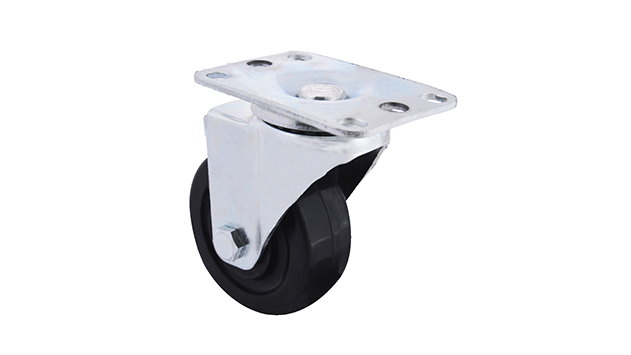
Before diving into tread patterns, let's clarify what we're talking about. A flat swivel castor wheel is a wheel mounted on a swivel bracket, allowing it to rotate 360 degrees. The "flat" refers to the wheel's tread surface, which is designed to sit flush against the floor (unlike spherical or concave wheels). These wheels are everywhere: in warehouses, offices, healthcare facilities, and retail stores. Their versatility makes them a go-to for equipment like workbenches, tool carts, and material handling trolleys.
But here's the thing: Even the best caster wheel —with high-quality bearings and a durable frame—will underperform if its tread pattern is mismatched to the job. Tread patterns are engineered to interact with specific surfaces, environments, and loads. They're not just for show; they're a science of friction, contact area, and debris management.
The Tread Pattern Toolkit: Which One Fits Your Needs?
Tread patterns come in a variety of designs, each tailored to solve specific challenges. Let's break down the most common ones, how they work, and when to choose them.
1. Smooth Tread: Simple, But Not Always Basic
A smooth tread is exactly what it sounds like: a flat, unpatterned surface. At first glance, it might seem like the least effective for traction, but don't dismiss it. Smooth treads excel on clean, flat surfaces like polished concrete, tile, or hardwood. Because they have maximum contact with the floor, they distribute weight evenly, reducing pressure marks (critical in settings like hospitals, where "non-marking" is a must). They're also quiet—no rumbling or squeaking—making them ideal for offices or libraries.
But smooth treads have limits. On wet or oily floors, they struggle. Without grooves to channel away liquids, they act like a suction cup on wet tile, increasing rolling resistance, or slide on oil, putting workers at risk. They're best for indoor, controlled environments where surfaces stay dry and debris-free.
2. Ribbed Tread: Stability for Straight-Line Movement
Ribbed treads feature parallel, longitudinal grooves (like the treads on a highway tire). These grooves are designed to enhance stability during straight-line movement—think of pushing a long trolley down a warehouse aisle. The ribs prevent lateral (side-to-side) slipping, keeping the load steady even on slightly uneven concrete.
But there's a trade-off: ribbed treads don't handle swiveling as smoothly. The parallel grooves can "catch" on floor seams or small debris, making tight turns feel jerky. They're a solid choice for applications where most movement is in a straight line, like conveyor-fed assembly lines or bulk material transport.
3. Herringbone Tread: The All-Rounder for Traction
If there's a "golden mean" of tread patterns, it's herringbone. Named for its V-shaped, fishbone-like grooves, this pattern is a master of balance. The angled grooves channel away water, oil, and debris, making it effective on both dry and slightly wet surfaces. They also provide excellent traction in all directions—forward, backward, and during swiveling—thanks to their crisscrossing design.
Manufacturing plants love herringbone treads for their versatility. They grip well on concrete floors (even with minor oil spills), reduce noise compared to more aggressive patterns, and hold up to heavy loads. Hospitals also use them for emergency carts, where quick, stable movement over linoleum or vinyl floors is critical.
4. Diamond Tread: Grip for Rough or Loose Surfaces
Diamond treads (also called "cleated" treads) have a raised diamond pattern, like tiny pyramids across the wheel's surface. This aggressive design is built for rough, uneven terrain—think outdoor concrete, gravel, or floors covered in sawdust or metal shavings. The diamonds dig into soft or loose surfaces, preventing the wheel from sinking or sliding.
But with great grip comes great noise. Diamond treads are loud on smooth floors, and their raised patterns can leave marks. They're overkill for indoor, clean environments, but indispensable for construction sites, outdoor storage yards, or facilities with gritty, debris-heavy floors.
5. Knurled Tread: Precision for Light Loads and Smooth Surfaces
Knurled treads have tiny, crosshatched indentations (like the texture on a metal wrench). They're subtle but effective for light to medium loads on ultra-smooth surfaces, such as glass, polished marble, or plastic flooring. The indentations create micro-grips, reducing slippage without adding bulk. You'll often find them on lab equipment or precision tool carts, where stability during delicate movements is key.

Beyond Patterns: How Material and Hardness Affect Traction
Tread patterns don't work alone—they team up with the wheel's material and hardness to determine performance. Let's break down these factors:
Material Matters: Rubber, polyurethane, and nylon are the most common caster wheel materials. Rubber offers excellent grip (especially natural rubber) but wears quickly on rough surfaces. Polyurethane (PU) is a hybrid: it combines rubber's grip with plastic's durability, making it ideal for heavy loads and mixed surfaces. Nylon is hard, durable, and low-friction, but it has poor traction on smooth floors (it's better for light loads on concrete).
Hardness (Shore A Scale): A wheel's hardness is measured on the Shore A scale (0 = soft, 100 = hard). Softer wheels (60-70 Shore A) conform to uneven surfaces, increasing contact area and grip—great for rough floors. Harder wheels (80-95 Shore A) roll more easily on smooth surfaces but have less grip (think nylon wheels on tile).
Example: A herringbone tread made of 75 Shore A polyurethane will outperform a herringbone tread made of 90 Shore A nylon on wet concrete. The softer PU conforms to the floor, while the hard nylon slides.

Matching Tread Patterns to Your Workplace: A Practical Guide
Choosing the right tread pattern isn't about picking the "best" one—it's about matching it to your unique environment. Here's how to narrow it down:
For Manufacturing/Industrial Settings
Floors are often concrete, with occasional oil, coolant, or metal chips. Priorities: traction, durability, and debris resistance. Herringbone or ribbed treads in polyurethane are your best bet. Herringbone handles spills; ribbed offers straight-line stability for heavy trolleys.
For Healthcare Facilities
Floors are smooth (linoleum, vinyl), and requirements include quiet operation, non-marking, and infection control (easy to clean). Smooth or herringbone treads in non-marking rubber or PU work best. Avoid aggressive patterns that trap dirt or make noise.
For Warehouses with Mixed Surfaces
Indoor concrete, outdoor gravel, and occasional moisture. Diamond treads for outdoor/rough areas; herringbone for indoor. Some facilities use dual-tread wheels (smooth inner, diamond outer) for versatility.
For Offices/Retail
Polished floors, light loads, and low noise. Smooth or knurled treads in nylon or soft PU. They glide quietly and won't scratch hardwood or tile.
Tread Patterns Compared: A Quick Reference Table
| Tread Pattern | Best Surface | Traction (Dry) | Grip (Wet/Oily) | Noise Level | Common Materials | Ideal Application |
|---|---|---|---|---|---|---|
| Smooth | Polished concrete, tile, hardwood | ★★★★☆ | ★☆☆☆☆ | Low | Rubber, PU (non-marking) | Hospitals, offices, libraries |
| Ribbed | Concrete, linoleum (straight lines) | ★★★★☆ | ★★☆☆☆ | Medium | PU, rubber | Assembly lines, straight-path trolleys |
| Herringbone | Concrete, mixed (dry/wet) | ★★★★★ | ★★★★☆ | Medium-Low | PU, rubber | Manufacturing, healthcare, warehouses |
| Diamond | Gravel, rough concrete, debris-heavy | ★★★★★ | ★★★☆☆ | High | Rubber, nylon (hard) | Construction, outdoor storage |
| Knurled | Smooth, delicate surfaces (glass, marble) | ★★★☆☆ | ★★☆☆☆ | Low | Soft PU, nylon | Lab equipment, precision tool carts |
The Bottom Line: Tread Patterns = Productivity + Safety
At the end of the day, a flat swivel castor wheel's tread pattern is more than a design choice—it's a critical factor in how well your equipment performs. The wrong pattern leads to slow, frustrating movements, increased worker fatigue, and even accidents. The right one turns a chore into a breeze, keeping your team efficient and safe.
So, next time you're shopping for caster wheels or troubleshooting a trolley that won't cooperate, take a closer look at the tread. Ask: What surface am I rolling on? What's the environment like (wet, dry, rough)? What's the load? The answers will guide you to the pattern that fits. And remember: Even the best caster accessories —like brakes or bearings—can't a mismatched tread pattern. It's the foundation of a caster wheel's performance.
Invest in the right tread, and you'll wonder how you ever worked without it.