- Company Articles
- Products and Technology
- Product knowledge
- Flat Swivel Castor Wheel with Brake Materials: Rubber vs. Nylon vs. Polyurethane Comparison

Flat Swivel Castor Wheel with Brake Materials: Rubber vs. Nylon vs. Polyurethane Comparison
Related Product
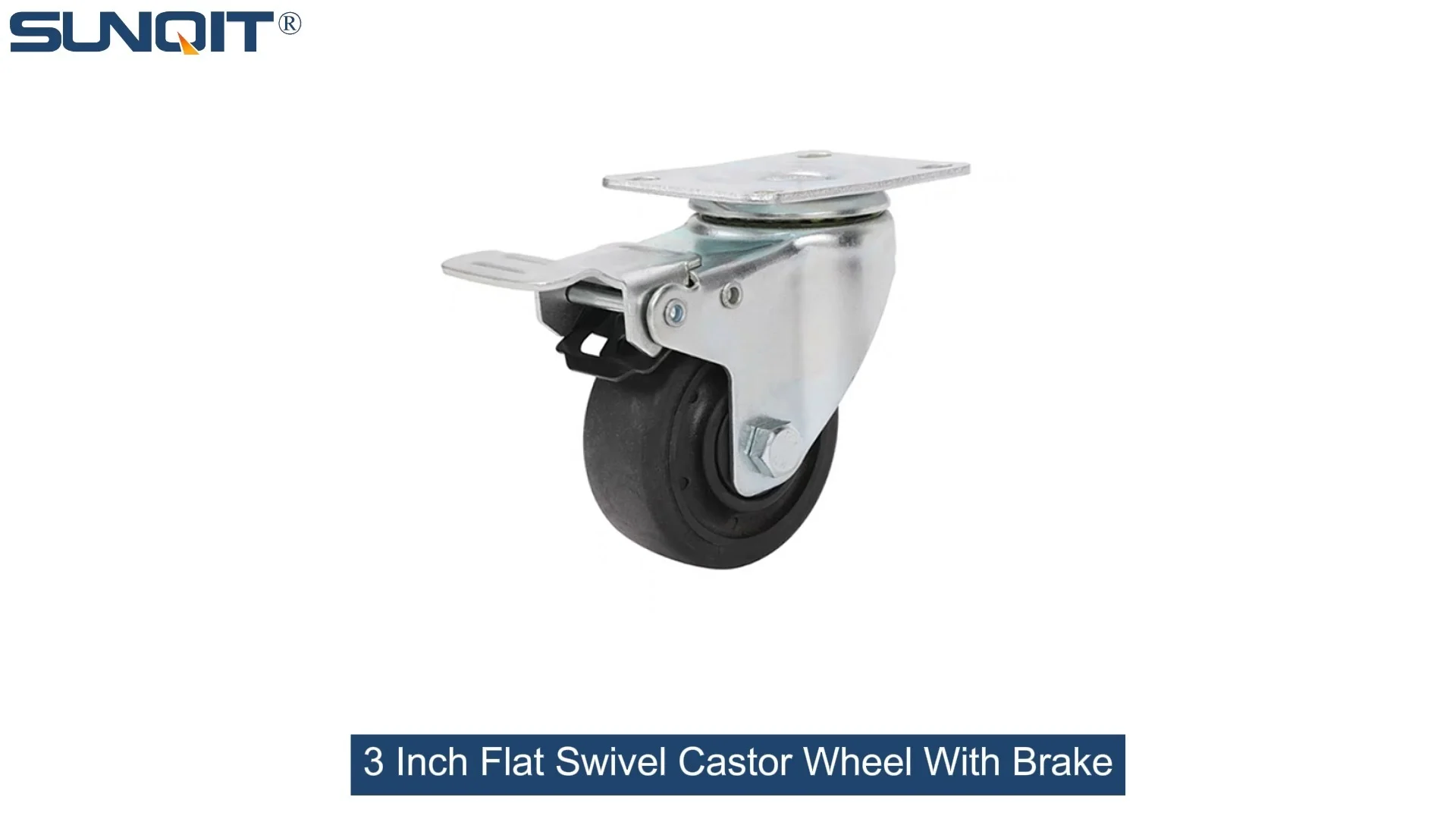
Flat Swivel Castor Wheel With Brake
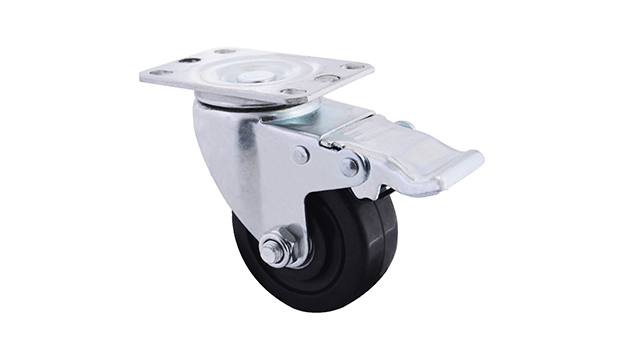
Chair Casters Ball Bearing Wheels Rubber Base with brake design. Resistant to abrasion, impact and corrosion. Heavy payload can hold 70Kgs per pcs,which can make it works at a stable and smooth status.
Let's talk about something that's probably rolling around under your radar—literally. Caster wheels. They're the unsung heroes of workshops, warehouses, hospitals, and even your home office. Whether it's the workbench in your garage, the turnover trolley hauling supplies in a factory, or the medical cart gliding through hospital halls, the right caster wheel can make all the difference in how smoothly (and safely) things move. But here's the thing: not all caster wheels are created equal. And when it comes to flat swivel castors with brakes—the kind that let you move, pivot, and lock into place—choosing the right material is like picking the right shoes for a hike. Wear the wrong pair, and you'll be slipping, sliding, or worse, stuck halfway up the trail.
Today, we're diving deep into three of the most common materials for flat swivel castor wheels with brakes: rubber, nylon, and polyurethane. We'll break down what makes each material tick, where they shine, where they fall short, and how to decide which one is right for your needs. By the end, you'll know whether rubber's grip, nylon's toughness, or polyurethane's versatility is the best fit for your workbench, trolley, or equipment. Let's roll.
Why Material Matters for Flat Swivel Castor Wheels with Brakes
Before we jump into the materials themselves, let's quickly cover why this choice is so important. A flat swivel castor wheel with brake isn't just a "wheel on a stick." It's a precision tool designed to balance mobility, stability, and control. The material of the wheel affects everything from how much weight it can carry to how quietly it rolls, how well it grips the floor, and even how long it lasts. And let's not forget the brake—since these castors come with a braking mechanism, the wheel material can impact how effectively the brake holds, especially under heavy loads or on slippery surfaces.
Think about it: If you're using a turnover trolley in a warehouse to move heavy boxes, a wheel that wears down quickly or can't handle the weight is a recipe for downtime (or worse, accidents). If you're rolling a workbench across a polished hospital floor, a noisy or floor-scratching wheel would be a disaster. And if you're working in a garage with oil spills, a wheel that dissolves when it touches chemicals is definitely not going to cut it. So, material choice? It's not just about "what looks good"—it's about safety, efficiency, and longevity.
Rubber Caster Wheels: The Grip Masters
What Makes Rubber Wheels Tick?
Rubber has been a go-to for caster wheels for decades, and for good reason. It's elastic, flexible, and has a natural ability to grip surfaces. Most rubber caster wheels are made from either natural rubber (derived from rubber trees) or synthetic rubber (like styrene-butadiene rubber, or SBR, which is more common in industrial settings). Synthetic rubber is often blended with other materials to boost durability or resistance to oils and chemicals, but at its core, rubber's claim to fame is its "sticky" nature.
Imagine pressing a rubber ball against a table and trying to slide it—it takes a little force, right? That's the friction we're talking about. Rubber wheels have high coefficient of friction, which means they grip floors tightly, reducing the risk of slipping. They also have a certain "give" to them—kind of like a car tire—so they absorb shocks and vibrations. That makes them great for smooth, quiet rolling, even over small bumps or cracks in the floor.
The Pros of Rubber Caster Wheels
1. Superior Grip: This is rubber's biggest selling point. On smooth surfaces like tile, hardwood, or polished concrete, rubber wheels stick like glue. That's why you'll often find them on medical equipment or office furniture—you don't want a cart full of patient records sliding around when you hit a bump!
2. Quiet Operation: If noise is a concern (and let's be real, when isn't it?), rubber is your friend. Unlike harder materials that clatter, rubber wheels muffle sound as they roll. This is a huge plus in hospitals, libraries, or any environment where peace and quiet matter.
3. Floor Protection: Rubber is soft enough that it won't scratch or scuff delicate floors. Polished hardwood, vinyl, or linoleum? Rubber wheels glide over them without leaving a mark. That's why they're a staple in homes and offices where floor maintenance is a priority.
4. Shock Absorption: Ever pushed a cart with hard wheels over a uneven floor? It's like a rollercoaster ride for whatever's on the cart. Rubber wheels cushion the impact, keeping fragile items (think lab samples or electronics) safe from jostling.
The Cons of Rubber Caster Wheels
1. Not Great for Heavy Loads: Rubber is flexible, but that flexibility has a limit. Under extreme weight, rubber wheels can deform or even flatten out over time. If you're moving something super heavy—like a loaded workbench with power tools—rubber might not be the most durable choice.
2. Vulnerable to Chemicals and High Temperatures: Rubber doesn't play well with oils, solvents, or extreme heat. Spill some motor oil on a rubber wheel, and it might swell, crack, or lose its grip. Leave it in a hot warehouse over the summer, and it could harden or degrade. Not ideal for industrial settings with harsh conditions.
3. Prone to Wear on Rough Surfaces: While rubber loves smooth floors, rough surfaces like gravel, concrete with heavy cracks, or asphalt can chew it up. The soft material wears down quickly, leading to frequent replacements. If your caster wheels will be rolling over anything other than pristine floors, rubber might not last as long as you'd hope.
Best Uses for Rubber Caster Wheels
Rubber wheels are perfect for indoor environments with smooth, clean floors and moderate loads. Think: medical carts, office chairs, lightweight workbenches, or home use (like a kitchen cart). They're also great when noise or floor protection is a top priority—hospitals, schools, and residential settings all benefit from rubber's gentle touch.
Nylon Caster Wheels: The Heavy-Duty Workhorses
What Makes Nylon Wheels Tick?
If rubber is the "grippy" material, nylon is the "tough guy." Nylon is a type of plastic (polyamide, to be technical) known for its strength, rigidity, and resistance to wear. Unlike rubber, which is flexible, nylon is hard and inflexible—think of a plastic toy truck wheel, but supercharged for industrial use. Many nylon caster wheels are "glass-filled," meaning they're blended with glass fibers to make them even stronger and more heat-resistant. This makes them a favorite in warehouses, factories, and any setting where heavy loads are the norm.
Nylon wheels have low coefficient of friction, which sounds like a bad thing, but here's the twist: that means they roll really easily, even under heavy weight. They don't "stick" to the floor like rubber, but they also don't require as much force to get moving. And because they're hard, they don't absorb shocks—but they do stand up to abuse that would destroy rubber.
The Pros of Nylon Caster Wheels
1. Exceptional Load Capacity: Nylon wheels are built to carry heavy stuff. A small nylon caster wheel can often handle 500+ pounds, and larger ones can take on thousands. That's why they're the go-to for industrial equipment, heavy-duty workbenches, and turnover trolleys loaded with metal parts or machinery.
2. Resistant to Chemicals, Oils, and Heat: Unlike rubber, nylon laughs in the face of chemicals. Oil, grease, solvents, even weak acids—nylon wheels can handle them without swelling, cracking, or degrading. They also stand up to high temperatures (up to 250°F or more for glass-filled nylon), making them ideal for hot environments like factories or bakeries.
3. Durable on Rough Surfaces: Nylon's hardness is a superpower on rough floors. Gravel, concrete, asphalt—these surfaces might scratch nylon, but they won't wear it down quickly. Nylon wheels can roll over debris, cracks, and uneven terrain without losing their shape or performance. That's a big win for outdoor use or warehouses with less-than-perfect floors.
4. Low Maintenance: Nylon is a "set it and forget it" material. It doesn't need to be cleaned as often (though you should still wipe off debris), and it rarely needs lubrication. Unlike rubber, it won't dry out or crack over time if left unused. Just install it, and it'll keep rolling for years.
The Cons of Nylon Caster Wheels
1. Noisy and Hard on Floors: Here's the downside of being hard: nylon wheels are loud. Roll a nylon-castered trolley across a tile floor, and you'll hear a high-pitched "screech" or "clatter." They also don't cushion impacts, so bumps in the floor send shocks through the cart (and whatever's on it). Worse, on soft floors like hardwood or vinyl, nylon can scratch or dent—definitely not great if floor appearance matters.
2. Poor Grip on Smooth or Wet Floors: Remember that low coefficient of friction? On smooth, wet, or oily floors, nylon wheels can slip. Without rubber's grip, they're more likely to slide when you're trying to stop or pivot, which can be dangerous with heavy loads. If your workspace has slippery floors, nylon might not be the safest choice.
3. Less Shock Absorption: Nylon doesn't flex, so it doesn't absorb vibrations. If you're moving fragile items (like glassware or electronics), the constant jostling from nylon wheels could lead to breakage. They're better for tough, unbreakable loads.
Best Uses for Nylon Caster Wheels
Nylon wheels are kings of heavy-duty, rough, or industrial environments. Think: warehouses with concrete floors, factories moving metal parts, outdoor equipment (like gardening carts), or turnover trolleys hauling heavy inventory. They're also great in settings with chemicals, oils, or high temperatures—auto shops, manufacturing plants, and bakeries all benefit from nylon's resilience.

Polyurethane Caster Wheels: The Jack of All Trades
What Makes Polyurethane Wheels Tick?
If rubber is the grippy friend and nylon is the tough bodybuilder, polyurethane (often called "PU") is the Swiss Army knife of caster wheel materials. Polyurethane wheels are made by pouring liquid urethane over a core (usually metal, nylon, or rubber) and letting it cure into a solid wheel. This unique construction gives them the best of both worlds: the elasticity and grip of rubber, and the strength and durability of nylon. It's like having a tire that's both soft and tough—no wonder polyurethane is one of the most popular choices for flat swivel castor wheels with brakes.
Polyurethane comes in different "Shore hardness" ratings, which measure how soft or hard the material is. A lower Shore rating (like 60A) means a softer, more flexible wheel (great for grip and shock absorption), while a higher rating (like 95A) means a harder, more durable wheel (better for heavy loads). This versatility lets manufacturers tailor polyurethane wheels to specific needs, making them adaptable to almost any environment.
The Pros of Polyurethane Caster Wheels
1. Balances Grip, Durability, and Load Capacity: This is polyurethane's claim to fame. It grips floors almost as well as rubber (especially softer PU), handles heavy loads like nylon (especially harder PU), and lasts longer than both on most surfaces. It's the ultimate compromise for settings where you need a little bit of everything.
2. Quiet and Floor-Friendly: Unlike nylon, polyurethane wheels roll quietly—thanks to their rubber-like elasticity. They also won't scratch or scuff floors, even on hardwood or vinyl. That makes them a great middle ground between rubber (too soft) and nylon (too hard) for indoor spaces where noise and floor protection matter, but you still need more durability than rubber can offer.
3. Resistant to Chemicals, Oils, and Temperature Extremes: Polyurethane holds up better than rubber to oils, solvents, and heat (though not quite as well as nylon in extreme cases). It won't swell, crack, or degrade when exposed to most industrial chemicals, and it can handle temperatures from -40°F to 200°F (depending on the formulation). That makes it versatile for both indoor and light outdoor use.
4. Shock Absorption Without the Wear: Like rubber, polyurethane absorbs shocks, protecting fragile items from jostling. But unlike rubber, it doesn't wear down quickly on rough surfaces. It's tough enough to roll over concrete, gravel, or asphalt without falling apart, making it ideal for mixed environments (indoor and outdoor, smooth and rough floors).
The Cons of Polyurethane Caster Wheels
1. More Expensive Than Rubber or Nylon: Quality comes at a price. Polyurethane wheels cost more upfront than rubber or nylon. If you're on a tight budget and don't need the extra features, you might be tempted to go with a cheaper material. But keep in mind: polyurethane often lasts longer, so it can save you money in replacements over time.
2. Can Soften in High Heat (Extreme Cases): While polyurethane handles moderate heat well, extreme temperatures (over 200°F for extended periods) can cause it to soften or deform. It's not as heat-resistant as glass-filled nylon, so in super-hot environments (like near furnaces or ovens), nylon might still be better.
3. Heavier Than Rubber: Because polyurethane wheels often have a metal or nylon core, they're heavier than solid rubber wheels. This extra weight can be a downside if you need ultra-lightweight mobility (though for most industrial uses, the weight difference is negligible).
Best Uses for Polyurethane Caster Wheels
Polyurethane wheels are the ultimate all-rounders. They work in almost any setting: warehouses with mixed floor types, medical facilities (quiet and floor-friendly), auto shops (resistant to oils), retail stores (smooth and quiet), and even outdoor use (light rain, rough pavement). If you're not sure whether to pick rubber or nylon, polyurethane is probably the safe bet—it's like having a caster wheel that can adapt to whatever you throw at it.

Rubber vs. Nylon vs. Polyurethane: The Ultimate Comparison
Still trying to wrap your head around which material is right for you? Let's break it down side by side. The table below compares key factors like load capacity, noise, floor protection, and more to help you see the differences at a glance.
| Factor | Rubber | Nylon | Polyurethane |
|---|---|---|---|
| Load Capacity | Low to moderate (up to ~500 lbs per wheel) | High to extreme (up to ~2,000+ lbs per wheel) | Moderate to high (up to ~1,500 lbs per wheel, depending on hardness) |
| Noise Level | Very quiet (soft, absorbs sound) | Loud (hard, clatters on smooth floors) | Quiet to moderate (softer than nylon, absorbs sound like rubber) |
| Floor Protection | Excellent (won't scratch or scuff) | Poor (can scratch soft floors like hardwood/vinyl) | Excellent (gentle on floors, like rubber) |
| Grip (on dry, smooth floors) | Excellent (high friction) | Poor to moderate (low friction, can slip) | Very good to excellent (similar to rubber, depending on hardness) |
| Durability on Rough Surfaces | Poor (wears down quickly) | Excellent (hard, resists abrasion) | Good to very good (tough outer layer resists wear) |
| Chemical/Oil Resistance | Poor (swells, cracks, or degrades) | Excellent (resists most chemicals and oils) | Good to excellent (resists most chemicals; better than rubber, slightly less than nylon) |
| Heat Resistance | Poor (degrades above 150°F) | Excellent (glass-filled nylon handles up to 250°F+) | Good (handles up to 200°F; varies by formulation) |
| Shock Absorption | Excellent (flexible, cushions impacts) | Poor (hard, transmits vibrations) | Good to excellent (softer PU absorbs shocks; harder PU less so) |
| Cost | Low to moderate | Moderate | Moderate to high (most expensive upfront) |
| Best For | Indoor, smooth floors, light loads, noise/floor protection | Heavy loads, rough/industrial floors, chemicals/heat | Mixed environments, balance of grip/durability, most versatile |
Real-World Applications: How Material Choice Impacts Your Workbench, Trolley, and More
Example 1: The Mechanic's Workbench
Imagine you're a mechanic with a rolling workbench in your garage. The bench holds tools, parts, and maybe even an engine block (heavy!). You roll it across concrete floors (rough, with oil spills), and you need it to stop quickly when you're working (hence the brake). What material do you choose? Rubber would wear down on the concrete and get ruined by oil. Nylon could handle the weight and oil, but it might scratch the floor and is loud. Polyurethane? It's resistant to oil, handles the weight, rolls quietly, and won't scratch—perfect for a busy garage.
Example 2: The Hospital Medical Cart
A hospital medical cart needs to roll quietly (no waking patients), protect the polished floors (no scratches), and grip well (no sliding when stopping). It carries moderate loads (medications, supplies) and might encounter cleaning chemicals (but not heavy oils). Rubber would work here, but polyurethane is even better—it's more durable than rubber, still quiet and floor-friendly, and resists the cleaning chemicals better. Nylon would be too loud and scratch the floors, so it's out.
Example 3: The Warehouse Turnover Trolley
A turnover trolley in a warehouse hauls heavy boxes (500+ lbs) across concrete floors (rough, with debris). It needs to last for years without replacement. Rubber would wear down in months and can't handle the weight. Nylon is perfect here—high load capacity, tough on rough floors, and low maintenance. Polyurethane could work too, but nylon is often cheaper for heavy-duty use, so it's the practical choice.
Maintenance Tips for Flat Swivel Castor Wheels with Brakes
No matter which material you choose, taking care of your caster wheels (and their brakes) will extend their life and keep them rolling smoothly. Here are some quick tips to keep in mind:
1. Clean the Wheels Regularly: Dirt, debris, and hair can get stuck in the wheels or around the brake mechanism, causing them to jam or roll unevenly. Wipe rubber and polyurethane wheels with a damp cloth; use a brush to dislodge gunk from nylon wheels (they're tougher, so a little scrubbing won't hurt).
2. Check the Brakes Often: The brake is just as important as the wheel! Make sure the brake lever moves freely, and that it fully locks the wheel when engaged. If the brake feels loose or doesn't hold, tighten the caster accessories (like bolts or springs) or replace worn parts—don't wait for it to fail completely.
3. Lubricate Moving Parts: The swivel joint (which lets the caster pivot) and the axle (which connects the wheel to the frame) need lubrication to move smoothly. Use a dry lubricant (like silicone spray) for rubber or polyurethane wheels (oil-based lubes can degrade rubber), and a light machine oil for nylon wheels. Do this every 3-6 months, depending on use.
4. replace Worn Wheels Promptly: If you notice cracks, flat spots, or uneven wear on the wheel, replace it ASAP. A worn wheel can cause the cart or workbench to wobble, strain the brake, or even damage the floor. It's better to spend a little on a new wheel than risk an accident.
5. Avoid Overloading: Every caster wheel has a maximum load rating—don't exceed it! Overloading can bend the frame, break the brake, or permanently deform the wheel (especially rubber). If you need to carry heavier loads, upgrade to a higher-capacity caster or add more wheels.
Final Thoughts: Choosing the Right Material for Your Needs
At the end of the day, there's no "best" material for flat swivel castor wheels with brakes—only the best material for your needs. Rubber is great for quiet, indoor, light-load situations. Nylon is the heavy-duty champ for rough, industrial settings. Polyurethane is the versatile all-rounder that works almost anywhere. The key is to assess your environment: What's the floor like? How heavy is the load? Are there chemicals or heat involved? Do you need it to be quiet or protect floors?
Remember, the caster wheel is the foundation of your equipment's mobility. A cheap, poorly chosen wheel can lead to frustration, downtime, or even accidents. Invest a little time in choosing the right material, and you'll have a caster wheel that rolls smoothly, lasts longer, and keeps your workbench, trolley, or cart moving safely for years to come. Now go out there and roll with confidence!