- Company Articles
- Products and Technology
- Product knowledge
- Flat Swivel Castor Wheels for Automotive Parts Storage Racks: Mobility Tips

Flat Swivel Castor Wheels for Automotive Parts Storage Racks: Mobility Tips
Related Product
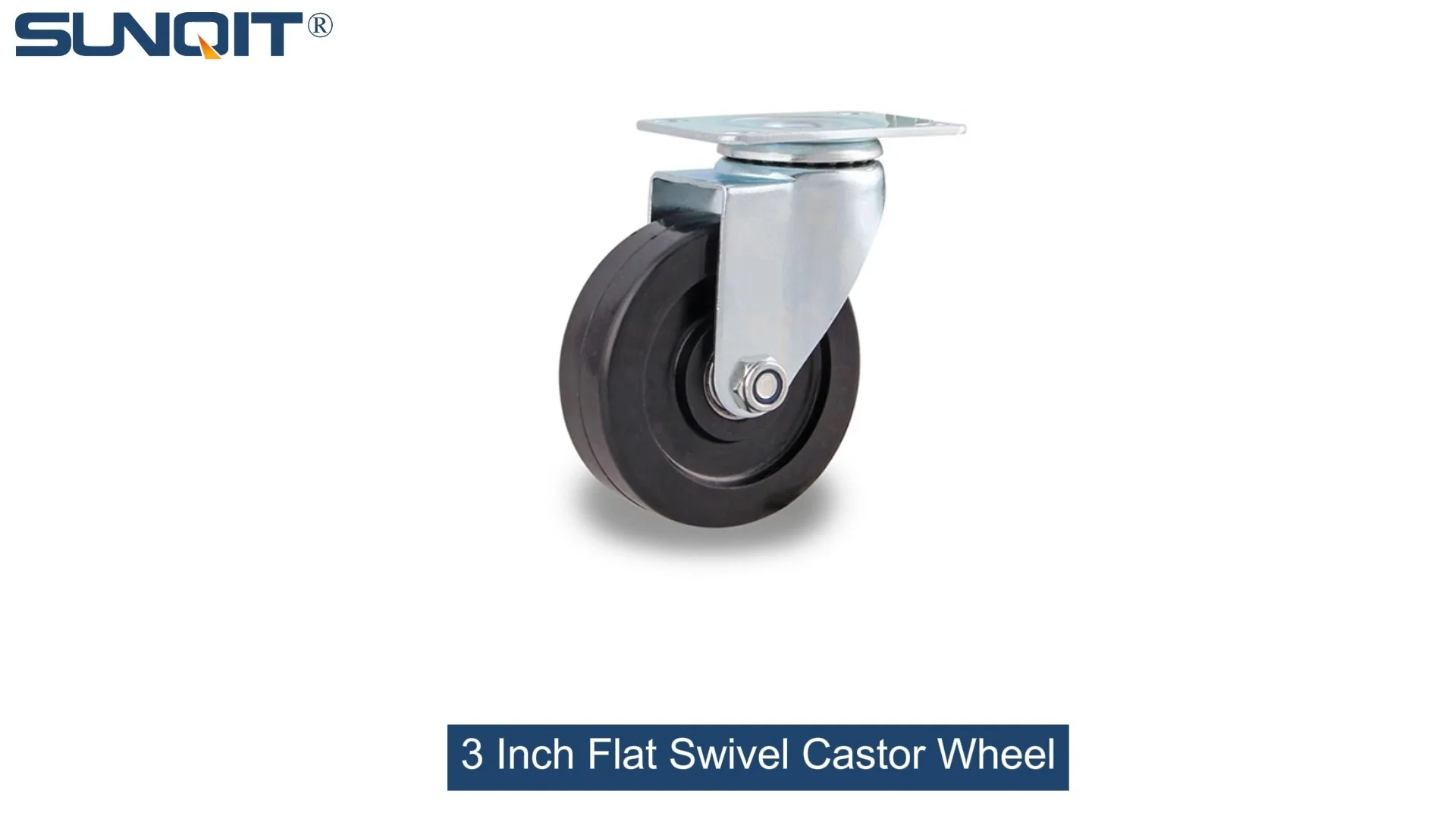
Flat Swivel Castor Wheel
Chair Casters Ball Bearing Wheels Rubber Base. Resistant to abrasion, impact and corrosion. Heavy payload can hold 70-90Kgs per pcs,which can make it works at a stable and smooth status.
Walk into any busy automotive parts warehouse, and you'll quickly notice the rhythm of the space: forklifts humming, workers darting between aisles, and the constant need to retrieve, organize, and transport parts—from tiny screws and gaskets to bulky engine blocks and transmissions. In this fast-paced environment, efficiency isn't just a buzzword; it's the backbone of keeping operations running smoothly. But here's the thing: many warehouses still rely on static storage racks—heavy, immovable structures that force workers to waste precious time walking back and forth, or struggling to maneuver parts around fixed obstacles. That's where mobility comes in. And at the heart of that mobility? Flat swivel castor wheels. These small but mighty components have quietly revolutionized how automotive parts storage racks operate, turning once-clunky systems into agile, flexible tools that adapt to the needs of your team. In this article, we'll dive deep into everything you need to know about flat swivel castor wheels—how they work, why they matter, and how to make the most of them in your automotive parts storage setup.
1. Understanding Flat Swivel Castor Wheels: More Than Just "Wheels on a Rack"
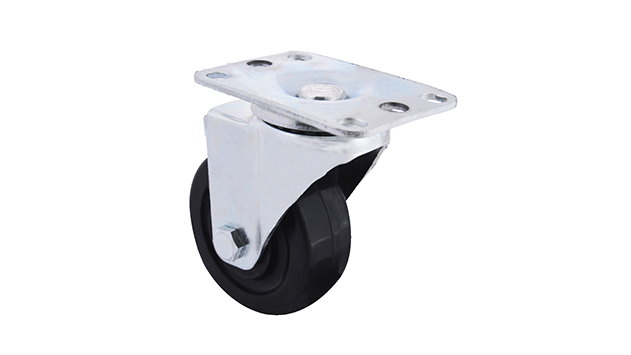
Let's start with the basics: What exactly is a flat swivel castor wheel, and how is it different from the casters you might find on a office chair or a shopping cart? At first glance, they might seem similar—after all, they both have wheels that rotate. But in the context of automotive parts storage, the stakes are higher. We're talking about supporting hundreds, even thousands, of pounds of metal parts, so durability and precision matter. A flat swivel castor wheel is designed with a low-profile, flat mounting plate that attaches directly to the base of a storage rack, turnover trolley, or workbench. Unlike rigid casters (which only roll forward and backward), swivel casters can rotate 360 degrees, allowing the rack to pivot, turn, and glide in any direction—even in tight spaces. This flexibility is a game-changer in warehouses where every inch of space counts.
But what makes these casters "flat"? The mounting plate. Traditional casters might have a raised or angled plate, but flat plates sit flush against the bottom of the rack, lowering the overall center of gravity. Why does that matter? Stability. When you're dealing with tall racks stacked with heavy parts, a lower center of gravity reduces the risk of tipping—a critical safety feature in busy environments. Plus, the flat design makes installation easier; you don't have to worry about awkward angles or misalignment during setup.
Key Features to Look For
Not all flat swivel castor wheels are created equal. When shopping for your storage racks, keep an eye out for these must-have features:
- Load Capacity: This is non-negotiable. Automotive parts are heavy—think about a full material rack b (3 row and 3 floor) loaded with brake components or suspension parts. Check the caster's load rating (usually listed in pounds or kilograms) and ensure it can handle not just the weight of the rack itself, but also the maximum load of parts you'll store on it. A good rule of thumb? Opt for casters with a load capacity 20% higher than your estimated needs to account for unexpected heavy items.
- Wheel Material: The floor of your warehouse matters here. If you have smooth concrete, polyurethane wheels are a great choice—they're quiet, non-marking, and offer good traction. For rough or uneven floors, rubber wheels absorb shocks and roll more smoothly. If you're dealing with oils, chemicals, or extreme temperatures (like in a parts cleaning area), consider nylon wheels, which are resistant to corrosion and wear.
- Swivel Mechanism: A high-quality swivel joint is what allows the caster to rotate freely. Look for casters with ball bearings in the swivel head—they reduce friction, making it easier to turn even when the rack is fully loaded. Avoid cheap plastic swivel mechanisms; they'll wear out quickly and leave you with a caster that sticks or locks up.
- Brake System: Mobility is great, but sometimes you need your rack to stay put—like when you're loading or unloading parts, or when it's parked in a specific workstation. Many flat swivel casters come with built-in brakes, either "total lock" (which locks both the wheel and the swivel) or "wheel lock" (which only stops the wheel from rolling). Total lock brakes are safer for heavy loads, as they prevent accidental movement in any direction.
2. Why Automotive Parts Storage Needs Smart Mobility
You might be thinking, "We've gotten by with static racks for years—why fix what isn't broken?" Here's the reality: static racks slow you down. Let's say a mechanic needs a specific set of spark plugs stored on the top shelf of a static rack in Aisle 5. They have to walk to Aisle 5, climb a ladder, grab the box, and walk back. Multiply that by dozens of parts requests a day, and you're looking at hours of wasted time. Now, imagine that same rack is on flat swivel castor wheels. The mechanic can simply roll the entire rack to their workbench, grab what they need, and roll it back. That's efficiency.
Mobility also supports lean system principles—reducing waste, streamlining workflows, and improving productivity. In lean manufacturing, "motion waste" (unnecessary movement of people or equipment) is one of the biggest enemies. Flat swivel castor wheels eliminate this by bringing the parts to the worker, not the other way around. They also make it easier to reorganize your warehouse layout on the fly. Need to create more space for a new shipment? Roll racks out of the way. Launching a new assembly line? Reposition storage units to be closer to the line. No moreing and rebuilding static racks—just quick, easy adjustments.
And let's not forget safety. Static racks often require workers to stretch, reach, or use ladders to access high or low shelves, increasing the risk of strains, falls, or dropped parts. With mobile racks, you can position the shelf at waist height, making loading and unloading safer and more ergonomic. Plus, in emergency situations—like a spill or equipment breakdown—mobile racks can be quickly moved to clear pathways or protect parts from damage.
3. Choosing the Right Flat Swivel Castor Wheels: A Buyer's Guide
Now that you understand why flat swivel castor wheels are a game-changer, let's talk about how to choose the right ones for your needs. With so many options on the market, it's easy to feel overwhelmed—but breaking it down into a few key questions will help you narrow it down.
Step 1: Assess Your Storage Racks and Loads
Start by taking inventory of your existing storage equipment. What types of racks do you have? Are they metal, wood, or plastic? How heavy are they when empty? Then, think about the parts you store: Are they small and lightweight (like fuses or clips) or large and dense (like axles or transmissions)? For example, a turnover trolley and rack used for transporting small parts might only need lightweight casters, while a material rack b (3 row and 3 floor) loaded with engine parts will require heavy-duty options.
Step 2: Consider Your Warehouse Environment
Your warehouse's unique conditions will dictate the best caster for the job. Ask yourself:
- Floor Type: Smooth concrete, rough asphalt, or epoxy-coated floors? As mentioned earlier, wheel material depends on this.
- Space Constraints: Do you have narrow aisles or tight corners? Look for casters with a smaller wheel diameter (4-5 inches) for better maneuverability in tight spaces. Larger wheels (6-8 inches) roll more easily over rough floors but need more clearance.
- Exposure to Elements: Are there areas with moisture, oil, or chemicals? Stainless steel or galvanized casters resist rust, making them ideal for these environments.
Step 3: Don't Overlook Caster Accessories
Caster accessories might seem like afterthoughts, but they can make a big difference in performance and longevity. Here are a few worth investing in:
- Mounting Plates: If your rack doesn't already have pre-drilled holes for casters, you'll need mounting plates to attach them securely. Look for plates made of thick steel—they distribute the weight evenly and prevent bending.
- Washers and Lock Nuts: These might come with your casters, but if not, pick up heavy-duty versions. They prevent the bolts from loosening over time, which is crucial for safety.
- Caster Cups: If you park mobile racks in the same spot regularly, caster cups (small rubber or plastic cups that sit under the wheels) protect your floors from indentations and make it easier to reposition the rack later.

4. Installation Tips: Getting Your Casters Rolling (Safely)
You've chosen the perfect flat swivel castor wheels—now it's time to install them. While this might seem like a simple DIY job, cutting corners here can lead to wobbly racks, damaged floors, or even accidents. Follow these steps for a secure, long-lasting installation:
Pre-Installation Prep
First, clear the area around the rack. You'll need space to flip the rack (if possible) or work underneath it. Gather your tools: a drill (with bits matching your bolts), a wrench or socket set, a level, and a tape measure. If the rack is heavy, enlist a helper—you don't want to risk straining your back or damaging the rack.
Step-by-Step Installation
- Clean the Rack Base: Dust, grease, or rust on the bottom of the rack can prevent the mounting plate from sitting flush. Wipe it down with a rag and, if needed, use a wire brush to remove rust.
- Mark Mounting Holes: Place the caster's mounting plate on the rack base, making sure it's centered and aligned with the edge (this prevents the rack from tipping). Use a pencil to mark the hole positions. For stability, install casters at the four corners of the rack—never just two in the middle.
- Drill Pilot Holes: If the rack doesn't have pre-drilled holes, drill pilot holes slightly smaller than the diameter of your bolts. This makes it easier to drive the bolts in and prevents the metal from cracking.
- Attach the Casters: Place the mounting plate over the pilot holes, insert the bolts, and tighten them with a wrench. Don't over-tighten—this can strip the threads or warp the mounting plate. A good rule is to tighten until the plate is secure, then give it a quarter-turn more.
- Test for Level: Once all casters are installed, stand the rack upright and use a level to check if it's balanced. If it wobbles, one caster might be higher than the others. Adjust the bolts or add washers under the mounting plate to level it out.
- Test the Brakes: Lock the brakes and try to push the rack. It shouldn't move. If it does, the brakes might need adjustment—consult the caster's manual for how to tighten or align them.

5. Maintenance Essentials: Keeping Your Casters Rolling Smoothly
Even the best flat swivel castor wheels won't last forever without proper care. Regular maintenance not only extends their lifespan but also ensures they stay safe and functional. Think of it like changing the oil in a car—skip it, and you'll end up with costly repairs down the line. Here's a simple maintenance routine to follow:
| Maintenance Task | Recommended Frequency | Key Notes |
|---|---|---|
| Inspect wheel tread for wear | Weekly | Look for cracks, flat spots, or uneven wear. replace wheels if tread depth is less than 2mm. |
| Clean debris from swivel joints | Bi-weekly | Use a brush or compressed air to remove dirt, hair, or metal shavings that can jam the swivel. |
| Lubricate swivel joints and wheel bearings | Monthly | Use lithium-based grease for metal components. Avoid oil-based lubricants—they attract dust. |
| Check brake functionality | Daily (before use) | Test locks to ensure they engage fully. Adjust or replace brake pads if they slip. |
| Tighten mounting bolts | Quarterly | Vibration from rolling can loosen bolts. Use a torque wrench to ensure they're tight to specs. |
| Inspect caster accessories (washers, nuts) | Quarterly | replace any bent, rusted, or stripped hardware immediately. |
Pro tip: Keep a small maintenance kit near your storage area, including a grease gun, wrench set, replacement washers, and a brush. This makes it easy to tackle quick fixes before they become big problems.
6. Troubleshooting Common Caster Issues
Even with regular maintenance, you might run into issues with your flat swivel castor wheels. Here's how to diagnose and fix the most common problems:
Casters Stick or Won't Swivel
This is usually caused by debris in the swivel joint or dry bearings. Start by cleaning the swivel head with compressed air. If that doesn't work, apply a small amount of lubricant to the joint. If the caster still sticks, the bearings might be worn out—you'll need to replace the swivel head or the entire caster.
Rack Wobbles When Rolling
Wobbling is often a sign of uneven casters or loose bolts. Check if all four casters are touching the floor—use a level to confirm. If one is off, add washers under the mounting plate. If the bolts are loose, tighten them. If the problem persists, inspect the wheels for uneven wear—replace any wheels that are cracked or misshapen.
Brakes Fail to Lock
If the brakes won't engage, first check for debris blocking the brake pad (like a small rock or piece of plastic). Remove it and try again. If the pad is worn down (less than 1mm thick), replace it—most caster manufacturers sell replacement brake pads as caster accessories. If the brake lever feels loose, tighten the nut that connects it to the caster body.
Wheels Leave Marks on the Floor
Non-marking wheels should solve this, but if you're still seeing marks, it might be due to oil or grease on the wheels. Wipe them down with a degreaser. If the floor itself is dirty (with oil or rubber residue), clean it with a floor scrubber—marks are often just dirt being picked up and transferred by the wheels.
7. Integrating Castors into a Lean System: Beyond Just Mobility
Flat swivel castor wheels aren't just about making racks move—they're about building a leaner, more efficient warehouse. Lean system principles focus on eliminating waste, and mobility is a powerful tool for that. Here's how to take your caster setup to the next level:
Create "Mobile Workstations"
Pair a mobile storage rack with a workbench to create a workstation that moves with your team. For example, if a mechanic is working on a car in Bay 5, roll the rack of needed parts right next to the workbench. When they move to Bay 6, the rack goes with them. This cuts down on walking time and keeps tools and parts within arm's reach.
Implement Kanban Systems
Kanban is all about "pull" inventory—only restocking parts when they're needed. Mobile racks make this easier: color-code racks by part type (e.g., red for brake parts, blue for electrical), and when a bin is empty, roll the rack to the receiving area to restock. This reduces overstocking and keeps your warehouse organized.
Optimize Space with "On-Demand" Storage
Instead of dedicating permanent floor space to static racks, use mobile racks that can be stored in a back area when not in use. During peak hours, roll them out to the main floor; during slow times, tuck them away to free up space for other tasks (like inventory counts or deep cleaning).
8. Final Thoughts: Investing in Mobility Pays Off
At the end of the day, flat swivel castor wheels might seem like a small upgrade, but their impact on your automotive parts warehouse is huge. They turn static, inefficient storage into a dynamic, responsive system that adapts to your team's needs. They reduce worker fatigue, cut down on wasted time, and make your warehouse safer. And when you pair them with smart maintenance, careful selection, and lean system principles, you're not just buying wheels—you're investing in a more productive, profitable operation.
So, whether you're upgrading an existing material rack b (3 row and 3 floor), outfitting a new turnover trolley and rack, or building a fleet of mobile workstations, don't overlook the power of a good caster. Your team will thank you, your customers will notice the faster service, and your bottom line will reflect the savings in time and effort. After all, in the world of automotive parts storage, the ability to move quickly isn't just an advantage—it's essential.