- Company Articles
- Products and Technology
- Product knowledge
- Flat Swivel Castor Wheels for Automotive Tool Carts: Requirements & Selection

Flat Swivel Castor Wheels for Automotive Tool Carts: Requirements & Selection
Related Product
Flat Swivel Castor Wheel
Chair Casters Ball Bearing Wheels Rubber Base. Resistant to abrasion, impact and corrosion. Heavy payload can hold 70-90Kgs per pcs,which can make it works at a stable and smooth status.
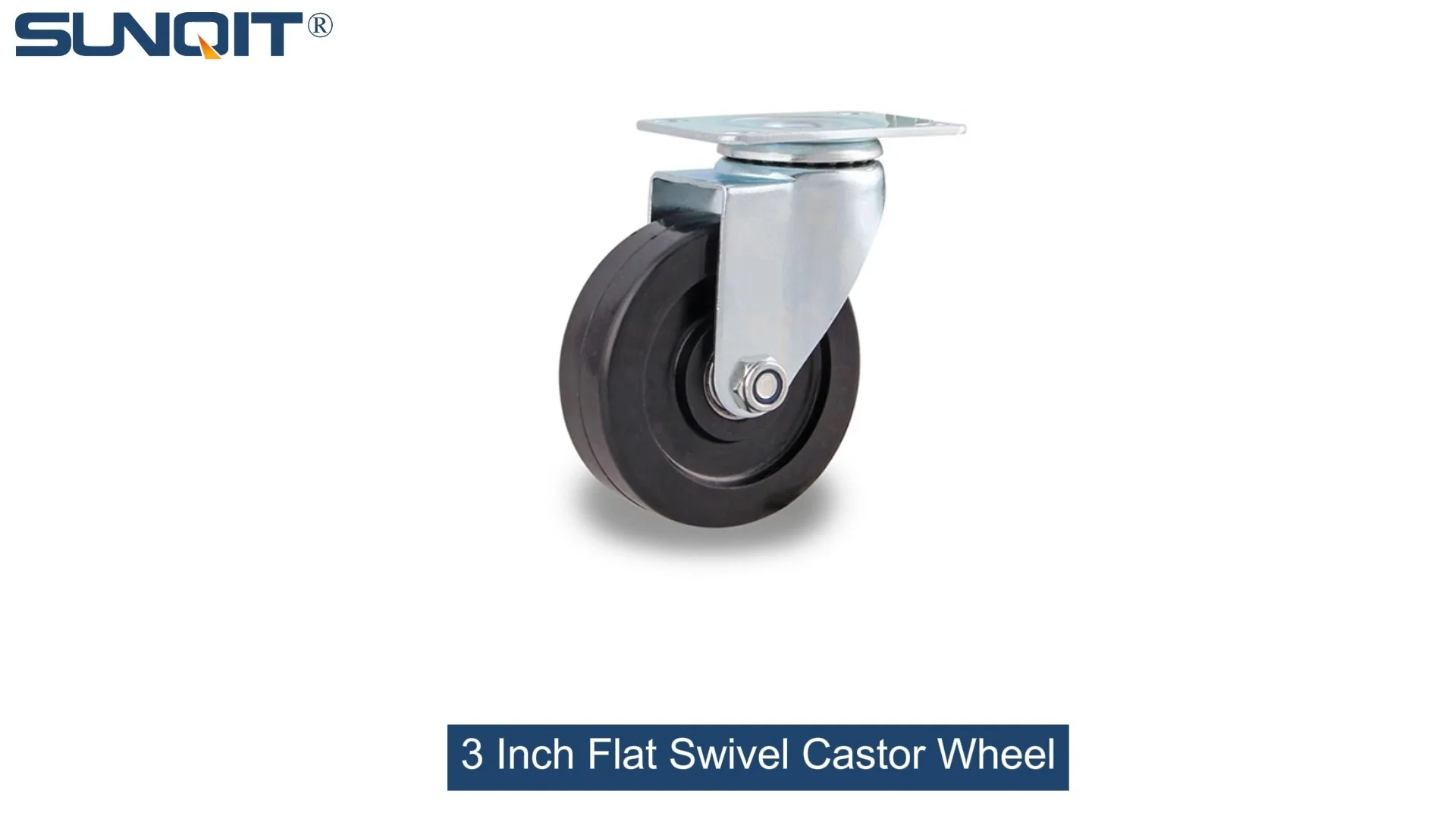
Walk into any busy automotive workshop, and you'll quickly notice the unsung heroes keeping operations moving: tool carts. These mobile workstations carry everything from socket sets and torque wrenches to diagnostic scanners and spare parts, making them indispensable for mechanics and technicians. But what makes a tool cart truly effective? Beyond its storage capacity or durability, the answer often lies in its mobility—and that's where flat swivel castor wheels come into play.
Flat swivel castor wheels are the quiet workhorses beneath these carts, enabling smooth movement across shop floors, easy navigation around tight corners, and stable positioning when tasks demand precision. Choosing the right set, however, isn't as simple as picking the first pair you see. The wrong castors can lead to frustrating jams, premature wear, or even safety hazards in a space where every second counts. In this guide, we'll break down the critical requirements for flat swivel castor wheels on automotive tool carts and walk through how to select the perfect pair for your workshop's needs.
Key Requirements for Flat Swivel Castor Wheels in Automotive Settings
Automotive workshops are harsh environments. Floors are often concrete or epoxy-coated, oil and grease spills are common, and tool carts regularly carry heavy loads—sometimes upwards of 500 pounds or more. For flat swivel castor wheels to thrive here, they must meet specific demands. Let's dive into the non-negotiable requirements.
1. Load Capacity: Handling the Weight of Heavy Tools
First and foremost, a castor wheel must support the total weight of the tool cart plus its contents. Underestimating this can lead to bent axles, cracked wheels, or even cart tipping—all of which risk damage to tools or injury to workers. To calculate the required load capacity, start by adding the weight of the empty cart (typically 50–100 pounds for steel or aluminum models) to the average weight of tools and parts it will carry. A good rule of thumb is to add a 30% safety margin to this total to account for sudden impacts, uneven loading, or occasional overloading.
For example, if your cart weighs 75 pounds and you regularly load it with 300 pounds of tools, the total is 375 pounds. With a 30% buffer, you'll need castors rated for at least 487.5 pounds. Since castors are usually sold in sets of four, divide this total by four to get the minimum load rating per wheel: ~122 pounds per castor. Opting for a higher rating than strictly necessary isn't just overkill—it's smart. It reduces wear and extends the life of the castors, especially in high-use environments.
2. Durability: Withstanding the Rigors of the Workshop
Automotive workshops are no place for delicate equipment. Castor wheels here face constant punishment: daily use, exposure to oil, grease, and cleaning chemicals, and frequent impacts from dropped tools or collisions with lifts and workbenches. Durability starts with the wheel material and construction.
The wheel core, often made of steel or reinforced plastic, must resist bending or cracking under pressure. The tread—the outer layer that touches the floor—needs to stand up to abrasion from concrete and chemical exposure. For example, polyurethane treads are popular in workshops because they're resistant to oil and grease, while rubber treads offer better shock absorption but may degrade faster in harsh chemical environments. Additionally, the swivel mechanism (the part that allows the wheel to rotate 360 degrees) must be sealed to prevent dirt, metal shavings, or oil from gumming up the bearings—a common issue in dusty or greasy shops.
3. Maneuverability: Navigating Tight Spaces with Ease
Automotive workshops are rarely spacious. Between vehicle lifts, diagnostic bays, and storage racks, tool carts often need to squeeze through narrow gaps or pivot sharply to reach a workbench or vehicle. A flat swivel castor wheel's ability to maneuver smoothly is make-or-break here.
Swivel radius is a key factor: the smaller the radius, the tighter the cart can turn. Look for castors with a swivel radius of 2–3 inches for maximum agility. Bearings also play a role. Ball bearings are standard for light to medium loads, offering smooth rotation with minimal friction. For heavier carts, tapered roller bearings distribute weight more evenly, reducing wear and ensuring the swivel action stays fluid even after months of use. Imagine a mechanic needing to navigate a loaded cart around a parked car and into a service bay—clunky, unresponsive castors would turn a 30-second task into a frustrating minute-long struggle.
4. Floor Protection: Preserving Workshop Surfaces
Many modern workshops invest in epoxy-coated or polished concrete floors to improve cleanliness and safety. Scratches, scuffs, or gouges from metal wheels not only mar the appearance but can also create tripping hazards or trap dirt and oil. Flat swivel castor wheels must balance durability with floor-friendliness.
Soft tread materials like rubber or polyurethane are gentler on floors than hard plastics or steel. Polyurethane, in particular, offers a sweet spot: it's tough enough to handle heavy loads but has enough give to avoid leaving marks. Some castors even feature "non-marking" treads, dyed with pigments that won't transfer to floors (a must if your shop has light-colored epoxy). For workshops with older, rough concrete floors, a harder tread like nylon may be preferable—it resists cuts from debris but should still be checked for sharp edges that could catch on cracks.
5. Locking Mechanism: Stability When You Need It Most
Mobility is critical, but so is stability. When a mechanic is leaning on the cart to reach for a tool or using it as a temporary work surface, the last thing they need is the cart rolling away. A reliable locking mechanism is therefore essential for flat swivel castor wheels.
Two common types of locks are total-lock and swivel-lock. Total-lock brakes engage both the wheel (preventing rotation) and the swivel (fixing the wheel's direction), offering maximum stability. Swivel-lock brakes only lock the swivel mechanism, allowing the wheel to roll but keeping it pointed straight—useful for moving the cart in a straight line without veering. In automotive settings, total-lock is often preferred, as it ensures the cart stays put even when leaned on or bumped. Look for brakes that are easy to engage with a foot pedal (no bending required) and have a positive "click" to confirm they're locked—a small detail that prevents accidental slips.
6. Environmental Resistance: Thriving in Grease, Oil, and Temperature Swings
Automotive workshops are messy places. Oil drips from engines, grease coats tools, and cleaning solvents are used daily. A castor wheel that can't stand up to these substances will fail quickly. Additionally, shops can experience temperature fluctuations—hot in summer, cool in winter—which can cause some materials to harden, crack, or lose flexibility.
Polyurethane and nylon treads are both resistant to oil and grease, making them better choices than rubber (which can degrade when exposed to hydrocarbons). For the swivel housing and bearings, look for sealed units with stainless steel or zinc-plated components to prevent rust. Even caster accessories, like the bolts or washers used to mount the castors to the cart, should be corrosion-resistant—cheap steel hardware can seize up in humid or greasy environments, making replacement a headache.
How to select Flat Swivel Castor Wheels: A Step-by-Step Guide
Now that we've covered the key requirements, let's turn to selection. With so many options on the market—different sizes, materials, and features—how do you narrow it down? Follow these steps to find the perfect castors for your tool cart.
Step 1: Calculate Your Total Load Requirement
Start by determining the maximum weight your cart will carry. As mentioned earlier, this includes the cart itself plus tools, parts, and any other items. Let's say your cart weighs 80 pounds, and you typically load it with 350 pounds of tools. Total weight = 430 pounds. With four castors, each castor must support at least 430 / 4 = 107.5 pounds. Add a 30% safety margin: 107.5 x 1.3 ≈ 139.75 pounds per castor. Round up to the next available rating (e.g., 150 pounds) to ensure you're covered.
Step 2: Choose the Right Wheel Material
Wheel material dictates durability, floor protection, and performance in harsh environments. Here's a breakdown of the most common options for automotive tool carts:
| Wheel Material | Load Capacity (per wheel) | Pros | Cons | Best For |
|---|---|---|---|---|
| Rubber | 100–300 lbs | Quiet, shock-absorbent, excellent floor protection | Prone to oil/grease degradation, slower in high-temp environments | Light to medium loads, smooth/finished floors |
| Polyurethane | 200–600 lbs | Oil/grease resistant, durable, non-marking, good grip | Heavier than rubber, can be noisy on rough floors | Medium to heavy loads, all floor types, greasy environments |
| Nylon | 300–1,000 lbs | High load capacity, chemical resistant, low rolling resistance | Hard on floors, noisy, poor shock absorption | Very heavy loads, rough concrete floors, industrial settings |
For most automotive workshops, polyurethane is the sweet spot: it balances load capacity, chemical resistance, and floor protection. If your cart carries extremely heavy tools (e.g., engine blocks or transmission parts), nylon may be necessary, but pair it with a soft tread insert to reduce noise and floor damage.
Step 3: Evaluate the Swivel Mechanism
A castor's swivel mechanism determines how easily the cart turns. For tight workshop spaces, prioritize castors with precision ball bearings or tapered roller bearings. Ball bearings work well for loads under 400 pounds total, offering smooth rotation with minimal maintenance. For heavier carts, tapered roller bearings distribute weight across a larger surface area, reducing friction and extending life.
Also, check the swivel lock (if included). Some castors have a built-in swivel lock to keep the wheel facing forward during straight-line moves—a useful feature if you often transport the cart over long distances in the shop. Look for a lock that engages firmly and releases smoothly; a sticky lock can turn a simple task into a fight.
Step 4: select a Brake Type
As discussed earlier, total-lock brakes are ideal for automotive tool carts, as they lock both the wheel and swivel. When evaluating brakes, test the pedal: it should be easy to press with a foot (no need to bend down) and require minimal force. Avoid brakes with small or flimsy pedals—they're prone to breaking under regular use. Also, check the brake pad material: rubber or polyurethane pads grip better than metal, reducing the chance of slippage on oily floors.
Step 5: Ensure Compatibility with Your Tool Cart
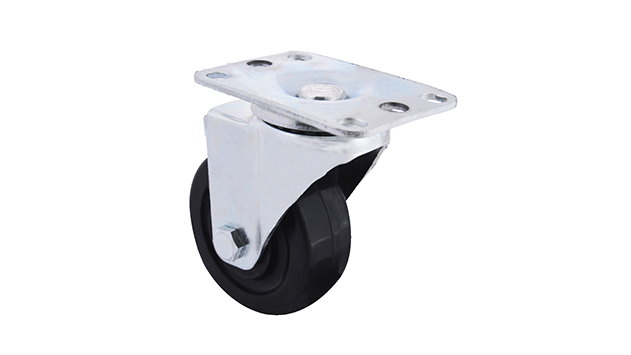
Finally, make sure the castors fit your cart's mounting system. Most tool carts use a top plate mount, where the castor is bolted to a flat steel plate on the cart's base. Check the plate size (common sizes are 4x4 inches or 5x5 inches) and bolt hole pattern to ensure a secure fit. If your cart has an unusual design, you may need to invest in caster accessories like adapter plates or longer bolts to bridge the gap.
Common Challenges and Solutions
Even with careful selection, you may encounter issues with your flat swivel castor wheels. Here are some common problems and how to solve them:
Challenge: Swivel Wheels Jam or Stick
This is often caused by dirt or debris in the swivel bearings. Solution: Regularly clean the bearings with compressed air and lubricate with a high-temperature grease (avoid WD-40, which is a solvent, not a lubricant). For severe jams, disassemble the swivel housing, clean with a degreaser, and reassemble with fresh grease.
Challenge: Wheels Wear Unevenly
Uneven wear usually stems from overloading or misalignment. Solution: Check that each castor is rated for the cart's weight and that the cart is loaded evenly (heavy tools on one side can strain castors). If misaligned, adjust the mounting bolts to ensure all four castors touch the floor evenly.
Challenge: Brakes Fail to Hold on Oily Floors
Slippery floors reduce brake effectiveness. Solution: Upgrade to brake pads with a high-friction rubber compound, or add anti-slip tape to the floor around the cart's usual parking spot.

Maintenance Tips to Extend Castor Life
With proper care, a good set of flat swivel castor wheels can last 3–5 years in a busy workshop. Here's how to keep them rolling smoothly:
- Clean weekly: Wipe wheels and swivel housings with a rag to remove oil, grease, and debris. For stubborn grime, use a mild degreaser.
- Lubricate monthly: Apply a lithium-based grease to swivel bearings and wheel axles. Avoid over-lubricating, as excess grease attracts dirt.
- Inspect brakes monthly: Check brake pads for wear and ensure pedals move freely. replace pads if they're less than 1/8-inch thick.
- Tighten bolts quarterly: Vibration from movement can loosen mounting bolts. A quick check with a wrench prevents castors from wobbling.

Conclusion: Investing in the Right Castors Pays Off
Flat swivel castor wheels may seem like a small detail, but they have a big impact on the efficiency and safety of automotive tool carts. By prioritizing load capacity, durability, maneuverability, and floor protection, you can select castors that keep your workshop moving smoothly—no more wrestling with stuck carts or replacing worn wheels every few months. Remember: the best castors are the ones you barely notice, quietly supporting your team as they tackle the day's repairs.
Whether you're outfitting a new fleet of tool carts or upgrading an old set, take the time to assess your needs, test different options, and don't skimp on quality. After all, in a workshop where every minute counts, a reliable set of castors isn't just an expense—it's an investment in productivity.