- Company Articles
- Products and Technology
- Product knowledge
- Flat Swivel Castor Wheels for Computer Peripheral Production Lines

Flat Swivel Castor Wheels for Computer Peripheral Production Lines
Related Product
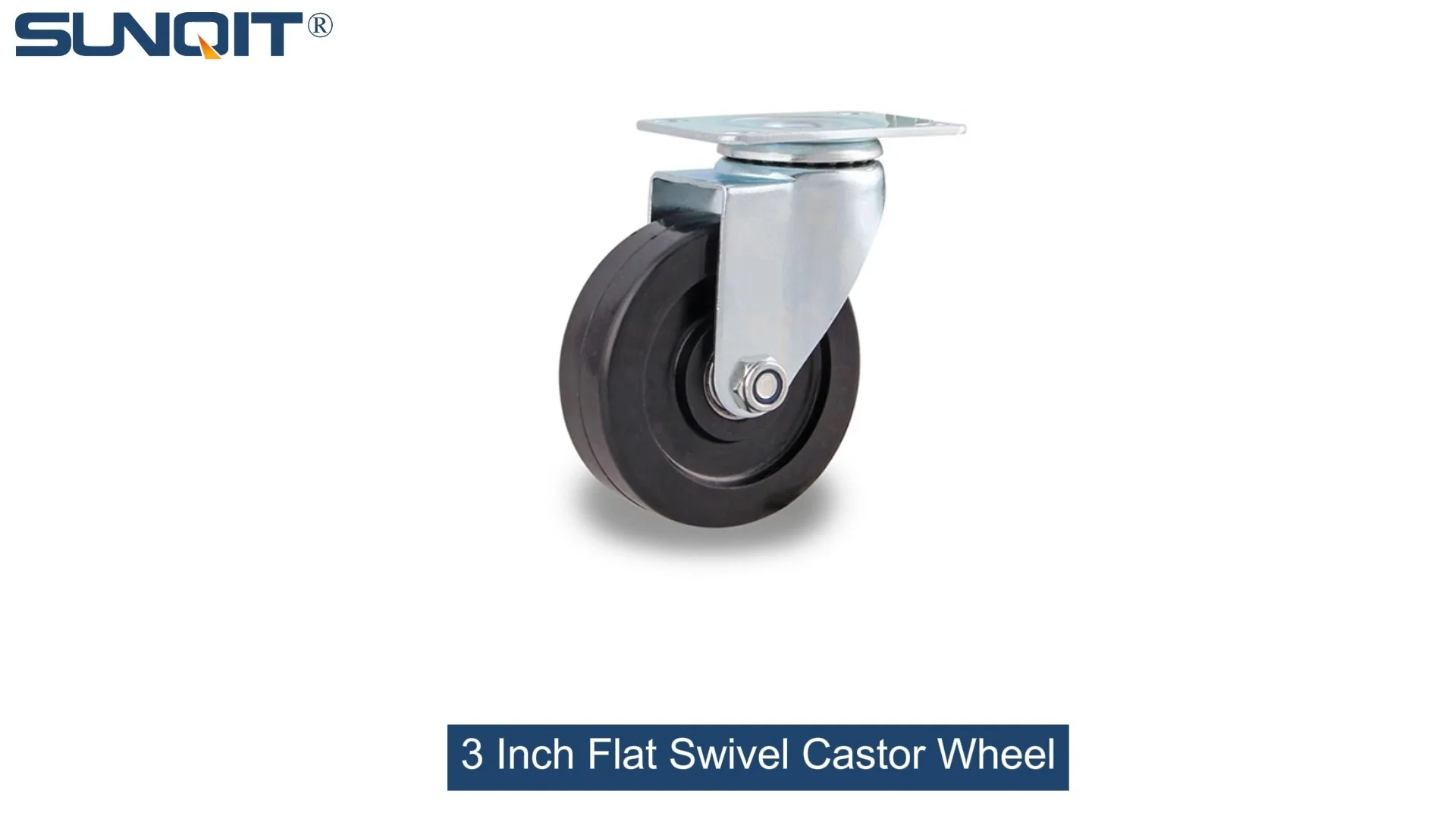
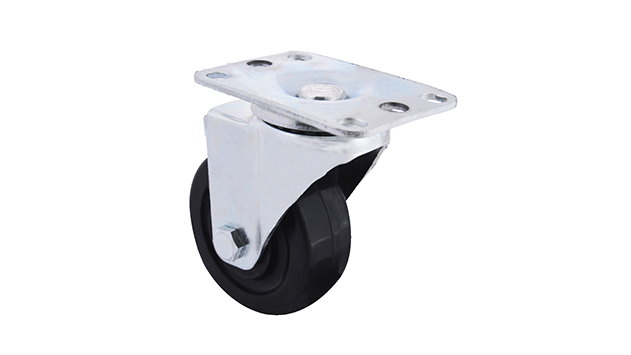
Flat Swivel Castor Wheel
Chair Casters Ball Bearing Wheels Rubber Base. Resistant to abrasion, impact and corrosion. Heavy payload can hold 70-90Kgs per pcs,which can make it works at a stable and smooth status.
In the fast-paced world of computer peripheral manufacturing—where precision meets productivity—every detail counts. From the smallest microchip in a wireless mouse to the sleek frame of a monitor, the production line relies on seamless coordination, efficient workflows, and tools that keep up with demand. Yet, amid the buzz of assembly robots, automated testers, and high-tech machinery, there's a humble component that often goes unnoticed but plays a critical role in keeping operations moving: the flat swivel castor wheel. These unassuming wheels, paired with the right caster accessories, are the unsung heroes of mobility, turning static workbenches into flexible hubs and turnover trolleys into nimble allies. Let's dive into why flat swivel castor wheels are indispensable in computer peripheral production lines, how they enhance efficiency, and what to look for when choosing the perfect fit for your facility.
The Rhythm of Computer Peripheral Production: Why Mobility Matters
Computer peripherals—think keyboards, mice, webcams, printers, and monitors—are products of meticulous assembly. Each part, from the plastic casing of a keyboard to the sensor in a gaming mouse, must be handled with care, tested for functionality, and integrated into a final product that meets strict quality standards. To achieve this, production lines are designed with modularity in mind: workstations that can adapt to new models, material racks that follow the flow of assembly, and teams that need to collaborate across stations without delays.
Here's where mobility becomes non-negotiable. Imagine a scenario where an assembly technician needs to adjust their workbench to align with a new batch of wireless keyboards. If the workbench is bolted to the floor, reconfiguring the line could take hours—time that could be spent assembling products. Or consider a turnover trolley loaded with delicate monitor screens, needing to navigate tight corners between the testing area and packaging station. A clunky trolley with stiff wheels might jostle the screens, risking scratches or internal damage. In these moments, the right castor wheels turn friction into fluidity, making reconfiguration quick, transport safe, and workflows uninterrupted.
This is where flat swivel castor wheels shine. Unlike fixed castors that limit movement to straight lines or rigid swivel castors that struggle with precision, flat swivel castor wheels offer 360-degree rotation with minimal effort. Their flat mounting design ensures stability, keeping workbenches steady even when loaded with tools and components, while their smooth swivel action allows for easy maneuvering in the tight spaces typical of modern production floors. When paired with well-designed caster accessories—like brake mechanisms or reinforced mounting plates—they become a versatile solution that adapts to the unique needs of computer peripheral manufacturing.
What Are Flat Swivel Castor Wheels, and Why Do They Stand Out?
At first glance, a flat swivel castor wheel might look like any other wheel attached to a piece of equipment. But its design is purpose-built for the demands of industrial settings. Let's break down the basics: "Flat" refers to the mounting plate—a low-profile, flat base that attaches securely to the bottom of a workbench, trolley, or rack. This design distributes weight evenly, reducing stress on the equipment and ensuring stability even when carrying heavy loads (think a workbench loaded with soldering irons, testing gear, and half-assembled printers). "Swivel" means the wheel can rotate a full 360 degrees, allowing the attached equipment to move in any direction with a gentle push—no need for awkward pivoting or backtracking.
But what truly sets flat swivel castor wheels apart in computer peripheral production is their balance of strength and sensitivity. Computer components are often lightweight but delicate; a sudden jolt or rough movement could damage internal wiring or misalign parts. These castors are engineered with materials like polyurethane or rubberized treads that absorb shocks, ensuring smooth movement over factory floors—whether concrete, vinyl, or epoxy. They also operate quietly, a key feature in environments where excessive noise can distract workers or disrupt communication between teams.
Another advantage is their compatibility with a range of caster accessories. Need to lock a workbench in place during assembly? Add a foot brake accessory that engages with a simple tap, preventing accidental movement. Working with heavier loads, like stacks of monitor boxes on a turnover trolley? Opt for reinforced mounting plates or double-wheel designs to boost load capacity. These accessories don't just add functionality—they tailor the castor to your specific workflow, making it a truly customized tool.
From Workbench to Trolley: Real-World Applications in Production
To understand the impact of flat swivel castor wheels, let's walk through a typical day on a computer peripheral production line and see where these wheels make their mark.
1. The Adaptive Workbench: A Technician's Best Friend
Picture an assembly workbench where a technician is putting together wireless mice. The workbench holds a soldering station, a tray of circuit boards, and a testing rig. In the morning, the focus is on basic assembly—attaching the mouse sensor to the PCB. By afternoon, the line switches to quality control, requiring the testing rig to be front and center. With flat swivel castor wheels, the technician can simply unlock the brakes, glide the workbench into a new position, and lock it down—all in under a minute. No heavy lifting, no tools, no disruption to the workflow. The flat mounting ensures the workbench stays level, so small parts like screws or microchips don't roll off, and the swivel action lets the technician position the bench to face the incoming supply of components, reducing reaching and fatigue.
2. Turnover Trolleys: Safely Moving Delicate Components
A turnover trolley loaded with unassembled keyboard casings needs to move from the injection molding area to the keycap installation station. The path is narrow, with other trolleys and workers sharing the space. Thanks to flat swivel castor wheels, the operator can easily navigate around a corner, adjust direction to avoid a colleague, and roll smoothly up to the installation bench. The rubber treads prevent the trolley from slipping on a slightly wet floor (a common hazard near cleaning stations), and the swivel wheels allow for precise positioning—so the trolley aligns perfectly with the workbench, making it easy to unload casings without straining. Without these wheels, the trolley might require two people to maneuver, slowing down production and increasing the risk of dropping casings.
3. Material Racks: Following the Flow of Production
Material racks hold bulk supplies—like USB cables, packaging boxes, or replacement parts—that need to be within arm's reach of assembly stations. As production priorities shift (e.g., ramping up printer production for the holiday season), these racks need to follow the action. Flat swivel castor wheels let workers relocate racks quickly, ensuring supplies are always where they're needed most. For example, if a sudden order for wireless webcams comes in, the material rack holding webcam lenses can be wheeled directly to the assembly line, cutting down on time spent fetching parts from distant storage areas.

Choosing the Right Flat Swivel Castor Wheel: Key Features to Prioritize
Not all flat swivel castor wheels are created equal. To maximize their benefits in computer peripheral production, you'll need to consider several factors tailored to your facility's needs. Here's a breakdown of the most important features:
- Load Capacity: Start by calculating the maximum weight the castor will need to support. A workbench with tools and components might require 200-300 lbs per wheel, while a turnover trolley carrying heavy monitor boxes could need 500+ lbs. Always choose a castor with a load rating higher than your expected maximum to account for unexpected weight spikes.
- Wheel Material: For computer peripherals, prioritize non-marking, shock-absorbing materials. Polyurethane is a top choice—it's durable, quiet, and gentle on floors, while rubberized treads offer excellent grip. Avoid hard plastics or metal wheels, which can scratch floors and generate noise.
- Swivel Mechanism: Look for castors with precision ball bearings in the swivel head. This ensures smooth rotation with minimal effort, even after months of use. A sealed swivel mechanism is also a plus, as it prevents dust and debris (common in production lines) from jamming the wheels.
- Brake Type: For workbenches or stationary trolleys, a reliable brake is essential. Foot brakes are user-friendly, while side brakes offer extra security for heavy loads. Some models even include dual brakes (locking both the swivel and the wheel) for maximum stability.
- Compatibility with Caster Accessories: Ensure the castor can accommodate accessories like mounting plates, brake extensions, or floor protectors. A good caster supplier will offer a range of compatible accessories, making it easy to customize the wheel to your workflow.
| Castor Type | Load Capacity (per wheel) | Wheel Material | Brake Option | Best For |
|---|---|---|---|---|
| Light-Duty Flat Swivel Castor | 150-250 lbs | Polyurethane (50mm wheel) | Foot brake | Assembly workbenches, small parts trolleys |
| Medium-Duty Flat Swivel Castor | 300-500 lbs | Rubberized polyurethane (75mm wheel) | Dual brake (swivel + wheel lock) | Turnover trolleys, material racks with bulk supplies |
| Heavy-Duty Flat Swivel Castor | 600-1000 lbs | Reinforced polyurethane (100mm wheel) | Side brake with steel lever | Large monitor trolleys, stacked product racks |
This table offers a snapshot of how different castor types align with common tasks in computer peripheral production. For example, a light-duty castor might be perfect for a workbench where technicians assemble small components like USB hubs, while a heavy-duty model would better suit a trolley transporting pallets of printers.

Beyond the Wheel: The Role of a Reliable Caster Supplier
Choosing the right flat swivel castor wheel is only half the battle; partnering with a trusted caster supplier is equally important. A reputable supplier doesn't just sell products—they understand the nuances of computer peripheral production and can guide you toward solutions that fit your unique challenges. Look for suppliers who offer:
- Customization: Every production line is different. A supplier that can modify castor height, wheel material, or accessory options ensures you get a wheel that works for your space, not a one-size-fits-all solution.
- Quality Testing: Castors should undergo rigorous testing for load capacity, swivel smoothness, and durability. Ask about certifications or test reports to ensure the product meets industry standards.
- After-Sales Support: Even the best castors need maintenance. A supplier that offers replacement parts (like wheels, brakes, or bearings) and technical support ensures minimal downtime if something wears out.
- Inventory Availability: In fast-paced production, delays in receiving replacement castors can halt operations. Choose a supplier with a robust inventory and quick shipping options to keep your line moving.
For example, a supplier specializing in lean manufacturing solutions might also offer complementary products like aluminum lean pipes or workbench accessories, creating a one-stop shop for all your production mobility needs. This integration ensures that your castors, workbenches, and trolleys work seamlessly together, reducing compatibility issues and streamlining procurement.
Maintaining Your Castors: Tips for Longevity
To get the most out of your flat swivel castor wheels, regular maintenance is key. Here's a simple routine to keep them rolling smoothly for years:
1. Clean Regularly
Dust, debris, and even small screws or plastic shavings can get trapped in the swivel mechanism or around the wheel axle, causing friction or jamming. Wipe down castors weekly with a damp cloth, and use a small brush to dislodge debris from hard-to-reach areas like the brake assembly.
2. Lubricate Moving Parts
The swivel head and wheel bearings need lubrication to maintain smooth rotation. Use a silicone-based lubricant (avoid oil-based products, which attract dust) every 2-3 months, or more frequently if castors are used heavily. Apply a small amount to the swivel joint and axle, then rotate the wheel to distribute the lubricant evenly.
3. Inspect for Wear
Check wheels for cracks, uneven tread wear, or loose components monthly. If a wheel is worn down or the swivel mechanism feels stiff, replace it promptly—delaying repairs can lead to uneven weight distribution, damaging the workbench or trolley, or even causing accidents.
4. Tighten Loose Fittings
Vibration from daily use can loosen mounting bolts or brake levers. Periodically check and tighten these fittings to ensure the castor remains securely attached to the equipment.
Conclusion: Small Wheels, Big Impact on Production
In the high-stakes world of computer peripheral manufacturing, efficiency, precision, and adaptability are everything. Flat swivel castor wheels may not grab headlines, but they are the backbone of a mobile, flexible production line—turning static workspaces into dynamic hubs that can pivot with demand, protect delicate components, and keep workers productive. When paired with the right caster accessories and supported by a reliable supplier, these wheels become more than just parts—they're partners in progress, ensuring your line runs smoothly, safely, and efficiently, day in and day out.
So, the next time you walk through a production facility, take a moment to notice the castors beneath the workbenches and trolleys. Chances are, they're flat swivel castors—quietly doing their job, making sure that every keyboard, mouse, and monitor gets from assembly to packaging with care. And in an industry where every second and every component counts, that's a difference worth celebrating.