Flat Swivel Castor Wheels for Home Appliance Production Lines: Durability Test

Related Product
Flat Swivel Castor Wheel
Chair Casters Ball Bearing Wheels Rubber Base. Resistant to abrasion, impact and corrosion. Heavy payload can hold 70-90Kgs per pcs,which can make it works at a stable and smooth status.
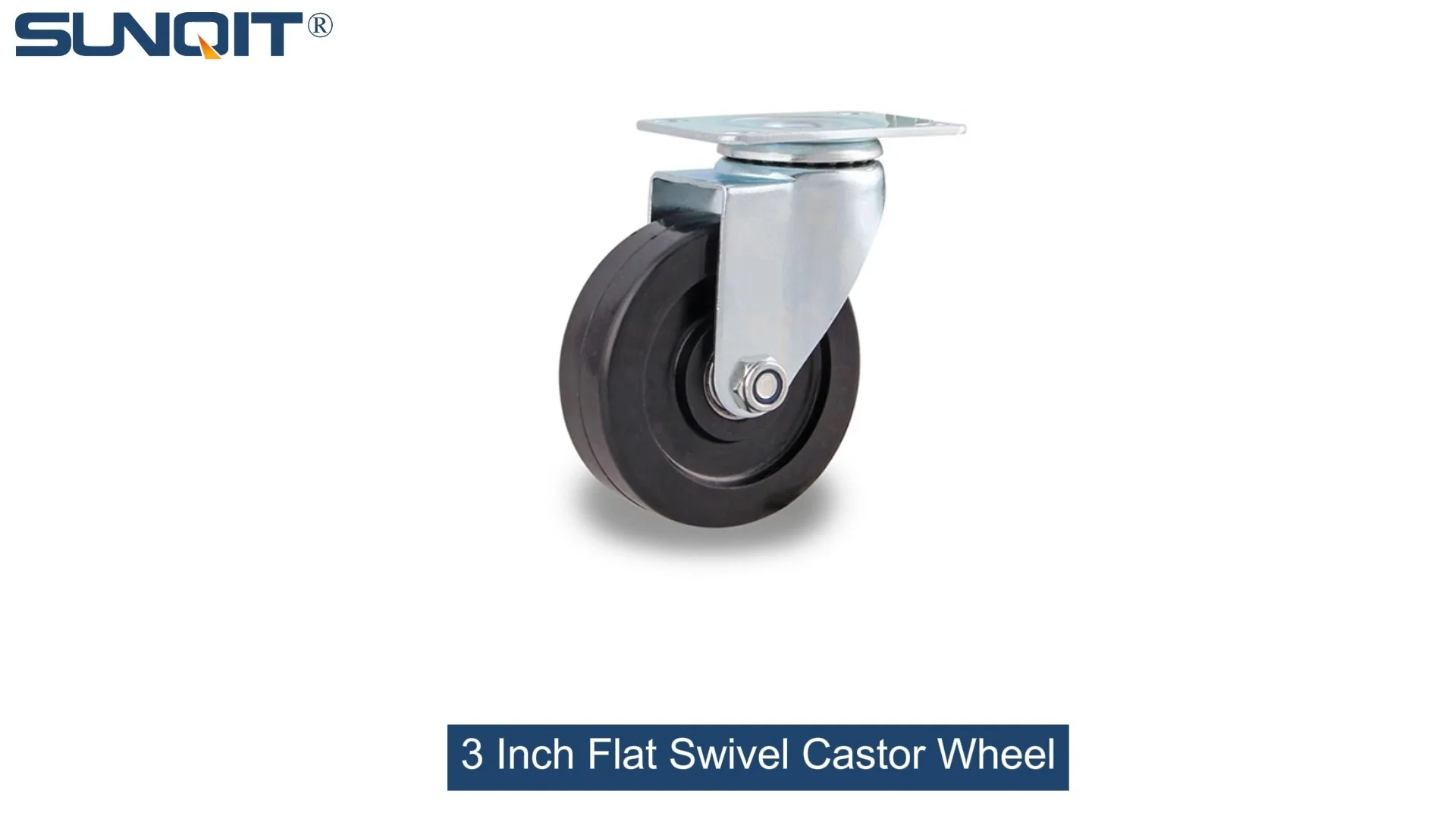
Flat Swivel Castor Wheel
Walk into any home appliance factory, and you'll be met with a symphony of motion: conveyor belts humming, robotic arms pivoting, and workers gliding between stations with tools and components. But amid all this activity, there's a quiet workhorse keeping the rhythm steady—one so, you might not notice it until it fails. We're talking about castor wheels. Specifically, flat swivel castor wheels, the unsung heroes that turn static workbenches into mobile command centers, make (material transport) seamless, and ensure that every step of building a refrigerator, washing machine, or oven happens exactly where it needs to. In home appliance manufacturing, where precision and speed are non-negotiable, the difference between a smooth production day and a frustrating bottleneck often comes down to these small, wheeled components. And when it comes to reliability, durability isn't just a buzzword—it's the backbone of efficiency. That's why today, we're diving deep into the world of flat swivel castor wheels, focusing on the rigorous durability tests that separate the dependable from the disposable. Because when a castor gives out mid-shift, it's not just a part that needs replacing; it's a line slowing down, a worker's momentum stalled, and a deadline inching closer.

Why Flat Swivel Castor Wheels Matter in Home Appliance Manufacturing

Let's start with the basics: What makes flat swivel castor wheels so essential in this industry? Unlike fixed castors that only roll forward and backward, swivel castors rotate 360 degrees, allowing equipment to maneuver tight corners and navigate around obstacles—critical in factories where space is often at a premium. The "flat" design, meanwhile, refers to the mounting plate, which sits flush against the bottom of equipment like workbenches or tool carts. This low-profile setup keeps the center of gravity stable, even when loaded with heavy parts like stainless steel appliance frames or glass door panels. Take a typical workbench on a washing machine assembly line. It might hold a 50kg motor, a stack of control panels, and a toolkit—easily 100kg or more. A flimsy castor here would wobble, lock up, or worse, snap under the weight, turning a mobile workstation into a stationary liability. But a high-quality flat swivel castor wheel? It glides over concrete floors, swivels smoothly when a worker needs to pivot toward the conveyor, and locks securely with a tap of the foot when precision is needed during assembly. Then there's the issue of compatibility. Home appliance factories use a mishmash of equipment: aluminum profile workbenches, turnover trolleys, and mobile material racks. Flat swivel castors are designed to integrate seamlessly with these setups, often using standardized caster accessories like mounting plates and axle pins that fit industry-standard holes and brackets. This universality means maintenance teams don't need a closet full of specialized parts—just a few key caster accessories to keep things rolling. But perhaps the biggest reason these castors matter is consistency. In a factory churning out 1,000 refrigerators a day, every second counts. A castor that sticks or squeaks isn't just annoying; it adds seconds to each movement, which multiplies across shifts. Over a week, that's hours of lost productivity. Durability, then, isn't just about how long a castor lasts—it's about how reliably it performs, day in and day out, under pressure.

The Durability Challenge: What Castors Face in the Real World

To understand why durability testing is so critical, let's step into the shoes of a flat swivel castor wheel on a typical day. Imagine it's 7 AM, and the first shift starts. A worker loads a workbench with 80kg of copper coils for oven heating elements. The castor rolls 50 meters to the assembly line, swiveling 12 times to avoid a forklift and a pile of empty pallets. By 9 AM, it's been through 20 such trips, each time carrying varying loads as components are added or removed. By lunch, the floor is dotted with oil spills from a nearby hydraulic press, and the castor's wheel has to grip through that, too. Now multiply that by 300 days a year, across multiple shifts. Home appliance production lines don't take weekends off, and neither do the castors. They're exposed to: Heavy, fluctuating loads: One minute, a workbench might hold lightweight plastic panels; the next, a steel drum of refrigerant. Castors must handle both without deforming.

Abrasive surfaces: Concrete floors, even polished ones, have tiny imperfections that wear down wheel treads over time. Add in metal shavings or dropped screws, and you've got a recipe for accelerated wear.

Chemical exposure: Cleaning agents, lubricants, and even coolant from machinery can degrade wheel materials like rubber or polyurethane.

Extreme temperatures: Factories can get hot in summer, cold in winter, and some areas (like near drying ovens) have localized heat spikes—all of which test a castor's material integrity.

Human error: Overloading a cart, slamming on the brake, or hitting a curb (yes, factories have curbs!) can put sudden stress on castor joints and axles. In short, a castor's life is tough. And when it fails, the consequences ripple outward. A seized brake might cause a workbench to drift into a conveyor, damaging parts. A cracked wheel could create a wobble that misaligns components during assembly, leading to quality control issues. Even something as small as a loose caster accessory, like a missing axle pin, can turn a smooth roll into a dangerous rattle. That's why durability testing isn't optional—it's a promise to factory managers and workers that the castors they rely on won't let them down when it matters most.
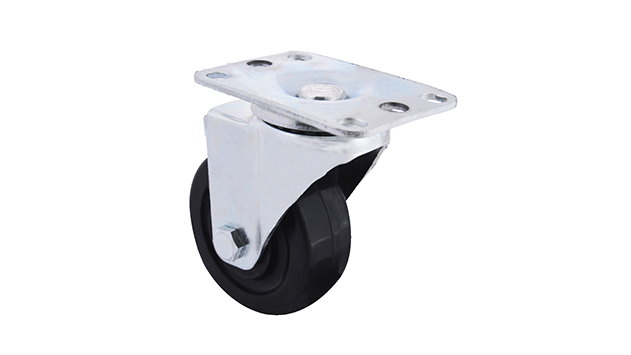
Inside the Durability Test Lab: How We Separate the Strong from the Weak

So, how do manufacturers ensure their flat swivel castor wheels can handle the chaos of a home appliance factory? They put them through hell in the lab first. Durability testing for castors is a rigorous process that simulates years of real-world wear in a matter of weeks. Let's break down the key tests and what they reveal.

1. Static Load Testing: Can It Bear the Weight?

Before a castor ever rolls an inch, it's put under the microscope—literally—for static load testing. The idea is simple: Apply a constant weight to the castor and see how it holds up over time. But "simple" doesn't mean easy. For home appliance applications, we're talking about loads of 150kg, 200kg, even 300kg per castor (since most equipment has 4 castors, that adds up to a total capacity of 1200kg or more). The test setup involves mounting the castor to a steel plate, then using a hydraulic press to apply the load. Sensors measure deformation in the wheel, bracket, and swivel joint. If the wheel cracks, the bracket bends, or the swivel mechanism seizes after 24 hours under load, the castor fails. Passing this test ensures that even when a workbench is overloaded (because let's be honest, workers sometimes push the limits), the castor won't collapse.

2. Dynamic Cycle Testing: Rolling Into the Future

Static load is just the start—castors are made to move, so dynamic cycle testing is where the real endurance is measured. This test simulates thousands of hours of rolling and swiveling, all compressed into a few weeks. Here's how it works: A castor is attached to a test rig that rolls it back and forth along a track, while a motorized arm swivels it 360 degrees at set intervals. The track itself is often made of rough concrete or steel to mimic factory floors. Load is applied throughout—usually 75% of the maximum rated capacity, to reflect typical in-use conditions. The goal? To see how many cycles the castor can handle before showing signs of failure. For home appliance factories, we're talking about at least 100,000 cycles. That might sound like a lot, but consider: If a workbench rolls 50 meters per shift, 300 days a year, that's 15,000 meters annually. At an average rolling speed of 1 meter per second, that's 15,000 seconds of rolling—about 4 hours. Over 5 years, that's 20 hours of continuous rolling, which translates to roughly 72,000 cycles. So 100,000 cycles in the lab ensures the castor will outlast the equipment it's mounted to. During testing, engineers check for things like wheel tread wear (it should be even, not patchy), swivel joint resistance (it shouldn't get stiffer over time), and brake performance (the brake should engage and disengage smoothly, even after 50,000 actuations).

3. Environmental and Chemical Resistance Testing: Castors vs. the Elements

A castor that performs well in a clean lab might crumble in a greasy, hot factory. That's why environmental testing is a must. Here's what that entails: High-temperature testing: Castors are placed in ovens set to 60°C (140°F) for 100 hours to simulate summer factory conditions or proximity to heat sources like drying equipment. Afterward, they're checked for cracks, warping, or loss of elasticity in the wheel.

Low-temperature testing: Conversely, they're frozen to -20°C (-4°F) for 100 hours to mimic cold storage areas or winter in unheated factories. Rubber wheels, in particular, can become brittle in the cold, so this test ensures they remain flexible enough to roll smoothly.

Chemical exposure: Castors are submerged in common factory fluids—motor oil, degreaser, and even bleach-based cleaners—for 24 hours. Then, they're tested for swelling, discoloration, or loss of structural integrity. A polyurethane wheel, for example, should resist oil absorption, while a steel bracket should resist rust from water-based cleaners.

4. Brake Endurance Testing: The Last Line of Safety

For flat swivel castor wheels with brake, the brake mechanism is just as critical as the wheel itself. Imagine a worker leaning on a loaded workbench to reach a component—if the brake slips, the whole thing could roll away. That's why brake endurance testing is non-negotiable. In this test, the brake is engaged and disengaged repeatedly—usually 10,000 times—under load. Engineers measure how much force is required to engage the brake over time; it should stay consistent, not get harder or easier to press. They also check for brake pad wear and whether the brake holds firm when the castor is subjected to sudden tugs (simulating a worker accidentally pulling on a braked workbench). A passing brake test means that even after years of use, the brake will engage reliably, keeping workers and equipment safe. To summarize, here's a breakdown of the key durability tests and their criteria:
Test Type Parameters Pass Criteria
Static Load 200kg load applied for 24 hours No deformation in wheel, bracket, or swivel joint; less than 1mm compression in wheel tread
Dynamic Cycle 100,000 cycles of rolling (1m back/forth) + 50,000 swivels (360°), 150kg load Wheel tread wear < 2mm; swivel resistance change < 10%; brake engagement force consistent within ±5N
High-Temperature 60°C for 100 hours No cracks, warping, or loss of wheel elasticity; brake functionality unchanged
Chemical Exposure 24-hour submersion in motor oil, degreaser, and bleach solution No swelling, discoloration, or structural weakness; wheel hardness change < 5 Shore A
Brake Endurance 10,000 brake actuations, 150kg load Brake holds under 500N pull force; pad wear < 1mm; no sticking or slipping
These tests aren't just boxes to check—they're guarantees. When a manufacturer stamps a flat swivel castor wheel with "tested and approved," they're saying, "We've put this through the worst, and it's still standing."

Real-World Results: How Tested Castors Transform Production Lines

Lab tests are one thing, but real-world performance is the ultimate judge. Let's look at a case study from a mid-sized home appliance factory in Guangdong, China, that switched to high-quality flat swivel castor wheels with brake after years of struggling with cheap, unreliable options. Before the switch, the factory's refrigerator assembly line was plagued with castor-related issues. Workbenches would drift when brakes failed, causing misaligned door hinges. Wheels would crack under the weight of compressor units, leading to 2-3 breakdowns per week. Maintenance teams were spending 10+ hours monthly replacing castors and caster accessories, and workers reported frustration with "sticky" swivel joints that made maneuvering feel like pushing a boulder. The factory's production manager, Mr. Li, decided enough was enough. He reached out to a supplier specializing in industrial castors and requested samples of flat swivel castor wheels with brake, along with compatible caster accessories like replacement brake pads and axle pins. The supplier provided detailed durability test reports, showing the castors could handle 100,000 cycles, 200kg loads, and extreme temperatures—numbers that far exceeded the factory's needs. After installing the new castors on 20 workbenches, the results were immediate. Within the first month, breakdowns dropped to zero. Workers noted that the swivel joints moved "like butter," and the brakes held firm even when workbenches were loaded to capacity. By the end of the quarter, maintenance time spent on castors had fallen by 90%, and production output increased by 5%—not because of new machinery, but because workers weren't wasting time fighting with uncooperative equipment. "It's the little things," Mr. Li told us. "When your workbench moves exactly how you want it to, when you want it to, you don't realize how much energy you were wasting before. The castors pay for themselves in a month, just in saved time and fewer headaches." This isn't an isolated story. Across the industry, factories that invest in tested, durable castors report similar gains: lower maintenance costs, higher worker satisfaction, and smoother operations. And it's not just about the castors themselves—it's about the ecosystem around them. The right caster accessories, like easy-to-replace brake pads or lubrication kits, mean that even when wear does occur, fixing it takes minutes, not hours.

Beyond the Test: How to Extend Castor Life in the Real World

Durability testing gives castors a strong start, but their lifespan ultimately depends on how they're used and maintained. Even the toughest castor will fail early if neglected. Here are a few tips from industry experts to keep flat swivel castor wheels rolling strong: 1. Match the castor to the load. Overloading is the number one cause of premature castor failure. Always check the maximum load rating (and remember: it's per castor, not per piece of equipment). If a workbench has 4 castors rated for 200kg each, the total capacity is 800kg—but that includes the weight of the workbench itself!

2. Keep them clean. Factory floors get dirty, and debris like metal shavings or plastic pellets can get trapped in swivel joints or between wheel treads. A quick weekly cleaning with a brush and compressed air prevents buildup that can cause friction and wear.

3. Lubricate regularly. Swivel joints and axles need lubrication to stay smooth. Use a lithium-based grease (resistant to water and high temperatures) every 3 months, or more often if castors are exposed to moisture or heavy use.

4. replace caster accessories proactively. Brake pads, axle pins, and wheel bearings wear out over time. Keep a stock of these caster accessories on hand, and replace them at the first sign of wear (e.g., a brake that slips, a wheel that wobbles). Waiting until they fail often leads to more damage to the castor body.

5. Train workers on proper use. Slamming on brakes, dragging over curbs, or pushing workbenches sideways (instead of swiveling) can stress castors. A 10-minute training session on "gentle handling" can extend castor life by years. By combining durable, tested castors with basic maintenance, factories can ensure their wheels last 5-7 years instead of 1-2—a huge difference in cost and efficiency.

Conclusion: Durability Isn't Just a Feature—It's a Promise

As we've explored, flat swivel castor wheels are far more than just "wheels on a stick." They're critical components that keep home appliance production lines moving, workers efficient, and deadlines on track. And durability? It's the foundation of that reliability. From the rigorous tests in the lab—where castors are pushed to their limits with heavy loads, endless cycles, and harsh conditions—to the real-world impact of fewer breakdowns and happier workers, durability testing ensures that these small but mighty parts deliver on their promise. When a manufacturer invests in testing, they're not just selling a product; they're selling peace of mind to factory managers, confidence to workers, and consistency to the entire production process. So the next time you walk into a home appliance factory, take a moment to look down. Those flat swivel castor wheels rolling quietly beneath the workbenches? They're not just moving equipment—they're moving the industry forward. And that's something worth testing for.


Get In Touch with us

Hey there! Your message matters! It'll go straight into our CRM system. Expect a one-on-one reply from our CS within 7×24 hours. We value your feedback. Fill in the box and share your thoughts!