- Company Articles
- Products and Technology
- Product knowledge
- Flat Swivel Castor Wheels for Lean Tube Systems: Pairing with Aluminum Joints

Flat Swivel Castor Wheels for Lean Tube Systems: Pairing with Aluminum Joints
Related Product
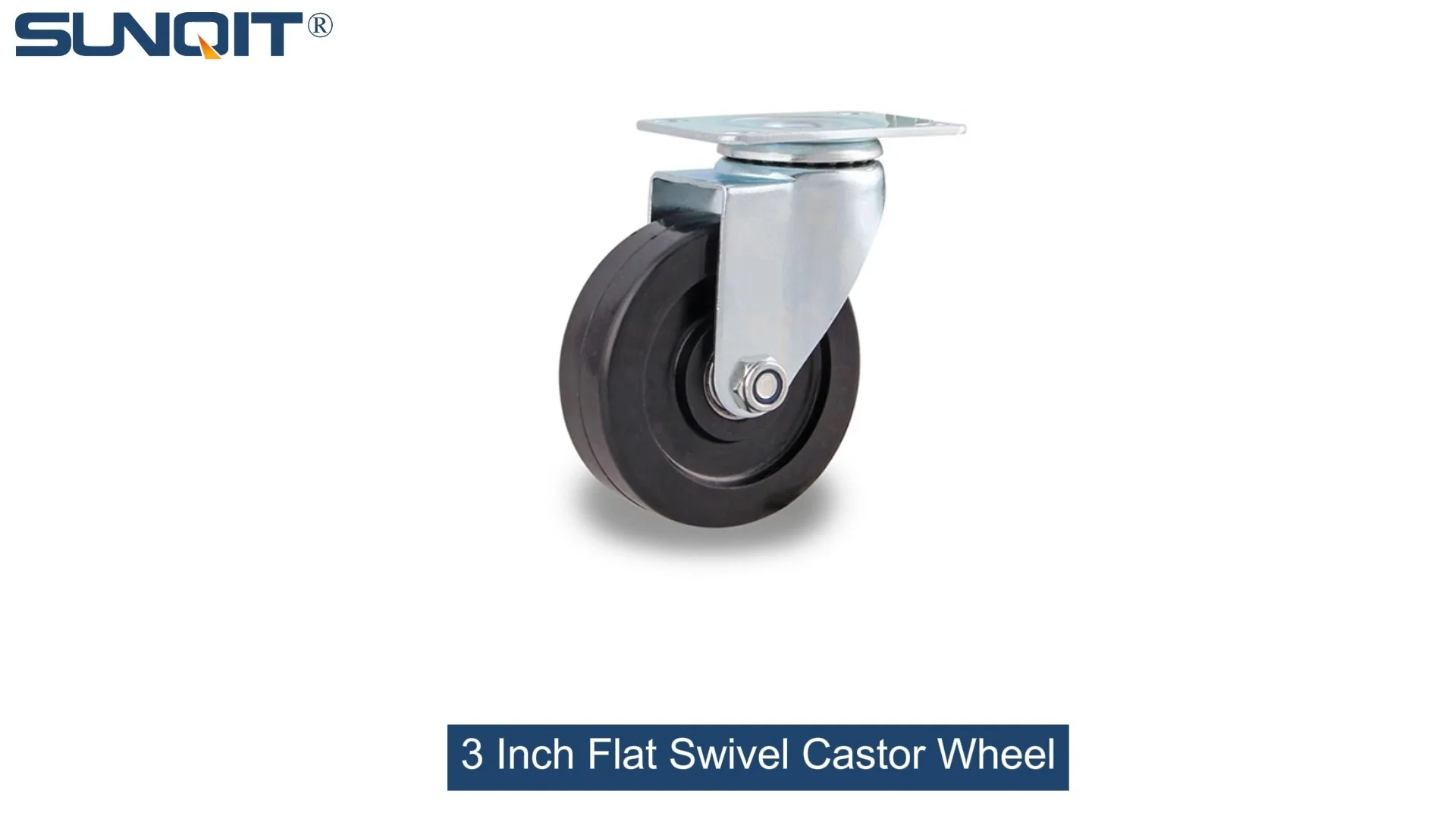
Flat Swivel Castor Wheel
Chair Casters Ball Bearing Wheels Rubber Base. Resistant to abrasion, impact and corrosion. Heavy payload can hold 70-90Kgs per pcs,which can make it works at a stable and smooth status.
Introduction: The Pulse of Lean Manufacturing
Walk into any thriving manufacturing facility today, and you'll feel it immediately—the hum of purposeful activity, the seamless flow of materials, and the quiet confidence of a team that knows every second counts. This rhythm isn't accidental; it's the result of lean manufacturing principles in action. At the heart of this efficiency lies the ability to adapt, reconfigure, and move with precision. And when it comes to flexibility and mobility, two components stand out as unsung heroes: flat swivel castor wheels and aluminum joints . Together, they transform rigid structures into dynamic tools that keep pace with the ever-changing demands of modern production lines. In this article, we'll explore how these components work, why their partnership is critical for lean tube systems, and how they elevate everything from workbenches to turnover trolleys into engines of productivity.
Understanding Lean Tube Systems: More Than Just Pipes and Joints
Before diving into the specifics of castors and joints, let's ground ourselves in what a lean tube system truly is. At its core, a lean tube system is a modular framework built from lightweight tubes, connectors, and accessories designed to create custom workstations, material racks, trolleys, and flow racks. Unlike traditional rigid structures—think heavy steel shelving or fixed conveyor belts—lean tube systems thrive on adaptability. They're the Swiss Army knife of manufacturing: easy to assemble, simple to reconfigure, and cost-effective to scale.
The magic of lean tube systems lies in their origins. Born from the need to eliminate waste in production (a cornerstone of lean philosophy), they evolved from early iterations using basic steel pipes and plastic coatings to today's advanced setups, which often incorporate aluminum and stainless steel. What hasn't changed is their purpose: to support "just-in-time" manufacturing by keeping tools, materials, and workstations exactly where they're needed, exactly when they're needed. Key components include lean tubes (hollow pipes in various materials), joints (the connectors that hold everything together), castors (for mobility), and accessories like roller tracks or workbench surfaces. Together, these elements form a system that can be built in hours, modified in minutes, and repurposed as production needs shift.
Flat Swivel Castor Wheels: Mobility Redefined for Lean Environments
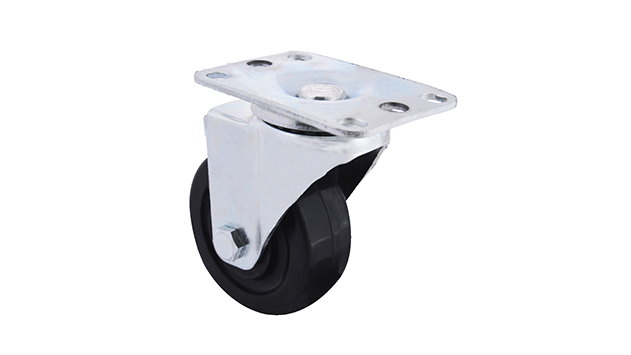
If lean tube systems are the skeleton of a flexible workspace, then flat swivel castor wheels are the feet that let it move. But not all castors are created equal. Flat swivel castor wheels —named for their low-profile, flat-top design—are engineered specifically for the demands of lean environments. Unlike bulky industrial casters or fixed-direction wheels, they offer a unique blend of mobility, stability, and precision that makes them indispensable for everything from lightweight workbenches to heavy-duty turnover trolleys.
So, what sets them apart? Let's start with movement. A "swivel" castor can rotate 360 degrees, allowing the attached structure to glide in any direction without having to be lifted or pivoted. This is a game-changer in tight production spaces where maneuverability is key—imagine a material cart needing to navigate around a sudden bottleneck or a workbench that needs to shift from assembly to quality control in seconds. The "flat" design, meanwhile, keeps the center of gravity low, reducing the risk of tipping even when loaded. This stability is critical when working with delicate components or heavy materials, where a single spill or tip could mean wasted time, damaged parts, or worse.
Durability is another non-negotiable. Most flat swivel castor wheels are made with high-quality polyurethane or rubber tires, chosen for their ability to absorb shocks, reduce noise, and protect sensitive flooring (like polished concrete or epoxy). Metal components, often steel or aluminum, ensure they can handle loads ranging from 50kg to over 500kg, depending on the model. Many also come with integrated brakes—a simple lever that locks the wheel in place, turning a mobile trolley into a stationary workstation in an instant. This dual functionality—mobile when needed, fixed when required—embodies the lean principle of "right-sized" tools: nothing is overengineered, and everything serves multiple purposes.
To put this in context, consider a typical scenario: a production line needs to reconfigure its assembly stations to accommodate a new product variant. With flat swivel castor wheels, the existing workbenches (each holding tools, bins, and) can be rolled into new positions without disassembling them. No heavy lifting, no downtime waiting for maintenance crews—just a quick unlock, a gentle push, and the line is back up and running. That's the power of mobility in lean manufacturing: it turns change from a disruption into an opportunity.

Aluminum Joints: The Glue That Holds Lean Systems Together
If flat swivel castor wheels provide the mobility, then aluminum joints provide the modularity. These small, unassuming connectors are the reason lean tube systems can be assembled and disassembled in minutes rather than days. But why aluminum? For starters, aluminum is lightweight—significantly lighter than steel—making it easier to handle during assembly and reducing the overall weight of the structure (a bonus for castor wheels, which then have less load to bear). Yet despite its lightness, aluminum is surprisingly strong, with tensile strength comparable to many steels when alloyed correctly. It's also corrosion-resistant, making it ideal for environments where moisture or chemicals might be present, and it conducts heat well, which can be a plus in temperature-controlled production areas.
The design of aluminum joints is a study in simplicity and precision. Unlike traditional welded connections or threaded pipes, which require tools and expertise to adjust, most aluminum joints use a friction-fit or clamping mechanism. Take, for example, an internal rotary aluminum joint: it slides over the end of a lean tube, and a setscrew tightens to create a secure hold. Want to reangle the tube? Loosen the screw, rotate, and retighten—no cutting, welding, or special skills needed. Other common designs include 90-degree inside/outside connections, three-way joints for branching structures, and parallel joints for creating stable horizontal or vertical supports. Each joint is engineered to distribute weight evenly across the tube, preventing stress points and ensuring the structure remains rigid even under load.
What truly makes aluminum joints indispensable, though, is their role in enabling "continuous improvement"—a core lean principle. In a traditional factory, changing a workstation layout might involve ordering new parts, waiting for delivery, and hiring contractors to install them. With aluminum joints, a team can prototype a new design in the morning, test it during the day, and refine it by afternoon. This agility means problems are solved faster, bottlenecks are eliminated sooner, and employees feel empowered to contribute ideas—after all, they're the ones using the tools every day. As one plant manager put it: "Aluminum joints turn 'what if' into 'let's try'."

Pairing Flat Swivel Castor Wheels with Aluminum Joints: A Synergy for Lean Efficiency
Now, let's bring it all together: flat swivel castor wheels and aluminum joints aren't just good on their own—they're transformative when paired. Think of it as a dance: the joints provide the structure and flexibility to build, while the castors provide the mobility to move. Together, they turn static tools into dynamic assets that adapt to the flow of work, not the other way around. Let's break down how this partnership works in practice, using a common example: a turnover trolley .
A turnover trolley is a workhorse in manufacturing, used to transport materials between stations—think bins of components, finished products, or tools. To build one with a lean tube system, you start with basic aluminum tubes (often 28mm or 30mm in diameter). Using aluminum joints, you connect the tubes into a rectangular frame: four vertical posts, horizontal supports for shelves, and cross-bracing for stability. Then, at the bottom, you attach flat swivel castor wheels—typically four, one at each corner, with two featuring brakes for stationary use. The aluminum joints ensure the frame is rigid enough to support the load, while the castors let the trolley glide smoothly across the factory floor.
But the real magic happens when you need to adapt. Suppose the trolley is originally designed for small parts, but next month, you're switching to larger components that require more shelf space. With aluminum joints, you can quickly remove a horizontal support, add a longer tube, and reattach the joint—no tools beyond a hex key needed. If the new components are heavier, you can swap out the standard castors for heavy-duty flat swivel castor wheels with higher load capacity. The entire process takes 15 minutes, not 15 days. This kind of flexibility is why lean tube systems, powered by castors and joints, are so critical for modern manufacturing: they let businesses respond to change without derailing production.
Another example is the humble workbench. A basic workbench (like "Workbench E" in many catalogs—single deck, no castors) is useful, but limited. Add aluminum joints to its frame and attach flat swivel castor wheels, and suddenly it's a mobile workstation that can follow an operator through different tasks. Need to move it to a new line? Unlock the brakes and roll. Need to use it as a stationary bench? Lock the brakes. Over time, if the operator needs a shelf for tools, aluminum joints make it easy to add one. If the workbench needs to be taller, swap out the vertical tubes for longer ones. The possibilities are limited only by the team's creativity—and that's exactly what lean manufacturing is all about.
Choosing the Right Components: A Buyer's Guide to Castors and Joints
Of course, not all flat swivel castor wheels and aluminum joints are created equal. To get the most out of your lean tube system, you need to choose components that match your specific needs. Let's break down the key factors to consider when selecting castors and joints, and include a comparison table to simplify the process.
| Component Type | Key Considerations | Best For... | Common Mistakes to Avoid |
|---|---|---|---|
| Flat Swivel Castor Wheels | Load capacity (kg per wheel), wheel material (rubber vs. polyurethane), brake type (total lock vs. directional), floor type (smooth concrete vs. uneven surfaces) | Mobile workbenches, turnover trolleys, light-duty material racks | Underestimating load (always factor in dynamic loads, not just static weight); choosing hard wheels for delicate floors (can cause scratches) |
| Aluminum Joints | Tube diameter compatibility (28mm vs. 30mm), joint angle (90°, 45°, 135°), load rating, material thickness (1.5mm vs. 2.0mm aluminum) | Branching structures (three-way joints), right-angle connections (90° joints), rotating components (internal rotary joints) | Mixing joint types from different manufacturers (may not fit securely); over-tightening setscrews (can damage tubes) |
When evaluating flat swivel castor wheels, start with load capacity. A good rule of thumb is to calculate the total weight the structure will carry (materials + equipment + operator, if applicable) and divide by the number of castors (typically four). Then, choose a castor with a load rating 20-30% higher than this number to account for uneven weight distribution or sudden movements. Wheel material is next: rubber wheels are quiet and offer good grip but may wear faster on rough floors; polyurethane wheels are more durable and resistant to chemicals, making them better for industrial settings.
For aluminum joints, compatibility is king. Ensure the joint's inner diameter matches your lean tube's outer diameter—most systems use 28mm or 30mm tubes, but some specialty systems may vary. Also, consider the joint's intended use: a three-way joint is great for building a shelf, but a parallel joint is better for creating a stable crossbar. Finally, look for joints with reinforced stress points (like thicker aluminum at the clamping area) to ensure they can handle repeated assembly and disassembly without weakening.
Maintenance: Keeping Your Castors and Joints in Top Shape
Even the best components need care to perform at their best. Fortunately, maintaining flat swivel castor wheels and aluminum joints is straightforward—another reason they're ideal for lean environments. For castors, regular cleaning is key: wipe away dust, debris, or oil from the wheel bearings and swivel mechanism to prevent jamming. Every few months, lubricate the swivel bearings with a light machine oil to keep movement smooth. Check the brakes regularly to ensure they engage fully; a stuck brake can turn a mobile trolley into a hazard. For wheels with polyurethane tires, inspect for cracks or uneven wear—replace them if the tread is worn down to ensure proper grip.
Aluminum joints require even less maintenance, but a little attention goes a long way. Periodically check the setscrews to ensure they're tight—vibration from daily use can loosen them over time. If a joint becomes difficult to adjust, clean the threads of the setscrew with a wire brush to remove dirt or rust. Avoid using harsh chemicals on aluminum joints, as they can corrode the finish; warm soapy water is usually sufficient for cleaning. And if a joint is damaged (e.g., a bent clamping area), replace it immediately—compromised joints can weaken the entire structure, putting operators and materials at risk.
Conclusion: The Future of Lean Manufacturing is Mobile and Modular
As manufacturing continues to evolve—with shorter product cycles, higher customization demands, and a focus on sustainability—lean tube systems will only grow in importance. And at the heart of these systems will be the partnership between flat swivel castor wheels and aluminum joints. They are more than just components; they are enablers of efficiency, adaptability, and innovation. They turn static factories into dynamic ecosystems where change is not just managed, but embraced.
Whether you're building a simple workbench or a complex material handling system, remember this: the best lean tools are the ones that work with your team, not against them. Flat swivel castor wheels and aluminum joints do exactly that—they put control in the hands of operators, reduce waste, and turn "good enough" into "great." So the next time you see a mobile trolley gliding across the factory floor or a workbench being reconfigured in minutes, take a moment to appreciate the quiet power of these unsung heroes. They may not make the headlines, but they're the reason lean manufacturing keeps moving forward—one smooth roll, one secure joint, at a time.