- Company Articles
- Products and Technology
- Product knowledge
- Flat Swivel Castor Wheels for Mechanical Tool Carts: Durability & Performance

Flat Swivel Castor Wheels for Mechanical Tool Carts: Durability & Performance
Related Product
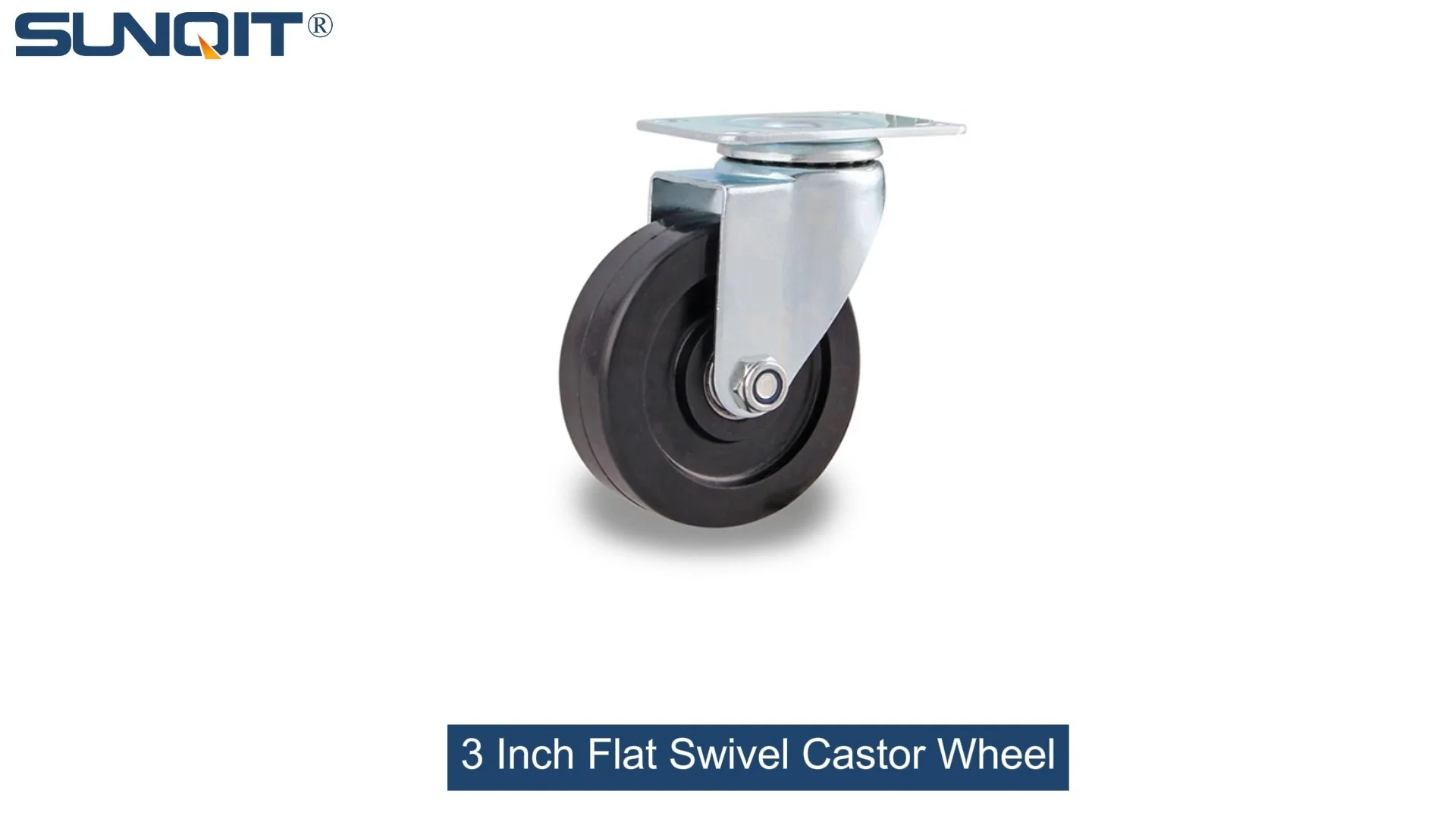
Flat Swivel Castor Wheel
Chair Casters Ball Bearing Wheels Rubber Base. Resistant to abrasion, impact and corrosion. Heavy payload can hold 70-90Kgs per pcs,which can make it works at a stable and smooth status.
Walk into any busy workshop, manufacturing floor, or warehouse, and you'll notice something that rarely gets the spotlight but keeps operations moving: mechanical tool carts. These hardworking carts ferry wrenches, drills, spare parts, and heavy equipment across spaces, making sure tools are where they need to be, when they need to be. But here's the truth: even the sturdiest cart is only as good as its wheels. Enter the flat swivel castor wheel —the unsung hero that turns a clunky, frustrating cart into a smooth, reliable partner in productivity. In this article, we'll dive into why these castors matter, what makes them durable, how they boost performance, and why they're a must-have for anyone relying on mechanical tool carts, whether you're managing a workbench setup or coordinating turnover trolley and rack systems.
What Are Flat Swivel Castor Wheels, Anyway?
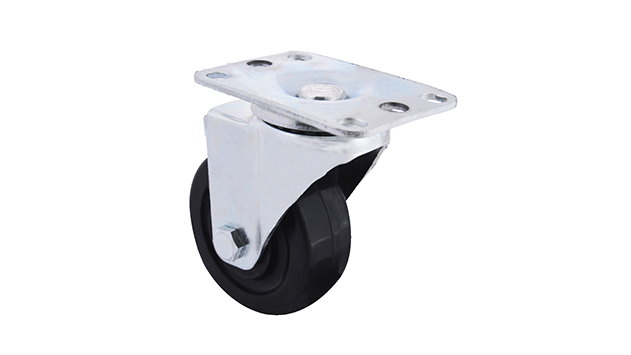
Let's start with the basics. A flat swivel castor wheel is exactly what it sounds like: a wheel mounted on a flat, plate-like base (the "flat" part) that can rotate 360 degrees (the "swivel" part). Unlike fixed wheels that only roll forward and backward, these castors let you maneuver in tight spaces—think around corners, between workbenches, or through narrow aisles between turnover racks. The "flat" mounting plate is key here: it attaches directly to the bottom of the tool cart, distributing weight evenly and ensuring stability, even when the cart is loaded with heavy tools.
But there's more to their design than meets the eye. Under that simple plate is a swivel head, usually fitted with ball bearings or roller bearings, that allows the wheel to pivot smoothly. The wheel itself comes in various materials—rubber, polyurethane, steel—and sizes, each tailored to different jobs. And let's not forget caster accessories : brakes, bearing covers, and mounting hardware that take these castors from "good" to "great."
Durability: Built to Outlast the Toughest Days
When you're moving a cart loaded with 500 pounds of metal tools across a concrete floor eight hours a day, durability isn't a "nice-to-have"—it's non-negotiable. Flat swivel castor wheels are engineered to stand up to this kind of abuse, and it all starts with materials and design.
Materials That Mean Business
The first line of defense is the wheel material. Let's break down the options:
- Polyurethane (PU): A favorite for general use, PU wheels are tough yet gentle. They resist scratches on floors (important if your workshop has polished concrete or tile near workbenches) and handle oils, greases, and mild chemicals—common in manufacturing settings. They're also quiet, which is a bonus for noisy environments.
- Rubber: If you need extra grip (say, on wet or uneven floors) or want to avoid marking surfaces, rubber wheels are the way to go. They're shock-absorbent too, which means less jostling for fragile parts on your tool cart.
- Steel: For the heaviest loads—think 1,000+ pounds—steel wheels are unbeatable. They're resistant to extreme temperatures and won't wear down quickly, even on rough concrete. Just note: they're louder and can mark floors, so they're best for industrial settings with rugged surfaces.
Then there's the castor's metal components: the mounting plate, swivel head, and axle. High-quality castors use cold-rolled steel or aluminum for these parts. Cold-rolled steel is strong and resistant to bending, while aluminum is lighter (great for carts that need to be pushed by hand) and corrosion-resistant—ideal for humid or outdoor environments (though you'll still want to check for rust if exposed to rain).
Load Capacity: No More "Oops, I Overdid It"
Durability also means handling weight without failing. Every flat swivel castor wheel has a rated load capacity, and it's crucial to match this to your needs. A good rule of thumb: calculate the total weight of your cart plus its heaviest possible load, then divide by the number of castors (most carts have 4). For example, a cart that holds 800 pounds with 4 castors needs each castor to handle at least 200 pounds. But here's a pro tip: go above the minimum. If you think you'll occasionally overload the cart (we've all been there), opt for castors with a 25-50% higher capacity than your calculated needs. It's better to have extra strength than risk a broken wheel mid-shift.
Resisting the Elements (and Everyday Messes)
Workshops aren't clean rooms. Oil drips, metal shavings, dust, and even water can take a toll on castors. That's why quality flat swivel castors come with features to fight back: sealed bearings to keep debris out of the swivel head, rust-resistant coatings (like zinc plating) on steel parts, and chemical-resistant wheel materials. For example, if your tool cart regularly moves through areas with coolant or cleaning agents, a PU wheel with a sealed swivel head will last years longer than a basic castor without these protections.
Performance: Maneuverability That Saves Time (and Sanity)
Durability keeps your castors rolling long-term, but performance is what makes them a joy to use. A well-designed flat swivel castor wheel doesn't just move—it glides, pivots, and stops exactly when you want it to. Let's break down the performance factors that matter most.
Smooth Swiveling: No More Fighting the Cart
Ever tried to push a cart around a corner, only to have it jerk or get stuck? That's a swivel head problem. High-performance flat swivel castors use precision ball bearings or roller bearings in the swivel mechanism. Ball bearings are great for lighter loads and smooth surfaces (like near a workbench), while roller bearings handle heavier weights and rougher terrain. The result? A castor that swivels with minimal effort, even when the cart is fully loaded. Imagine pushing a tool cart loaded with power tools and being able to pivot it 90 degrees with one hand—no grunting, no struggling. That's the difference good swivel performance makes.
Brakes: Stability When You Need It Most
What good is a smooth-rolling cart if it rolls away when you're loading or unloading? That's where caster accessories like brakes come in. Most flat swivel castors offer two types of brakes:
- Wheel lock: Locks just the wheel, preventing it from rolling. Good for temporary stops, like when you're grabbing a tool from the cart.
- Total lock (or "double lock"): Locks both the wheel and the swivel head, keeping the cart completely stationary. This is a game-changer for safety—imagine loading a heavy motor onto your tool cart near a turnover trolley and rack; a total lock ensures the cart won't shift, even if you bump it.
Brake levers should be easy to reach and engage, even with gloves on. Look for castors with large, ergonomic levers—you don't want to fumble with tiny brakes when you're in a hurry.
Noise Reduction: A Quieter Workplace
It's easy to overlook noise, but a workshop filled with clattering carts is stressful. Flat swivel castors with rubber or polyurethane wheels are significantly quieter than steel ones. The soft wheel material absorbs vibrations, and precision bearings reduce friction (and thus noise) in the swivel head. Over time, this makes for a more pleasant workspace—no more shouting over the sound of carts rolling by.

Real-World Applications: Where Flat Swivel Castors Shine
Flat swivel castor wheels aren't one-size-fits-all—they adapt to different jobs. Let's look at a few scenarios where they make a tangible difference:
Workbench Setups: Tools at Your Fingertips
In a workshop with workbenches, tool carts need to glide smoothly alongside the bench so you can grab what you need without stepping away. A cart with flat swivel castors can slide right up to the bench, and the 360-degree swivel lets you position it exactly where you want—no more stretching or overreaching. If your workbench has limited space, the castors' ability to pivot in tight quarters means you can tuck the cart neatly against the bench when not in use, saving valuable floor space.
Turnover Trolley and Rack Systems: Streamlining Warehousing
Warehouses and distribution centers rely on turnover trolley and rack systems to move goods efficiently. Turnover trolleys (which carry bins or boxes) need to roll smoothly between racks, often in narrow aisles. Flat swivel castors with polyurethane wheels are perfect here: they're quiet (so they don't disrupt order pickers), gentle on floors (no scratches on warehouse concrete), and maneuverable enough to navigate between tightly packed racks. Plus, with total-lock brakes, trolleys stay put when loading/unloading, preventing accidents.
Heavy-Duty Manufacturing: Keeping Up with the Line
In automotive or aerospace manufacturing, tool carts carry heavy equipment—welding torches, torque wrenches, spare parts. Here, steel flat swivel castors with roller bearings are the star. They handle the weight, resist oil and grease, and stand up to the constant back-and-forth movement along production lines. Even in these rugged settings, the swivel performance ensures carts can weave around machinery and workers without slowing down.

Caster Accessories: The Extras That Elevate Performance
A flat swivel castor wheel is strong on its own, but caster accessories turn it into a fully optimized system. Here are the must-have add-ons:
| Accessory | What It Does | Why You Need It |
|---|---|---|
| Bearing Covers | Seal the swivel head's bearings to keep out dust, dirt, and debris. | Extends bearing life, ensuring smooth swiveling for years. |
| Mounting Hardware | Heavy-duty bolts, washers, and nuts to secure the castor to the cart. | Prevents the castor from detaching—critical for safety with heavy loads. |
| Swivel Stops | Limit swivel rotation (e.g., to 180 degrees) in tight spaces. | Prevents the cart from swiveling too far and hitting walls or equipment. |
| Wheel Guards | Plastic or metal shields around the wheel to block debris. | Stops nails, screws, or metal shavings from getting stuck in the wheel. |
Investing in these accessories might seem like a small step, but they pay off in longer castor life, fewer repairs, and smoother operation. Think of them as insurance for your tool cart's performance.
Maintenance: Keeping Your Castors Rolling Strong
Even the most durable flat swivel castor wheels need a little TLC to stay in top shape. Here's a quick maintenance routine to follow:
- Weekly Check: Inspect the wheels for debris (like string, metal shavings, or small rocks) that could jam the swivel head or axle. Wipe them clean with a rag.
- Monthly Lubrication: Apply a silicone-based lubricant to the swivel head bearings and axle. Avoid oil-based lubes—they attract dust and can gum up the works.
- Quarterly Brake Test: Engage and disengage the brakes several times to ensure they're working smoothly. If a brake feels sticky, spray a little lubricant on the lever mechanism.
- replace Worn Parts: If a wheel is cracked, a bearing is noisy, or a brake isn't locking, replace the part ASAP using caster accessories . Waiting can lead to bigger issues (like a seized swivel head) or accidents.
Pro tip: Keep a small kit of replacement wheels, bearings, and brake parts on hand. That way, you can fix a castor in minutes instead of waiting for a replacement to ship.
Choosing the Right Flat Swivel Castor Wheel: A Quick Guide
With so many options, how do you pick the right castor for your tool cart? Start with these questions:
- What's your maximum load? Calculate the cart's weight plus the heaviest tools/parts you'll carry. Divide by the number of castors (usually 4) to get the minimum load rating per castor. Add 25-50% for safety.
- What's your floor type? Polished floors? Go with polyurethane or rubber. Rough concrete or heavy industrial use? Steel or reinforced polyurethane.
- What's the environment like? Wet or oily? Look for chemical-resistant wheels and sealed bearings. Cleanroom or quiet office? Rubber or polyurethane for noise reduction.
- Do you need brakes? If you load/unload the cart frequently or work on slopes, total-lock brakes are a must.
When in doubt, talk to a supplier who specializes in material handling equipment. They can help you match the castor to your specific needs—whether you're outfitting a small workbench cart or a fleet of turnover trolleys.
Final Thoughts: Invest in the Wheels That Move Your Business
Mechanical tool carts are the backbone of efficient operations, but their true power lies in the details—like the flat swivel castor wheel that makes them move. Durable materials, smooth swiveling, reliable brakes, and smart caster accessories don't just make carts easier to push; they reduce downtime, prevent injuries, and keep your team focused on the work that matters. Whether you're setting up a new workbench, upgrading turnover trolley and rack systems, or simply replacing old, worn-out castors, remember: the right wheels aren't an expense—they're an investment in productivity. So next time you're shopping for tool cart parts, give those castors the attention they deserve. Your back, your team, and your bottom line will thank you.