- Company Articles
- Products and Technology
- Product knowledge
- Flat Swivel Castor Wheels for Medical Carts: Hygiene & Maneuverability

Flat Swivel Castor Wheels for Medical Carts: Hygiene & Maneuverability
Related Product
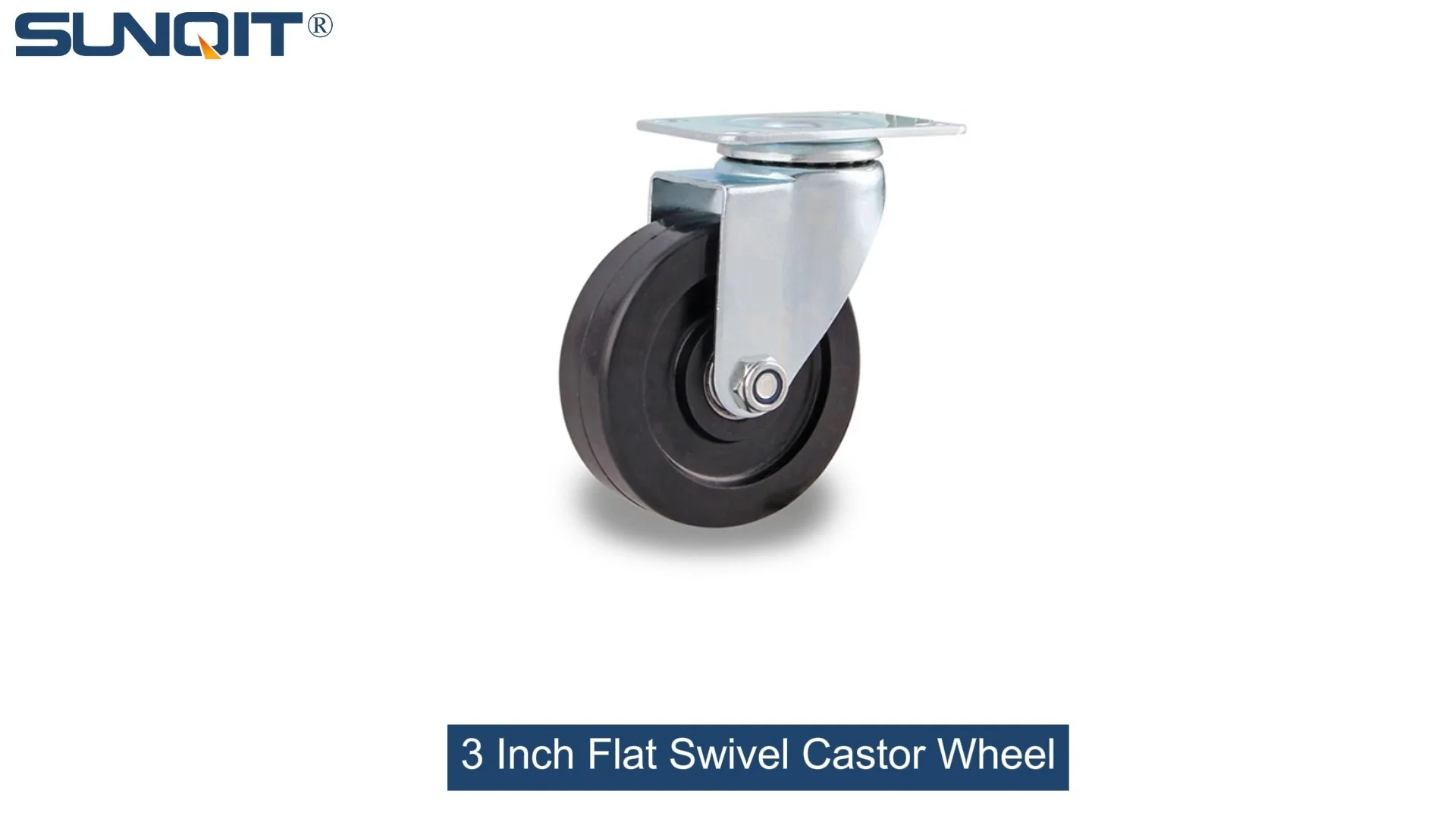
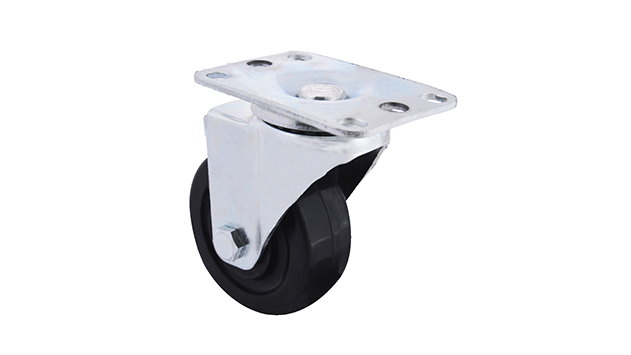
Flat Swivel Castor Wheel
Chair Casters Ball Bearing Wheels Rubber Base. Resistant to abrasion, impact and corrosion. Heavy payload can hold 70-90Kgs per pcs,which can make it works at a stable and smooth status.
It's 3:15 PM in the emergency department of a busy urban hospital. A nurse sprints down the corridor, pushing a medication cart loaded with IV bags, syringes, and a defibrillator. Ahead, a gurney rounds the corner, and a visitor suddenly steps out from a patient room. In one fluid motion, the nurse twists the cart's handle, and the wheels pivot smoothly, narrowly avoiding a collision before gliding to a stop beside the trauma bay. "These wheels are a lifesaver," she mutters, adjusting the cart's position with a gentle nudge.
You might not think twice about the wheels on a medical cart, but in healthcare settings, they're the unsung heroes of daily operations. From transporting patient records and medications to supporting life-saving equipment, medical carts are in constant motion. And at the heart of their functionality? The casters—specifically, flat swivel castor wheels. In environments where every second counts and cleanliness can mean the difference between life and death, these small but mighty components play a critical role in ensuring both hygiene and maneuverability. Let's dive into why flat swivel castor wheels are the gold standard for medical carts, and how they're designed to meet the unique demands of healthcare spaces.
The Medical Cart Landscape: Why Wheels Matter More Than You Think
Before we zoom in on the wheels themselves, let's take a step back to understand the role medical carts play in modern healthcare. Walk into any hospital, clinic, or long-term care facility, and you'll find carts everywhere: medication carts that make rounds with nurses, crash carts stocked for emergencies, supply carts ferrying gloves and bandages, and even mobile workstations that let doctors chart at the bedside. These carts aren't just convenient—they're essential to keeping care efficient, organized, and patient-centered.
But here's the thing: a medical cart is only as good as its ability to move. In a typical hospital, a single cart might travel miles in a day, navigating tight corners, crowded hallways, and uneven surfaces (think elevator thresholds or slightly sloped floors). It might carry heavy loads—up to 500 pounds for a fully stocked medication cart—and need to stop suddenly, hold steady during procedures, or pivot in place to reach a patient in a narrow exam room. And all the while, it must do this without compromising the most critical priority in healthcare: hygiene.
That's where flat swivel castor wheels come in. Unlike rigid casters that only roll forward and backward, or bulky wheels that get stuck on cracks, flat swivel castors are designed to combine 360-degree rotation with a low-profile, stable base. This unique combination makes them ideal for the chaos of healthcare environments, where adaptability and cleanliness are non-negotiable.
Hygiene First: The Non-Negotiable Standard in Healthcare
In healthcare, the phrase "cleanliness is next to godliness" isn't just a saying—it's a matter of patient safety. Hospital-acquired infections (HAIs) affect millions of patients each year, and while most attention goes to handwashing or surface disinfection, the wheels of medical carts are often overlooked as potential sources of contamination. Think about it: a cart wheel rolls over a floor that's been stepped on by visitors, staff, and even patients in isolation. It picks up dirt, bacteria, and even pathogens like MRSA or C. difficile, then carries them to other areas—including patient rooms, exam tables, and medication prep areas.
Flat swivel castor wheels are engineered to combat this risk head-on. Let's break down the hygiene-focused features that set them apart:
1. Seamless, Non-Porous Materials
The first line of defense against contamination is the material of the caster wheel itself. Many flat swivel castors use materials like thermoplastic polyurethane (TPU) or stainless steel—both non-porous and resistant to bacteria growth. Unlike rubber, which can develop tiny cracks over time that trap dirt, TPU is smooth and uniform, leaving nowhere for pathogens to hide. Stainless steel, meanwhile, is naturally antimicrobial and can withstand harsh disinfectants (like bleach or alcohol) without corroding. This means when staff wipe down the wheels during daily cleaning, they can trust that they're removing germs, not just pushing them around.
2. Low-Profile, Crevice-Free Design
Ever tried to clean under the wheel of a chair with a bunch of nooks and crannies? It's nearly impossible. Medical cart wheels can't afford that problem. Flat swivel castors are designed with a "cleanline" profile: no gaps between the wheel and the caster housing, no exposed bolts or screws, and a flat top plate that sits flush against the cart's base. This eliminates crevices where dust, hair, or bodily fluids can accumulate. Even the swivel joint—where the wheel connects to the cart—is sealed with a protective cap to prevent debris from getting inside.
3. Chemical Resistance for Frequent Disinfection
Hospital cleaning protocols are rigorous. Carts (and their wheels) are often wiped down multiple times a day with strong disinfectants, including quaternary ammonium compounds (quats), hydrogen peroxide, or even bleach. A low-quality wheel might degrade, crack, or become sticky after repeated exposure to these chemicals, but flat swivel castor wheels are tested to withstand them. Manufacturers use UV-stabilized materials and chemical-resistant coatings to ensure the wheels stay intact, maintaining their hygiene and functionality over time.
4. Easy-to-Remove Caster Accessories for Deep Cleaning
Even with a seamless design, wheels need occasional deep cleaning—especially in high-risk areas like operating rooms or isolation units. That's where caster accessories come into play. Many flat swivel castor systems include quick-release mechanisms that let staff remove the wheels entirely for soaking or scrubbing. Some also come with disposable covers or sleeves that can be changed between patient rooms, adding an extra layer of protection. These small accessories might seem minor, but they make a big difference in keeping wheels truly clean.
Maneuverability: Navigating the Chaos of Busy Medical Spaces
Let's shift from cleanliness to movement. Imagine a nurse rushing to respond to a "code blue" alarm. They grab the crash cart, but the wheels are stiff—every turn requires extra effort, and the cart veers off course when they hit a uneven spot in the floor. By the time they reach the patient, precious seconds have been lost. Now, picture the same scenario with flat swivel castor wheels: the cart glides smoothly, swivels instantly when the nurse turns the handle, and stops on a dime when they hit the brake. That's the power of maneuverability in healthcare.
So, what makes flat swivel castors so agile? Let's break down the mechanics:
1. The Swivel Mechanism: 360 Degrees of Freedom
The "swivel" in flat swivel castor wheels refers to the ability of the wheel assembly to rotate independently of the cart. Inside the caster housing, a set of precision ball bearings allows the wheel to turn 360 degrees with minimal friction. This means the cart can pivot in place, making it easy to navigate tight spaces—like between two hospital beds or into a small exam room. For example, a medication cart with flat swivel castors can spin 180 degrees in a hallway barely wider than the cart itself, letting nurses access supplies from either side without having to back up.
2. Low Profile, High Stability
Flat swivel castors get their name from their low-profile design—they sit closer to the ground than taller, bulkier wheels. This lowers the cart's center of gravity, reducing the risk of tipping, even when loaded unevenly (like a cart with a heavy IV pole on one side). A lower profile also means less wobble when rolling, which is crucial for carts carrying fragile items (think glass vials of medication or lab samples).
3. Smooth-Rolling Bearings and Tread Design
Ever pushed a cart with wheels that "bounce" or get stuck on every crack? That's usually due to poor bearings or a clunky tread pattern. Flat swivel castor wheels use high-quality, sealed ball bearings that minimize rolling resistance, so even a fully loaded cart feels light to push. The tread (the pattern on the wheel's surface) is also designed for healthcare floors—smooth enough to glide over linoleum or vinyl, but with enough grip to prevent slipping on wet surfaces (like recently mopped floors). Many wheels even have a "quiet roll" feature, which reduces noise—a small detail that makes a big difference in keeping patient rooms calm and peaceful.
4. Built-In Brakes for Safety and Stability
Maneuverability isn't just about moving—it's about stopping. A cart that rolls away during a procedure is a safety hazard, which is why most flat swivel castors come with integrated brakes. The best designs use a "total lock" brake, which engages both the wheel (to prevent rolling) and the swivel (to prevent turning). This keeps the cart rock-steady, even on sloped floors or during tasks that require force (like pulling supplies from a high shelf). And because the brakes are foot-operated, staff can engage them without bending down—saving time and reducing strain.

The Anatomy of a Flat Swivel Castor Wheel: What Makes It Tick?
To truly appreciate why flat swivel castor wheels excel in medical settings, let's take a closer look at their key components. While they might seem simple, these wheels are the result of careful engineering, with each part designed to work together for hygiene, maneuverability, and durability.
1. The Wheel: Material and Size Matter
The wheel itself is the most visible part, and its material and size are critical. Common materials include:
- Polyurethane (PU): A popular choice for medical carts, PU is durable, non-marking (so it won't scuff floors), and offers excellent shock absorption. It's also resistant to chemicals and easy to clean.
- Thermoplastic Rubber (TPR): Known for its grip and quiet roll, TPR is ideal for carts that need to move smoothly on both hard and soft surfaces.
- Stainless Steel: The ultimate in hygiene, stainless steel wheels are non-porous, heat-resistant, and compatible with autoclaving (sterilization with high-pressure steam)—perfect for operating rooms or sterile environments.
Wheel size typically ranges from 3 to 5 inches in diameter for medical carts. Smaller wheels (3-4 inches) offer better maneuverability in tight spaces, while larger wheels (4-5 inches) handle rough surfaces more easily.
2. The Swivel Head: Where the Magic Happens
The swivel head is the housing that connects the wheel to the cart and allows it to rotate. Inside, you'll find a raceway (a circular track) filled with ball bearings or roller bearings. High-quality swivel heads use precision-ground bearings and a lubricated raceway to ensure smooth, friction-free rotation. Some also include a "swivel lock" feature, which temporarily fixes the wheel in a straight-ahead position for long-distance rolling (like down a hallway).
3. The Mounting Plate: Stability and Compatibility
The mounting plate is the flat metal or plastic base that attaches the caster to the cart. For medical carts, a sturdy mounting plate is essential—it distributes the cart's weight evenly across the caster, preventing bending or breaking under heavy loads. Most plates are designed to fit standard cart frames, but custom sizes are available for specialized carts.
4. Caster Accessories: The Little Extras That Make a Big Difference
While the wheel, swivel head, and mounting plate are the core components, caster accessories can enhance functionality. Common accessories include:
- Brake extensions: Longer levers that make brakes easier to reach for staff with limited mobility.
- Dust covers: Plastic or rubber caps that keep dirt and debris out of the swivel head's bearings.
- Locking pins: Extra security for brakes, ensuring they don't disengage accidentally.
- Adjustable leveling feet: While not a caster itself, adjustable leveling feet are often paired with casters on medical carts. These small, threaded feet can be extended to stabilize the cart on uneven floors, preventing rocking during procedures—proving that even the best casters benefit from a little backup.

How Flat Swivel Castor Wheels Stack Up: A Comparison
Not all casters are created equal. To understand why flat swivel castors are the top choice for medical carts, let's compare them to other common caster types in terms of hygiene, maneuverability, and practicality.
| Caster Type | Hygiene Rating (1-5) | Maneuverability (1-5) | Load Capacity (Avg.) | Best For | Key Drawbacks |
|---|---|---|---|---|---|
| Flat Swivel Castor Wheel | 5 | 5 | 300-500 lbs per caster | Medical carts, mobile workstations, crash carts | Higher cost than basic casters; requires occasional lubrication |
| Rigid Caster (Non-Swivel) | 4 | 2 | 400-600 lbs per caster | Heavy equipment (e.g., X-ray machines) that moves in straight lines | Cannot pivot; difficult to navigate tight spaces |
| Ball Transfer Unit | 3 | 4 | 100-200 lbs per unit | Lightweight carts (e.g., meal trays) | Low load capacity; balls trap dirt easily; noisy on hard floors |
| Pneumatic (Air-Filled) Caster | 2 | 3 | 200-400 lbs per caster | Outdoor or rough-terrain use (e.g., ambulance stretchers) | Prone to punctures; porous rubber traps bacteria; requires air pressure checks |
*Ratings based on healthcare-specific criteria: hygiene (ease of cleaning, material porosity), maneuverability (swivel range, rolling resistance), load capacity (typical for medical applications).
Maintenance and Compliance: Keeping Wheels in Top Shape
Even the best flat swivel castor wheels won't perform well if they're neglected. In healthcare, regular maintenance isn't just about extending the life of the cart—it's about ensuring consistent safety and hygiene. Here's how to keep your casters in peak condition:
Daily Cleaning: Wipe and Inspect
At the end of each shift, wipe the wheels with a hospital-grade disinfectant wipe or cloth. Pay special attention to the area where the wheel meets the swivel head, as this is where dirt can collect. While cleaning, check for signs of wear: cracks in the wheel, loose bearings, or a sticky swivel mechanism. If you notice anything off, report it immediately—small issues can turn into big problems fast.
Weekly Lubrication: Keep It Smooth
The swivel head's bearings need occasional lubrication to stay smooth. Use a medical-grade, food-safe lubricant (avoid petroleum-based products, which can attract dust). Apply a small amount to the swivel joint and work the wheel back and forth to distribute the lubricant evenly. This simple step can prevent stiffness and extend the life of the caster.
Monthly Deep Dive: Check Brakes and Accessories
Once a month, take a closer look at the brakes. Test the foot lever to ensure it engages and releases easily, and check the brake pads for wear. If the brake feels loose or doesn't hold the cart steady, replace the brake mechanism or caster accessories like the lever. Also, tighten any loose mounting bolts—vibration from rolling can cause them to wiggle free over time.
Compliance: Meeting Healthcare Standards
When choosing flat swivel castor wheels for medical carts, it's important to look for compliance with industry standards. The FDA doesn't regulate casters directly, but they do set guidelines for materials that contact medical environments (e.g., no toxic chemicals). ISO 13485 is another key certification—it ensures the caster manufacturer follows quality management systems for medical devices. Additionally, some wheels may carry antimicrobial certifications (e.g., from the EPA) for materials treated with agents that inhibit bacterial growth.
The Future of Medical Caster Technology: What's Next?
As healthcare evolves, so do the demands on medical equipment—including casters. Here are a few trends shaping the future of flat swivel castor wheels:
Antimicrobial Coatings: Built-In Germ Fighting
While current wheels are designed to be cleaned, future casters may include permanent antimicrobial coatings (like silver ions or copper) that actively kill bacteria on contact. These coatings could reduce the need for frequent cleaning and add an extra layer of protection against HAIs.
Smart Casters: Sensors for Predictive Maintenance
Imagine a caster that alerts staff when it needs lubrication or a brake pad replacement. Smart casters with built-in sensors could monitor wear, temperature, and even wheel alignment, sending data to a hospital's maintenance system. This would prevent unexpected breakdowns and keep carts rolling reliably.
Ergonomic Designs: Easier on Staff
Healthcare staff already face high rates of musculoskeletal injuries, often from pushing heavy carts. Future casters may focus on reducing push force even further, with advanced bearings or "assistive" technology that uses small motors to help move heavy loads—making carts feel almost weightless.
Conclusion: Investing in the Right Wheels for Better Patient Care
Flat swivel castor wheels might not get the same attention as a new MRI machine or a cutting-edge EHR system, but they're just as critical to delivering quality healthcare. They're the reason a nurse can rush a crash cart to a patient in seconds, the reason a medication cart stays clean enough to enter an isolation room, and the reason staff can work efficiently without struggling with clunky, uncooperative equipment.
When choosing casters for medical carts, remember: it's not just about price. A cheap, poorly designed caster might save money upfront, but it could cost far more in the long run—through increased HAIs, staff injuries, or cart breakdowns. Instead, look for flat swivel castor wheels that prioritize hygiene (non-porous materials, easy cleaning), maneuverability (360-degree swivel, smooth bearings), and durability (quality components, compliance with standards). And don't forget the little things: caster accessories like reliable brakes or adjustable leveling feet can make a big difference in daily use.
At the end of the day, every component of a medical cart should serve one purpose: to support better patient care. And with flat swivel castor wheels, that support starts with something as simple as a smooth, clean roll.