- Company Articles
- Products and Technology
- Product knowledge
- Flat Swivel Castor Wheels for Warehousing Trolleys: Enhancing Logistics Efficiency

Flat Swivel Castor Wheels for Warehousing Trolleys: Enhancing Logistics Efficiency
Related Product
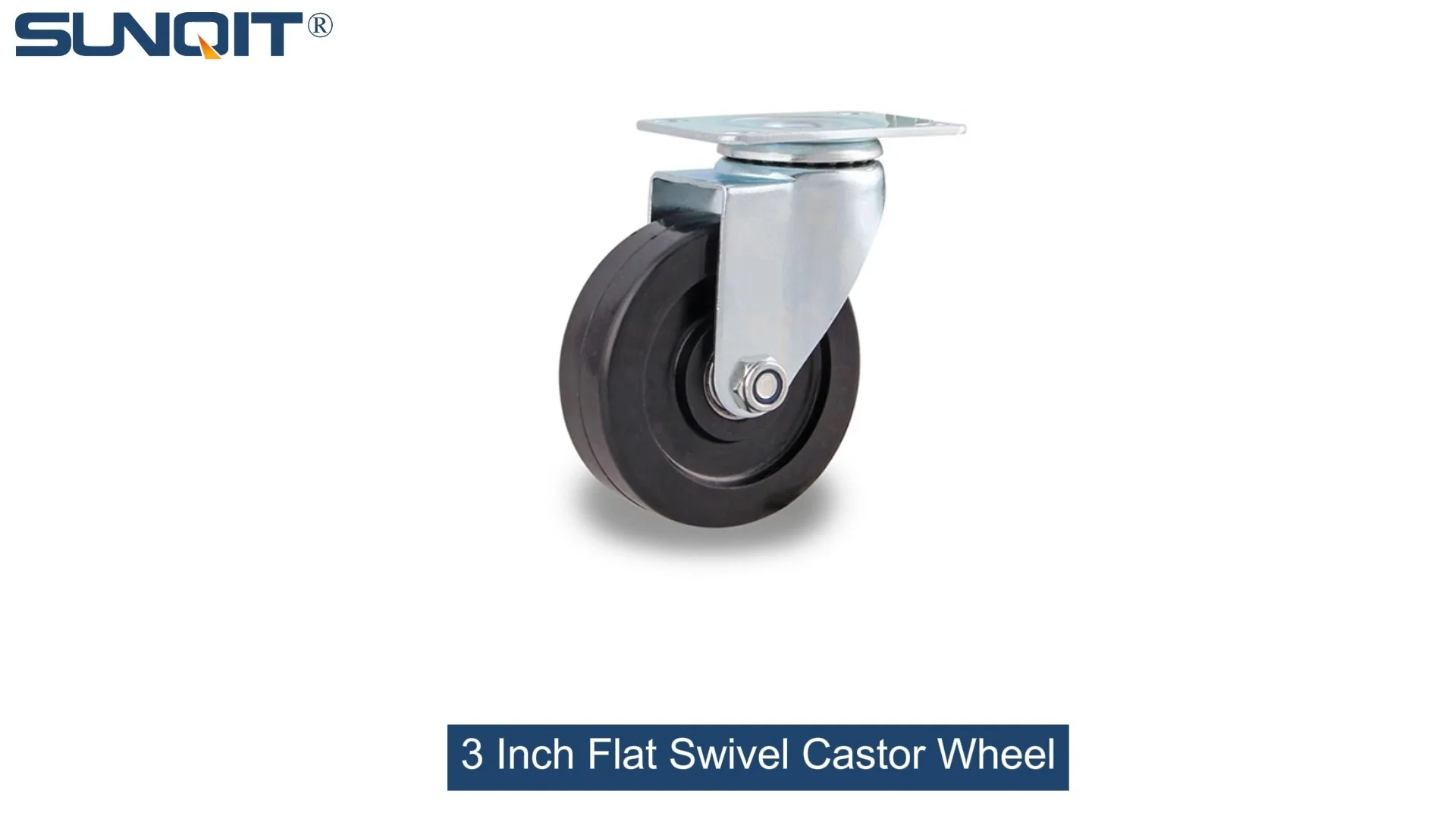
Flat Swivel Castor Wheel
Chair Casters Ball Bearing Wheels Rubber Base. Resistant to abrasion, impact and corrosion. Heavy payload can hold 70-90Kgs per pcs,which can make it works at a stable and smooth status.
Walk into any busy warehouse, distribution center, or manufacturing plant, and you'll notice a common rhythm: the hum of machinery, the chatter of workers, and the steady roll of trolleys moving goods from one point to another. These trolleys are the unsung heroes of logistics—they carry raw materials to production lines, transport finished products to storage racks, and deliver orders to shipping docks. But here's the thing: not all trolleys are created equal. The difference between a frustrating, slow-moving trolley and one that glides effortlessly often comes down to a small but critical component: the castor wheels. And among the various types of castor wheels available, flat swivel castor wheels have emerged as a game-changer for modern warehousing operations.
In this article, we'll dive deep into why flat swivel castor wheels are becoming indispensable for warehousing trolleys, how they enhance logistics efficiency, and what factors you should consider when choosing them for your facility. Whether you're managing a small warehouse or a large-scale distribution hub, understanding the role of these tiny but mighty components could be the key to unlocking smoother workflows, happier employees, and a healthier bottom line.
The Backbone of Warehouse Mobility: Why Trolleys Matter
Before we zoom in on castor wheels, let's take a moment to appreciate the importance of warehousing trolleys themselves. In an era where e-commerce demands faster order fulfillment and just-in-time manufacturing requires precise material handling, trolleys are no longer optional—they're essential. Here's why:
- Reduced Manual Labor: Carrying heavy loads by hand is not only slow but also increases the risk of workplace injuries. Trolleys allow workers to move more goods with less physical strain, boosting productivity and reducing downtime due to injuries.
- Flexibility: Unlike fixed conveyor systems, trolleys can be easily repositioned to adapt to changing workflows. Need to reroute materials for a rush order? A trolley can handle that in minutes, no complex reconfiguration required.
- Cost-Effectiveness: Trolleys are relatively inexpensive compared to automated systems, making them accessible for businesses of all sizes. They also require minimal maintenance, especially when equipped with high-quality components like durable castor wheels.
But even the best trolley design falls flat if its wheels aren't up to the task. Stiff, unresponsive wheels can turn a simple trip across the warehouse into a frustrating ordeal, slowing down operations and draining employee morale. That's where flat swivel castor wheels step in.
What Are Flat Swivel Castor Wheels, Anyway?
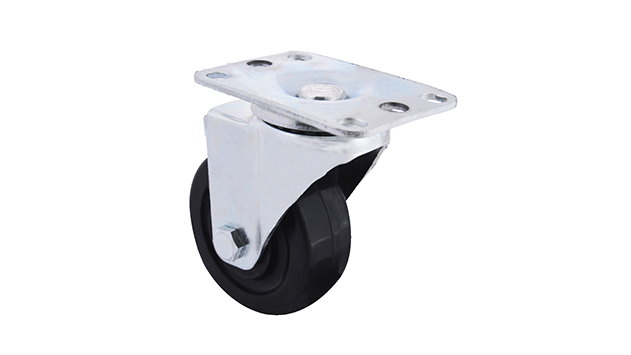
Let's break down the name: flat refers to the baseplate design, which is typically a flat, rectangular plate that attaches to the bottom of the trolley. Swivel means the wheel can rotate 360 degrees, allowing the trolley to turn smoothly in any direction without having to be lifted or maneuvered manually. Combined, these features create a castor wheel that's both stable and highly maneuverable—two qualities that are essential in tight warehouse spaces.
Unlike some other castor designs (such as those with rounded or recessed baseplates), flat swivel castor wheels distribute weight evenly across the baseplate, reducing stress on the trolley frame and the floor surface. This even weight distribution is particularly important for turnover trolley and rack systems, where trolleys often need to carry stacked loads or navigate uneven surfaces like grated floors or transition strips between warehouse zones.
Another key advantage of flat swivel castor wheels is their compatibility with a wide range of trolley designs. Whether you're using a lightweight order-picking trolley, a heavy-duty turnover trolley and rack combo, or a specialized cart for fragile goods, flat swivel castors can be adapted to fit, making them a versatile choice for diverse warehousing needs.
5 Ways Flat Swivel Castor Wheels Boost Logistics Efficiency
Now that we understand what flat swivel castor wheels are, let's explore how they directly enhance logistics efficiency. From reducing travel time to minimizing maintenance costs, these wheels deliver benefits that ripple through your entire operation.
1. Unmatched Maneuverability in Tight Spaces
Warehouses are often a maze of storage racks, pallet jacks, and workers—space is precious, and every inch counts. Traditional fixed castor wheels force trolleys to move in straight lines, requiring workers to backtrack or make wide turns to navigate around obstacles. Flat swivel castor wheels, on the other hand, allow trolleys to pivot on a dime. A quick push of the handle, and the wheels rotate smoothly, letting the trolley glide around corners, squeeze through narrow aisles, and even spin in place to line up with loading docks or turnover trolley and rack units.
Imagine a scenario: A warehouse worker needs to deliver a cart of electronics components to a production line located at the end of a tight aisle lined with storage racks. With fixed wheels, they might have to stop, adjust the trolley's angle, and push again—wasting valuable seconds. With flat swivel castor wheels, they can navigate the aisle in one fluid motion, reaching the production line faster and moving on to the next task. Multiply that time savings across hundreds of trips per day, and the efficiency gains add up quickly.
2. Improved Load Stability and Safety
Warehouse loads can be unpredictable—from bulky boxes to fragile equipment. A trolley that wobbles or tips easily is a disaster waiting to happen, risking damage to goods and endangering workers. Flat swivel castor wheels address this with their low-profile, flat baseplate design, which lowers the trolley's center of gravity. This makes the trolley more stable, even when carrying unevenly distributed loads.
Additionally, many flat swivel castor wheels come with integrated brakes, allowing workers to lock the wheels in place when loading or unloading. This prevents accidental movement, ensuring that the trolley stays put while goods are being added or removed. For example, when loading a turnover trolley and rack with heavy cartons, a quick flip of the brake lever keeps the trolley stable, reducing the risk of spills or tip-overs.
3. Durability That Stands Up to Warehouse Wear and Tear
Warehouse floors are tough on equipment. Concrete surfaces, metal grates, and occasional debris can quickly wear down low-quality castor wheels, leading to frequent replacements and unplanned downtime. Flat swivel castor wheels are typically constructed with robust materials like high-grade steel for the baseplate, polyurethane or rubber for the wheel tread, and precision ball bearings for smooth rotation.
Polyurethane wheels, in particular, are a popular choice for warehouses because they're resistant to abrasion, chemicals, and impact. They also provide good traction on both smooth and rough floors, reducing the risk of slippage. Over time, this durability translates to lower replacement costs and fewer disruptions to your workflow—meaning your trolleys stay in service longer, and your team stays focused on their tasks, not on fixing broken wheels.
4. Quiet Operation for a Better Work Environment
Warehouses are already noisy places, with forklifts, conveyor belts, and machinery contributing to high decibel levels. The last thing you need is the screech of metal wheels on concrete adding to the chaos. Flat swivel castor wheels with rubber or polyurethane treads are significantly quieter than their metal counterparts, helping to create a more pleasant work environment.
Why does this matter for efficiency? Studies have shown that excessive noise in the workplace can increase stress, reduce concentration, and lower productivity. By reducing noise levels, quiet castor wheels help workers stay focused and motivated, leading to fewer mistakes and faster task completion. Plus, a quieter warehouse is a safer one—workers can hear verbal instructions, warning signals, and approaching equipment more clearly, reducing the risk of accidents.
5. Compatibility with Caster Accessories for Customization
No two warehouses are exactly alike, and your trolley needs may vary depending on the type of goods you handle, your floor surfaces, and your workflow. Flat swivel castor wheels are highly customizable, thanks to a wide range of caster accessories designed to enhance their performance. These accessories include:
- Wheel Locks: As mentioned earlier, brakes or wheel locks prevent unintended movement during loading/unloading.
- Swivel Locks: These lock the swivel function, converting the castor into a fixed wheel for straight-line travel when needed.
- Debris Guards: Protect the wheel bearings from dust, dirt, and small debris, extending their lifespan.
- Extended Baseplates: For trolleys that need extra stability, extended baseplates distribute weight over a larger area.
By mixing and matching these accessories, you can tailor your flat swivel castor wheels to meet your specific needs. For example, if your warehouse has uneven floors, you might add shock-absorbing pads to the wheels to reduce vibration. If you frequently move trolleys between indoor and outdoor areas, debris guards can help prevent dirt from jamming the swivel mechanism. This level of customization ensures that your castor wheels work for your operation, not against it.

Choosing the Right Flat Swivel Castor Wheels: A Buyer's Guide
Now that you're convinced of the benefits of flat swivel castor wheels, how do you choose the right ones for your warehousing trolleys? Here are the key factors to consider:
1. Load Capacity: Know Your Weight Limits
The first and most important factor is load capacity. Every castor wheel has a maximum weight it can safely support, and exceeding this limit can lead to premature failure, wheel deformation, or even accidents. To determine the right load capacity, calculate the total weight of your trolley plus the maximum load it will carry, then divide by the number of wheels (most trolleys have 4 wheels). For example, if your trolley weighs 50 kg and will carry up to 250 kg, the total weight is 300 kg. Divided by 4 wheels, each wheel needs a capacity of at least 75 kg. It's always a good idea to add a 20-30% buffer to account for uneven loading or occasional overloading.
2. Floor Type: Match the Wheel Tread to Your Surface
The type of floor in your warehouse will influence the wheel tread material. Here's a quick guide:
- Smooth Concrete or Vinyl: Polyurethane wheels are ideal—they're quiet, non-marking, and provide good traction.
- Rough Concrete or Asphalt: Rubber wheels offer better shock absorption and durability on uneven surfaces.
- Metal Grates or Sensitive Floors (e.g., hardwood): Nylon wheels are resistant to punctures and won't scratch delicate surfaces.
3. Environment: Consider Special Conditions
Do you operate in a cold storage facility? Look for castor wheels with low-temperature-resistant treads. Is your warehouse in a food processing plant where hygiene is critical? Stainless steel baseplates and non-porous wheel materials (like polyurethane) are easy to clean and resistant to corrosion. For cleanrooms or pharmaceutical facilities, choose wheels that are non-shedding and compatible with disinfectants.
4. Brake Options: Safety First
If your trolleys will be stationary for extended periods (e.g., while loading/unloading), brakes are a must. There are two main types of brakes for swivel castors: wheel brakes (which lock the wheel itself) and swivel locks (which lock the swivel mechanism, preventing rotation). Some castors have both, offering maximum stability. Consider how often you'll need to lock the trolley and choose the brake type that best fits your workflow.
5. Swivel Radius: Maneuverability in Tight Spaces
The swivel radius is the distance from the center of the swivel to the edge of the wheel. A smaller swivel radius means the castor can rotate in a tighter circle, making the trolley more maneuverable in narrow aisles. If your warehouse has limited space, opt for castors with a compact swivel radius to ensure your trolleys can navigate without getting stuck.

Comparing Castor Wheel Types: Why Flat Swivel Stands Out
To help you see how flat swivel castor wheels stack up against other common types, let's take a look at this comparison table:
| Castor Type | Maneuverability | Stability | Noise Level | Best For |
|---|---|---|---|---|
| Fixed Castor Wheels | Low (only moves forward/backward) | High (no swivel mechanism to wobble) | Medium-High (depends on tread material) | Straight-line transport (e.g., conveyor-fed trolleys) |
| Swivel Castor Wheels (Rounded Baseplate) | High (360° rotation) | Medium (higher center of gravity) | Medium (similar to flat swivel) | General-purpose trolleys in open spaces |
| Flat Swivel Castor Wheels | High (360° rotation + tight turning radius) | High (low center of gravity from flat baseplate) | Low (with rubber/polyurethane tread) | Warehouses with tight aisles, uneven loads, or noise-sensitive areas |
| Heavy-Duty Industrial Castors | Medium (bulky design limits swivel) | Very High (reinforced baseplates, large wheels) | High (often metal treads for heavy loads) | Extremely heavy loads (e.g., machinery transport) |
As you can see, flat swivel castor wheels strike a perfect balance between maneuverability, stability, and noise level, making them the top choice for most warehousing applications—especially those that require frequent direction changes or operate in tight spaces.
Maintenance Tips to Keep Your Flat Swivel Castor Wheels Rolling Smoothly
Even the best castor wheels won't perform well if they're not properly maintained. Here are some simple tips to extend their lifespan and keep them operating at peak efficiency:
- Clean Regularly: Wipe down the wheels and swivel mechanism with a damp cloth to remove dust, dirt, and debris. For stubborn grime, use a mild detergent—avoid harsh chemicals that could damage the wheel tread or bearings.
- Lubricate Moving Parts: Apply a high-quality lubricant (like lithium grease) to the swivel bearings and wheel axles every 3-6 months, depending on usage. This keeps rotation smooth and prevents rust.
- Inspect for Wear: Check the wheel tread for cracks, flat spots, or excessive wear. If the tread is worn down, replace the wheel immediately—worn treads reduce traction and increase noise.
- Tighten Loose Fasteners: Over time, the bolts holding the castor to the trolley may loosen. Periodically check and tighten these fasteners to prevent the castor from wobbling or detaching.
- replace Caster Accessories Proactively: If a brake pad wears out or a debris guard cracks, replace it right away. Waiting can lead to more serious damage to the castor itself.
By following these maintenance steps, you can ensure that your flat swivel castor wheels last for years, providing reliable performance and keeping your warehouse operations running smoothly.
Case Study: How One Warehouse Boosted Efficiency with Flat Swivel Castor Wheels
Let's look at a real-world example of how flat swivel castor wheels transformed a warehouse's operations. ABC Distribution, a mid-sized e-commerce fulfillment center, was struggling with slow order processing times. Their workers were spending too much time maneuvering trolleys through narrow aisles, and frequent wheel replacements were eating into their budget.
After consulting with a material handling expert, ABC Distribution decided to upgrade their turnover trolley and rack systems with flat swivel castor wheels featuring polyurethane treads and integrated brakes. The results were impressive:
- 30% Faster Order Picking: Workers reported that the trolleys were "like pushing air" compared to the old metal wheels. The improved maneuverability reduced the time spent navigating aisles by nearly a third.
- 50% Reduction in Wheel Replacements: The durable polyurethane wheels held up better to daily use, cutting replacement costs in half over six months.
- Fewer Workplace Complaints: The quieter operation and smoother ride made the job less tiring, leading to a 20% decrease in employee turnover in the warehouse department.
"We didn't realize how much time we were wasting on bad wheels until we switched," said the warehouse manager. "Now, our team can focus on getting orders out the door instead of fighting with their trolleys. It's been a game-changer for our business."
The Future of Castor Wheels: What's Next?
As technology advances, we can expect to see even more innovations in castor wheel design. Here are a few trends to watch:
- Smart Castors: Imagine castor wheels equipped with sensors that monitor load weight, wheel temperature, and wear. These "smart" castors could send alerts when maintenance is needed or when a load exceeds capacity, preventing failures before they happen.
- Eco-Friendly Materials: With sustainability becoming a priority for many businesses, we'll see more castor wheels made from recycled or biodegradable materials, without sacrificing durability.
- Integration with Automation: As warehouses adopt more automated systems, castor wheels may be designed to work seamlessly with AGVs (Automated Guided Vehicles), allowing for hybrid workflows where human-operated and automated trolleys coexist.
Even with these advancements, the core benefits of flat swivel castor wheels—maneuverability, stability, and durability—will remain timeless. They're a classic example of how focusing on the "small stuff" can lead to big improvements in efficiency.
Final Thoughts: Invest in the Wheels That Move Your Business Forward
At the end of the day, warehousing efficiency is about more than just big-picture strategies—it's about the details. The tools your workers use every day, like trolleys and their castor wheels, have a direct impact on how quickly, safely, and happily work gets done. Flat swivel castor wheels may seem like a minor component, but their ability to enhance maneuverability, stability, and durability makes them a critical investment for any warehouse looking to stay competitive in today's fast-paced logistics landscape.
So, if you're still using outdated castor wheels on your warehousing trolleys, now is the time to make the switch. Talk to a reputable supplier, assess your needs, and choose flat swivel castor wheels that are built to last. Your workers will thank you, your operations will run smoother, and your bottom line will reflect the difference.
After all, in the world of logistics, it's the wheels that keep everything moving—and with flat swivel castor wheels, you'll be moving faster, smarter, and more efficiently than ever before.