- Company Articles
- Products and Technology
- Product knowledge
- Flat Swivel Castor Wheels for Workbench E: Compatibility & Performance

Flat Swivel Castor Wheels for Workbench E: Compatibility & Performance
Related Product
Flat Swivel Castor Wheel
Chair Casters Ball Bearing Wheels Rubber Base. Resistant to abrasion, impact and corrosion. Heavy payload can hold 70-90Kgs per pcs,which can make it works at a stable and smooth status.
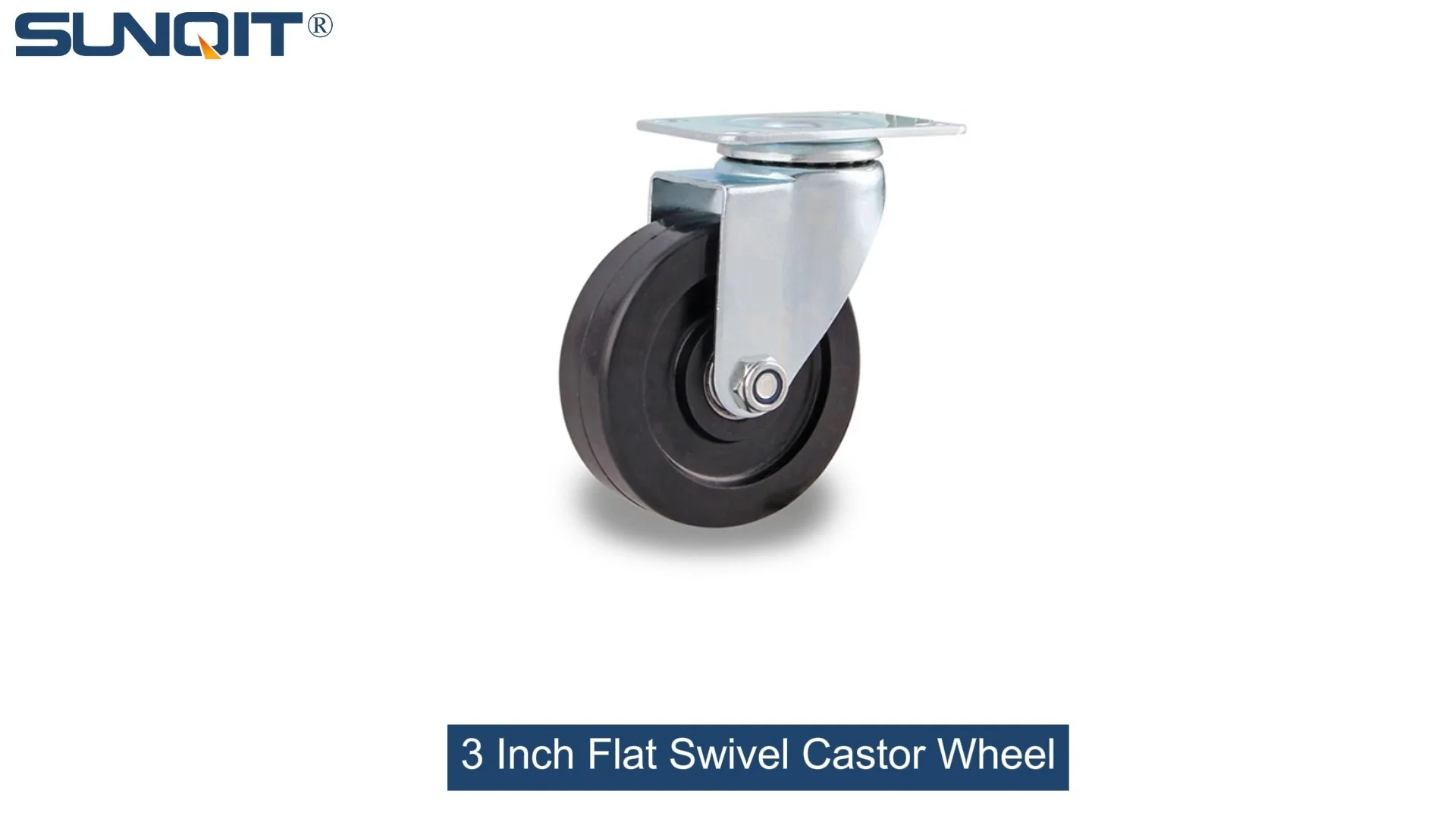
Walk into any busy workshop, manufacturing plant, or lab, and you'll notice one piece of equipment that acts as the unsung hero of daily operations: the workbench. It's where parts are assembled, tools are organized, and ideas take physical form. But here's the thing—even the sturdiest workbench can feel limiting if it's stuck in one spot. That's where mobility comes in. Today, we're diving deep into a game-changing upgrade for one of the most popular workbench models on the market: Workbench E (single deck-without caster) . Specifically, we're exploring how flat swivel castor wheels can transform this static workhorse into a dynamic, workflow-boosting tool. Whether you're running a lean production line, managing a warehouse, or setting up a lab, understanding the compatibility and performance of these casters could be the key to unlocking smoother operations and happier, more efficient teams.
Understanding Workbench E: The Foundation of Your Workspace
Before we talk about wheels, let's get to know the star of the show: Workbench E. If you've spent any time shopping for industrial workbenches, you've probably come across this model. Marketed as a "single deck-without caster" option, it's intentionally designed as a blank canvas—sturdy, reliable, and ready to be customized to fit your needs. Let's break down why it's such a popular choice, and why adding casters might be the next logical step.
Quick Facts About Workbench E: Single-deck design (no shelves below), typically constructed from lightweight but durable aluminum profile (resistant to rust and easy to clean), standard load capacity of 300-500 kg (depending on the deck material), and dimensions ranging from 1200x600mm to 1800x800mm. It's the "base model" that workshops love because it's affordable, adaptable, and built to handle the rigors of daily use—from assembly tasks to tool storage.
What makes Workbench E stand out is its versatility. In a manufacturing setting, it might hold assembly tools for electronics; in a lab, it could be a station for testing equipment; in a warehouse, it might serve as a packing station. But here's the catch: by default, it's stationary. That means if you need to reconfigure your workspace, deep-clean the floor, or move the workbench closer to a material rack, you're looking at a heavy, two-person job. And in lean environments—where every second counts—wasted time on manual lifting or rearranging is the last thing you need.
You might be thinking, "Why not just buy a workbench with casters already installed?" Fair question. Pre-castered workbenches exist, but they often come with compromises: higher price tags, limited caster quality (some use cheap plastic wheels that wear out quickly), or fixed caster types that don't swivel smoothly. Workbench E, on the other hand, lets you pick exactly the casters that match your workflow. And if there's one caster type that checks most boxes for flexibility and performance, it's the flat swivel castor wheel.
What Are Flat Swivel Castor Wheels, Anyway?
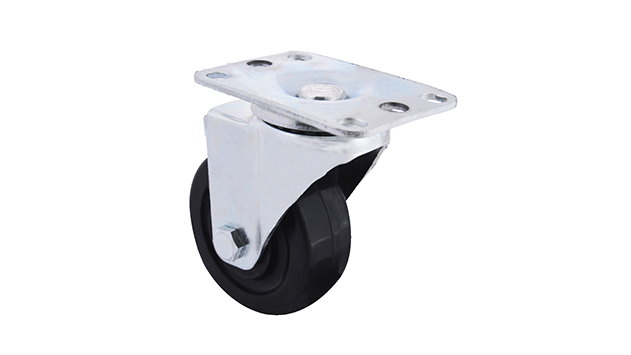
Let's start with the basics. A "caster wheel" is essentially a wheel mounted on a bracket, designed to be attached to the bottom of furniture, equipment, or in this case, workbenches. The "swivel" part means the wheel can rotate 360 degrees, allowing the equipment to move in any direction—no more back-and-forth shuffling to get around corners. The "flat" descriptor refers to the mounting plate: instead of a stem (a rod that inserts into a hole), these casters have a flat, rectangular metal plate with pre-drilled holes, making them easy to bolt directly onto the bottom of a workbench.
But not all swivel casters are created equal. Some have small wheels that struggle with rough floors; others have stiff swivel mechanisms that require extra force to turn. Flat swivel castor wheels, though, are engineered for balance: they combine stability (thanks to the flat mounting plate), maneuverability (360-degree swivel), and durability (often made with materials like polyurethane or rubber). They're the sweet spot between rigid casters (which only roll forward/backward) and heavy-duty industrial casters (which are overkill for a standard workbench).
Key Features of Quality Flat Swivel Castor Wheels
- Mounting Plate: Typically made of steel, with 4-6 pre-drilled holes for secure attachment. The plate size (common options: 70x50mm, 100x80mm) matters for compatibility—more on that later.
- Wheel Material: Polyurethane is a top choice for workshops; it's quiet, non-marking (so it won't scuff concrete or hardwood floors), and offers good grip on smooth surfaces. Rubber is another option for extra shock absorption, while nylon is better for heavy loads but can be noisy.
- Swivel Mechanism: Look for casters with ball bearings in the swivel head—they reduce friction, making it easier to turn the wheel with minimal force. A sealed mechanism also keeps out dust and debris, extending lifespan.
- Load Capacity: Measured per caster (e.g., 150kg per wheel). For Workbench E, which can hold 300-500kg, you'll want casters rated for at least 125kg each (since 4 casters x 125kg = 500kg total, plus a safety buffer).
- Brakes (Optional but Recommended): Many flat swivel casters come with a brake lever that locks both the wheel and the swivel mechanism, keeping the workbench steady when in use. This is a must if you're using power tools or working with delicate parts.
Now, you might be wondering: "Why not just use any old caster wheel I find in the storage room?" The answer lies in compatibility and performance. Mismatched casters can lead to wobbly workbenches, damaged floors, or even accidents. That's why we're focusing specifically on how flat swivel casters pair with Workbench E—and why that pairing matters for your daily operations.
Compatibility: Will Flat Swivel Casters Fit Workbench E?
Compatibility isn't just about "will it bolt on?" It's about ensuring the casters work with Workbench E's design, load capacity, and intended use. Let's break down the key factors to check before making a purchase.
1. Mounting Plate Size vs. Workbench E's Base
Workbench E's frame is typically built with aluminum profile legs—hollow, rectangular tubes that provide strength without adding excess weight. The bottom of each leg has a flat surface (often with pre-drilled holes or threaded inserts) where casters can be attached. The first step is to measure the available space on each leg's base. Common leg dimensions for Workbench E are 50x50mm or 60x60mm, so the caster's mounting plate needs to fit within that area without overhang (which could weaken the attachment).
For example, a 70x50mm mounting plate would work well with a 60x60mm leg—the plate's 50mm width aligns with the leg's 60mm depth, leaving room to drill or bolt securely. If the plate is too large (e.g., 120x100mm), it might extend beyond the leg, making it prone to bending or snapping under load. Always check the workbench's user manual or measure the leg bases yourself—don't assume one size fits all!
2. Load Capacity: Don't Cut Corners
Workbench E is rated for 300-500kg, but that includes the weight of the workbench itself (usually 30-50kg) plus whatever you put on it—tools, materials, equipment. Let's do the math: if you regularly load the workbench with 400kg of tools and parts, the total weight (workbench + load) is 450kg. With 4 casters, each caster needs to handle at least 112.5kg. To be safe, aim for casters rated for 150kg each—this accounts for uneven weight distribution (e.g., if you place a heavy tool on one corner) and extends the caster's lifespan.
Cheap casters might claim "100kg capacity," but they often skimp on material thickness or use plastic swivel heads that crack under strain. Investing in higher-rated casters now saves you from replacing them in 6 months—and avoids the risk of a workbench collapsing mid-task.
3. Floor Type and Wheel Material
Your workshop's floor surface plays a big role in caster compatibility. If you have smooth concrete or epoxy floors, polyurethane wheels are ideal—they glide easily and won't leave marks. For rough concrete or uneven surfaces, rubber wheels offer better shock absorption and grip. Avoid hard nylon wheels on delicate floors (like polished concrete or hardwood) unless they're labeled "non-marking"—they can scratch or scuff.
Workbench E is often used in diverse environments, from cleanrooms to garage workshops, so choosing a wheel material that matches your floor type ensures the casters perform well and protect your workspace.
4. Height Clearance
Adding casters raises the workbench's height. Workbench E typically stands 800-900mm tall (standard ergonomic height for most users). A caster with a 50mm wheel will add ~60mm to the total height (wheel diameter + mounting plate thickness), bringing it to 860-960mm. For most people, this is still comfortable, but if you have shorter users or specific ergonomic requirements, opt for smaller wheels (e.g., 40mm) to keep the height in check.
Pro Tip: If you're unsure about compatibility, reach out to your lean pipe workbench supplier (many also stock casters) or the Workbench E manufacturer. They can recommend caster models that are tested and guaranteed to fit—saving you the hassle of returns or modifications.

Performance: How Flat Swivel Casters Transform Workbench E
Compatibility gets the casters on the workbench, but performance is what makes them worth the investment. Let's talk about how the right flat swivel casters improve workflow, safety, and efficiency in real-world settings.
1. Maneuverability: Navigate Tight Spaces with Ease
Imagine this: You're assembling a product on Workbench E, and you need parts from the material rack B (3 row and 3 floor) across the room. Without casters, you'd have to carry the parts back and forth, wasting time and energy. With flat swivel casters, you simply unlock the brakes, glide the workbench to the rack, load up the parts, and roll back—all in a fraction of the time.
The 360-degree swivel is a game-changer here. Unlike rigid casters (which only move forward/backward), swivel casters let you pivot the workbench in place, making it easy to navigate around corners, other equipment, or even tight aisles. This is especially useful in lean manufacturing setups, where workspace optimization is key to reducing waste and improving throughput.
2. Stability When You Need It (Thanks to Brakes)
Mobility is great, but a workbench that rolls away mid-task is a disaster. That's why quality flat swivel casters come with brakes. Look for "total lock" brakes—they lock both the wheel (preventing rolling) and the swivel head (preventing pivoting), keeping the workbench rock-steady. Whether you're using a drill, soldering iron, or weighing delicate parts, the brakes ensure zero movement, reducing error and injury risk.
In labs or cleanrooms, where precision is critical, this stability is non-negotiable. Even a tiny roll could throw off measurements or damage sensitive equipment. With brakes engaged, Workbench E feels just as solid as it did without casters—but with the added bonus of being movable when you need it.
3. Durability: Built to Last in Busy Environments
Workshops are tough on equipment—dust, oil, heavy loads, and constant movement take a toll. A cheap caster might start squeaking or wobbling after a month of use, but a well-made flat swivel caster with a steel mounting plate, polyurethane wheel, and sealed ball bearings can last 5+ years with minimal maintenance. That's a smart investment when you consider the cost of replacing flimsy casters repeatedly.
For example, a caster with a sealed swivel mechanism won't let sawdust or metal shavings gum up the works, ensuring smooth rotation even in dirty environments. Polyurethane wheels resist wear from rough concrete, and steel plates stand up to the weight of heavy tools without bending. When you factor in durability, the upfront cost of quality casters pays off in the long run.
4. Noise Reduction: A Quieter Workspace
If you've ever pushed a workbench with hard plastic wheels across concrete, you know how loud it can be—like a shopping cart with a wobbly wheel, amplified. This noise isn't just annoying; it can distract workers, increase stress, and even mask important sounds (like a machine malfunction). Flat swivel casters with polyurethane wheels are significantly quieter—they absorb vibrations and glide smoothly, turning a (cì'ěr, harsh) racket into a soft hum. This makes for a more pleasant workspace and helps maintain focus during tasks that require concentration.

Comparing Caster Types: Why Flat Swivel Wins for Workbench E
Still not sure if flat swivel casters are right for you? Let's compare them to other common caster types to see how they stack up for Workbench E.
| Feature | Flat Swivel Castor Wheel | Rigid Caster Wheel | Stem-Mounted Swivel Caster | Heavy-Duty Industrial Caster |
|---|---|---|---|---|
| Compatibility with Workbench E | High (fits aluminum profile legs with flat bases) | Medium (limited mobility; requires straight paths) | Low (Workbench E legs rarely have stem holes) | Medium (overkill for typical Workbench E loads) |
| Load Capacity (per caster) | 100-200kg (ideal for 300-500kg workbench) | 150-300kg (but rigid movement limits usability) | 50-150kg (weaker stem may bend under heavy loads) | 300kg+ (unnecessary for most Workbench E users) |
| Maneuverability | Excellent (360° swivel; easy to pivot) | Poor (only forward/backward) | Good (swivels, but stem may loosen over time) | Fair (bulky; hard to turn in tight spaces) |
| Noise Level | Low (polyurethane wheels are quiet) | Medium-High (depends on wheel material) | Medium (stem vibration can cause noise) | High (large metal wheels on concrete) |
| Best For | General workshop use, lean environments, labs | Heavy, fixed-path equipment (e.g., storage racks) | Light furniture (not recommended for workbenches) | Industrial machinery (e.g., 1000kg+ equipment) |
As the table shows, flat swivel casters strike the perfect balance for Workbench E: they're compatible with its aluminum profile legs, handle its typical load capacity, offer excellent maneuverability, and keep noise levels low. Rigid casters are too limiting, stem-mounted casters are unstable for heavy use, and industrial casters are overengineered (and expensive) for a standard workbench. For most users, flat swivel is the clear winner.
Installation Guide: Adding Flat Swivel Casters to Workbench E
Ready to upgrade your Workbench E? Installing flat swivel casters is a straightforward DIY project—no need for a professional. Here's a step-by-step guide to get it done safely and correctly.
Tools You'll Need
- Drill and drill bits (matching the caster's bolt size)
- Socket wrench or screwdriver (depending on bolt type)
- Level (to ensure the workbench sits evenly)
- Tape measure and pencil (to mark drilling points)
- Safety gear: gloves, goggles, and a mask (if drilling metal)
- Assistant (to help lift the workbench—never do this alone!)
Step 1: Prepare the Workbench
Clear everything off Workbench E and move it to a flat, open space. If possible, place it on a raised surface (like wooden blocks) to give yourself room to work underneath. This also protects the deck from scratches while you install the casters.
Step 2: Mark the Mounting Points
Flip the workbench upside down (with help!) so the legs are facing up. Take one caster and align its mounting plate with the bottom of a leg. The plate should be centered to distribute weight evenly. Use a pencil to mark the positions of the pre-drilled holes on the leg. Repeat this for all four legs.
Step 3: Drill Pilot Holes
Using a drill bit slightly smaller than the bolts provided with the casters, drill pilot holes into the marked points. This prevents the aluminum profile from cracking and makes it easier to drive the bolts. Be careful not to drill all the way through the leg—stop when the bit exits the other side of the mounting surface.
Step 4: Attach the Casters
Place the caster's mounting plate over the pilot holes and insert the bolts. Tighten them with a socket wrench or screwdriver until they're snug—don't over-tighten, as this can strip the holes in the aluminum leg. Repeat for all four casters.
Step 5: Test for Level and Stability
Flip the workbench back over (again, with help!) and place it on a flat floor. Use a level to check if it sits evenly—if one corner is higher, loosen the bolts on that caster and adjust the plate position slightly. Once level, test the brakes (if included) by locking them and pushing the workbench gently—it shouldn't move. Unlock the brakes and roll it around to ensure the swivel mechanism works smoothly with no wobbling.
That's it! In under an hour, you've transformed your stationary Workbench E into a mobile workspace powerhouse.
Maintenance: Keeping Your Casters Rolling Smoothly
Like any equipment, flat swivel casters need a little TLC to stay in top shape. Here's how to extend their lifespan and keep performance high:
- Clean Regularly: Wipe the wheels and swivel heads with a damp cloth to remove dust, oil, and debris. For stubborn grime, use a mild detergent—avoid harsh chemicals that can damage polyurethane wheels.
- Lubricate the Swivel Mechanism: Every 3-6 months (more often in dusty environments), apply a few drops of lubricating oil (like 3-in-1 oil) to the swivel head bearings. This keeps the rotation smooth and prevents rust.
- Check Bolts: Tighten loose bolts monthly—vibration from rolling can loosen them over time, leading to wobbling or instability.
- replace Worn Wheels: If a wheel starts to crack, flatten, or lose grip, replace it immediately. Mixing old and new wheels can cause uneven wear and stress on the workbench legs.
- Avoid Overloading: Stick to the caster's rated load capacity. Overloading leads to premature failure of the wheel, swivel mechanism, or mounting plate.
Conclusion: Invest in Mobility, Invest in Efficiency
Workbench E is already a solid foundation for any workshop, but adding flat swivel castor wheels turns it into a tool that adapts to your needs—not the other way around. By prioritizing compatibility (matching mounting plate size, load capacity, and floor type) and focusing on performance (maneuverability, stability, durability), you'll unlock a workspace that's more efficient, safer, and responsive to the demands of daily operations.
Whether you're a small business owner looking to streamline assembly lines, a lab manager needing flexible workstations, or a warehouse supervisor aiming to reduce manual labor, the right casters make all the difference. And remember—when in doubt, consult your lean pipe workbench supplier or caster manufacturer. They can help you select the perfect model for your Workbench E, ensuring you get the most out of your upgrade.
So, what are you waiting for? Give your Workbench E the mobility upgrade it deserves—and watch your workflow transform.