- Company Articles
- Products and Technology
- Product knowledge
- Flat Swivel Castor Wheels in Warehousing: Optimizing Logistics Trolley Movement

Flat Swivel Castor Wheels in Warehousing: Optimizing Logistics Trolley Movement
Related Product
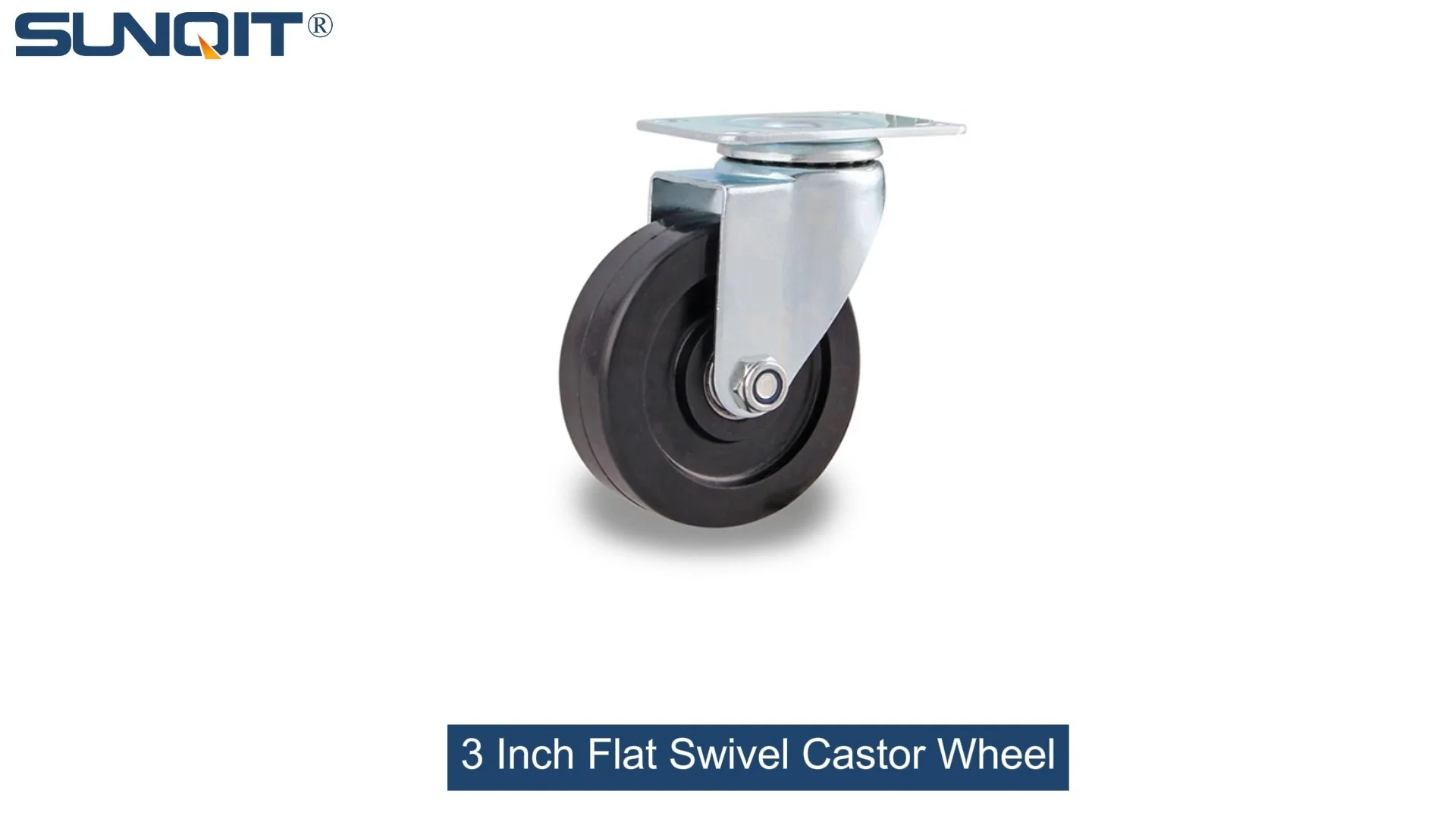
Flat Swivel Castor Wheel
Chair Casters Ball Bearing Wheels Rubber Base. Resistant to abrasion, impact and corrosion. Heavy payload can hold 70-90Kgs per pcs,which can make it works at a stable and smooth status.
In the bustling world of modern warehousing, where every second counts and efficiency is the name of the game, logistics trolleys are the unsung workhorses that keep operations moving. From transporting raw materials to shuffling finished goods, these humble carts are the backbone of daily workflows. But what if the very component that makes them mobile—their castor wheels—was holding back your team's productivity? Enter flat swivel castor wheels: a small but mighty innovation that's quietly revolutionizing how warehouses handle material movement. In this article, we'll dive into why these wheels matter, how they outperform traditional options, and why they're becoming a staple in lean system implementations across the industry.
The Critical Role of Castor Wheels in Trolley Design
Before we zoom in on flat swivel castor wheels, let's take a step back and appreciate why castor wheels are more than just "parts on a cart." For anyone who's spent a day in a warehouse, the difference between a well-designed trolley and a clunky one is night and day. A trolley with subpar wheels can turn a 5-minute task into a 20-minute struggle, leaving operators fatigued and frustrated. Over time, this not only slows down workflows but also increases the risk of workplace injuries—strained backs, twisted ankles, or even collisions when trolleys are hard to maneuver.
Traditional castor wheels often fall short in key areas: some lack swivel flexibility, making tight turns near racks or workbenches a nightmare; others have poor shock absorption, leading to damaged goods or noisy operation; and many wear out quickly on rough warehouse floors, requiring frequent replacements. For warehouses aiming to adopt lean system principles—where waste reduction and continuous improvement are priorities—these inefficiencies simply won't cut it.
Flat Swivel Castor Wheels: Redefining Mobility in Warehouses
What Are Flat Swivel Castor Wheels, Anyway?
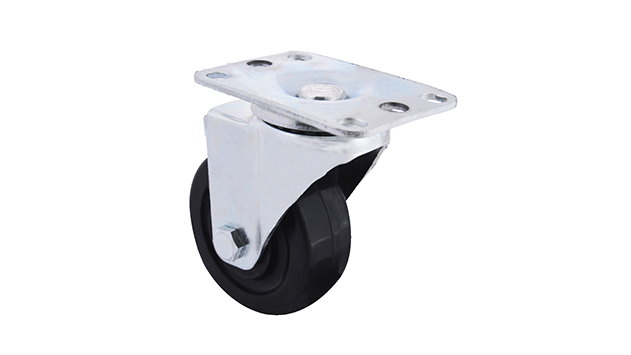
Flat swivel castor wheels are exactly what their name suggests: castors with a flat mounting plate (the part that attaches to the trolley) and a swivel mechanism that allows 360-degree rotation. But don't let their simplicity fool you. Unlike rigid castors (which only roll forward and backward) or standard swivel castors (which may have bulky designs), flat swivel castors combine low-profile stability with unmatched maneuverability. This makes them ideal for logistics trolleys, turnover trolley and rack systems, and even mobile workbenches—any application where space is tight and precision movement is key.
Key Features That Make Flat Swivel Castors Stand Out
Let's break down the design elements that set these castors apart:
- Low-Profile Flat Plate: The flat mounting plate sits close to the trolley frame, lowering the center of gravity. This reduces tipping risk, even when the trolley is loaded unevenly—a common scenario when moving irregularly shaped items.
- Precision Swivel Mechanism: High-quality ball bearings or roller bearings in the swivel head ensure smooth rotation with minimal effort. Operators can pivot the trolley on a dime, navigating around pallet racks, conveyor belts, and other obstacles without breaking a sweat.
- Durable Wheel Materials: Most flat swivel castors use polyurethane (PU), rubber, or nylon wheels. PU is a favorite for warehouses because it's tough enough to handle concrete floors, quiet (no more screeching wheels!), and gentle on sensitive surfaces like vinyl or epoxy if your facility has mixed flooring.
- Integrated Braking Options: Many models come with caster accessories like side-mounted brakes or total-lock brakes that lock both the wheel and swivel mechanism. This is a game-changer for loading/unloading—no more chasing runaway trolleys on sloped floors!
How They Solve Common Warehouse Headaches
To understand the impact, let's walk through a typical warehouse scenario. Imagine a team member pushing a turnover trolley loaded with electronic components toward a material rack B (3 row and 3 floor). The path is narrow, with other trolleys and workers nearby. With standard castors, they might struggle to swivel around a corner, accidentally bumping a rack and causing boxes to shift. With flat swivel castors? The trolley glides, the swivel head turns smoothly, and they navigate the corner with inches to spare. The difference isn't just speed—it's confidence. Operators feel in control, which reduces errors and boosts morale.
Another pain point: uneven floors. Many warehouses have old concrete with cracks, or temporary mats near loading docks. Flat swivel castors with shock-absorbing wheels minimize vibrations, protecting fragile items like glassware or electronics. They also reduce operator fatigue—pushing a trolley with these wheels feels lighter, even when fully loaded, because there's less resistance from rough surfaces.
The Ripple Effect: How Flat Swivel Castors Boost Warehouse Efficiency
Saving Time, One Trolley at a Time
Time is money in warehousing, and flat swivel castors save both. Let's do the math: if an operator spends 10 extra minutes per shift struggling with a hard-to-move trolley, and your warehouse has 20 operators, that's 200 minutes (over 3 hours) of wasted time daily. Over a month, that's 60+ hours—time that could be spent on value-added tasks like inventory checks or order picking. With flat swivel castors, those 10 minutes shrink to 2 or 3, adding up to hundreds of hours in annual productivity gains.
Reducing Maintenance Costs and Downtime
Warehouse managers know that equipment downtime is a silent budget killer. Traditional castors often fail due to rusted swivel joints, worn bearings, or cracked wheels—each breakdown means a trolley out of commission and a maintenance crew diverted from other tasks. Flat swivel castors, built with sealed bearings and corrosion-resistant materials (like stainless steel for humid environments), last longer. Plus, caster accessories like bearing covers or dust shields keep debris out, extending the lifespan even further. One warehouse we spoke to reported a 40% drop in castor replacement costs after switching to flat swivel models—money that went straight back into their lean system initiatives.
Enhancing Safety: A Win for Teams and Bottom Lines
Safety isn't just a compliance checkbox; it's critical for keeping teams happy and operations running. Flat swivel castors reduce the risk of accidents in three key ways: better stability (lower center of gravity means fewer tip-overs), smoother movement (less strain on operators' backs and shoulders), and reliable brakes (preventing unintended movement during loading/unloading). A study by the Occupational Safety and Health Administration (OSHA) found that 20% of warehouse injuries are related to manual material handling—many of which could be mitigated with ergonomic equipment like well-designed castors.

Flat Swivel vs. Other Castor Types: Which Is Right for Your Trolley?
Not all castors are created equal. To help you decide if flat swivel castors are the best fit, let's compare them to common alternatives:
| Castor Type | Best For | Maneuverability | Load Capacity (Avg.) | Maintenance Needs |
|---|---|---|---|---|
| Flat Swivel Castor Wheels | Logistics trolleys, turnover trolley and rack systems, mobile workbenches | Excellent (360° swivel, tight turns) | 500–2,000 lbs per castor | Low (sealed bearings, durable materials) |
| Rigid Castors | Straight-line transport (e.g., long conveyors) | Poor (only forward/backward) | 1,000–5,000 lbs per castor | Low (simple design, no swivel parts) |
| Locking Swivel Castors | Stationary workbenches, heavy equipment | Good (swivel + lock, but bulkier) | 800–3,000 lbs per castor | Medium (locks can jam if not cleaned) |
| Pneumatic (Air-Filled) Castors | Outdoor use, rough terrain | Fair (bulky, can lose air pressure) | 300–1,500 lbs per castor | High (air pressure checks, puncture risk) |
As the table shows, flat swivel castors strike a balance between maneuverability, load capacity, and low maintenance—making them the top choice for most indoor warehousing tasks, especially when paired with lean system goals of flexibility and efficiency.

Choosing the Right Flat Swivel Castor Wheels: A Practical Guide
Not all flat swivel castors are the same, so selecting the right model depends on your specific needs. Here's what to consider:
1. Load Capacity: Don't Cut Corners
Start by calculating the maximum weight your trolley will carry. If your turnover trolley typically holds 1,000 lbs, and it uses 4 castors, each castor should handle at least 250 lbs (plus a 20% safety margin, so 300 lbs). Overloading castors leads to premature failure—no one wants a wheel collapse mid-transport!
2. Floor Surface: Match the Wheel to the Ground
Concrete floors? Go for polyurethane wheels—they're tough and quiet. Vinyl or epoxy floors? Rubber wheels are gentler, preventing scratches. For uneven surfaces, look for wheels with a slight "give," like semi-pneumatic (foam-filled) options, which absorb shocks better than hard plastics.
3. Swivel Resistance: Smooth vs. Stiff
Swivel resistance (how easy it is to turn the wheel) matters. For light loads, low resistance is better—operators can maneuver effortlessly. For heavy loads, medium resistance prevents the trolley from "wandering" when pushed. Most suppliers let you adjust resistance by choosing different bearing types, so ask about customization.
4. Caster Accessories: The Extras That Add Value
Don't overlook caster accessories! Brakes are non-negotiable if your trolleys stop on slopes or near workbenches. Brake types include top-lock (press down to lock), side-lock (flip a lever), and total-lock (locks wheel and swivel). Other useful accessories: floor protectors (for delicate surfaces), grease fittings (for easy lubrication), and debris guards (to keep dirt out of swivel joints).
Installation and Maintenance: Keeping Your Castors Rolling Strong
Installing Flat Swivel Castors: A DIY Job or Call a Pro?
Installing flat swivel castors is usually straightforward, even for warehouse teams without specialized tools. Most come with pre-drilled holes in the flat plate—simply align them with the trolley's mounting points and secure with bolts. Pro tip: Use lock washers to prevent bolts from loosening due to vibration. If you're retrofitting old trolleys, check if the frame is strong enough—rusted or bent frames can compromise castor performance, so it may be worth upgrading the trolley itself if needed.
Maintenance 101: Extending Castor Lifespan
A little care goes a long way with flat swivel castors. Here's a quick maintenance checklist:
- Weekly: Inspect wheels for cracks, uneven wear, or debris (like string or small rocks stuck in the tread). Clean wheels with a brush or compressed air.
- Monthly: Lubricate swivel joints and wheel bearings with a light machine oil (avoid heavy greases, which attract dirt). Test brakes to ensure they engage fully.
- Quarterly: Check mounting bolts for tightness. replace any castors with wobbly swivel heads, seized bearings, or wheels that don't roll straight.
By sticking to this routine, you can double the lifespan of your castors—saving time and money in the long run.
Real-World Success: How One Warehouse Transformed with Flat Swivel Castors
Let's hear from a real user. MetroLogistics, a mid-sized e-commerce fulfillment center in Chicago, was struggling with slow order picking times and high operator turnover. Their old steel trolleys used rigid castors, which made navigating their tight aisles (just 6 feet wide) frustrating. "Our pickers were spending 20% of their time just maneuvering trolleys," says Sarah Lopez, Operations Manager. "Morale was low, and we were missing our daily order targets."
Sarah's team decided to test flat swivel castors on 10 of their turnover trolleys. Within a week, pickers reported feeling less tired, and trolley movement time dropped by 35%. Encouraged, they retrofitted all 50 trolleys and added mobile workbenches with the same castors, allowing packers to move stations closer to picking zones. "Six months later, our order processing time is down by 18%, and we've had zero trolley-related injuries," Sarah says. "It's amazing how such a small change had such a big impact on our lean system goals."
Final Thoughts: Why Flat Swivel Castors Are a Must-Have for Modern Warehouses
In the fast-paced world of warehousing, every detail counts. Flat swivel castor wheels may seem like a minor component, but they play a huge role in keeping logistics trolleys, turnover trolley and rack systems, and workbenches moving efficiently. By combining maneuverability, durability, and safety, they help warehouses reduce waste, boost productivity, and keep teams happy—all while aligning with lean system principles.
If you're still using outdated castors, consider this: the cost of upgrading is minimal compared to the savings in time, maintenance, and injury prevention. As Sarah from MetroLogistics put it: "Investing in good castors isn't an expense—it's an investment in your team's ability to succeed." So why wait? Give your trolleys the upgrade they deserve, and watch your warehouse efficiency roll to new heights.