- Company Articles
- Products and Technology
- Product knowledge
- Flat Swivel Castor Wheels vs. Swivel Plate Casters: Differences Explained

Flat Swivel Castor Wheels vs. Swivel Plate Casters: Differences Explained
Related Product
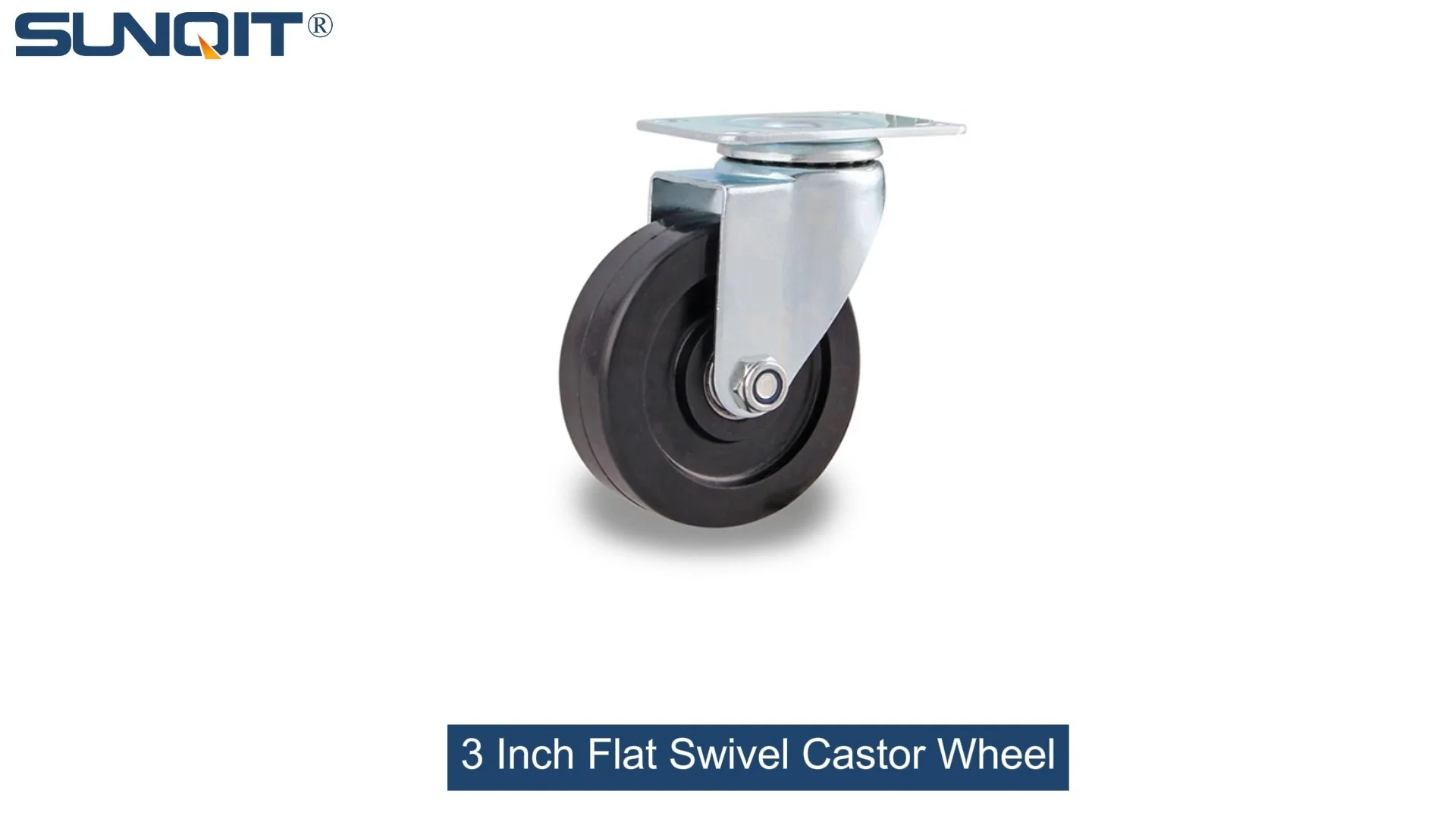
Flat Swivel Castor Wheel
Chair Casters Ball Bearing Wheels Rubber Base. Resistant to abrasion, impact and corrosion. Heavy payload can hold 70-90Kgs per pcs,which can make it works at a stable and smooth status.
Ever stopped to think about how much of the world around you moves smoothly—without you even noticing? The cart that glides through your favorite café, the hospital bed that shifts gently beside a patient, the warehouse rack that slides into place with a push—none of that would be possible without casters. These small, unassuming devices are the unsung heroes of mobility, turning static objects into tools that save time, reduce effort, and keep operations running like clockwork. But if you've ever shopped for casters, you've probably stumbled upon a common confusion: What's the difference between flat swivel castor wheels and swivel plate casters? Are they interchangeable? And which one do you actually need for your project?
In this guide, we're breaking down the nuances between these two popular caster types. Whether you're a warehouse manager upgrading material handling equipment, a small business owner building custom carts, or a DIY enthusiast tackling a home project, understanding their differences will help you make smarter choices. Let's dive in.
First Things First: What Are Casters, Anyway?
Before we compare specific types, let's get back to basics. A caster is essentially a wheel mounted on a frame (called a "yoke" or "horn") that allows objects to roll instead of slide. Unlike standalone wheels, casters often include a swivel mechanism, letting the wheel rotate 360 degrees. This swivel feature is what makes them so versatile—imagine trying to push an office chair in a straight line only! Casters come in all shapes and sizes, but they all share a core purpose: to make heavy or bulky items mobile with minimal effort.
From the wheels on your office chair to the massive casters under airplane maintenance platforms, these devices are everywhere. They're in factories, hospitals, schools, restaurants, and even your garage. The key is choosing the right type for the job—and that's where flat swivel castor wheels and swivel plate casters often get mixed up.
Flat Swivel Castor Wheels: The Lightweight, Nimble Option
Let's start with flat swivel castor wheels. As the name suggests, these casters feature a flat mounting plate —a thin, typically square or rectangular metal plate that attaches to the bottom of the object you want to move. This plate is what distinguishes them from other designs: it's compact, lightweight, and designed for simplicity.
What Makes Up a Flat Swivel Castor Wheel?
To understand how flat swivel casters work, let's break down their components:
- Mounting Plate: The flat, metal base that bolts or screws onto the object (think: the bottom of a utility cart or a mobile shelf). It's usually 2–4 inches in size, making it ideal for smaller, lighter items.
- Swivel Head: The part that connects the mounting plate to the wheel. It contains bearings that allow the wheel to rotate 360 degrees smoothly. Since flat swivel casters are often for lighter loads, the swivel head is smaller and less heavy-duty than those in other casters.
- Caster Wheel: The wheel itself! Most flat swivel casters use softer materials like rubber or polyurethane. These materials are gentle on floors (great for hardwood or tile) and quiet—perfect for indoor spaces like offices or retail stores.
- Bearings: Located inside the swivel head and wheel hub, bearings reduce friction, ensuring the caster rolls and swivels without sticking. For light loads, standard ball bearings usually suffice.
- Brakes (Optional): Some flat swivel casters include a simple brake lever that locks the wheel in place, preventing unintended movement. These are handy for carts that need to stay put during use, like a serving cart in a café.
How Do They Perform?
Flat swivel castor wheels excel in scenarios where maneuverability and floor protection are priorities. Because of their small size and lightweight design, they're incredibly easy to turn—even in tight spaces. Picture pushing a mobile printer cart through a narrow office hallway: the casters swivel smoothly, letting you navigate around desks and chairs without breaking a sweat. Their soft wheels also mean they won't scratch floors, making them a favorite for indoor use.
But there's a catch: they're not built for heavy loads. Most flat swivel casters top out at around 500 pounds (and many are rated for much less, like 50–200 pounds). Overloading them can bend the mounting plate, damage the swivel head, or wear out the wheels quickly. Think of them as the "city cars" of casters—great for zipping around tight, light-duty environments, but not for hauling heavy cargo.
Where Do You Find Flat Swivel Castor Wheels?
You've probably used flat swivel casters without realizing it. Here are some common applications:
- Office Furniture: Desk chairs, mobile file cabinets, and printer carts often use flat swivel casters for easy movement on carpet or hardwood.
- Retail and Hospitality: Display racks, serving carts, and portable checkout stations rely on their nimble design to navigate crowded spaces.
- Home Use: DIY projects like rolling kitchen islands, under-bed storage bins, or mobile workbenches (think: a small craft table) frequently use flat swivel casters for their simplicity and affordability.
- Light Industrial: In factories or warehouses, they might be used on small parts bins or tool carts that don't carry heavy loads.
Swivel Plate Casters: The Heavy-Duty Workhorses
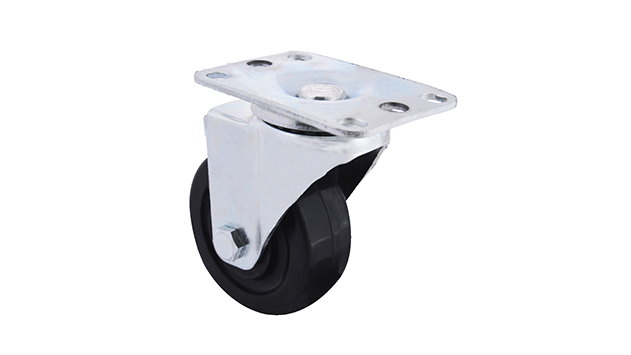
Now, let's shift to swivel plate casters. If flat swivel casters are city cars, swivel plate casters are pickup trucks—built for strength, durability, and heavy lifting. The "plate" here refers to a larger, thicker mounting plate designed to distribute weight evenly, making them ideal for industrial and commercial settings.
What Makes Swivel Plate Casters Different?
At first glance, swivel plate casters might look similar to flat swivel ones—both have a mounting plate and swivel mechanism—but the devil is in the details. Here's what sets them apart:
- Mounting Plate: Larger and thicker than flat swivel plates, often 4–8 inches in size. Made from heavy-gauge steel, it's designed to handle hundreds (or even thousands) of pounds without bending.
- Swivel Head: Beefed up with larger bearings and a sturdier housing. Some even include a "raceway" (a reinforced ring) to support the swivel mechanism under heavy loads. This reduces wear and ensures smooth rotation even when carrying 1,000+ pounds.
- Caster Wheel: Wheels here are bigger and tougher. Materials like cast iron, steel, or heavy-duty polyurethane are common. Steel wheels, for example, are great for rough surfaces like concrete floors in warehouses, while polyurethane wheels offer a balance of durability and floor protection.
- Brakes: More robust than those on flat swivel casters. Many swivel plate casters include "total lock" brakes, which lock both the wheel and the swivel head—preventing movement in any direction. This is critical for safety when loading/unloading heavy items.
- Sealed Bearings: To withstand dust, debris, and heavy use, swivel plate casters often use sealed or shielded bearings. These prevent dirt from clogging the mechanism, extending the caster's lifespan in industrial environments.
How Do They Perform?
Swivel plate casters are all about power and reliability. Their large mounting plates distribute weight evenly, reducing stress on both the caster and the object it's attached to. This makes them perfect for heavy loads: think industrial carts hauling pallets, hospital beds carrying patients, or construction equipment like tool cribs.
While they're not as "nimble" as flat swivel casters (their larger size can make tight turns trickier), they more than make up for it in stability. You'll rarely see a swivel plate caster wobble or get stuck, even on uneven floors. And because they're built to last, they hold up to daily abuse in factories, warehouses, and outdoor settings.
Where Do Swivel Plate Casters Shine?
These casters are the backbone of heavy-duty mobility. Here are their most common uses:
- Industrial Warehouses: Pallet jacks, material handling carts, and storage racks rely on swivel plate casters to move heavy loads (500–5,000+ pounds) across concrete floors.
- Hospitals and Healthcare: Stretchers, medical equipment carts, and mobile patient beds use swivel plate casters for stability and smooth movement—critical when patient safety is on the line.
- Manufacturing: Assembly line carts, tool cabinets, and machinery platforms often use these casters to transport parts and equipment around factories.
- Outdoor and Rough Surfaces: Their tough wheels and sealed bearings make them suitable for outdoor use, like on construction sites or loading docks.

Flat Swivel vs. Swivel Plate: A Side-by-Side Comparison
To make it easier to see their differences, let's put flat swivel castor wheels and swivel plate casters head-to-head:
| Feature | Flat Swivel Castor Wheels | Swivel Plate Casters |
|---|---|---|
| Load Capacity | 50–500 pounds (light to medium duty) | 500–5,000+ pounds (medium to heavy duty) |
| Mounting Plate Size | 2–4 inches (small, lightweight plate) | 4–8 inches (large, thick steel plate) |
| Wheel Material | Rubber, polyurethane (soft, floor-friendly) | Steel, cast iron, heavy-duty polyurethane (tough, durable) |
| Maneuverability | High—excellent for tight spaces and indoor use | Good, but larger size makes tight turns harder |
| Best For | Office furniture, retail carts, home DIY projects, light industrial use | Warehouses, hospitals, manufacturing, heavy machinery, outdoor settings |
| Price Point | Budget-friendly (typically $5–$20 per caster) | More expensive (often $20–$100+ per caster, depending on load capacity) |
| Noise Level | Quiet (soft wheels reduce sound on hard floors) | Can be louder (steel wheels on concrete may make noise; polyurethane options are quieter) |

How to Choose: 5 Key Factors to Consider
Now that you know the differences, how do you decide which caster is right for you? Here are the questions to ask yourself:
1. What's the Load Capacity You Need?
This is the most critical factor. If you're moving something light (like a 100-pound tool cart), flat swivel casters will work. But if you're hauling 1,000-pound pallets, swivel plate casters are non-negotiable. Always check the caster's weight rating—and err on the side of caution (overestimating is better than overloading!).
2. Where Will the Caster Be Used?
Indoor, smooth floors (hardwood, tile) call for flat swivel casters with soft wheels to avoid scratches. Outdoor or rough surfaces (concrete, gravel) need the durability of swivel plate casters with steel or cast iron wheels. Also, consider space: tight areas (like a small kitchen) benefit from the nimbleness of flat swivel casters.
3. Do You Need Brakes or Special Features?
If your cart needs to stay stationary during use (e.g., a workbench or serving cart), look for casters with brakes. Swivel plate casters often offer more robust braking options (like total lock brakes), which are safer for heavy loads. Also, consider caster accessories like wheel covers (for extra floor protection) or swivel locks (to keep the caster moving straight).
4. What's Your Budget?
Flat swivel casters are more affordable, making them great for DIY projects or tight budgets. Swivel plate casters cost more upfront, but they're an investment—their durability means you won't need to replace them as often, saving money long-term for heavy-duty use.
5. How Often Will It Be Used?
If the caster will be used daily (like in a busy warehouse), swivel plate casters' rugged design will hold up better. For occasional use (e.g., a home storage cart), flat swivel casters are more than sufficient.
Beyond the Basics: Caster Accessories to Enhance Performance
No matter which caster type you choose, caster and accessories can take their performance to the next level. Here are a few must-know add-ons:
- Brake Kits: If your caster didn't come with brakes, you can often add aftermarket ones. For flat swivel casters, simple wheel locks work; for swivel plate casters, opt for total-lock brakes.
- Wheel Covers: Rubber or plastic covers slip over caster wheels to protect delicate floors (like marble or luxury vinyl) from scratches.
- Lubricants: Regularly lubricating swivel heads and bearings with silicone or lithium grease keeps casters rolling smoothly, even after heavy use.
- Replacement Wheels: Over time, wheels wear out. Having spare caster wheel replacements on hand means you can swap them out without replacing the entire caster.
Real-World Scenario: Which Caster Would You Choose?
Let's put this into practice with a quick example. Suppose you're a bakery owner building a mobile cart to transport dough bins. The cart will hold 300 pounds of dough, and you'll use it in a small kitchen with tile floors. Which caster do you pick?
Flat swivel castor wheels make sense here: 300 pounds is within their load range, the tile floor needs soft, non-scratching wheels, and the small kitchen requires nimble maneuverability. You'd opt for 3-inch polyurethane wheels with brakes to keep the cart steady while loading dough.
Now, imagine you're a warehouse manager needing to move 2,000-pound pallets of inventory. Here, swivel plate casters are the way to go: their large mounting plates and steel wheels can handle the weight, and their durability ensures they'll withstand daily use on concrete floors. You might add total-lock brakes to keep the cart from rolling during loading.
Caring for Your Casters: Maintenance Tips
Whether you choose flat swivel or swivel plate casters, a little maintenance goes a long way. Here's how to keep them rolling smoothly:
- Clean Regularly: Wipe away dirt, debris, and hair from the swivel head and wheel axles. Built-up gunk can cause casters to jam or swivel poorly.
- Lubricate Annually: Use a silicone-based lubricant on swivel heads and bearings. For heavy-duty casters, lubricate every 6 months.
- Check Wheels for Wear: Inspect wheel treads for cracks or flat spots. replace worn wheels promptly to avoid uneven rolling or floor damage.
- Tighten Bolts: Over time, mounting bolts can loosen. Tighten them periodically to prevent the caster from wobbling or detaching.
Final Thoughts: It's All About the Job at Hand
Flat swivel castor wheels and swivel plate casters might look similar at first glance, but they're designed for entirely different jobs. Flat swivel casters are the agile, lightweight option—perfect for indoor spaces, light loads, and tight turns. Swivel plate casters are the heavy lifters—built to tackle industrial environments, heavy weights, and rough terrain.
The next time you're shopping for casters, remember: it's not about which is "better," but which fits your needs. Consider the load, environment, and how often you'll use them, and don't forget to explore caster accessories to customize your setup. With the right casters, you'll turn even the heaviest, most awkward objects into tools that move as smoothly as your workflow.
So go ahead—roll with confidence!