- Company Articles
- Products and Technology
- Product knowledge
- Flat Swivel Castor Wheels with Double Ball Bearings: Smooth Rotation Benefits

Flat Swivel Castor Wheels with Double Ball Bearings: Smooth Rotation Benefits
Related Product
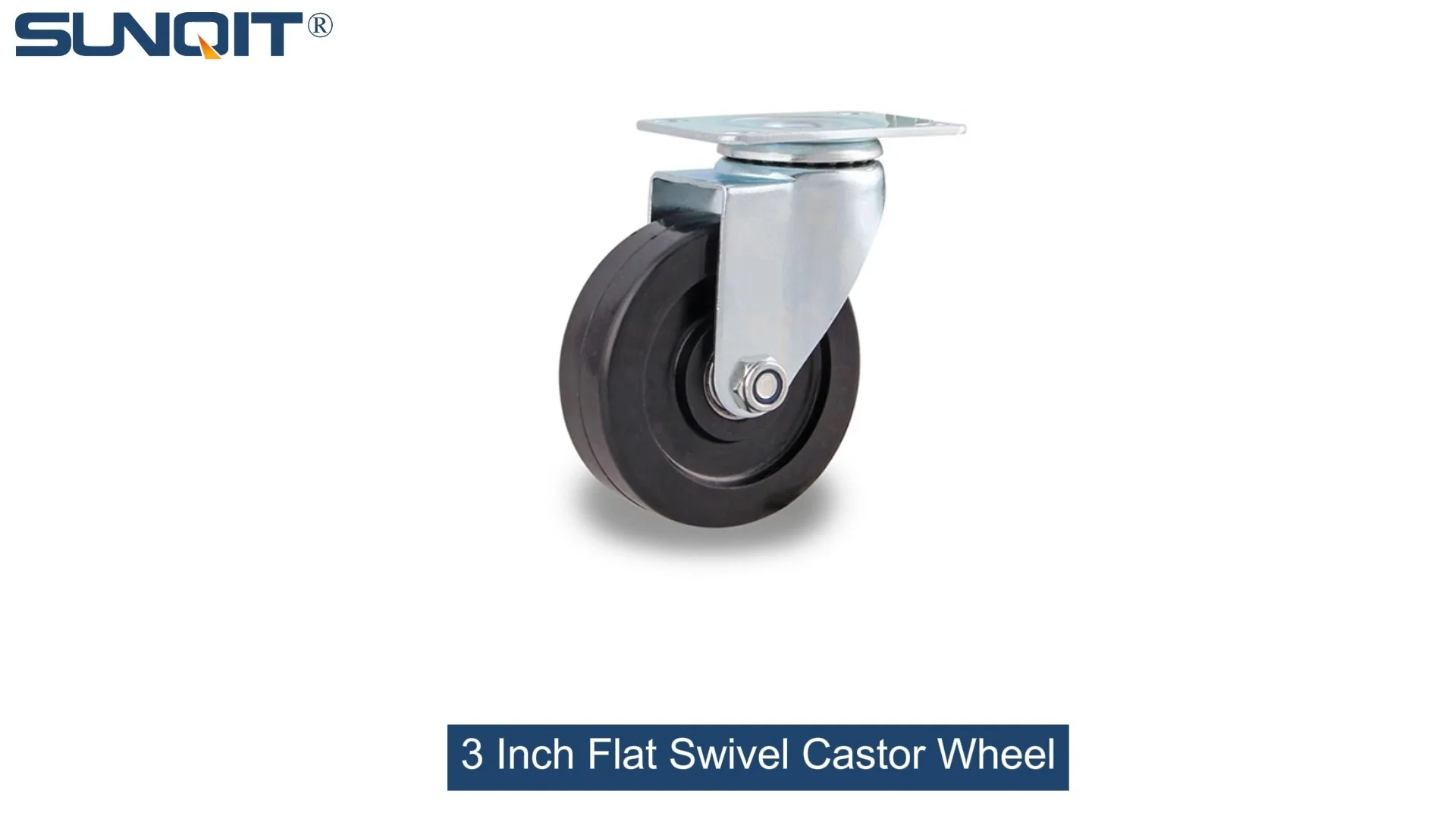
Flat Swivel Castor Wheel
Chair Casters Ball Bearing Wheels Rubber Base. Resistant to abrasion, impact and corrosion. Heavy payload can hold 70-90Kgs per pcs,which can make it works at a stable and smooth status.
The quiet workhorses that transform how you move, build, and operate
The Morning Rush That Changed Everything
Picture this: It's 7:30 AM at a mid-sized electronics warehouse. Maria, the floor supervisor, is already juggling three priorities. The overnight shipment just arrived, and the packing station needs to be rearranged for a new product line by 9 AM. Two workers are struggling to wheel a heavy workbench across the floor—its old castors squeaking like a chorus of chalkboards, catching on every tiny crack in the concrete. Meanwhile, a turnover trolley loaded with circuit boards is stuck halfway to the assembly line, its wheels refusing to swivel around a corner. By 8:15, Maria's already behind schedule, and the frustration is palpable.
Sound familiar? Whether you run a factory, manage a workshop, or even stock shelves in a retail backroom, the ability to move equipment smoothly isn't just a convenience—it's the backbone of efficiency. And all too often, the culprit behind delays, strained muscles, and frayed nerves is something small but mighty: the castor wheels under your workbenches, trolleys, and racks. But what if there was a solution that turned those morning struggles into a thing of the past? Enter flat swivel castor wheels with double ball bearings—the unsung heroes of workplace mobility.
What Are Flat Swivel Castor Wheels, Anyway?
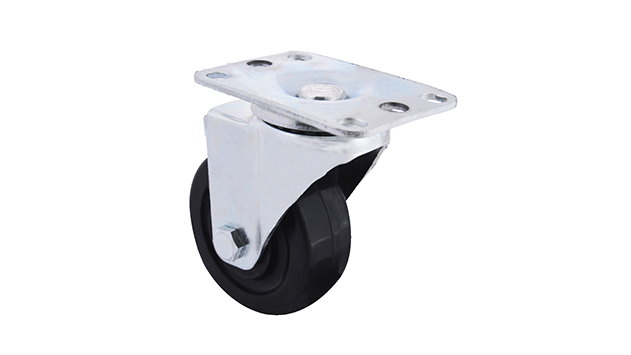
Before we dive into the magic of double ball bearings, let's get clear on the basics. Flat swivel castor wheels are a type of wheeled caster designed to mount directly to the bottom of equipment via a flat plate (hence "flat"). Unlike rigid castors that only roll forward and backward, "swivel" means they can rotate 360 degrees, letting you maneuver tight corners, pivot in place, and glide around obstacles with ease. They're the reason you can spin a shopping cart with one hand or reposition a tool chest without breaking a sweat.
But not all swivel castors are created equal. The difference between a castor that feels like pushing a boulder and one that glides like butter often comes down to one key component: the bearings. And when it comes to smooth rotation, double ball bearings are in a league of their own.
Double Ball Bearings: The Secret to Effortless Movement
Let's break it down simply: Bearings are the tiny components that reduce friction between moving parts, allowing wheels (and swivel plates) to spin freely. Single ball bearings work, but they have limits—fewer contact points, more pressure on individual balls, and a tendency to wear down faster under heavy loads. Double ball bearings, though? They're like adding a second set of "rollers" to the mix, distributing weight more evenly and cutting friction in half.
Imagine two rows of tiny steel balls nested inside the castor's swivel head and wheel hub, each rolling independently but working together. When you push a cart or adjust a workbench, these balls spread the weight of the load across a larger surface area, so no single point takes the brunt of the pressure. The result? Rotation so smooth, you could spin a loaded trolley with your pinky (though we don't recommend testing that—safety first!).
But don't just take our word for it. Let's compare: A standard single-bearing castor might require 25 pounds of force to start moving a 500-pound load. A flat swivel castor with double ball bearings? It could cut that force to 12 pounds or less. That's the difference between straining your back and barely breaking a sweat.

Why Smooth Rotation Matters (More Than You Think)
"Smooth rotation" sounds nice, but what does it actually mean for your day-to-day? Let's count the ways:
- Efficiency that adds up: If your team spends 10 minutes a day wrestling with stuck castors, that's over 40 hours a year—nearly a full workweek—wasted. Smooth-rolling castors turn those 10 minutes into 2, freeing up time for tasks that actually move the needle.
- Safety first: Jerky, hard-to-move equipment is a recipe for accidents. A sudden jolt when a castor finally "gives" can send tools flying or strain muscles. Smooth rotation means predictable movement, lowering the risk of slips, trips, and strains.
- Product protection: Delicate items—like the circuit boards on Maria's turnover trolley —can't handle rough rides. A castor that catches or skips might jostle components, leading to defects or wasted materials. With double ball bearings, the ride is so steady, you could balance a cup of coffee on that trolley (again, maybe don't test this with actual coffee…).
- Morale boost: It's the little things. When your team isn't fighting equipment, they're happier, more focused, and less likely to burn out. As one workshop manager put it: "We didn't realize how much we hated our old castors until we switched. Now, no one complains about moving the workbench anymore—it's just… easy."

5 Key Benefits of Flat Swivel Castors with Double Ball Bearings
Now that we've covered the "why," let's dive into the "what." Here's how these castors stand out from the crowd:
1. Unmatched Rotational Smoothness (The Star of the Show)
Double ball bearings eliminate the "stiction" (static friction) that makes standard castors feel "stuck" when you first push them. Whether you're swiveling a workbench to face a new project or spinning a trolley to load from all sides, the movement is fluid—no jerks, no squeaks, no sudden stops. It's like upgrading from a rusty hinge to a well-oiled door.
2. Durability That Outlasts the Workday
Double ball bearings aren't just about smoothness—they're about longevity. By distributing weight evenly, they reduce wear on both the bearings and the wheel itself. Many models are rated for 50,000+ rotations under full load, meaning they'll outlive multiple projects, product lines, and even team members. And when paired with high-quality materials like polyurethane wheels (which resist wear, chemicals, and floor damage), they become nearly indestructible.
3. Load Handling That Doesn't Back Down
These castors mean business when it comes to weight. A typical 4-inch flat swivel castor with double ball bearings can handle 300–500 pounds per wheel. That means a four-caster setup (like on a workbench ) could easily support 1,200–2,000 pounds—enough for heavy tools, stockpiles of materials, or even a small assembly line. And because the load is spread across two sets of bearings, there's less risk of failure under stress.
4. Quiet Operation (Goodbye, Squeaky Wheels)
Ever walked into a workshop and immediately known where the action was—just by the sound of squeaking castors? Those days are over. Double ball bearings reduce friction, which means less noise. Combine that with rubber or polyurethane wheels (which dampen sound better than metal), and you've got castors that operate so quietly, you might forget they're there. For settings like hospitals, labs, or offices, this isn't just a luxury—it's a necessity.
5. Versatility for Every Space
Whether your floor is concrete, tile, wood, or carpet, there's a flat swivel castor with double ball bearings to match. Need something for wet environments? Stainless steel options resist rust. Working with sensitive electronics? ESD (electrostatic discharge) wheels prevent static buildup. And with a range of sizes (from 2 inches for lightweight carts to 8 inches for heavy machinery), they fit everything from small tool trolleys to industrial turnover racks .
How Do They Stack Up? A Quick Comparison
| Feature | Standard Single-Bearing Castors | Flat Swivel with Double Ball Bearings | Real-World Impact |
|---|---|---|---|
| Starting Force (500lb load) | 25–30 lbs of force | 10–15 lbs of force | Halves the effort to move heavy equipment |
| Swivel Range | Stiff; may "lock" at odd angles | 360° fluid rotation | Easily navigate tight corners or narrow aisles |
| Noise Level | Moderate to high (squeaking, grinding) | Low to very low (hum or silent) | Reduces workplace noise pollution by 60%+ |
| Expected Lifespan | 1–2 years (with heavy use) | 5–7 years (with heavy use) | Fewer replacements, lower long-term costs |
| Best For | Light, infrequent use (e.g., storage racks) | Daily, heavy use (e.g., workbenches , turnover trolleys ) | Ideal for high-traffic, high-stakes environments |
Beyond the Basics: When to Invest in Quality Caster Accessories
Even the best castors perform better with a little support. Caster accessories might not get the same attention as the wheels themselves, but they're the unsung heroes of longevity and customization. Here are a few worth considering:
- Brake kits: Keep your workbench or trolley steady when in use. Look for foot brakes that engage smoothly—no stomping required.
- Wheel guards: Protect wheels from debris (like metal shavings or loose screws) that could jam bearings. A small investment to avoid big repair headaches.
- Lubrication kits: Even double ball bearings need occasional TLC. A good lubricant (specifically for bearings) keeps rotation smooth for years.
- Mounting plates: Ensure a secure fit between castor and equipment. Cheap plates can bend or crack under load, negating the benefits of quality wheels.
Think of it like buying a high-performance car—you wouldn't skimp on oil changes, right? The same logic applies here. Pairing your double ball bearing castors with the right accessories ensures they deliver on their promise for years to come.
From Workbench to Warehouse: Real-World Applications
Still wondering if these castors are right for you? Let's look at how they shine in three common settings:
1. The Workshop: Where Flexibility Rules
Workshops thrive on adaptability. One day, you're assembling furniture; the next, you're refinishing cabinets. A workbench with flat swivel castors lets you reconfigure the space in minutes. Need to move it closer to the power tools? No problem. Want to team up with a colleague and push two workbenches together? Smooth rotation makes it a one-person job. And with double ball bearings, even a workbench loaded with clamps, drills, and lumber glides like it's on ice.
2. The Warehouse: Speed Meets Precision
In warehouses, time is money. Turnover trolleys and racks need to zip from receiving to shipping without hesitation. Double ball bearing castors cut down on "dead time" spent maneuvering, letting workers move more goods in less time. And because they handle heavy loads so well, you can stack higher (safely!) without worrying about wheels buckling—maximizing storage space, too.
3. The Healthcare Clinic: Where Quiet and Care Collide
Hospitals and clinics can't afford noise or jostling. Medical carts loaded with supplies, medication, or lab samples need to move smoothly, even in tight corridors. Flat swivel castors with double ball bearings ensure quiet, steady transport—so nurses can focus on patients, not pushing carts. Plus, stainless steel options stand up to frequent cleaning with harsh disinfectants, keeping environments sterile.
Maintenance 101: Keeping the Smoothness Alive
Double ball bearing castors are built to last, but they're not maintenance-free. A little care goes a long way:
- Clean regularly: Wipe wheels and bearings with a damp cloth to remove dust, dirt, or debris. For workshops, a quick blast with compressed air can dislodge metal shavings.
- Lubricate annually: Use a bearing-specific lubricant (avoid WD-40—it's a cleaner, not a long-term lubricant) to keep rotation smooth. Follow the manufacturer's guidelines—over-lubricating can attract dirt.
- Check for wear: Inspect wheels for cracks, bearings for looseness, and mounting plates for signs of stress. Catching issues early prevents breakdowns.
- replace when needed: Even the best castors wear out eventually. If rotation starts to feel stiff or you hear new noises, it might be time for new wheels or bearings. Don't wait for a failure—proactive replacement is cheaper than downtime.
Why Settle for "Good Enough"?
It's tempting to grab the cheapest castors off the shelf. After all, they're "just wheels," right? But as Maria learned that chaotic morning, "just wheels" can make or break your operation. Investing in flat swivel castor wheels with double ball bearings isn't about splurging—it's about investing in efficiency, safety, and peace of mind.
Think of it this way: If a set of four high-quality castors costs $100 more than budget options but saves you 10 hours a month in productivity (at $20/hour), you'll recoup that cost in just two months. After that, it's pure profit—plus happier workers, fewer headaches, and a workspace that actually works with you.
The Verdict: Smooth Rotation = Smarter Work
Flat swivel castor wheels with double ball bearings aren't the flashiest tools in your arsenal, but they might be the most impactful. They turn frustrating, time-consuming tasks into quick, easy ones. They protect your team, your products, and your bottom line. And they do it all quietly, reliably, and without fanfare—just like the best members of your team.
So, the next time you're struggling with a stuck workbench or a turnover trolley that refuses to cooperate, remember: There's a better way. Smooth rotation isn't a luxury. It's the foundation of a workspace that works for you—not against you.
Your future self (and Maria) will thank you.