- Company Articles
- Products and Technology
- Product knowledge
- Flat Swivel Castor Wheels with Non-Marking Treads: Protecting Finished Floors

Flat Swivel Castor Wheels with Non-Marking Treads: Protecting Finished Floors
Related Product
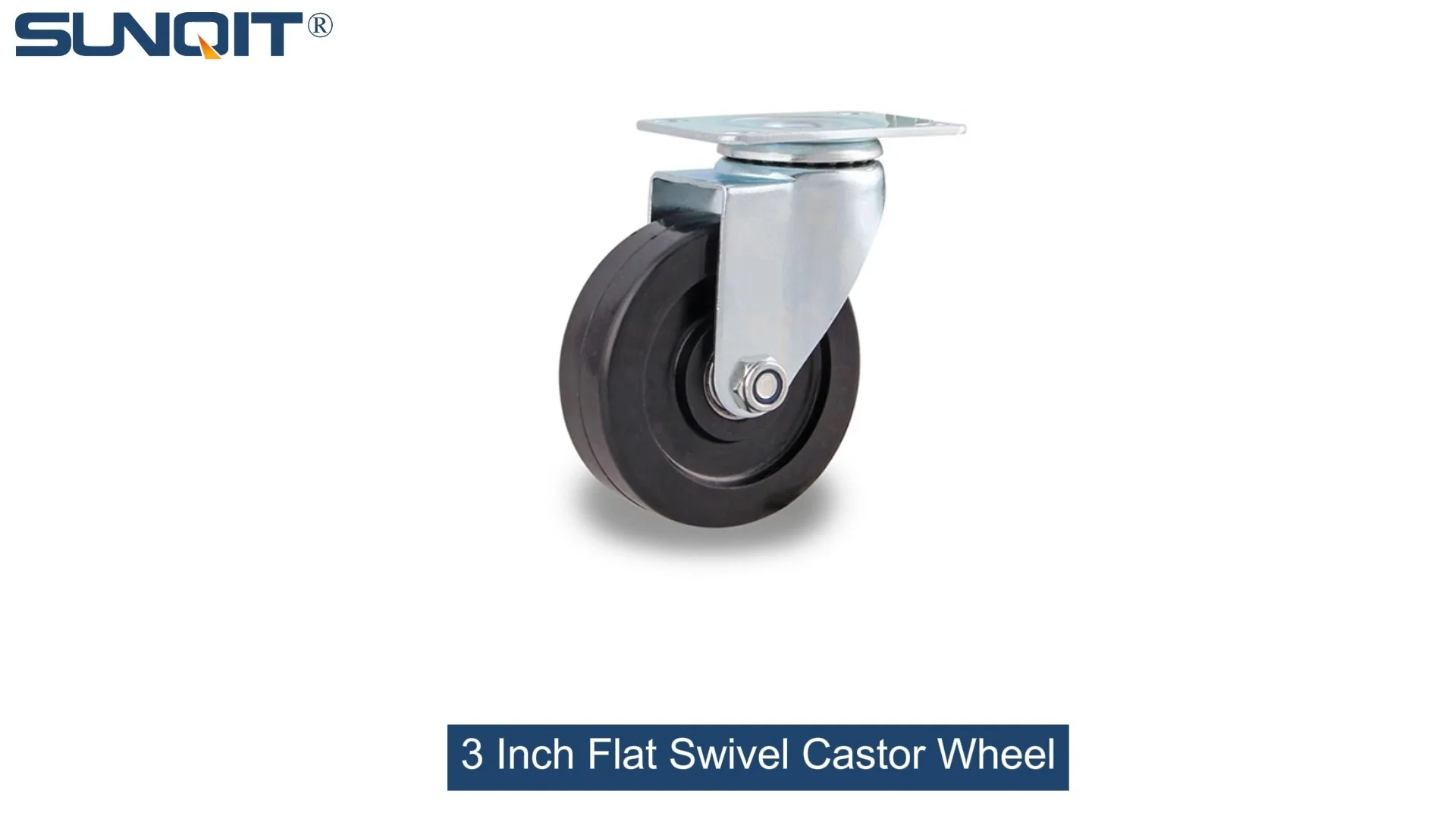
Flat Swivel Castor Wheel
Chair Casters Ball Bearing Wheels Rubber Base. Resistant to abrasion, impact and corrosion. Heavy payload can hold 70-90Kgs per pcs,which can make it works at a stable and smooth status.
Walk into any busy workshop, warehouse, or retail space, and you'll probably notice something that rarely gets the attention it deserves: the floors. Polished concrete, vinyl, hardwood, or epoxy-finished—these surfaces do more than just look good. They're a silent workhorse, supporting heavy equipment, constant foot traffic, and the daily grind of operations. But here's the problem: all that activity takes a toll. Scratches from metal casters, black scuff marks from rubber wheels, and dents from poorly designed equipment can turn a pristine floor into a patchwork of damage in months. And while it might seem like just a cosmetic issue, damaged floors cost businesses far more than just repair bills. They create safety hazards (think trip risks from uneven surfaces), hurt employee morale (who wants to work in a space that feels neglected?), and even leave a bad impression on clients or customers. So, what if there was a simple, affordable way to protect those floors without slowing down productivity? Enter flat swivel castor wheels with non-marking treads—a small but mighty solution that's quietly revolutionizing how businesses care for their most underrated asset.
What Are Flat Swivel Castor Wheels, Anyway?
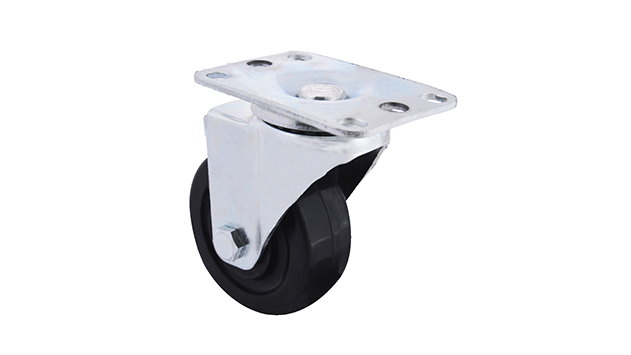
Let's start with the basics. Castor wheels—those small, wheeled devices attached to the bottom of carts, workbenches, and equipment—come in all shapes and sizes. But "flat swivel" castors are a specific breed. The "swivel" part means they can rotate 360 degrees, making it easy to maneuver heavy objects without lifting or straining. The "flat" part? That usually refers to their low-profile design, which keeps the equipment closer to the ground for stability. Unlike bulky, high-rise castors that can make a workbench feel wobbly, flat swivel castors sit snug, so you can push, pull, or pivot with confidence, even when the workbench is loaded with tools or materials.
Now, you might be thinking, "Aren't all castors pretty much the same?" Not even close. Standard castors often have hard plastic or metal wheels that scrape floors raw. Others use rubber treads that leave behind those frustrating black marks (ever tried scrubbing those off a vinyl floor? Spoiler: it's not fun). Flat swivel castors, though, are designed with a focus on balance—mobility, stability, and yes, floor protection. They're the unsung heroes of workshops where precision and care matter, from small garages to large manufacturing plants. And when paired with non-marking treads? They become a game-changer.
Now, you might be thinking, "Aren't all castors pretty much the same?" Not even close. Standard castors often have hard plastic or metal wheels that scrape floors raw. Others use rubber treads that leave behind those frustrating black marks (ever tried scrubbing those off a vinyl floor? Spoiler: it's not fun). Flat swivel castors, though, are designed with a focus on balance—mobility, stability, and yes, floor protection. They're the unsung heroes of workshops where precision and care matter, from small garages to large manufacturing plants. And when paired with non-marking treads? They become a game-changer.
Non-Marking Treads: The Secret to Spotless Floors
Let's talk about the star of the show: non-marking treads. What makes them different from the treads on your average caster wheel? It all comes down to materials and design. Most non-marking treads are made from high-quality polyurethane or synthetic rubber, formulated to grip floors without leaving a trace. Unlike traditional rubber, which can shed tiny particles that stick to floors (hello, black scuffs), these materials are engineered to be "clean"—they don't transfer color or debris, even when under heavy loads.
Think of it like the difference between wearing muddy boots and clean sneakers on a white carpet. One leaves a mess; the other glides by without a trace. But non-marking treads aren't just about avoiding marks—they're also gentler on delicate surfaces. Polished concrete, hardwood, and luxury vinyl tile (LVT) are all prone to scratches from hard wheels, but polyurethane treads act like a buffer. They absorb shock, reduce friction, and distribute weight evenly, so even when you're rolling a loaded workbench across the floor, you won't hear that (screeching) sound of metal on concrete. That's a win for both floors and anyone within earshot!
Think of it like the difference between wearing muddy boots and clean sneakers on a white carpet. One leaves a mess; the other glides by without a trace. But non-marking treads aren't just about avoiding marks—they're also gentler on delicate surfaces. Polished concrete, hardwood, and luxury vinyl tile (LVT) are all prone to scratches from hard wheels, but polyurethane treads act like a buffer. They absorb shock, reduce friction, and distribute weight evenly, so even when you're rolling a loaded workbench across the floor, you won't hear that (screeching) sound of metal on concrete. That's a win for both floors and anyone within earshot!
Beyond Floor Protection: The Unexpected Benefits of Flat Swivel Castors
Sure, protecting floors is the main selling point, but flat swivel castor wheels with non-marking treads bring more to the table than just scratch-free surfaces. Let's break down why they're worth the investment:
Maneuverability That Saves Time : Ever tried pushing a heavy cart with stiff, fixed wheels? It's like trying to steer a shopping cart with a broken caster—frustrating and slow. Flat swivel castors, with their 360-degree rotation, make even the heaviest equipment feel lightweight. Need to pivot a workbench to reach a tool on the other side? No problem. Want to roll a materials trolley through a tight doorway? Easy. This agility doesn't just make tasks easier; it speeds up workflow. Employees spend less time wrestling with equipment and more time getting work done.
Stability You Can Trust : "Swivel" might sound like it would make things wobbly, but flat swivel castors are designed for stability. Their low-profile build keeps the center of gravity low, so even when loaded with tools, parts, or products, the equipment stays steady. And many models, like the flat swivel castor wheel with brake, come with a locking mechanism. Step on the brake, and the wheel locks in place—no more unwanted rolling when you're working on a project or loading/unloading. That peace of mind is priceless, especially in busy environments where safety can't be compromised.
Durability That Lasts : Let's face it—workshops and warehouses are tough on equipment. Castors take a beating from oil spills, heavy loads, and constant use. But non-marking treads (especially polyurethane ones) are built to withstand the chaos. They're resistant to oils, chemicals, and UV rays, so they won't crack, degrade, or lose their grip over time. And the metal components? Look for models with rust-resistant coatings or stainless steel parts, and they'll hold up even in humid or damp environments. In short: these castors won't need replacing every few months, saving you money in the long run.
Maneuverability That Saves Time : Ever tried pushing a heavy cart with stiff, fixed wheels? It's like trying to steer a shopping cart with a broken caster—frustrating and slow. Flat swivel castors, with their 360-degree rotation, make even the heaviest equipment feel lightweight. Need to pivot a workbench to reach a tool on the other side? No problem. Want to roll a materials trolley through a tight doorway? Easy. This agility doesn't just make tasks easier; it speeds up workflow. Employees spend less time wrestling with equipment and more time getting work done.
Stability You Can Trust : "Swivel" might sound like it would make things wobbly, but flat swivel castors are designed for stability. Their low-profile build keeps the center of gravity low, so even when loaded with tools, parts, or products, the equipment stays steady. And many models, like the flat swivel castor wheel with brake, come with a locking mechanism. Step on the brake, and the wheel locks in place—no more unwanted rolling when you're working on a project or loading/unloading. That peace of mind is priceless, especially in busy environments where safety can't be compromised.
Durability That Lasts : Let's face it—workshops and warehouses are tough on equipment. Castors take a beating from oil spills, heavy loads, and constant use. But non-marking treads (especially polyurethane ones) are built to withstand the chaos. They're resistant to oils, chemicals, and UV rays, so they won't crack, degrade, or lose their grip over time. And the metal components? Look for models with rust-resistant coatings or stainless steel parts, and they'll hold up even in humid or damp environments. In short: these castors won't need replacing every few months, saving you money in the long run.

Where Do These Castors Shine? Real-World Applications
You might be wondering, "Are these castors only for big factories?" Not at all. Their versatility makes them useful in just about any space where equipment moves and floors matter. Let's take a look at some common (and not-so-common) places where flat swivel castor wheels with non-marking treads are making a difference:
Workbenches: The Heart of the Workshop : A workbench is where the magic happens—whether you're assembling electronics, repairing machinery, or crafting custom parts. But a fixed workbench ties you to one spot, limiting flexibility. Adding flat swivel castors turns it into a mobile workstation. Need to move it closer to a power source? Roll it over. Want to collaborate with a teammate on the other side of the shop? No problem. And with non-marking treads, you won't have to worry about scuffing the floor every time you reposition it. Even better, models with brakes let you lock the workbench in place when precision is key—no more sliding mid-project.
Material Handling Trolleys : From warehouses to retail stockrooms, trolleys are the backbone of moving goods. But standard trolleys with hard rubber or plastic wheels can leave trails of marks on polished floors. Swap those out for non-marking castors, and suddenly, you're moving boxes, tools, or inventory without leaving a trace. Grocery stores, for example, use these castors on their restocking carts to keep those shiny vinyl floors looking new. Art galleries? They use them on display trolleys to protect expensive hardwood floors while rearranging exhibits.
Medical and Lab Equipment : In hospitals, clinics, and labs, cleanliness is non-negotiable. Floors are often made of seamless vinyl or epoxy to prevent bacteria buildup, and any scuff or scratch can trap germs. Flat swivel castors with non-marking treads are a must here—they keep equipment like mobile carts, instrument tables, and even small MRI machines moving smoothly without damaging sterile surfaces. Plus, their chemical resistance means they can handle spills from disinfectants or cleaning agents without degrading.
Workbenches: The Heart of the Workshop : A workbench is where the magic happens—whether you're assembling electronics, repairing machinery, or crafting custom parts. But a fixed workbench ties you to one spot, limiting flexibility. Adding flat swivel castors turns it into a mobile workstation. Need to move it closer to a power source? Roll it over. Want to collaborate with a teammate on the other side of the shop? No problem. And with non-marking treads, you won't have to worry about scuffing the floor every time you reposition it. Even better, models with brakes let you lock the workbench in place when precision is key—no more sliding mid-project.
Material Handling Trolleys : From warehouses to retail stockrooms, trolleys are the backbone of moving goods. But standard trolleys with hard rubber or plastic wheels can leave trails of marks on polished floors. Swap those out for non-marking castors, and suddenly, you're moving boxes, tools, or inventory without leaving a trace. Grocery stores, for example, use these castors on their restocking carts to keep those shiny vinyl floors looking new. Art galleries? They use them on display trolleys to protect expensive hardwood floors while rearranging exhibits.
Medical and Lab Equipment : In hospitals, clinics, and labs, cleanliness is non-negotiable. Floors are often made of seamless vinyl or epoxy to prevent bacteria buildup, and any scuff or scratch can trap germs. Flat swivel castors with non-marking treads are a must here—they keep equipment like mobile carts, instrument tables, and even small MRI machines moving smoothly without damaging sterile surfaces. Plus, their chemical resistance means they can handle spills from disinfectants or cleaning agents without degrading.

Choosing the Right Castor: What to Look For
Not all flat swivel castor wheels are created equal. To get the most out of your investment, you'll need to pick the right one for your needs. Here's what to consider:
Floor Type Matters : Different floors need different treads. For soft floors (like hardwood or luxury vinyl), you'll want a softer, more flexible tread (think polyurethane) that won't indent or scratch. For hard floors (polished concrete, tile), a firmer tread with good grip works best. Always check the manufacturer's recommendations—some treads are specifically designed for certain floor types.
Load Capacity: Don't Skimp : Every castor has a maximum load capacity. This isn't just the weight of the equipment—it includes everything you'll put on it (tools, materials, products). Underestimating the load is a recipe for disaster: wheels can crack, swivel joints can seize, and yes, floors can still get damaged. If you're unsure, go for a higher capacity than you think you need. It's better to have extra strength than to risk a breakdown.
Brake or No Brake? : If the equipment stays in one place most of the time but needs occasional moving (like a workbench), a flat swivel castor wheel with brake is a must. Brakes lock the wheel in place, preventing accidental movement. Look for brakes that are easy to engage with a foot pedal—no bending over required. For equipment that's always on the move (like a delivery trolley), brakes might not be necessary, but they're still a good safety feature for when you need to stop and load/unload.
Environmental Factors : Will the castors be exposed to moisture (like in a kitchen or car wash)? Look for rust-resistant materials. Oil or chemical spills? Choose treads that are oil-resistant (polyurethane is a good bet). Extreme temperatures? Some treads harden in the cold or melt in the heat, so check the temperature range.
Floor Type Matters : Different floors need different treads. For soft floors (like hardwood or luxury vinyl), you'll want a softer, more flexible tread (think polyurethane) that won't indent or scratch. For hard floors (polished concrete, tile), a firmer tread with good grip works best. Always check the manufacturer's recommendations—some treads are specifically designed for certain floor types.
Load Capacity: Don't Skimp : Every castor has a maximum load capacity. This isn't just the weight of the equipment—it includes everything you'll put on it (tools, materials, products). Underestimating the load is a recipe for disaster: wheels can crack, swivel joints can seize, and yes, floors can still get damaged. If you're unsure, go for a higher capacity than you think you need. It's better to have extra strength than to risk a breakdown.
Brake or No Brake? : If the equipment stays in one place most of the time but needs occasional moving (like a workbench), a flat swivel castor wheel with brake is a must. Brakes lock the wheel in place, preventing accidental movement. Look for brakes that are easy to engage with a foot pedal—no bending over required. For equipment that's always on the move (like a delivery trolley), brakes might not be necessary, but they're still a good safety feature for when you need to stop and load/unload.
Environmental Factors : Will the castors be exposed to moisture (like in a kitchen or car wash)? Look for rust-resistant materials. Oil or chemical spills? Choose treads that are oil-resistant (polyurethane is a good bet). Extreme temperatures? Some treads harden in the cold or melt in the heat, so check the temperature range.
| Castor Type | Tread Material | Load Capacity (lbs) | Floor Protection | Best For |
|---|---|---|---|---|
| Flat Swivel (Non-Marking) | Polyurethane | 300–800 | Excellent (no marks, scratch-resistant) | Workbenches, medical carts, retail trolleys |
| Standard Swivel | Natural Rubber | 200–600 | Poor (leaves black marks on soft floors) | Garages, rough concrete floors |
| Heavy-Duty Flat Swivel with Brake | Urethane-Encased Iron | 800–1,500 | Good (firm but non-marking) | Industrial workbenches, large material trolleys |
| Rigid (Non-Swivel) | Hard Plastic | 500–1,000 | Poor (high risk of scratches) | Fixed equipment, rough terrain |
Maintenance: Keeping Your Castors (and Floors) Happy
Even the best castors need a little TLC to keep performing. Here's how to make sure yours last:
Clean the Treads Regularly : Dirt, debris, and small rocks can get stuck in the treads, turning them into tiny abrasives that scratch floors. A quick wipe with a damp cloth or a soft brush every week will keep them clean. For sticky residues (like oil or tape), use a mild soap and water—avoid harsh chemicals that can break down the tread material.
Lubricate the Swivel Joints : Over time, dust and grime can make swivel joints stiff, making the castor harder to maneuver. A drop of lubricating oil (like 3-in-1 oil) every few months will keep them spinning smoothly. Just be careful not to over-lubricate—excess oil can attract more dirt.
Check Brakes (If You Have Them) : If you're using a flat swivel castor wheel with brake, test the brakes regularly to make sure they engage properly. Dust and debris can get stuck in the brake mechanism, preventing it from locking. Clean the brake pad with a dry cloth and adjust the tension if needed (most brakes have a small screw to tighten or loosen).
replace Worn Parts : Keep an eye out for signs of wear: cracks in the tread, loose swivel joints, or wheels that wobble. Replacing a worn castor is cheaper than repairing a damaged floor or replacing the entire piece of equipment. Many manufacturers sell replacement caster accessories, so you might not even need to buy a whole new castor—just swap out the wheel or joint.
Clean the Treads Regularly : Dirt, debris, and small rocks can get stuck in the treads, turning them into tiny abrasives that scratch floors. A quick wipe with a damp cloth or a soft brush every week will keep them clean. For sticky residues (like oil or tape), use a mild soap and water—avoid harsh chemicals that can break down the tread material.
Lubricate the Swivel Joints : Over time, dust and grime can make swivel joints stiff, making the castor harder to maneuver. A drop of lubricating oil (like 3-in-1 oil) every few months will keep them spinning smoothly. Just be careful not to over-lubricate—excess oil can attract more dirt.
Check Brakes (If You Have Them) : If you're using a flat swivel castor wheel with brake, test the brakes regularly to make sure they engage properly. Dust and debris can get stuck in the brake mechanism, preventing it from locking. Clean the brake pad with a dry cloth and adjust the tension if needed (most brakes have a small screw to tighten or loosen).
replace Worn Parts : Keep an eye out for signs of wear: cracks in the tread, loose swivel joints, or wheels that wobble. Replacing a worn castor is cheaper than repairing a damaged floor or replacing the entire piece of equipment. Many manufacturers sell replacement caster accessories, so you might not even need to buy a whole new castor—just swap out the wheel or joint.
A Success Story: How One Workshop Cut Costs with Better Castors
Let's wrap this up with a real-world example. A small manufacturing workshop in Ohio specialized in custom metal parts. They had a beautiful polished concrete floor installed when they moved into their new space, but within six months, it was covered in scratches and black marks from their old workbenches and trolleys, which used standard rubber castors. The owner, frustrated with spending $500+ a month on floor repairs, decided to try flat swivel castor wheels with non-marking polyurethane treads.
The results? Within three months, floor repair costs dropped to $0. Employees reported that moving workbenches was easier (no more straining to push), and the workshop looked cleaner, which boosted morale. Even better, when clients visited, they commented on how "professional" the space looked—something that led to two new contracts. All from a simple switch to better castors.
This story isn't unique. Businesses across industries are discovering that protecting their floors isn't just about aesthetics—it's about saving money, improving safety, and creating a better work environment. And flat swivel castor wheels with non-marking treads are leading the charge.
The results? Within three months, floor repair costs dropped to $0. Employees reported that moving workbenches was easier (no more straining to push), and the workshop looked cleaner, which boosted morale. Even better, when clients visited, they commented on how "professional" the space looked—something that led to two new contracts. All from a simple switch to better castors.
This story isn't unique. Businesses across industries are discovering that protecting their floors isn't just about aesthetics—it's about saving money, improving safety, and creating a better work environment. And flat swivel castor wheels with non-marking treads are leading the charge.
Final Thoughts: Small Change, Big Impact
Floors might not be the first thing you think about when you walk into a workplace, but they're the foundation of your operations. Damaged floors cost time, money, and peace of mind. Flat swivel castor wheels with non-marking treads offer a simple, affordable solution that protects those floors while making daily tasks easier and more efficient. Whether you're outfitting a workbench, a trolley, or medical equipment, these castors prove that sometimes, the smallest changes can have the biggest impact. So, the next time you're shopping for equipment, don't overlook the wheels. Your floors (and your bottom line) will thank you.