- Company Articles
- Products and Technology
- Product knowledge
- Flat Swivel Castor Wheels with Precision Bearings: Reducing Friction in Assembly

Flat Swivel Castor Wheels with Precision Bearings: Reducing Friction in Assembly
Related Product
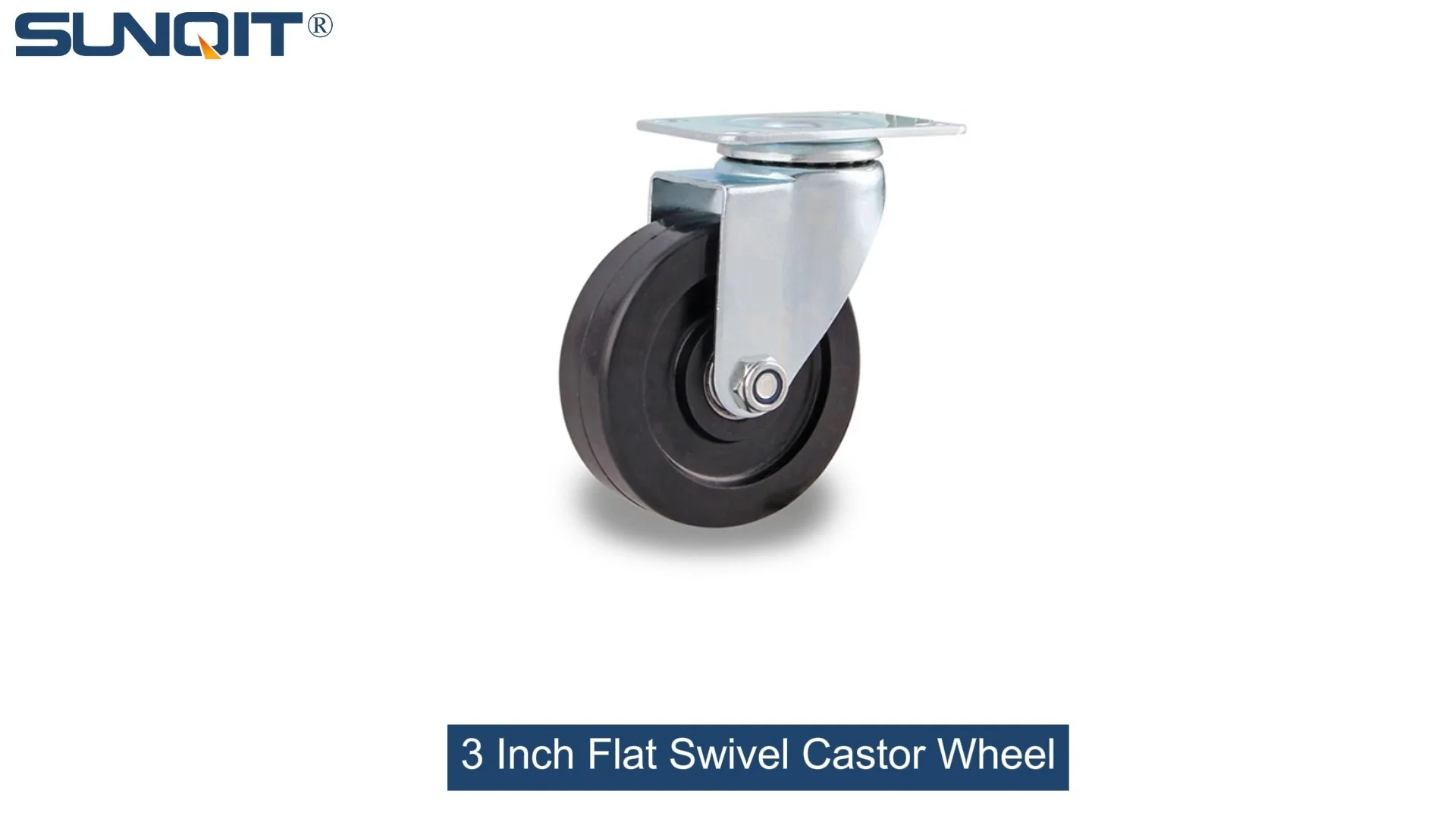
Flat Swivel Castor Wheel
Chair Casters Ball Bearing Wheels Rubber Base. Resistant to abrasion, impact and corrosion. Heavy payload can hold 70-90Kgs per pcs,which can make it works at a stable and smooth status.
Walk into any busy assembly line, and you'll notice a silent but critical player in the rhythm of productivity: movement. Parts need to glide from station to station, tools must shift effortlessly across workbenches, and heavy loads should maneuver tight corners without slowing down the team. Yet for too many facilities, this movement is hindered by a common culprit: friction. Sticky wheels, wobbly trolleys, and cumbersome equipment don't just waste time—they drain energy, increase fatigue, and even risk workplace injuries. That's where flat swivel castor wheels with precision bearings step in. More than just "wheels on a plate," these unassuming components are the unsung heroes of lean systems, turning frustrating, labor-intensive tasks into smooth, almost effortless workflows. Let's dive into how they work, why they matter, and the difference they can make in your assembly process.
What Are Flat Swivel Castor Wheels, Anyway?
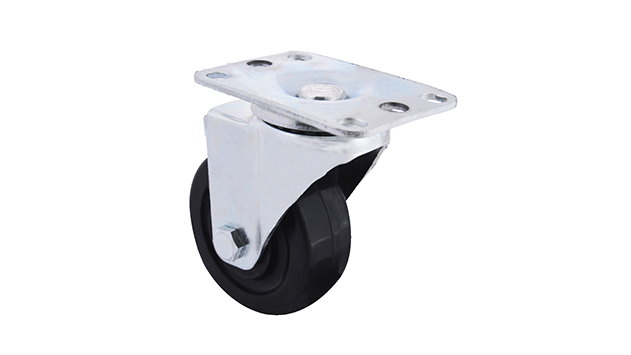
At first glance, a flat swivel castor wheel might look like any other wheeled component, but its design is engineered for a specific purpose: to combine stability with unmatched maneuverability. Let's break it down. The "flat" part refers to the mounting plate—a broad, flat metal (often steel or aluminum) base that attaches directly to the bottom of equipment, like a workbench or turnover trolley. This plate distributes weight evenly, preventing the caster from sinking or tilting under heavy loads. Then there's the "swivel" mechanism: a rotating joint that allows the wheel to turn 360 degrees, so you can pivot, twist, and navigate tight spaces without having to lift or reposition the entire load.
But the real magic? The precision bearings nested inside the wheel hub. Unlike basic casters that use loose or low-quality bearings (or none at all), these castors rely on bearings engineered to minimize friction. Think of them as tiny, perfectly aligned balls or rollers that reduce the contact area between moving parts, letting the wheel spin with minimal resistance. It's the difference between pushing a cart with rusted axles and one with oiled ball bearings—night and day.
Materials matter too. The wheels themselves are often made from polyurethane, rubber, or hardened plastic, each suited to different environments. Polyurethane, for example, offers a balance of durability and floor protection, making it ideal for smooth concrete or warehouse floors. Rubber wheels absorb shocks, which is great for delicate equipment or uneven surfaces. And for heavy-duty applications, steel wheels with precision bearings can handle thousands of pounds without breaking a sweat.
The Precision Bearing: Why It's Non-Negotiable
Let's talk about the heart of these castors: the precision bearings. You might be thinking, "Bearings are bearings, right?" Not quite. A standard bearing might get the job done, but a precision bearing is manufactured to exact tolerances—measured in thousandths of an inch—to ensure every component fits together seamlessly. This precision eliminates "play" (the wobble or looseness in the wheel), which is a major source of friction and noise. When a bearing is precise, the wheel rotates around its axle with near-perfect alignment, so there's no wasted energy fighting against misalignment.
Take, for example, a turnover trolley and rack loaded with 500 pounds of automotive parts. With a basic caster, you might need two people to push it across the shop floor, straining muscles and slowing down the process. Swap those out for flat swivel castors with precision ball bearings, and suddenly one person can guide it with a single hand—even around corners. That's the power of reduced friction: it transforms physical effort into mechanical efficiency.
Precision bearings also extend the life of the caster. Because there's less friction, there's less wear and tear on the wheel, axle, and mounting plate. Over time, this means fewer replacements, lower maintenance costs, and less downtime. For facilities running 24/7 operations, that reliability isn't just convenient—it's essential for meeting production deadlines.
How They Fit Into Lean Systems: More Than Just "Wheels"
If you're familiar with lean manufacturing, you know the goal is to eliminate waste—whether it's time, materials, or unnecessary movement. Flat swivel castor wheels with precision bearings align perfectly with this philosophy. Let's break down the waste they reduce:
- Motion waste: When workers spend extra time pushing, pulling, or repositioning heavy equipment, that's motion waste. Precision castors cut this waste by making movement intuitive. A workbench mounted on these castors can glide to where it's needed, instead of workers walking back and forth to a fixed station.
- Waiting waste: A stuck trolley or a workbench that won't move slows down the entire line. Smooth-rolling castors keep materials flowing, so no one is left waiting for parts to arrive.
- Physical waste (ergonomics): Pushing a heavy, unbalanced load can lead to back strain, shoulder injuries, or repetitive motion disorders. By reducing the force needed to move equipment, these castors lower the risk of injury, keeping teams healthy and productive.
Consider a small electronics assembly plant I visited last year. They'd been using basic fixed casters on their workbenches for years, which meant workers had to either lean over awkwardly to reach tools or stop production to reposition the bench. After switching to flat swivel castors with precision bearings, they saw a 20% increase in throughput in the first month. Why? Because workers could adjust the bench's position in seconds, staying focused on their tasks instead of wrestling with equipment. That's lean in action.

Real-World Applications: Where These Castors Shine
Flat swivel castor wheels aren't a one-size-fits-all solution—they're a versatile tool that adapts to different needs. Let's look at some common applications where they make the biggest impact:
1. Workbenches: From Static to Dynamic
A workbench is the center of a worker's universe, and if it's stuck in one spot, so is their efficiency. Mounting a workbench on flat swivel castors transforms it into a mobile workstation. Need to collaborate with a teammate across the floor? Roll the bench over. Running low on parts? Glide it to the material rack and reload. Even better, many castors come with locking mechanisms (a key caster accessory) that let you secure the bench in place when precision work is needed—no more slipping or sliding mid-task.
2. Turnover Trolleys and Racks: Hauling Heavy Loads with Ease
Turnover trolleys and racks are workhorses in warehouses and assembly lines, carrying everything from raw materials to finished products. When loaded with boxes of components or heavy machinery parts, their weight can easily exceed 1,000 pounds. Basic casters might buckle under that load or grind to a halt on uneven floors. Flat swivel castors, with their reinforced mounting plates and precision bearings, distribute that weight evenly and keep the trolley moving smoothly—even over small cracks or thresholds. I once watched a team move a loaded turnover rack through a narrow aisle using these castors; they navigated a 90-degree turn so smoothly, it looked like the rack was floating.
3. Lean System Setups: Flexibility for Changing Needs
Lean systems thrive on flexibility. Production lines need to reconfigure quickly for new products, seasonal demand, or process improvements. Fixed equipment makes this nearly impossible. But with mobile workbenches, trolleys, and racks on flat swivel castors, reconfiguring a line takes hours instead of days. A pharmaceutical manufacturer I worked with used this to their advantage: they rearranged their assembly line for a new vaccine batch in just four hours, thanks to equipment that could be rolled into place and locked down—all because of the right castors.

Choosing the Right Castor: Key Factors to Consider
Not all flat swivel castor wheels are created equal. To get the most out of them, you'll need to choose the right ones for your specific needs. Here's what to look for:
| Factor | What to Consider | Example Scenario |
|---|---|---|
| Load Capacity | Check the maximum weight the caster can handle (per wheel). Always factor in the total load plus a 20% buffer. | A workbench with tools and parts weighing 600 lbs? Use castors rated for at least 150 lbs each (4 wheels x 150 lbs = 600 lbs + buffer). |
| Floor Type | Soft floors (carpet, vinyl) need wider wheels to avoid sinking. Hard floors (concrete, tile) can handle smaller wheels but may require non-marking materials (like polyurethane). | Warehouse with polished concrete? Polyurethane wheels prevent scuffs and glide smoothly. |
| Bearing Type | Ball bearings are great for light to medium loads and smooth surfaces. Roller bearings handle heavier loads and rough terrain. | Heavy turnover racks? Opt for roller bearings for durability. |
| Locking Mechanism | Side locks (brakes on the wheel) or total locks (locks both wheel and swivel) for stability during use. | Workbenches need total locks to prevent movement while assembling delicate parts. |
Don't forget about caster accessories, either. Brake levers, floor protectors, or even swivel locks can add extra functionality. For example, if your facility has uneven floors, shock-absorbing caster accessories can reduce vibration and keep loads stable during transport.
Maintenance Tips: Keeping Your Castors Rolling Smoothly
Even the best precision castors need a little TLC to stay in top shape. Here's how to keep them performing at their best:
- Clean them regularly: Dust, debris, and grease can build up in the bearings and wheel axles, causing friction. Wipe down the wheels and swivel joints with a dry cloth weekly, and use a brush to dislodge dirt from hard-to-reach spots.
- Lubricate the bearings: Every 3-6 months (or more often for high-use areas), apply a light machine oil or bearing grease to the swivel joint and wheel bearings. This keeps the moving parts sliding smoothly and prevents rust.
- Check for wear: Inspect the wheels for cracks, flat spots, or uneven wear. If the wheel wobbles or the swivel joint feels stiff, it might be time to replace the caster or bearing. Catching issues early prevents bigger problems later.
- Tighten loose bolts: The mounting plate bolts can loosen over time, especially with heavy use. Tighten them periodically to keep the caster securely attached to the equipment.
The Bottom Line: Small Investment, Big Returns
Flat swivel castor wheels with precision bearings might seem like a small detail in the grand scheme of your assembly line, but their impact is anything but minor. They reduce friction, boost productivity, enhance safety, and make your lean system truly flexible. Think about it: if each worker saves just 10 minutes a day by moving equipment more easily, that adds up to over 40 hours of extra productivity per year per employee. Multiply that across your team, and the ROI becomes clear.
So, the next time you're evaluating your assembly process, don't overlook the wheels under your workbenches, trolleys, and racks. They might be silent, but they're speaking volumes about your commitment to efficiency, your team's well-being, and the success of your lean system. After all, in manufacturing, it's often the smallest components that keep the biggest machines running smoothly.
Ready to swap friction for flow? Start by assessing your current equipment: Are workbenches stuck in place? Do turnover trolleys require two people to move? Upgrading to flat swivel castor wheels with precision bearings could be the simplest, most cost-effective change you make this year. Your team (and your productivity metrics) will thank you.