- Company Articles
- Products and Technology
- Product knowledge
- Flat Swivel Castor Wheels with Shock Absorption: Protecting Sensitive Medical Gear

Flat Swivel Castor Wheels with Shock Absorption: Protecting Sensitive Medical Gear
Related Product
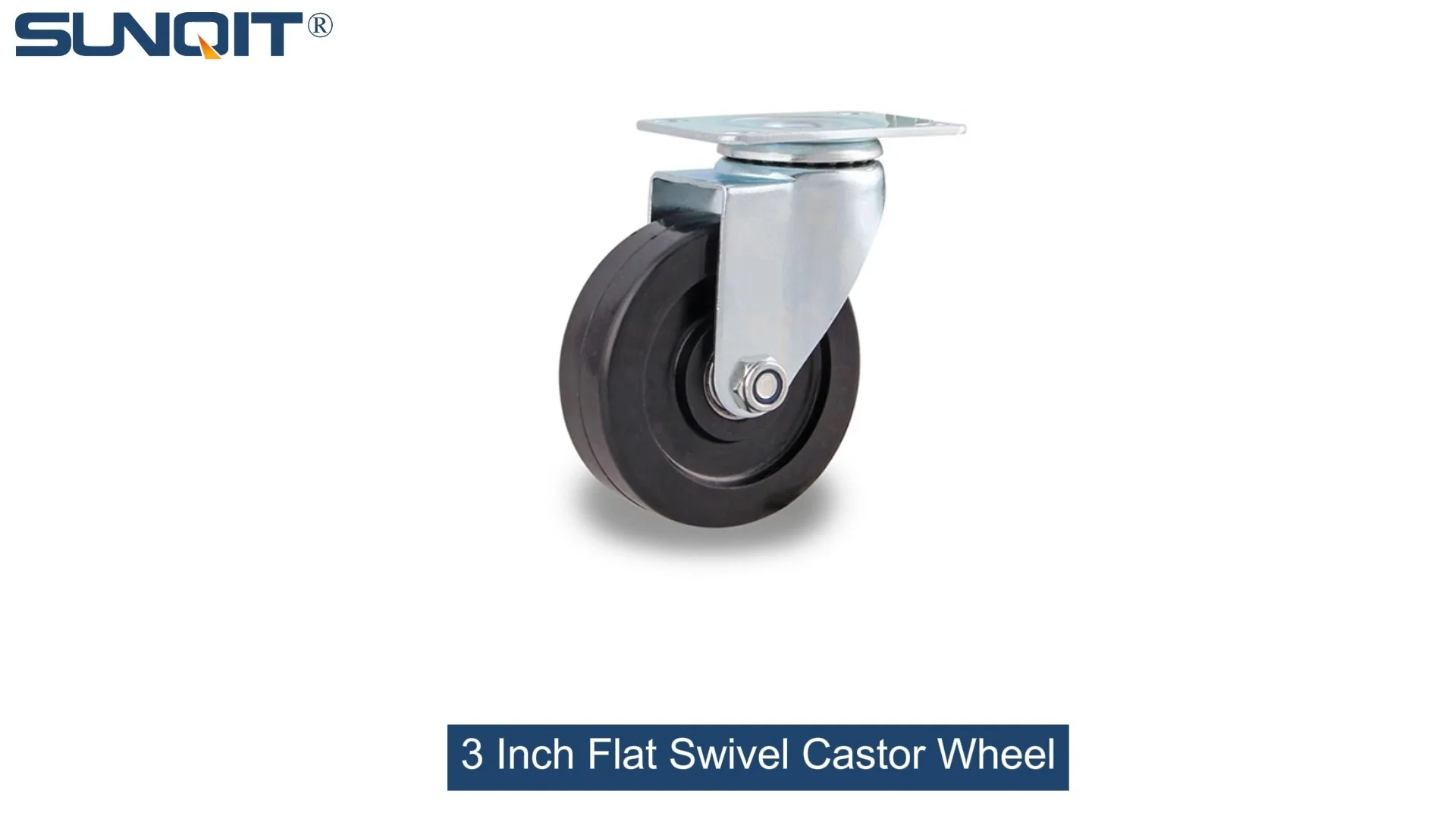
Flat Swivel Castor Wheel
Chair Casters Ball Bearing Wheels Rubber Base. Resistant to abrasion, impact and corrosion. Heavy payload can hold 70-90Kgs per pcs,which can make it works at a stable and smooth status.
Picture this: It's 2 a.m. in a bustling hospital lab. A technician carefully maneuvers a cart holding a state-of-the-art PCR machine—one that can detect trace amounts of a virus in under an hour. The hallway lights flicker, and the cart glides over a small threshold between the lab and the storage room. Without missing a beat, the technician continues, trusting that the equipment won't so much as rattle. What makes this confidence possible? It's not just the technician's skill—it's the unsung heroes beneath that cart: flat swivel castor wheels with shock absorption. These aren't ordinary wheels; they're precision-engineered guardians, designed to shield sensitive medical gear from the chaos of real-world movement. In healthcare, where a single misaligned sensor or jostled component can compromise patient results, these wheels don't just move equipment—they protect lives.
The Critical Need for Shock Absorption in Medical Mobility
Walk into any modern medical facility, and you'll notice a symphony of movement: carts carrying medication, workbenches holding lab equipment, and mobile stations transporting everything from patient monitors to surgical tools. But here's the thing: much of this equipment isn't just heavy—it's exquisitely sensitive. Take a centrifugal analyzer, for example. Inside its sleek exterior lies a rotor that spins at 15,000 RPM, separating blood components with microscopic precision. A single bump during transport could throw off its balance, leading to inaccurate test results. Or consider an MRI machine's console, packed with optical sensors that measure magnetic fields down to the nanoscale; even a tiny vibration could distort imaging data, putting diagnosis at risk.
The problem isn't just about avoiding catastrophic damage. Sensitive medical gear often operates on the edge of precision. A PCR machine's thermal cycler, which heats and cools samples to amplify DNA, relies on temperature control accurate to ±0.1°C. Vibrations from rough flooring or jerky movement can disrupt this balance, leading to failed reactions and delayed results. Similarly, electron microscopes, which magnify specimens up to 10 million times, have lenses aligned with nanometer precision—even a micrometer of misalignment from a bumpy ride can render images useless.
Mobility is non-negotiable in healthcare. Equipment needs to be moved for cleaning, reconfiguration, or urgent patient care. Static setups limit flexibility, especially in busy environments where every second counts. So, the challenge becomes clear: How do you keep sensitive gear mobile without sacrificing its precision? The answer lies in the wheels that carry it. Standard casters might get the job done for moving boxes or furniture, but when lives depend on the equipment's accuracy, you need something smarter—something with shock absorption built in.
What Makes Flat Swivel Castor Wheels with Brake Stand Out?
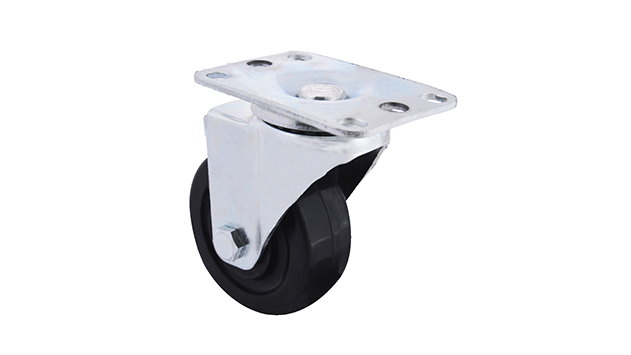
Let's start with the basics: what exactly is a "flat swivel castor wheel with brake"? Break it down, and you'll find three key features that set it apart. First, the "flat" design refers to its low-profile construction. Unlike bulky wheels that raise equipment higher off the ground, flat casters keep the center of gravity low, reducing the risk of tipping—critical when dealing with top-heavy gear like lab centrifuges or medication carts stacked with supplies.
Next, "swivel" means the wheel can rotate 360 degrees, allowing for effortless maneuvering in tight spaces. In a crowded lab or narrow hospital corridor, being able to pivot around corners or glide sideways is more than a convenience—it's a safety feature. A technician shouldn't have to strain to navigate around a stationary workbench or a cluster of IV poles; the casters should respond smoothly to the lightest touch.
Then there's the "brake" mechanism. When engaged, it locks two things: the wheel itself (preventing rolling) and often the swivel joint (stopping rotation). This dual locking ensures that once the equipment is in place, it stays put—no drifting during a procedure, no unexpected movement when a nurse leans on a medication cart. In high-stakes settings like operating rooms, where a single inch of movement could disrupt a surgery, this stability is non-negotiable.
But the real star here is the "shock absorption." Unlike standard casters, which transfer every bump and imperfection in the floor directly to the equipment, these wheels act as a buffer. How? Most use one of two technologies: spring-loaded suspension or elastomeric (rubber-like) damping. Spring-loaded casters have a coil that compresses when the wheel hits a bump, absorbing the impact before it reaches the equipment. Elastomeric casters use a flexible, rubbery tread or inner core that deforms slightly under pressure, dispersing vibrations like a sponge soaking up water. Some advanced models even combine both, offering double the protection.
Materials matter too. The treads are often made from polyurethane or soft rubber, chosen for their ability to grip floors without marking them (important in cleanrooms) and their natural shock-absorbing properties. The wheel frames are typically steel or aluminum—strong enough to support heavy loads (some models handle up to 500 lbs per wheel) but lightweight enough to keep the overall equipment manageable. And because hospitals and labs are harsh environments, many are coated in corrosion-resistant finishes to stand up to daily exposure to disinfectants like bleach and alcohol.
Key Features That Protect Sensitive Gear
Let's dive deeper into the features that make these casters medical-grade. First, precision-engineered ball bearings. The swivel joint relies on high-quality bearings to ensure smooth rotation without "sticking"—a common problem with cheap casters that can lead to jerky movement. Imagine trying to roll a workbench across the lab only to have the casters seize up halfway; the sudden jolt could send a vial of blood flying. Premium casters use sealed bearings, which also prevent dust and debris from getting inside, ensuring long-term reliability.
Then there's the load distribution. Medical equipment isn't just heavy—it's often unevenly weighted. A cart might have a dense analyzer on one side and lighter supplies on the other. Shock-absorbing casters are designed to handle uneven loads, with some models featuring adjustable suspension to fine-tune the damping based on weight. This ensures that even if the equipment is off-balance, the wheels absorb shocks consistently across all four corners, preventing tilting or strain on the frame.
Noise reduction is another unsung benefit. In patient rooms or recovery areas, loud, squeaky casters can disturb sleep or increase anxiety. Shock-absorbing casters, with their soft treads and smooth bearings, glide quietly—so much so that a nurse can move a medication cart past a sleeping patient without waking them. It's a small detail, but in healthcare, where patient comfort is as important as treatment, it makes a big difference.
Finally, compliance with industry standards. Medical equipment isn't just built to work—it's built to meet strict regulations, and casters are no exception. Reputable manufacturers design their flat swivel castor wheels with brake to comply with ISO 13485 (medical device quality management) and FDA guidelines, ensuring they're safe for use in sterile environments and won't leach harmful chemicals. Some even undergo biocompatibility testing, proving they won't react with bodily fluids or medications—a must for carts used in patient care.

Beyond Protection: The Multifaceted Benefits of Shock-Absorbing Casters
While protecting sensitive gear is their primary job, these casters offer a host of other benefits that make them indispensable in healthcare. Let's start with ergonomics. Nurses and technicians often spend hours pushing carts or adjusting equipment. Standard casters, which can be stiff or hard to maneuver, force staff to exert extra effort, leading to fatigue and even repetitive strain injuries. Shock-absorbing casters, with their smooth swivel and easy-rolling design, reduce the force needed to move equipment by up to 30%, according to some studies. That means less strain on backs, shoulders, and wrists—keeping staff healthier and more productive.
Then there's versatility. These casters aren't limited to one type of equipment. You'll find them under everything from mobile workbenches in labs to medication carts on hospital floors, from portable X-ray machines to surgical instrument trolleys. Their modular design means they can be retrofitted onto existing equipment, too—no need to replace an entire cart just to upgrade the wheels. This flexibility is a boon for facilities working with tight budgets, allowing them to extend the life of expensive gear while improving its mobility and safety.
Long-term cost savings are another perk. Think about it: A single PCR machine can cost upwards of $50,000. A repair due to vibration damage? Maybe $5,000 or more, not counting downtime while the machine is out of service. Investing in high-quality shock-absorbing casters—often a fraction of that cost—pays for itself by preventing these repairs. Plus, their durable construction means they last longer than cheap casters, reducing the need for frequent replacements. Over time, that adds up to significant savings for hospitals and labs.

Standard Casters vs. Shock-Absorbing Flat Swivel Casters: A Comparison
| Feature | Standard Casters | Flat Swivel Castor Wheels with Shock Absorption |
|---|---|---|
| Shock Absorption | None; transfers vibrations directly to equipment | Spring-loaded or elastomeric damping to absorb impacts |
| Swivel Range | Often limited (180–270 degrees) or stiff | 360-degree smooth rotation with precision bearings |
| Brake Mechanism | Basic wheel lock only; may slip on smooth floors | Dual-locking (wheel + swivel) for maximum stability |
| Load Capacity | Typically up to 200 lbs per wheel | Up to 500+ lbs per wheel with adjustable suspension |
| Tread Material | Hard plastic or rubber; noisy and marks floors | Soft polyurethane or rubber; non-marking and quiet |
| Best For | Light, non-sensitive equipment (e.g., storage carts) | Sensitive medical gear (e.g., lab analyzers, MRI consoles, workbenches) |
Real-World Applications: Where These Casters Shine
Let's take a walk through a typical hospital and see how these casters make a difference. Start in the lab: A mobile workbench holds a row of pipettes, a centrifuge, and a small spectrophotometer. The technician needs to move the workbench to clean underneath it, then wheel it back to its original position. With flat swivel castor wheels with brake, they can glide it smoothly across the floor, hit the brake to lock it in place, and get to work—no worrying about the centrifuge shifting or the pipettes toppling over. The shock absorption ensures that even if the lab's tile floor has a small crack, the sensitive equipment stays steady.
Head to the pharmacy, and you'll find medication carts lined with these casters. Pharmacists fill carts with hundreds of vials and pill bottles, each labeled for specific patients. When a nurse pushes the cart to patient rooms, the casters' shock absorption prevents bottles from rattling loose, and the brake keeps the cart stable while they retrieve medications. In emergency situations, where seconds count, the cart can be moved quickly without spilling a single dose.
In the radiology department, mobile X-ray machines rely on these casters to navigate tight patient rooms. The machines are heavy—often over 500 lbs—but with smooth-swiveling, shock-absorbing wheels, a technician can position them precisely next to a patient's bed, even in cramped spaces. The dual-locking brake ensures the machine stays put during imaging, preventing blurry scans that would require retakes (and more radiation exposure for the patient).
Even in non-clinical areas, these casters play a role. Housekeeping carts, loaded with cleaning supplies and disinfectants, use them to move quietly through patient areas, and mobile storage racks in supply rooms rely on their stability to keep inventory organized and accessible. In every corner of the facility, these wheels are working behind the scenes to make healthcare more efficient, safer, and more reliable.
Caster Accessories: Enhancing Performance Even Further
A great caster is only as good as its accessories. Caster accessories might not get the same attention as the wheels themselves, but they're critical for tailoring performance to specific needs. Take brake extensions, for example. In some cases, the brake lever on a caster might be too low to reach comfortably, especially on taller carts. An extension handle raises the lever, making it easy for staff to engage or disengage the brake without bending down—a small change that reduces strain and speeds up workflow.
_
Floor locks are another handy accessory. While the caster's built-in brake is great for everyday use, a floor lock adds an extra layer of security. It's a small, retractable pin that drops into a hole in the floor, anchoring the equipment in place. In areas with heavy foot traffic or on sloped floors, this prevents even the slightest movement—ideal for workbenches used in precision tasks like assembling lab kits or preparing surgical instruments.
Tread protectors are a must for facilities with delicate flooring, like polished marble in lobbies or epoxy resin in cleanrooms. These thin, replaceable covers slip over the caster treads, preventing scuffs and scratches while maintaining grip. They're easy to swap out when worn, extending the life of both the casters and the floors.
Finally, maintenance kits. Casters, like any moving part, need occasional upkeep—lubrication for the swivel joint, cleaning to remove debris from the bearings. A maintenance kit typically includes lubricant, a small brush for cleaning, and replacement parts like bearing covers. Regular maintenance ensures the casters keep performing at their best, reducing the risk of unexpected failure.
Choosing the Right Caster: What to Look For
So, how do you select the perfect flat swivel castor wheel with brake for your medical equipment? Start by calculating the load. Every caster has a maximum weight capacity, and it's crucial to choose one that can handle not just the equipment's weight, but also any additional load (like supplies or staff leaning on the cart). As a rule of thumb, aim for a caster with a capacity 20% higher than the total weight—this gives a safety buffer.
Next, consider the environment. Is the caster going in a cleanroom, where sterility is key? Look for models with sealed bearings and non-porous materials that can withstand frequent disinfection. For outdoor use (like moving equipment to an ambulance bay), choose casters with rugged treads and corrosion-resistant frames. And don't forget the floor type: soft treads work best on smooth surfaces like tile, while harder treads might be needed for rough concrete.
Maneuverability is another factor. If the equipment will be used in tight spaces—like between hospital beds or inside elevators—opt for casters with a smaller wheel diameter (4–5 inches) for better turning radius. For longer distances, larger wheels (6–8 inches) roll more easily, reducing effort. And always test the swivel action: it should rotate smoothly with minimal force, even when the equipment is fully loaded.
Finally, partner with a reputable supplier. Medical equipment is too important to trust to generic, untested casters. Look for suppliers who specialize in healthcare-grade mobility solutions, with a track record of compliance and positive reviews from other facilities. A good supplier will not only help you choose the right caster but also provide after-sales support, including maintenance advice and replacement parts.
The Future of Medical Caster Technology
As medical technology advances, so too will the casters that support it. One emerging trend is smart casters—wheels embedded with sensors that monitor vibration levels, temperature, and even wheel wear. Imagine a caster that sends an alert to the facility's maintenance team when its treads are wearing thin or when a bearing needs lubrication. This predictive maintenance could prevent equipment downtime and extend caster life.
Another area of innovation is adaptive shock absorption. Some prototypes use AI to adjust damping in real time, based on the terrain. If the caster detects a rough patch of floor, it stiffens the suspension to absorb more impact; on smooth ground, it softens for easier rolling. This "intelligent" damping could further protect ultra-sensitive equipment like next-gen DNA sequencers or quantum imaging machines.
Sustainability is also on the horizon. Manufacturers are exploring eco-friendly materials for treads and frames, like recycled polyurethane and biodegradable lubricants, without compromising performance. As healthcare facilities strive to reduce their carbon footprint, green casters could become a key part of their sustainability strategies.
Conclusion: The Wheels That Move Healthcare Forward
Flat swivel castor wheels with shock absorption may not be the most glamorous part of medical technology, but they're undeniably essential. They're the quiet partners of every lab technician, nurse, and doctor who relies on precise, mobile equipment to care for patients. From protecting a PCR machine's delicate sensors to making a medication cart easier to push, these wheels do more than just move things—they enable better care.
As healthcare continues to evolve, with new technologies demanding ever-greater precision, the role of these casters will only grow. They're a reminder that innovation isn't just about flashy new machines; sometimes, it's about the small, thoughtful details that make those machines work better, safer, and more reliably. So the next time you see a medical cart gliding down a hallway or a lab workbench being repositioned, take a moment to appreciate the wheels beneath it. They might just be the unsung heroes keeping healthcare moving forward—one smooth, shock-free roll at a time.