- Company Articles
- Products and Technology
- Product knowledge
- Flexibility of 1.0mm Stainless Steel Pipe in Flexible Production Lines

Flexibility of 1.0mm Stainless Steel Pipe in Flexible Production Lines
Related Product
1.0mm Stainless Steel Pipe
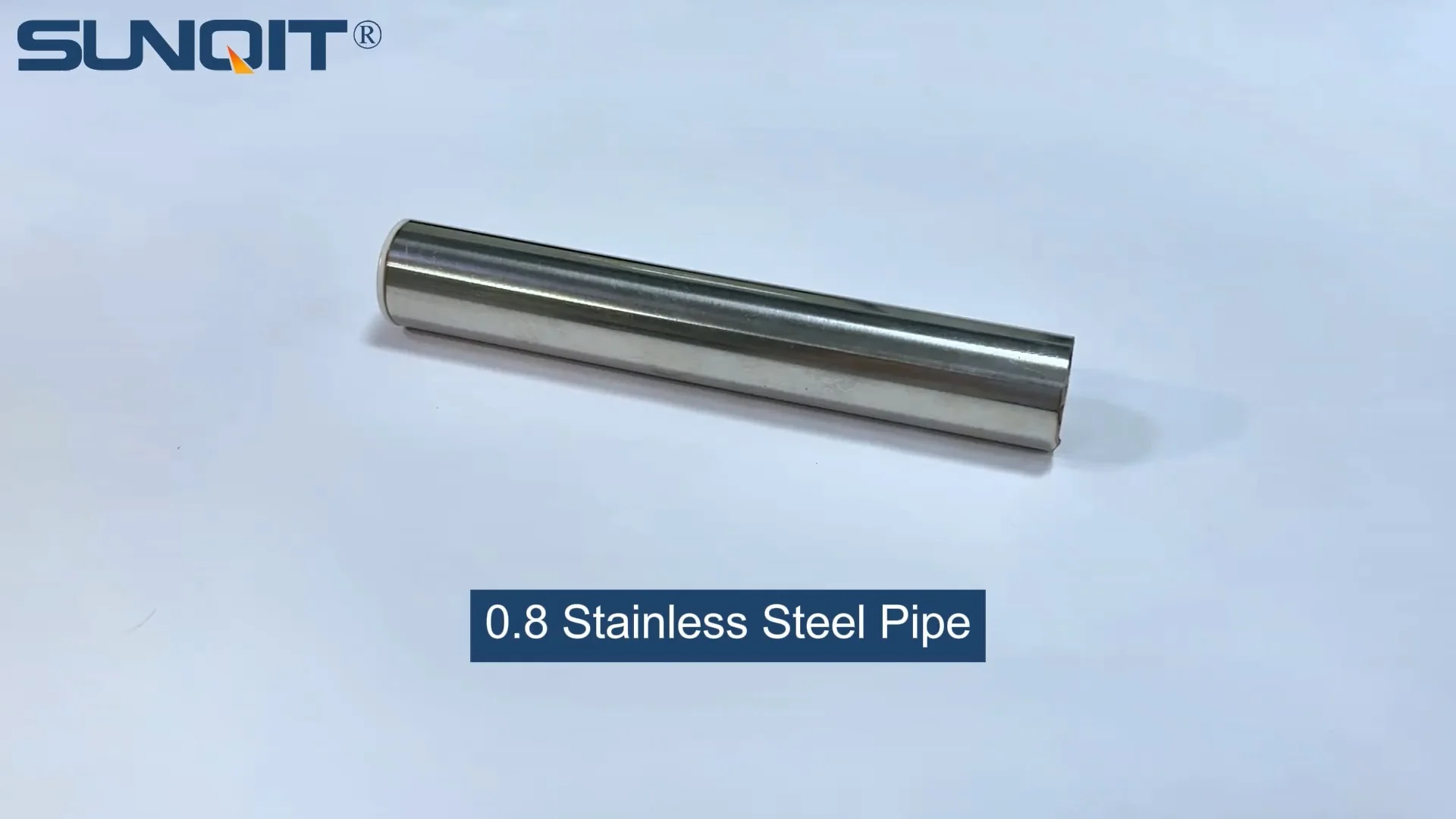
Stainless steel pipe, lean pipe, diameter is 28mm, material is SS201 or SS304, SS201 is normally used in the market. It knows a KARAKURI, KAIZEN material for industrial plant to improve efficiency, save labor cost, standard management.
The Rise of Flexible Production: Why Adaptability Matters More Than Ever
In today's fast-paced manufacturing landscape, the ability to pivot quickly isn't just a competitive advantage—it's a survival skill. Consumer demands shift overnight, product life cycles shrink, and customization has become the norm rather than the exception. This is where flexible production lines step in, designed to adapt, reconfigure, and scale without the need for massive overhauls or downtime. At the heart of this adaptability lies a seemingly unassuming component: the 1.0mm stainless steel pipe. Far more than just a structural element, this lightweight yet durable material has become the backbone of modern, agile manufacturing systems, enabling businesses to build, modify, and optimize their workflows with unprecedented ease.
Flexible production lines thrive on modularity—the idea that components can be mixed, matched, and rearranged to suit changing needs. Traditional rigid setups, built with welded steel or fixed concrete structures, lock manufacturers into a single workflow, making even minor adjustments time-consuming and costly. But with 1.0mm stainless steel pipe, the game changes. Its versatility, combined with compatible accessories like lean pipe joints and caster wheels, allows teams to create everything from workbenches to material racks to turnover trolleys, all of which can be disassembled, reconfigured, or repurposed in hours rather than weeks. This isn't just about saving time; it's about empowering manufacturers to respond to market trends, seasonal demands, or even unexpected disruptions—like supply chain shifts or sudden product design changes—with confidence.
Meet the 1.0mm Stainless Steel Pipe: A Closer Look at Its Unique Advantages
So, what makes the 1.0mm stainless steel pipe stand out in a market flooded with industrial materials? Let's start with the basics: its construction. At just 1.0mm thick, it strikes a near-perfect balance between strength and weight. Thicker pipes (like 1.5mm or 2.0mm) offer more load capacity, but they're heavier and less maneuverable—critical drawbacks when flexibility is key. Thinner options (0.8mm) save on weight but often lack the structural integrity needed for repeated assembly and disassembly. The 1.0mm variant, however, is tough enough to support light to medium-duty applications (think parts bins, tool holders, or small component conveyors) while remaining lightweight enough to be handled by a single worker during reconfiguration.
Then there's the stainless steel itself. Unlike carbon steel, which is prone to rust and corrosion, stainless steel resists moisture, chemicals, and wear—essential properties in manufacturing environments where spills, humidity, or frequent cleaning are common. This durability ensures that structures built with 1.0mm stainless steel pipe have a long service life, even with regular use and adjustments. And because it's non-porous, it's easy to sanitize, making it ideal for industries like food processing, pharmaceuticals, or electronics, where cleanliness is non-negotiable.
But perhaps its most underrated advantage is its compatibility with a wide range of accessories. From simple lean pipe joints that snap into place without welding to roller track systems that facilitate smooth material flow, the 1.0mm stainless steel pipe acts as a "universal connector" in flexible production setups. This interoperability means manufacturers aren't locked into a single brand or system; they can mix and match components from different suppliers to create a workflow that's uniquely theirs. For example, a workbench built with 1.0mm stainless steel pipe can easily be outfitted with caster wheels to become mobile, or paired with roller track to feed parts directly into an assembly line—all without replacing the core structure.

Building Blocks of Flexibility: How 1.0mm Stainless Steel Pipe Works with Key Accessories
Lean Pipe Joints: The "Glue" That Holds Modularity Together
If the 1.0mm stainless steel pipe is the backbone of flexible production, then lean pipe joints are the joints that let that backbone bend and flex. These small, often plastic or metal connectors are designed to secure pipes at various angles (90°, 45°, 180°, etc.) with minimal effort. Unlike traditional welding or bolting, which require specialized tools and skills, lean pipe joints simply twist, snap, or clamp into place, allowing workers to assemble or disassemble structures in minutes. This ease of use is a game-changer for manufacturers: a team can reconfigure a material rack from 3 rows to 5 rows, or adjust the height of a workbench, without calling in a maintenance crew or halting production for hours.
The 1.0mm stainless steel pipe's thin wall thickness actually enhances the effectiveness of these joints. The pipe's flexibility allows it to grip the joint tightly when secured, reducing slippage even under load. For example, a 90° crossing lean pipe joint can connect two 1.0mm pipes to form a corner, creating a stable frame for a turnover trolley or a shelving unit. And because the joints are reusable, manufacturers can repurpose them across different projects, reducing waste and cutting costs over time.
Caster Wheels: Adding Mobility to Static Structures
Flexibility isn't just about shape-shifting—it's also about movement. A workbench or material rack that's bolted to the floor might be stable, but it can't follow the workflow if production lines need to shift. That's where caster wheels come in, and the 1.0mm stainless steel pipe is the perfect partner for these mobile accessories. Thanks to its lightweight design, structures built with 1.0mm pipe are easy to mount on caster wheels, turning fixed workstations into movable carts or transport trolleys.
Consider a scenario: a manufacturer needs to temporarily expand their assembly line to meet a seasonal order. With a 1.0mm stainless steel pipe workbench mounted on swivel caster wheels (complete with brakes for stability when in use), the team can roll the workstation into place in minutes, no heavy lifting required. When the season ends, the caster wheels make it just as easy to move the bench back to storage or repurpose it for another task. And because stainless steel resists rust, even caster wheels with metal components won't corrode over time, ensuring smooth movement for years.
Roller Track: Streamlining Material Flow with Minimal Effort
In any production line, the flow of materials is the lifeblood of efficiency. Bottlenecks here can slow down the entire process, which is why roller track systems are so valuable. These tracks—composed of small wheels or rollers—allow parts, bins, or packages to glide from one workstation to the next with minimal manual effort. And when paired with 1.0mm stainless steel pipe, they become even more versatile.
Stainless steel pipe frames provide a sturdy, corrosion-resistant base for roller track installations. For example, a flow rack built with 1.0mm pipe can support multiple levels of roller track, each angled slightly downward to use gravity for material movement. This setup is ideal for kitting stations, where components need to be easily accessible to assembly workers. And because the pipe is modular, the roller track can be extended, shortened, or repositioned as production needs change. A manufacturer might start with a 3-foot roller track section and later add two more feet to accommodate longer parts—all without replacing the entire rack.

Real-World Applications: How Manufacturers Are Using 1.0mm Stainless Steel Pipe Today
Workbenches: Customizable, Durable, and Adaptable
Workbenches are the workhorses of any production line, and 1.0mm stainless steel pipe has revolutionized how they're designed. Traditional wooden or metal workbenches are fixed in size and shape, forcing workers to adapt their workflows to the bench. But with 1.0mm pipe and lean pipe joints, workbenches become fully customizable. Need a longer surface for assembling large components? Add a few extra pipes. Want to include shelves for tools? Snap on a vertical frame with a lean pipe joint. Even accessories like LED task lights or power strips can be mounted directly to the pipe frame, keeping the workspace organized and efficient.
Take the "Workbench E (single deck-without caster)" as an example—a simple, no-frills design built with 1.0mm stainless steel pipe. While it starts as a static bench, adding caster wheels transforms it into a mobile workstation. Need to add a second level for parts storage? Use parallel lean pipe joints to attach a shelf above the main deck. Over time, as the production line evolves, the bench can be disassembled and rebuilt into a tool cart, a packing station, or even a temporary inspection table. This adaptability ensures that the bench grows with the business, rather than becoming obsolete.
Turnover Trolleys and Racks: Moving Materials with Ease
Turnover trolleys and racks are essential for transporting materials between workstations, warehouses, or shipping areas. But traditional metal trolleys are heavy, hard to maneuver, and often too rigid to accommodate different load sizes. 1.0mm stainless steel pipe changes that. By combining lightweight pipe frames with caster wheels and adjustable shelves (secured with lean pipe joints), manufacturers can build trolleys that are both durable and flexible.
A "Material Rack B (3 row and 3 floor)" is a great example. Built with 1.0mm stainless steel pipe, this rack features three rows of shelves, each adjustable in height using lean pipe joints. Need to transport taller parts? Loosen the joints, raise the shelves, and retighten—done. The addition of swivel caster wheels (with brakes) makes it easy to navigate tight aisles, while the stainless steel construction ensures it holds up to daily use. And when not in use, the rack can be disassembled to save space, a huge benefit for small or crowded facilities.
Electronics and Clean Rooms: Corrosion Resistance in Critical Environments
In industries like electronics manufacturing or pharmaceuticals, where even minor contamination can ruin products, the 1.0mm stainless steel pipe's corrosion resistance shines. ESD workbenches (Electrostatic Discharge) built with stainless steel pipe provide a safe, static-free surface for assembling sensitive components like circuit boards. The non-porous stainless steel prevents dust buildup, and its resistance to chemicals ensures that cleaning agents (like isopropyl alcohol) won't degrade the material over time. Similarly, in clean rooms, stainless steel pipe structures are easy to sanitize, meeting strict regulatory standards for hygiene.
Comparing Pipe Thicknesses: Why 1.0mm Stands Out for Flexibility
To truly appreciate the 1.0mm stainless steel pipe's value, it helps to compare it to other common thicknesses. Below is a breakdown of how it stacks up against thinner (0.8mm) and thicker (1.2mm) options in key areas like flexibility, load capacity, and usability:
| Feature | 0.8mm Stainless Steel Pipe | 1.0mm Stainless Steel Pipe | 1.2mm Stainless Steel Pipe |
|---|---|---|---|
| Weight (per meter) | Lightest (≈0.25kg/m) | Balanced (≈0.3kg/m) | Heavier (≈0.35kg/m) |
| Load Capacity (per linear foot) | Low (up to 20kg) | Medium (20–40kg) | High (40–60kg) |
| Ease of Assembly/Disassembly | Very easy (lightweight, but prone to bending) | Easy (light enough for one person, sturdy when assembled) | Moderate (heavier, may require two people) |
| Flexibility for Reconfiguration | High (but limited by low load capacity) | High (best balance of weight and strength) | Moderate (strong but less maneuverable) |
| Best For | Light-duty, temporary structures (e.g., small parts bins) | Medium-duty, frequently reconfigured setups (e.g., workbenches, turnover trolleys) | Heavy-duty, static structures (e.g., large material racks) |
As the table shows, the 1.0mm pipe hits the sweet spot for most flexible production needs. It's strong enough to handle daily use but light enough to be reconfigured without heavy equipment. For manufacturers prioritizing adaptability, this balance is invaluable—they don't have to sacrifice durability for flexibility, or vice versa.
The Future of Flexible Production: Why 1.0mm Stainless Steel Pipe Will Remain a Staple
As manufacturing continues to evolve—with trends like Industry 4.0, mass customization, and on-demand production gaining steam—the need for flexible infrastructure will only grow. The 1.0mm stainless steel pipe is well-positioned to meet this demand, thanks to its adaptability, durability, and cost-effectiveness. But its future isn't just about "more of the same." Innovations in accessories (like smart lean pipe joints with built-in sensors to track load weight or usage) or composite materials (stainless steel combined with carbon fiber for even lighter, stronger pipes) could push its capabilities even further.
Perhaps most importantly, the 1.0mm stainless steel pipe embodies a mindset shift in manufacturing: from "build it once and forget it" to "build it to evolve." In a world where change is constant, this mindset is what will separate successful manufacturers from the rest. And with its ability to grow, adapt, and reconfigure alongside the businesses that use it, the 1.0mm stainless steel pipe isn't just a tool—it's a partner in progress.
Conclusion: Flexibility That Drives Results
The 1.0mm stainless steel pipe may not be the flashiest technology in modern manufacturing, but it's one of the most impactful. By combining strength, light weight, and compatibility with accessories like lean pipe joints, caster wheels, and roller track, it empowers manufacturers to build production lines that are as adaptable as the markets they serve. Whether it's a small workshop looking to scale or a large factory needing to pivot quickly, this humble pipe is proving that flexibility isn't just a buzzword—it's the foundation of efficient, resilient, and future-ready manufacturing.
So, the next time you walk through a production line, take a closer look at the structures around you. Chances are, you'll spot 1.0mm stainless steel pipe hard at work—quietly, reliably, and flexibly keeping the world of manufacturing moving forward.