- Company Articles
- Products and Technology
- Product knowledge
- Flexibility of T Slot Aluminum Pipe: Adaptable to Changing Production Needs

Flexibility of T Slot Aluminum Pipe: Adaptable to Changing Production Needs
Related Product
T Slot Aluminum Pipe
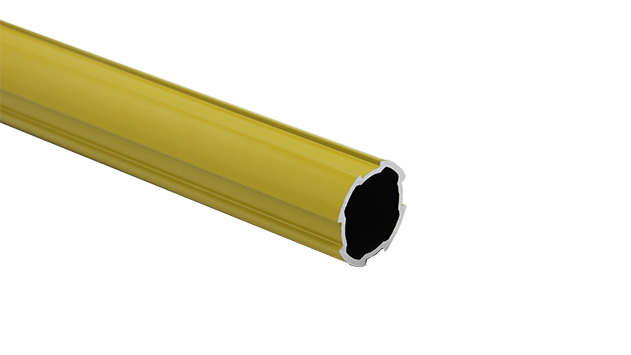
Aluminum pipe, it is used for workbench, flow rack,hand trolley assemble work with advantage of flexible and durable, yellow color makes it more attactive as a caution remind.
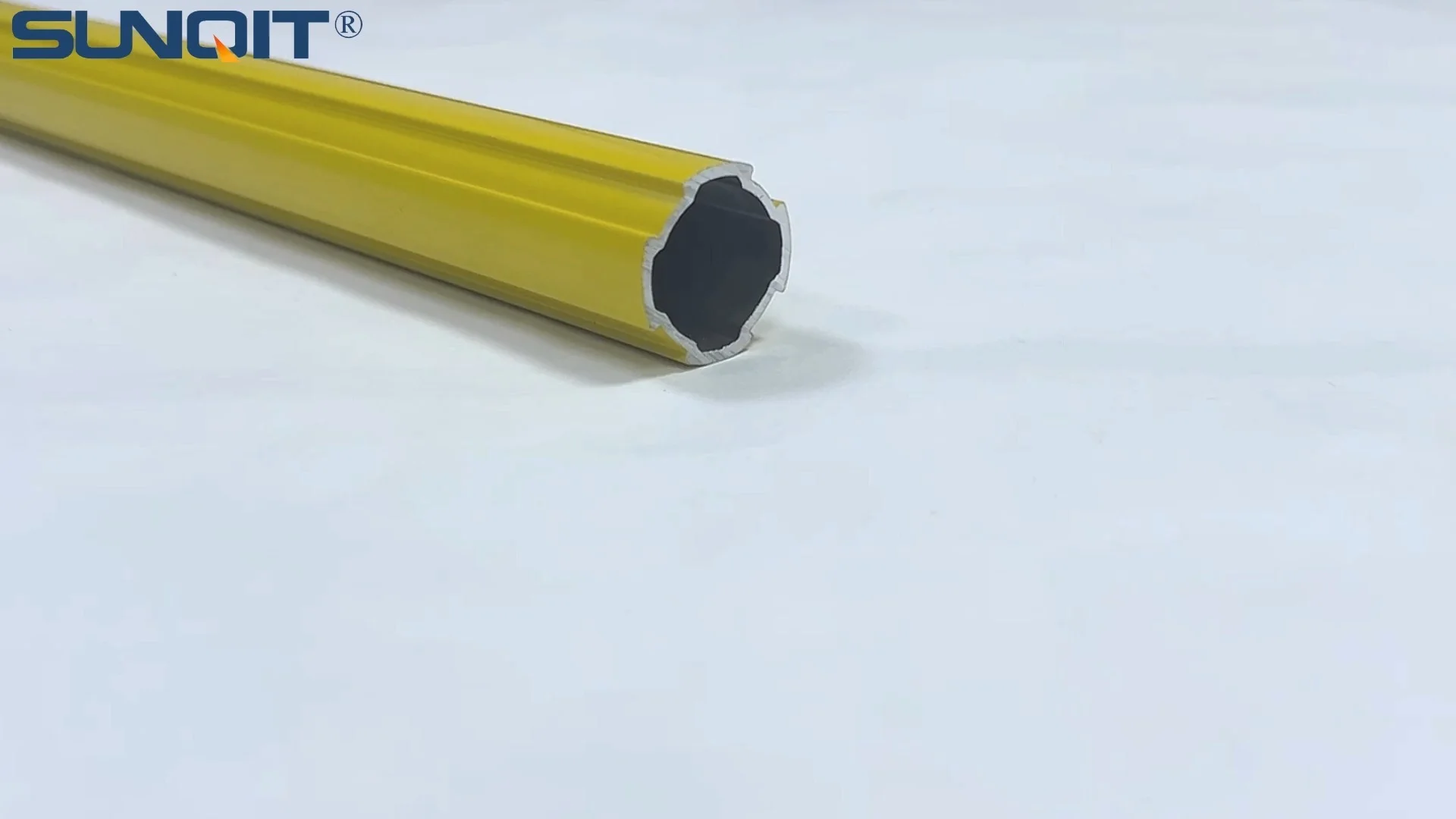
Modern production floors hum with a rhythm dictated by change—new product launches, shifting consumer demands, and the relentless pursuit of efficiency. For manufacturers, this constant evolution isn't just a challenge; it's a reality that demands tools and systems capable of keeping pace. Enter T slot aluminum pipe, a deceptively simple innovation that has quietly become the backbone of adaptable manufacturing. More than just a component, it's a philosophy of flexibility, enabling teams to reimagine workflows, reconfigure spaces, and respond to challenges without missing a beat.
In factories across the globe, the shift is palpable. Where once production lines were fixed monoliths—welded steel, bolted wood, and permanent structures that resisted change—today's facilities are dynamic ecosystems. A workstation built for electronics assembly can, by afternoon, transform into a testing station for medical devices. A material rack holding automotive parts can reconfigure to store fragile components by week's end. At the heart of this transformation lies T slot aluminum pipe, a solution that marries strength, lightness, and modularity to turn static spaces into adaptable hubs of productivity.
The Basics: What Makes T Slot Aluminum Pipe Unique?
At its core, T slot aluminum pipe is an aluminum extrusion profile —a product of the extrusion process, where heated aluminum alloy is forced through a die to create a consistent cross-sectional shape. The defining feature, the "T slot," is a longitudinal groove running along the pipe's length, designed to accept a wide range of accessories without drilling, welding, or permanent fasteners. This slot isn't just a design quirk; it's the gateway to unparalleled flexibility.
Aluminum, as a material, brings critical advantages. Weighing roughly one-third the density of steel, it's easy to handle—even a single worker can adjust a workstation or reposition a rack—yet it boasts impressive strength-to-weight ratios, supporting loads from light tools to heavy machinery. Its natural resistance to corrosion ensures longevity, even in harsh industrial environments, while its smooth finish simplifies cleaning—a boon for sectors like food processing or pharmaceuticals where hygiene is paramount.
The extrusion process itself enhances versatility. Profiles come in diverse sizes, from 15mm diameter pipes for lightweight shelving to 40mm×40mm square tubes for heavy-duty workbenches. Slot dimensions vary too, with widths ranging from 6mm to 10mm, ensuring compatibility with standardized accessories. For specialized needs, custom dies can create unique profiles, though most operations find standard sizes sufficient to meet 95% of their requirements.
The Power of Accessories: Building Blocks of Adaptability
A T slot aluminum pipe is only as versatile as the aluminum profile accessories that complement it. These components—connectors, brackets, mounts, and more—transform static pipes into dynamic systems, enabling configurations limited only by imagination. Think of the pipe as a canvas; accessories are the brushes and paints that bring it to life.
Connectors are the unsung heroes of modularity. Designed to join pipes at angles (90°, 45°, 135°) or enable rotation, they use set screws, cam levers, or spring-loaded pins to lock into T slots. A 90° corner connector, for example, forms a rigid right angle in seconds, while a swivel connector lets a tool holder pivot for ergonomic access. Many feature quick-release mechanisms, allowing reconfiguration without tools—critical for minimizing downtime during line changes.
Brackets and mounts extend functionality further. End caps protect pipe edges and add a finished look, while sliding brackets enable components like shelves or monitors to adjust vertically or horizontally. Panel mounts secure everything from control boards to anti-fatigue mats, and caster mounts transform static structures into mobile workstations with lockable wheels. Even specialized accessories, like cable management clips or tool hooks, integrate seamlessly via the T slot, reducing clutter and improving organization.
Interoperability is another key strength. Most manufacturers adhere to universal slot standards, meaning accessories from one brand work with pipes from another. This interchangeability frees teams from supplier lock-in and encourages experimentation—swap a connector here, add a bracket there, and suddenly a workbench becomes a mobile testing station. It also reduces waste: when a project ends, accessories are and reused elsewhere, cutting down on replacement costs.
From Workbenches to Lean Systems: Real-World Applications
The true measure of T slot aluminum pipe's value lies in its real-world impact. Consider workbenches , the workhorses of production floors. Traditional wooden or steel benches are fixed entities—built once, modified rarely, and replaced entirely when needs change. T slot benches, by contrast, are living systems. Height-adjustable legs accommodate workers of different statures; removable shelves adapt to tool storage needs; and accessory rails add hooks, holders, or monitors as tasks evolve. A electronics manufacturer in Ohio, for instance, reconfigures its T slot benches weekly: one day, they're set up for circuit board assembly with ESD mats and magnifying lamps; the next, they transform into packaging stations with integrated scales and label printers—all with no tools beyond a hex key.
In lean system implementation, T slot aluminum pipe shines even brighter. Lean manufacturing, focused on eliminating waste and streamlining workflows, demands systems that adapt to process improvements. A T slot-based production cell, for example, can be rebalanced in hours: adjust the height of a material rack to reduce worker reaching, reposition a conveyor to shorten travel time, or add a kanban shelf to optimize inventory flow. A automotive parts supplier in Michigan reports cutting changeover time by 70% after switching to T slot systems, as line reconfigurations that once took days (involving welders and carpenters) now take hours (handled by the production team itself).
Material handling is another area of transformation. Traditional fixed racks and trolleys limit how materials move through a facility. T slot-based flow racks, with roller tracks and adjustable dividers, adapt to different part sizes and weights. Mobile turnover trolleys, built with T slot pipes and heavy-duty casters, navigate tight aisles and reconfigure to carry bulk items or fragile components. Even automated systems benefit: T slot frames support sensors, guides, and conveyor tracks, allowing for quick adjustments to robotic workcells as product specs change.

Traditional vs. T Slot: A Comparative Look
To appreciate T slot aluminum pipe's impact, compare it to traditional production systems. The table below highlights key differences, underscoring why flexibility has become a competitive advantage:
| Criteria | Traditional Steel/Wood Systems | T Slot Aluminum Pipe Systems |
|---|---|---|
| Assembly Time | Days to weeks (requires welding, drilling, or custom cutting) | Hours to days (tool-less assembly with click-in accessories) |
| Reconfigurability | Minimal (often requires destruction or permanent modification) | Unlimited (components detach and reattach without damage) |
| Weight & Mobility | Heavy (requires forklifts or teams for relocation) | Lightweight (single-person adjustments; casters for mobility) |
| Durability & Maintenance | Steel rusts; wood warps/rots; frequent repairs needed | Corrosion-resistant; low maintenance; 10+ year lifespan |
| Cost Over Time | High (replacement costs, downtime during reconfigurations) | Lower (reusable components; reduced downtime; longer lifespan) |
| Customization | Expensive (custom fabrication for unique needs) | Affordable (mix-and-match accessories; modular design) |
The data speaks for itself: traditional systems excel in static environments but falter when flexibility is needed. T slot aluminum pipe, by contrast, thrives in dynamic settings, turning adaptability from a challenge into a strategic asset.

Solving Modern Production Challenges
Today's manufacturers face unique hurdles—supply chain volatility, labor shortages, and the need to pivot quickly between product lines. T slot aluminum pipe addresses these head-on, offering solutions that align with the realities of modern production.
Scalability Without Overhead
Seasonal demand spikes or sudden order increases often force manufacturers to choose between overinvesting in fixed infrastructure or missing opportunities. T slot systems eliminate this dilemma. Need to add three workstations for a holiday rush? Assemble them from existing pipes and accessories, then disassemble and store components when demand wanes. A furniture manufacturer in North Carolina used this approach to scale up for Q4, adding 12 temporary workstations in three days—no new equipment purchases, no permanent space taken.
Rapid Prototyping & Niche Production
In sectors like aerospace or medical devices, small-batch, high-precision production is the norm. T slot systems enable teams to build custom workstations, testing jigs, or assembly fixtures in days, not weeks. A California-based medical device startup, for example, used T slot pipes and accessories to create a prototype assembly line for a new surgical tool, iterating on the design three times in a month before finalizing production—all without hiring outside fabricators.
Ergonomic Adaptability
Worker well-being is increasingly critical, and ergonomic workstations reduce injuries and boost productivity. T slot systems make ergonomic adjustments simple: raise a workbench height for a standing worker, lower a shelf to reduce bending, or angle a tool holder to minimize wrist strain. A automotive plant in Texas reported a 25% reduction in repetitive strain injuries after retrofitting T slot workstations, as employees could now customize their setups to their body types.
The Future of Production: Adaptability as Standard
As manufacturing evolves—driven by Industry 4.0, AI-driven demand forecasting, and mass customization—the need for adaptable systems will only grow. T slot aluminum pipe isn't just a tool for today; it's a foundation for tomorrow's smart factories. Imagine production lines that reconfigure automatically based on real-time order data, or workstations that adjust to workers' biometrics for optimal ergonomics. While such scenarios may seem futuristic, they're built on the modularity T slot systems already provide.
For businesses considering the switch, the upfront investment is offset by long-term gains. Reduced downtime, lower replacement costs, and the ability to seize new opportunities without infrastructure bottlenecks make T slot aluminum pipe more than a purchase—it's a strategic investment in adaptability. As one plant manager put it: "In manufacturing, the only constant is change. With T slot, we're not just keeping up—we're ahead of the curve."
In the end, production is about more than machines and materials; it's about people solving problems, innovating processes, and responding to the unexpected. T slot aluminum pipe empowers those people, giving them the tools to adapt, evolve, and thrive in a world that won't stop changing. It's not just a pipe with a slot—it's the key to building production systems as resilient and dynamic as the teams that run them.