- Company Articles
- Products and Technology
- Solution
- Flexible Production Lines: 1.2mm Stainless Steel Pipe Supporting Modular Design

Flexible Production Lines: 1.2mm Stainless Steel Pipe Supporting Modular Design
Related Product
1.2mm Stainless Steel Pipe
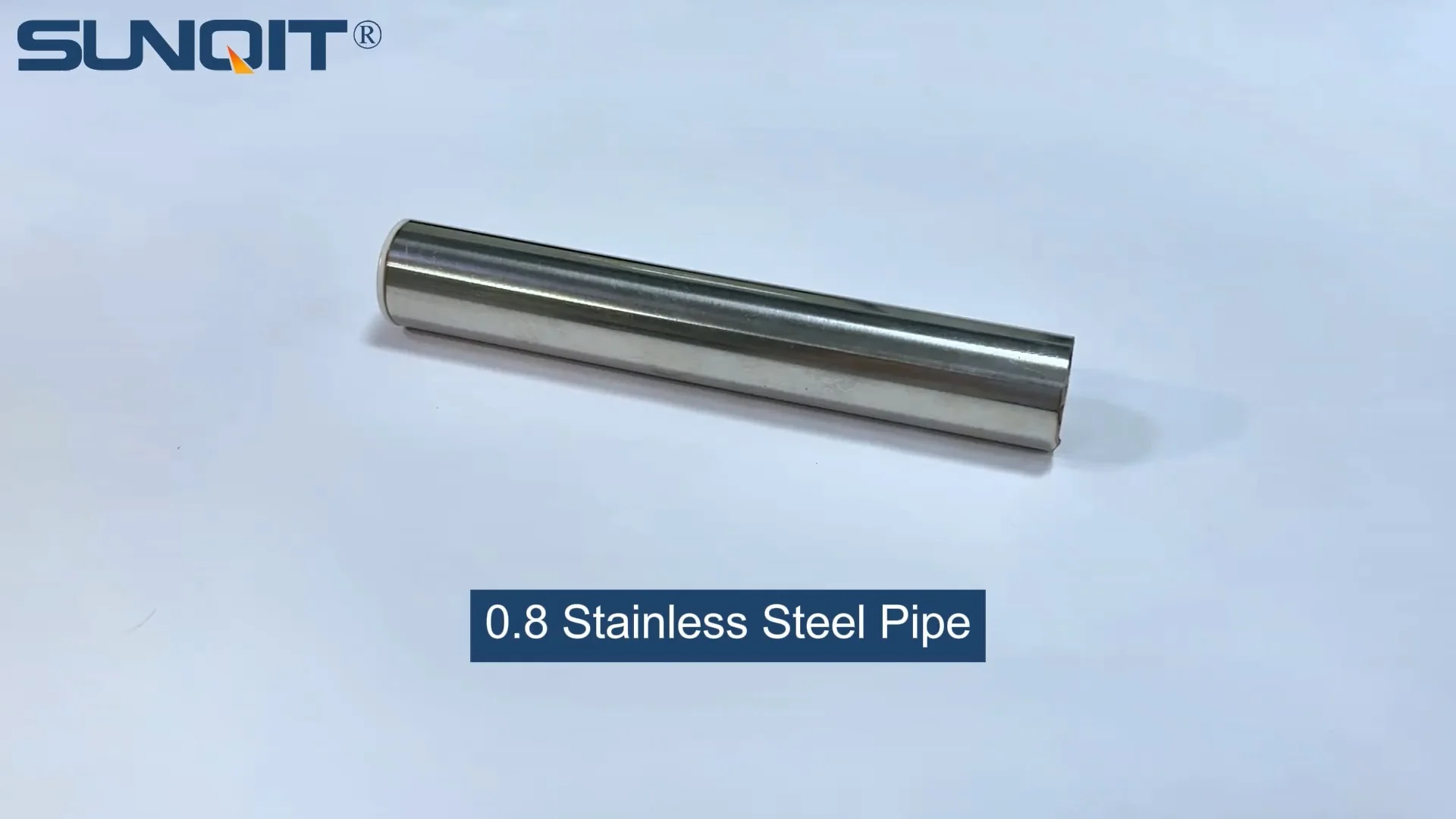
Stainless steel pipe, lean pipe, diameter is 28mm, material is SS201 or SS304, SS201 is normally used in the market. It knows a KARAKURI, KAIZEN material for industrial plant to improve efficiency, save labor cost, standard management.
In the fast-paced world of manufacturing, where consumer demands shift overnight and product lifecycles grow shorter by the year, the ability to adapt isn't just a competitive advantage—it's survival. Traditional production lines, once hailed as marvels of efficiency, now feel like relics of a bygone era. Rigid, heavy, and notoriously hard to reconfigure, they leave little room for innovation or quick pivots. Enter flexible production lines: the modern solution to manufacturing's greatest challenge. At the heart of this revolution lies a surprisingly simple yet powerful component: the 1.2mm stainless steel pipe. Far more than just a metal tube, it's the backbone of modular design, enabling factories to build, rebuild, and evolve their workflows with unprecedented ease. Let's dive into how this unassuming material is reshaping the future of production.
The Rise of Flexible Manufacturing: Why Rigidity No Longer Works
Not long ago, manufacturing thrived on repetition. Henry Ford's assembly line, with its "any color as long as it's black" mantra, dominated the industry for decades. It was efficient, predictable, and perfect for mass-producing identical products. But today? The game has changed. Consumers want personalized gadgets, custom car features, and limited-edition goods. Industries from electronics to automotive are shifting to smaller batches, faster turnarounds, and more product variants than ever before. A factory that can't retool its line to make a new smartphone model in a week, or adjust a workstation to assemble a different car part, risks falling behind.
This is where flexible manufacturing comes in. It's not just about speed—it's about adaptability. Imagine a production floor where workstations glide into new positions, material racks reconfigure to hold different components, and assembly lines shrink or expand based on demand. This isn't science fiction; it's the reality for forward-thinking manufacturers. And at the core of this flexibility is modular design: breaking down production systems into interchangeable, reusable modules that can be rearranged like building blocks. No more tearing down walls or rebuilding entire lines from scratch. Instead, you swap out a section here, add a component there, and your line is ready for the next challenge.
Modular Design: The Building Block of Modern Production
Modular design is exactly what it sounds like: designing systems as a collection of modules—self-contained units that work together but can also function independently. Think of it like a child's Lego set: each brick (or module) has a specific purpose, but you can combine them in endless ways to build a castle, a spaceship, or a robot. In manufacturing, these "bricks" might be workbenches, roller tracks, material racks, or even entire assembly cells. The magic is that they're standardized, meaning any module can connect to another using common components. This standardization is what makes reconfiguration fast, cheap, and low-risk.
Why does this matter? Let's take a real example. Suppose an electronics factory needs to switch from assembling smartwatches to fitness trackers. With a traditional fixed line, this might require weeks of downtime: workers would have to dismantle old workstations, install new ones, reroute conveyor belts, and retrain staff. With a modular line built on standardized components, the process is drastically simpler. The factory can swap out the smartwatch-specific workbench tops for fitness tracker-compatible ones, adjust the height of roller tracks to match the new product's size, and reposition material racks—all in a matter of days, if not hours. Downtime drops, productivity stays high, and the factory can seize new opportunities without hesitation.
But modular design isn't just about reconfiguration. It also makes maintenance easier. If a single module breaks—a faulty roller track, for example—you can replace just that module instead of shutting down the entire line. It's scalable, too: as production grows, you add more modules rather than rebuilding the line from the ground up. And perhaps most importantly, it future-proofs your facility. As new technologies emerge or regulations change, you can update individual modules without overhauling everything.

The Unsung Hero: 1.2mm Stainless Steel Pipe
So, what holds these modular systems together? What gives them the strength to support heavy equipment, the flexibility to reconfigure, and the durability to withstand the chaos of a factory floor? Enter the 1.2mm stainless steel pipe. It's easy to overlook—after all, it's just a tube—but this unassuming component is the backbone of modular production lines. Let's break down why it's so critical.
Strength Without the Weight
At 1.2mm thick, this pipe strikes a perfect balance between strength and weight. Stainless steel is inherently strong, but a 1.2mm thickness ensures it can support the daily wear and tear of manufacturing—think heavy tools on a workbench, boxes sliding down a roller track, or material racks loaded with components—without bending or warping. Yet it's light enough to make reconfiguration feasible. Unlike thicker pipes (say, 1.5mm or 2.0mm), which can be cumbersome to move, 1.2mm stainless steel pipes are easy for workers to lift and adjust, even when assembling larger structures like multi-level material racks.
Corrosion Resistance for Longevity
Factory floors are tough environments. There's oil, grease, cleaning chemicals, and sometimes even moisture—all of which can corrode lesser materials like plain steel. Stainless steel, however, contains chromium, which forms a protective oxide layer on its surface, preventing rust and corrosion. This means a 1.2mm stainless steel pipe won't degrade over time, even in damp or messy conditions. For manufacturers, this translates to lower replacement costs and less downtime spent fixing rusted components. A well-maintained stainless steel pipe system can last for years, making it a smart long-term investment.
Versatility in Design
Stainless steel is also incredibly versatile. It's easy to cut to custom lengths using basic tools, so manufacturers can create modules of any size—whether a compact workbench for small parts or a tall material rack for bulky items. It's compatible with a wide range of connectors, from simple lean pipe joints to more complex brackets, allowing it to attach to everything from roller tracks to caster wheels. And because it's a standard size, it works seamlessly with other modular components, ensuring that the entire system remains cohesive even as it evolves.
Cost-Effective Without Compromise
You might think: "Stainless steel sounds expensive. Why not use aluminum or plastic instead?" While aluminum is lighter and plastic is cheaper, neither offers the same combination of strength, durability, and cost-effectiveness as 1.2mm stainless steel. Aluminum can dent under heavy loads, and plastic lacks the structural integrity for larger modules. Thicker stainless steel pipes (like 1.5mm) are stronger but heavier and pricier, making them overkill for most modular applications. The 1.2mm variant hits the sweet spot: it's affordable, long-lasting, and strong enough for 90% of manufacturing needs. When you factor in lower replacement costs and minimal maintenance, it's often the most economical choice in the long run.

Key Components: How 1.2mm Stainless Steel Pipe Works with Other Modular Parts
A single pipe can't build a production line on its own. The 1.2mm stainless steel pipe shines when paired with other modular components, creating systems that are greater than the sum of their parts. Let's explore three essential partners in this ecosystem: roller tracks, caster wheels, and workbenches.
Roller Tracks: Keeping Materials Moving
Roller tracks are the "conveyor belts" of modular systems. They're made up of small, rotating rollers mounted on a frame, and they allow materials—like boxes, components, or finished products—to slide smoothly from one workstation to the next. But roller tracks don't work in isolation; they need a sturdy frame to support them, and that's where 1.2mm stainless steel pipes come in. The pipes form the track's base and sides, ensuring it stays stable even when heavy items are rolling over it. Because the pipes are standardized, roller tracks can be easily extended, shortened, or repositioned by adding or removing pipe sections. For example, a factory might start with a 10-foot roller track between two workstations, then later extend it to 15 feet by adding a 5-foot pipe-and-roller segment. No special tools, no custom parts—just simple, plug-and-play flexibility.
Caster Wheels: Mobility for Workstations
What good is a modular workstation if it's stuck in one place? Caster wheels solve this problem by adding mobility to everything from workbenches to material trolleys. And again, 1.2mm stainless steel pipes play a key role. Workstations are often built as frames of stainless steel pipes, with caster wheels attached to the bottom. The pipes provide the strength to support the workstation's weight (and whatever's on it), while the casters let workers roll the entire unit across the factory floor. This is a game-changer for ergonomics: if a worker needs to collaborate with a colleague on the other side of the line, they can simply wheel their workstation over. If a new machine is installed, workstations can be rearranged to make space. Even better, many caster wheels have locks, so once a workstation is in place, it stays put—no sliding or shifting during use.
Workbenches: The Heart of the Production Line
Workbenches are where the magic happens—where workers assemble parts, test products, or package goods. In a modular system, workbenches aren't just tables; they're customizable hubs built around 1.2mm stainless steel pipe frames. The pipe frame supports the work surface (which can be swapped out for different materials, like wood, metal, or anti-static ESD panels), and it can also hold accessories: tool hooks, shelves, overhead lights, or even small roller tracks for feeding components to the worker. Because the frame is made of stainless steel pipes, it's easy to adjust the workbench's height (by changing the length of the vertical pipes) or add new features (by attaching brackets to the pipes). A worker who's 5'4" might need a 30-inch-high workbench, while a 6'2" colleague might prefer 36 inches—with modular pipes, both can have their ideal setup without buying separate workbenches.
Real-World Impact: How Factories Are Using This Technology
Enough theory—let's look at how 1.2mm stainless steel pipe and modular design are transforming real factories. Take a mid-sized automotive parts manufacturer in Ohio, for example. Five years ago, their production line was rigid: fixed workbenches, custom-built conveyor belts, and zero room for change. When a client asked for a new part variant, the factory had to shut down for two weeks to retool, costing them thousands in lost revenue. Today, they've replaced their old line with a modular system built on 1.2mm stainless steel pipes, roller tracks, and mobile workbenches. Now, when a new order comes in, they can reconfigure the line in 48 hours by rearranging workbenches, adjusting roller tracks, and swapping out tool holders. Downtime is minimal, and they've taken on 30% more clients because they can handle small-batch orders that their competitors can't.
Another example: a medical device plant in California that produces surgical tools. Medical manufacturing has strict regulations—work surfaces must be sterile, and production areas must be easy to clean. Traditional fixed workbenches were hard to sanitize (they had crevices where bacteria could hide) and impossible to reconfigure for new tool designs. Now, their workbenches are built with 1.2mm stainless steel pipe frames and smooth, removable stainless steel tops. The pipes resist corrosion from cleaning chemicals, and the tops can be taken off and autoclaved (sterilized with high heat) between shifts. When the plant started making a new, larger surgical tool, they simply added extra pipe sections to widen the workbenches—no need for custom fabrication.
The Bottom-Line Benefits of 1.2mm Stainless Steel Pipe Modular Systems
At this point, it's clear that modular systems built on 1.2mm stainless steel pipes offer plenty of "soft" benefits—flexibility, adaptability, ergonomics. But what do they mean for a manufacturer's bottom line? Let's break it down:
- Reduced Downtime: Reconfiguring a modular line takes days instead of weeks, meaning less time without production and more revenue.
- Lower Maintenance Costs: Stainless steel resists corrosion and wear, so components last longer. When something does break, you replace just the module, not the entire system.
- Scalability: As your business grows, you can add modules incrementally instead of investing in a whole new line.
- Improved Worker Productivity: Customizable workbenches and mobile stations reduce strain and make tasks faster. One study found that workers on modular lines are 20% more productive than those on fixed lines.
- Competitive Edge: The ability to handle small batches, custom orders, and quick turnarounds makes you more attractive to clients.
Comparing Materials: Why 1.2mm Stainless Steel Pipe Stands Out
| Material | Strength | Weight | Corrosion Resistance | Cost (per foot) | Flexibility for Modular Design |
|---|---|---|---|---|---|
| 1.2mm Stainless Steel Pipe | High | Medium | Excellent | $3–$5 | High (easy to cut, connect, reconfigure) |
| Aluminum Profile | Medium | Low | Good | $5–$8 | Medium (requires specialized connectors) |
| 1.5mm Stainless Steel Pipe | Very High | High | Excellent | $6–$9 | Low (heavy, harder to reposition) |
| Plastic Pipe | Low | Low | Good | $2–$4 | Medium (prone to bending under heavy loads) |
Choosing the Right Partner: The Role of a Reliable Lean Pipe Supplier
Of course, none of this matters if you can't get high-quality 1.2mm stainless steel pipes and components. That's where a trusted lean pipe supplier comes in. A good supplier doesn't just sell pipes—they offer expertise, too. They can help you design your modular system, recommend the right components (like roller tracks or caster wheels), and even provide samples to test before you commit. They should also stock a wide range of accessories, from simple joints to specialized brackets, so you're not stuck waiting for custom parts.
What should you look for in a supplier? First, quality. The stainless steel pipes should meet industry standards for thickness, corrosion resistance, and strength. Ask for material certifications to ensure you're getting what you pay for. Second, variety. A supplier with a broad inventory—pipes, joints, roller tracks, casters, workbench tops—means you can source everything from one place, simplifying your supply chain. Third, support. Look for suppliers that offer technical assistance, whether it's helping you design a workstation or troubleshooting a problem with your roller track. Finally, reliability. You need a supplier who can deliver orders on time, every time—delays in getting components can bring your entire production line to a halt.
Building the Future of Manufacturing—One Pipe at a Time
Flexible production lines aren't just a trend; they're the future of manufacturing. As consumer demands grow more complex and competition heats up, the ability to adapt quickly will separate the winners from the losers. And at the heart of this adaptability is modular design—built on the foundation of 1.2mm stainless steel pipes. It's a simple material, but it enables extraordinary things: workstations that move, roller tracks that reconfigure, and production lines that evolve with your business.
Whether you're a small factory just starting to explore modular systems or a large manufacturer looking to upgrade, 1.2mm stainless steel pipes offer a cost-effective, durable, and flexible solution. They're the unsung heroes of the modern production floor—quietly supporting the innovation, efficiency, and agility that drive today's manufacturing success stories. So the next time you walk through a factory, take a closer look at those metal pipes holding up the workbenches and roller tracks. They might not look like much, but they're building the future—one module at a time.