- Company Articles
- Products and Technology
- Solution
- Flexible Production Lines: 2.0mm Stainless Steel Pipe Adaptability

Flexible Production Lines: 2.0mm Stainless Steel Pipe Adaptability
Related Product
2.0mm Stainless Steel Pipe
Stainless steel pipe, lean pipe, diameter is 28mm, material is SS201 or SS304, SS201 is normally used in the market. It knows a KARAKURI, KAIZEN material for industrial plant to improve efficiency, save labor cost, standard management.
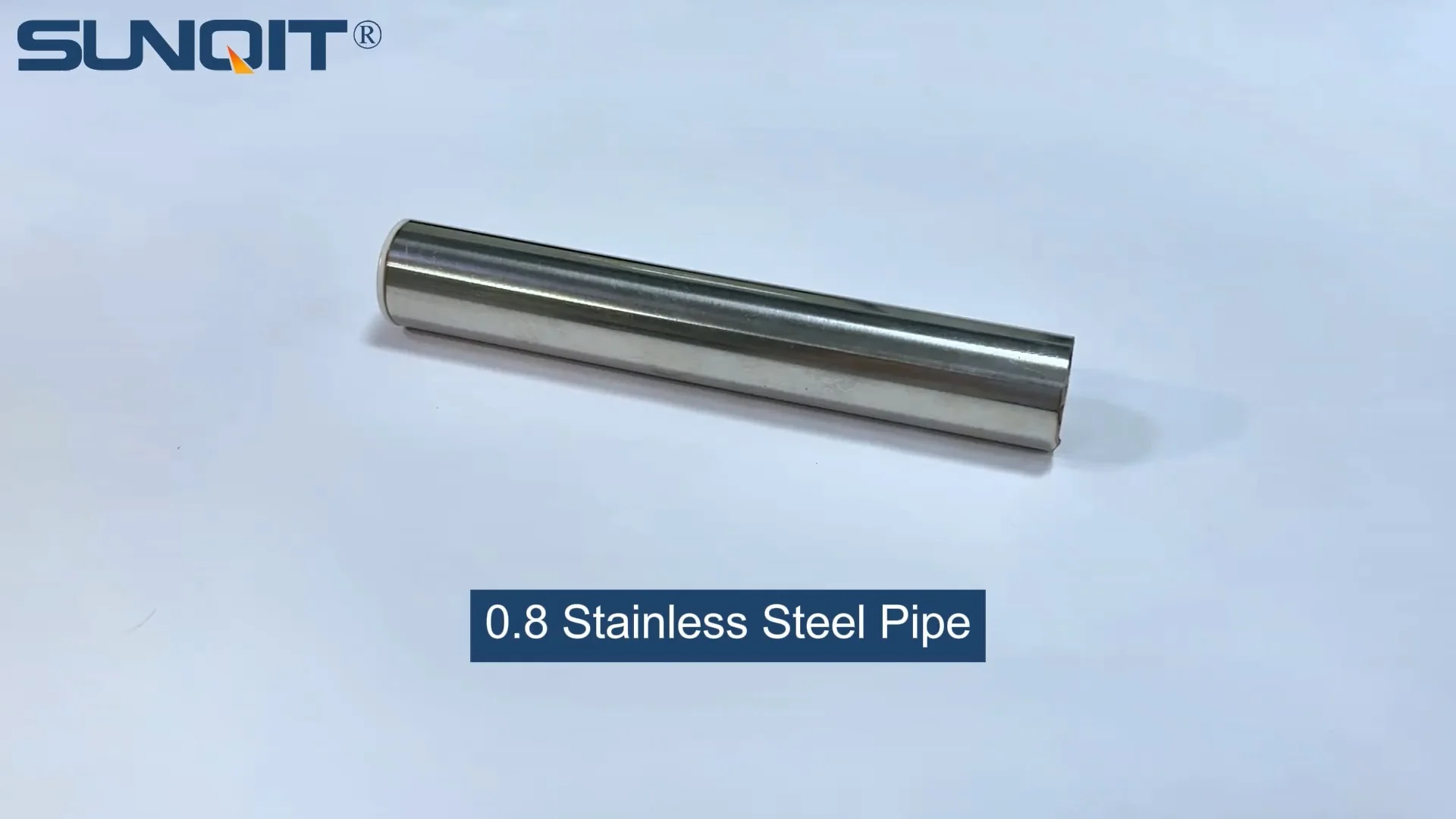
Walk into any modern factory today, and you'll notice a quiet revolution unfolding. The rigid, one-size-fits-all assembly lines of the past are giving way to something more dynamic: production lines that bend, reconfigure, and evolve with the speed of market demands. Whether it's a small electronics workshop churning out custom gadgets or a large automotive plant pivoting to new vehicle models, the need for flexibility has never been clearer. At the center of this shift lies an unsung hero: the 2.0mm stainless steel pipe. More than just a metal tube, it's the backbone that turns static workspaces into agile, responsive ecosystems. Let's explore why this unassuming component is redefining what "flexible production" really means.
What Makes a Production Line "Flexible"?
Flexibility in manufacturing isn't just about moving parts around—it's about building a system that can handle change without breaking a sweat. Think of it as a Lego set for adults: components that snap together, come apart, and reconfigure into new shapes as needed. But for that to work, every piece must be durable enough to withstand daily use, light enough to rearrange easily, and versatile enough to fit multiple roles.
At its core, a flexible production line relies on modularity. Instead of welding metal frames into fixed structures, manufacturers use pipes, joints, and connectors that can be disassembled and reassembled in hours, not weeks. This modularity cuts downtime, reduces waste, and lets teams adapt to new products or higher demand on the fly. But here's the catch: the materials holding these modules together matter just as much as the design. A flimsy pipe might save money upfront, but it'll bend under heavy tools or corrode in a dusty workshop, turning your "flexible" line into a costly headache. That's where 2.0mm stainless steel pipe steps in.
Meet the Workhorse: 2.0mm Stainless Steel Pipe
Let's start with the basics: what is 2.0mm stainless steel pipe, and why that specific thickness? Stainless steel, by definition, is an alloy containing at least 10.5% chromium, which forms a protective oxide layer on its surface—think of it as a built-in shield against rust and corrosion. Add in nickel or molybdenum, and you get even better resistance to chemicals, moisture, and wear. But the "2.0mm" part is where the magic happens. This thickness is a Goldilocks solution: thick enough to support heavy loads (like a workbench stacked with tools) but not so thick that it becomes cumbersome to move or adjust.
Compare it to thinner pipes, say 1.2mm or 1.5mm. Those might work for lightweight tasks, but attach a caster wheel and roll a loaded trolley over a bump, and you'll feel the flex—over time, that flex turns into warping. On the flip side, a 3.0mm pipe is strong, but it's also heavy. Try reconfiguring a production line with those, and your team will be exhausted before lunch. 2.0mm hits the sweet spot: it's rigid enough to keep a workbench stable during assembly, yet light enough that two people can carry a section without straining. It's the kind of balance that makes modularity feasible, not just a buzzword.
The manufacturing process of 2.0mm stainless steel pipe adds another layer of reliability. Most are made using a cold-drawing process, where the steel is pulled through a die to shape it, strengthening the metal's grain structure along the way. This makes the pipe not just strong, but consistent—no weak spots or uneven thickness that could fail under stress. For manufacturers, that consistency means fewer surprises. You can trust that a 2.0mm pipe will perform the same today as it does next year, even after being taken apart and reassembled a dozen times.

Integration with Lean Systems: Streamlining Efficiency
If flexible production lines are the body, lean systems are the brain. Lean manufacturing—rooted in principles like waste reduction, continuous flow, and employee empowerment—thrives on eliminating anything that doesn't add value. That includes unnecessary downtime, excess inventory, and rigid setups that can't adapt. So how does a simple pipe support such a complex philosophy? It all comes down to reconfigurability.
A lean system demands that workspaces evolve with processes. Maybe today, you need a straight roller track to move parts from Station A to Station B. Tomorrow, a new product might require a 90-degree turn, or an extra shelf on the workbench. With 2.0mm stainless steel pipe, those changes are trivial. Unlike welded metal or fixed concrete structures, which require cutting and rewelding (wasting time and materials), stainless steel pipe connects with simple joints—twist, pull, and reattach. It's lean in action: no waste, just progress.
Take a typical lean workbench, for example. Built with 2.0mm stainless steel pipes, it can be adjusted for height to fit workers of different sizes, shelves for tools, or even fitted with caster wheels to roll to where it's needed most. When the product line changes, the workbench doesn't get scrapped—it gets reborn. A quick swap of joints, a new roller track section, and suddenly it's supporting a whole new assembly process. That's the beauty of pairing stainless steel pipe with lean thinking: the material doesn't just enable flexibility; it becomes a tool for continuous improvement.

Building Blocks: Workbenches, Roller Tracks, and Caster Wheels
A production line is only as strong as its components, and 2.0mm stainless steel pipe plays well with others. Let's break down three key partners in flexibility: workbenches, roller tracks, and caster wheels.
Workbenches: The Heart of the Line
A workbench isn't just a table—it's where the magic happens. Whether it's assembling circuit boards or packing finished goods, stability is non-negotiable. 2.0mm stainless steel pipe provides that stability without the bulk. Imagine a workbench frame made from these pipes: four vertical legs, connected by horizontal supports at the top and bottom. The 2.0mm thickness ensures the legs don't wobble when someone leans on the bench, and the stainless steel resists dents from dropped tools. Add a wooden or metal top, and you've got a surface that can handle everything from soldering irons to heavy machinery parts.
But the real advantage is customization. Need a shelf halfway up for bins? Attach a few more pipes and a plywood board. Want to mount a tool rack on the side? Use a pipe clamp to secure it. When the team switches to a taller product, loosen the joints, raise the top, and retighten—done. No need to buy a new bench; just reimagine the old one.
Roller Tracks: Keeping the Flow Moving
In lean systems, stagnant materials are a form of waste. Roller tracks solve that by letting parts glide from one station to the next, minimizing manual lifting and speeding up production. And 2.0mm stainless steel pipe is the perfect frame for these tracks. The pipe's rigidity ensures the track stays straight, so parts don't get stuck or jammed. Plus, stainless steel's smooth surface pairs well with plastic or metal rollers, reducing friction and keeping the flow steady.
Picture this: a roller track spanning 10 meters, built from 2.0mm stainless steel pipes and fitted with swivel roller balls (1 inch, maybe, for larger parts). One end connects to a welding station, the other to packaging. As soon as a part is welded, it slides down the track to the next team—no waiting, no carrying, no wasted steps. If the production line needs to expand, just add another section of pipe and rollers. If it needs to shrink, disassemble the excess and store it for later. It's flow, simplified.
Caster Wheels: Mobility Without Compromise
Even the sturdiest workbench or roller track needs to move sometimes. That's where caster wheels come in. But attaching wheels to a heavy structure can feel like a trade-off: mobility often means sacrificing stability. Not with 2.0mm stainless steel pipe. The pipe's strength ensures that when you mount caster wheels to a workbench leg, the leg doesn't bend or snap under the weight. Lock the wheels, and the bench stays put; unlock them, and two people can roll it across the factory floor with ease.
Consider a scenario where a sudden rush order hits. The usual assembly area is full, but there's space near the shipping dock. With caster wheels, you can roll a workbench and roller track to the new spot, connect them to power and tools, and start production in minutes. No need for forklifts or heavy machinery—just a quick push. It's flexibility in motion, quite literally.
Stainless Steel vs. Aluminum Profile: Which Fits Your Line?
When it comes to modular production lines, aluminum profile is often mentioned alongside stainless steel pipe. Both are popular, but they serve different needs. Let's break down the key differences to help you decide which is right for your workspace.
| Feature | 2.0mm Stainless Steel Pipe | Aluminum Profile |
|---|---|---|
| Tensile Strength | Higher (≈500-700 MPa) – resists bending under heavy loads | Lower (≈200-300 MPa) – lighter but more prone to flexing |
| Corrosion Resistance | Excellent – ideal for humid, dusty, or chemical-exposed environments (e.g., food processing, automotive paint shops) | Good – but can corrode in saltwater or acidic conditions without additional coating |
| Weight per Meter | Heavier (≈2.4 kg/m for 20mm diameter) – provides a stable base for heavy workbenches | Lighter (≈1.2 kg/m for similar size) – easier to carry and reconfigure |
| Cost | Higher upfront cost – but lasts longer, reducing replacement expenses | Lower initial investment – but may need replacement sooner in high-wear areas |
| Best For | Heavy-duty workstations, roller tracks for large parts, long-term setups | Light assembly lines, temporary workspaces, environments where weight is critical |
The takeaway? Aluminum profile is great for lightweight, short-term projects, but 2.0mm stainless steel pipe is the better bet for durability and heavy use. It's an investment that pays off in fewer replacements, less downtime, and a production line that grows with your business.
Real-World Adaptability: Industries Thriving with Stainless Steel Pipes
Talk is cheap—let's look at how 2.0mm stainless steel pipe is making a difference in real factories.
Automotive Manufacturing: Heavy-Duty Reliability
Automotive plants are a masterclass in chaos and precision. Thousands of parts move through the line daily, from engine blocks to door handles, each requiring different handling. A leading auto parts supplier in Michigan recently reconfigured their transmission assembly line using 2.0mm stainless steel pipe. They replaced old, welded roller tracks with modular ones built from these pipes, fitted with 1-inch swivel roller balls. The result? Parts now glide smoothly from welding to inspection, and when a new transmission model was introduced, the team rearranged the tracks in a single shift—no contractors, no welding torches, just a few wrenches and a plan.
Electronics Assembly: Clean and Customizable
Electronics manufacturing demands cleanliness and precision. A smartphone factory in Vietnam needed workbenches that could adapt to different assembly steps—some requiring ESD (electrostatic discharge) protection, others needing extra lighting or tool holders. They chose 2.0mm stainless steel pipe for the frames, paired with ESD-safe table tops. When a new phone model with a larger screen came in, the workbenches were raised by 10cm to improve ergonomics, and side shelves were added to hold bigger component bins. The stainless steel resisted scratches from tools and wipes clean easily, keeping the line compliant with strict hygiene standards.
Small-Batch Food Production: Corrosion Resistance in Action
Food processing is tough on equipment. Moisture, cleaning chemicals, and constant sanitizing can destroy lesser materials. A family-owned salsa company in Texas learned this the hard way when their aluminum profile workbenches started pitting after six months. They switched to 2.0mm stainless steel pipe, and two years later, the benches still look new. The pipe's corrosion resistance stands up to daily hosing down, and the modular design lets them add or remove shelves seasonally—extra space for jars during summer canning, fewer shelves in winter when demand dips.
Future-Proofing Your Production: The Long-Term Value
In manufacturing, trends come and go, but durability and adaptability never go out of style. 2.0mm stainless steel pipe isn't just a solution for today—it's an investment in tomorrow. Here's why:
- Lower Total Cost of Ownership: Yes, stainless steel costs more upfront than aluminum or plastic. But factor in replacement costs, repairs, and downtime, and it often comes out cheaper. A 2.0mm stainless steel workbench might last 10+ years, while an aluminum one could need replacing in 3-5. Over time, that's a big savings.
- Scalability: As your business grows, so can your production line. Add more roller tracks, expand workbenches, or build new trolleys—all using the same pipes and joints you already have. No need to redesign from scratch.
- Sustainability: Stainless steel is 100% recyclable, and its long lifespan means less waste. When you finally do retire a section, the metal can be melted down and reused, reducing your environmental footprint.
Think of it like buying a good pair of boots. You could grab a cheap pair that wears out in a year, or invest in a durable pair that lasts a decade. The second option costs more now, but you'll save time, money, and frustration in the long run. 2.0mm stainless steel pipe is the work boot of production lines—tough, reliable, and ready for whatever the future throws at it.
The Backbone of Tomorrow's Factories
Flexible production lines aren't a luxury anymore—they're a necessity. In a world where customers want personalized products and markets shift overnight, the ability to adapt quickly is what separates thriving manufacturers from struggling ones. And at the heart of that adaptability is a material that's often overlooked: 2.0mm stainless steel pipe.
It's more than just metal. It's the foundation for lean systems that eliminate waste, the frame for workbenches that grow with your team, the track that keeps materials flowing, and the mobility that lets your line move where it's needed most. It balances strength and flexibility, durability and adaptability, in a way that few other materials can.
So the next time you walk through a factory, take a closer look at the pipes holding it all together. Chances are, if it's flexible, efficient, and built to last, it's 2.0mm stainless steel. And that's not by accident—it's the backbone of the future of manufacturing.