- Company Articles
- Products and Technology
- Product knowledge
- Flexible vs Rigid Aluminum Profile Rubber Strips: Choosing Based on Application

Flexible vs Rigid Aluminum Profile Rubber Strips: Choosing Based on Application
Related Product
Aluminum Profile Rubber Strip
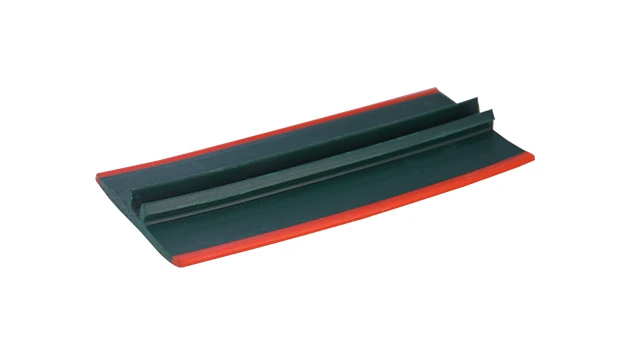
The tread strip fits into a T-slot channel and provides an anti-slip ribbed surface. It has a key pad that presses into a T-slot and is commonly used for adding traction on steps or as padding for doors. Tread strip can be ordered by rolls. The high quali
Walk into any modern factory, workshop, or even a well-organized garage, and you'll likely spot aluminum extrusion profiles hard at work. These versatile structures form the backbone of everything from assembly line workbenches and material racks to conveyor systems and machine guards. But what often goes unnoticed—yet plays a critical role in their performance—is the rubber strip. Whether tucked into the T-slots of an aluminum profile or lining the edges of a workstation, these strips are the unsung heroes that enhance safety, functionality, and durability. The catch? Not all rubber strips are created equal. When it comes to aluminum profiles, the choice between flexible and rigid rubber strips can mean the difference between a smooth, long-lasting setup and one that fails to meet your needs. In this guide, we'll dive deep into the world of these essential aluminum profile accessories, exploring their unique traits, best-use scenarios, and how to pick the right one for your project.
Understanding Aluminum Profile Rubber Strips: More Than Just "Strips"
Before we compare flexible and rigid options, let's clarify what we're talking about. Aluminum extrusion profiles, with their signature T-slots and modular design, rely on accessories to unlock their full potential. Rubber strips are one such accessory, designed to fit into these slots or along profile edges. Their primary jobs? Sealing gaps, dampening vibrations, protecting surfaces (and hands!) from sharp edges, reducing noise, and even guiding materials along a track. But depending on the application, the "how" of these jobs varies drastically. A conveyor belt moving delicate electronics needs a strip that can absorb shocks, while a static workbench edge might prioritize rigidity to withstand heavy tool impacts. That's where flexibility and rigidity come into play.
Flexible Aluminum Profile Rubber Strips: The Adaptable Workhorses
What Are Flexible Rubber Strips?
Flexible rubber strips are exactly what their name suggests: pliable, bendable, and designed to conform to shapes or movements. They're typically made from softer, more elastic materials like EPDM (ethylene propylene diene monomer), silicone, or TPE (thermoplastic elastomer). Think of them as the "spongy" option—press down on one, and it compresses; bend it, and it springs back. This flexibility makes them ideal for scenarios where there's motion, irregular surfaces, or a need for a tight seal.
Key Characteristics of Flexible Strips
- Material Matters: EPDM is a popular choice for outdoor or high-temperature applications (it handles -40°C to 150°C) and offers excellent weather resistance. Silicone, meanwhile, excels in extreme heat (up to 200°C) and is non-toxic, making it perfect for food-grade environments. TPE blends the best of rubber and plastic, offering flexibility with easy processing, often used in consumer goods or light industrial setups.
- Durometer (Hardness): Measured on the Shore A scale, flexible strips typically range from 30A to 70A. For context, a pencil eraser is around 40A, while a car tire tread is about 70A. This low-to-mid range hardness is what gives them their bendy nature.
- Compressibility: They can compress by 30-50% of their original thickness under pressure, then return to shape. This makes them great for sealing gaps that might vary slightly in size, like between two misaligned aluminum profiles.
- Surface Finish: Often smooth or slightly textured, with options for adhesive backing for easy installation. Some even come with ridges or channels to enhance grip or drainage.
When to Use Flexible Rubber Strips
Flexible strips shine in dynamic or variable environments. Here are some common scenarios where they're the go-to choice:
1. Conveyor Systems and Material Handling: Imagine a roller track moving boxes from one station to another. As boxes jostle or hit the edges of the aluminum guide rail A, a flexible strip absorbs the impact, preventing scratches on both the box and the profile. Similarly, in gravity-fed flow racks, where items slide down inclines, flexible strips reduce noise and prevent jamming by cushioning the descent.
2. Sealing and Weatherproofing: Outdoor enclosures or machine covers made from aluminum profiles need to keep out dust, rain, or debris. Flexible strips conform to the profile's shape, creating a tight seal that rigid strips—with their fixed shape—might miss. For example, a solar panel frame built with aluminum extrusion profiles uses EPDM flexible strips to seal against moisture, ensuring the electronics inside stay dry.
3. Vibration Dampening: Industrial machinery vibrates, and over time, that vibration can loosen fasteners or damage sensitive components mounted on aluminum workbenches. Flexible strips act as shock absorbers, reducing the transfer of vibrations from the machine to the profile. A good example is a 3D printer enclosure: the printer's motor vibrations are dampened by flexible strips lining the aluminum frame, resulting in smoother prints.
4. Safety and Ergonomics: Sharp edges on aluminum profiles are a hazard, especially in high-traffic areas like assembly lines. Flexible strips with a rounded top edge create a soft, padded barrier that's gentle on hands. They're also used on workbench edges where operators lean or rest their arms for extended periods—no more sore elbows from hard metal!
Pros and Cons of Flexible Strips
Pros:
- Adaptable to irregular surfaces or movement.
- Excellent for sealing, noise reduction, and shock absorption.
- Wide material options for specialized environments (food-grade, high temp, etc.).
- Easy to install, often with peel-and-stick adhesive.
Cons:
- Less structural support—they can't bear heavy loads without deforming.
- May degrade faster under constant compression (e.g., a heavy object sitting on them 24/7).
- Lower resistance to abrasion compared to rigid strips; not ideal for high-wear areas like floor-level profiles where carts roll over them repeatedly.

Rigid Aluminum Profile Rubber Strips: The Sturdy Guardians
What Are Rigid Rubber Strips?
If flexible strips are the "sponges," rigid rubber strips are the "bricks." Made from denser, stiffer materials like neoprene, nitrile, or even hard rubber blends, they maintain their shape under pressure and resist bending. Unlike their flexible counterparts, they're designed for stability and durability in static or high-wear applications. You'll often find them in T-slots that need to support tools, or along edges that take constant abuse.
Key Characteristics of Rigid Rubber Strips
- Material Matters: Neoprene is a go-to for oil and chemical resistance, making it common in automotive or machinery settings. Nitrile (Buna-N) handles oils and fuels even better, often used in factories with hydraulic equipment. Hard rubber (e.g., EPDM with fillers) offers high tensile strength and wear resistance, ideal for heavy-duty industrial use.
- Durometer (Hardness): Rigid strips typically range from 70A to 90A on the Shore A scale, or even higher (some approach Shore D, which is more like plastic). At 90A, they're as hard as a shoe sole, offering minimal give.
- Low Compressibility: They compress less than 20% under load, retaining their shape. This makes them reliable for applications where consistent spacing or support is critical.
- Rigid Core Options: Some rigid strips have a metal or plastic core (like aluminum or fiberglass) embedded within the rubber, adding extra strength. These are often used in structural applications, like reinforcing the edges of a heavy-duty workbench.
When to Use Rigid Rubber Strips
Rigid strips are built for stability and longevity in tough conditions. Here's where they excel:
1. Heavy-Duty Workbenches and Assembly Stations: A workbench used for hammering, welding, or mounting heavy tools needs edges that won't dent or deform. Rigid strips line the perimeter, absorbing impacts without losing their shape. For example, a mechanic's workstation built with aluminum extrusion profiles uses rigid nitrile strips to protect the edges from dropped wrenches or metal parts.
2. Static Material Racks and Storage: Material rack B (a common industrial setup with 3 rows and 3 floors, as referenced in our keyword list) holds heavy boxes or components. The edges of each shelf, made from aluminum profiles, benefit from rigid strips that prevent the stored items from cutting into the profile or sliding off. Rigid strips here act as a "stop"—their fixed shape ensures items stay in place, even if the rack is jostled.
3. High-Wear Surfaces: Areas where foot traffic, carts, or machinery constantly rub against the aluminum profile. For instance, the base of a production line workbench where workers stand for hours—rigid strips resist wear from shoes, unlike flexible ones that would quickly flatten or tear. Similarly, in warehouses, aluminum guide rail B (used for guiding pallet jacks) uses rigid strips to withstand the constant friction of wheels rolling over them.
4. Structural Reinforcement: Sometimes, aluminum profiles need a little extra rigidity themselves. Rigid strips inserted into T-slots can add stiffness to long spans, preventing the profile from bowing under its own weight or the weight of mounted equipment. A good example is a overhead track for hanging tools—rigid strips in the track's T-slots reinforce it, ensuring it doesn't sag over time.
Pros and Cons of Rigid Rubber Strips
Pros:
- Exceptional durability and wear resistance—they outlast flexible strips in high-traffic areas.
- Structural support: can bear heavy loads or reinforce profiles.
- Stable and consistent performance in static applications.
- Resistant to oils, chemicals, and extreme temperatures (depending on material).
Cons:
- Lack of flexibility: can't conform to irregular gaps or absorb impacts from movement.
- Harder to install in tight or curved spaces—they may need trimming or custom cutting.
- Noisy: without the cushioning of flexible strips, they can amplify vibrations or impacts (e.g., a metal part dropping on a rigid strip will make a louder "clang" than on a flexible one).

Flexible vs. Rigid: A Side-by-Side Comparison
| Feature | Flexible Rubber Strips | Rigid Rubber Strips |
|---|---|---|
| Primary Materials | EPDM, silicone, TPE | Neoprene, nitrile, hard rubber blends (may include metal/plastic cores) |
| Durometer Range | 30A – 70A (soft to medium-soft) | 70A – 90A+ (medium-hard to hard; some approach Shore D) |
| Compressibility | 30-50% compression under load | <20% compression under load |
| Best For | Dynamic environments (conveyors, vibrating machinery), sealing, noise reduction, shock absorption | Static, high-wear environments (heavy workbenches, material racks), structural support, impact resistance |
| Weather Resistance | Excellent (especially EPDM and silicone) | Good (neoprene/nitrile handle oils/chemicals; may vary by material) |
| Installation Ease | Easy; often adhesive-backed, bends to fit curves | Moderate; may require cutting, less forgiving of misalignment |
| Noise Reduction | High (cushions impacts, absorbs vibrations) | Low (transmits vibrations, hard surface causes louder impacts) |
| Cost | Generally lower (except specialty materials like silicone) | Higher (especially with metal cores or chemical-resistant materials) |
How to Choose: 5 Key Factors to Consider
Now that you understand the differences, how do you decide which strip is right for your project? Here are five critical questions to ask:
1. Is the Application Static or Dynamic?
Static applications (e.g., a fixed workbench, stationary material rack) benefit from rigid strips for stability and wear resistance. Dynamic applications (e.g., moving conveyor, vibrating machine) need flexible strips to absorb motion and prevent damage.
2. What Load or Impact Will the Strip Face?
If the strip will bear heavy weights (e.g., tools on a workbench edge) or take hard impacts (e.g., dropped parts), go rigid. If it's more about cushioning light impacts or sealing gaps, flexible is better.
3. What's the Environment Like?
Outdoor or wet areas need weather-resistant flexible strips (EPDM). Factories with oils or chemicals may prefer rigid nitrile. Food-grade settings might require flexible silicone. High-heat environments (e.g., near ovens) could use either, but check the material's temperature rating—silicone (flexible) handles up to 200°C, while neoprene (rigid) tops out around 120°C.
4. Is Noise a Concern?
If reducing noise is important (e.g., a busy assembly line), flexible strips are the clear winner. Rigid strips, with their hard surfaces, will amplify sounds like metal-on-metal contact.
5. How Much Space Do You Have for Installation?
Flexible strips bend and conform, making them easy to install in tight or curved T-slots. Rigid strips need precise cutting and alignment—if your aluminum profile has odd angles or uneven T-slots, rigid may not fit well without custom work.
Installation Tips for Both Types
No matter which strip you choose, proper installation ensures it performs as expected. Here are some best practices:
For Flexible Strips:
- Clean the Surface: Adhesive-backed strips rely on a clean, dry T-slot or profile edge. Wipe with rubbing alcohol to remove dust, oil, or debris before applying.
- Measure Twice, Cut Once: Flexible strips are easy to cut with scissors or a utility knife, but take time to measure the profile length first to avoid waste.
- Apply Even Pressure: After peeling the adhesive backing, press the strip firmly along its length, working from one end to the other to avoid air bubbles. A roller (like a paint roller) helps ensure full contact.
For Rigid Strips:
- Use a Miter Saw for Clean Cuts: Rigid strips (especially those with metal cores) need straight, precise cuts. A miter saw with a fine-tooth blade prevents fraying or cracking.
- Secure with Fasteners if Needed: Adhesive may not be enough for heavy-duty rigid strips. Use T-slot bolts or clips (common aluminum profile accessories) to anchor them in place, especially if they'll bear loads.
- Check Alignment: Since rigid strips don't bend, ensure the profile is straight and the T-slot is clean before installation. A misaligned strip may pop out or wear unevenly.
Maintenance: Keeping Your Rubber Strips in Top Shape
Like any component, rubber strips need a little care to last. Here's how to maintain both types:
Flexible Strips: Inspect monthly for signs of wear, like cracks, tears, or loss of adhesion. Clean with mild soap and water to remove dirt that can degrade the material over time. If they're used outdoors, check for UV damage (brittleness or discoloration)—replace every 3-5 years in direct sunlight, depending on the material (silicone lasts longer than EPDM here).
Rigid Strips: Inspect quarterly for loose fasteners or core exposure (if they have a metal core). Clean with a stiff brush to remove debris that can cause abrasion. For chemical-resistant strips (like nitrile), wipe away oil or solvent spills immediately to prevent swelling. They typically last 5-10 years in indoor industrial settings, longer if not exposed to heavy impacts.
Case Study: When the Wrong Strip Caused Headaches (and How to Avoid It)
To illustrate the importance of choosing right, let's look at a real-world example. A small electronics manufacturer recently upgraded their assembly line with new aluminum extrusion profile workbenches and flow racks. To save costs, they used leftover rigid rubber strips on their conveyor roller tracks, assuming "sturdier is better." Within weeks, they noticed two issues: first, the rigid strips amplified the noise of circuit boards sliding down the rollers, making the workspace uncomfortably loud. Second, the strips didn't absorb vibrations from the conveyor motor, causing some delicate components to shift during transport, leading to defects.
After consulting with their aluminum profile supplier, they switched to flexible silicone strips. The result? Noise dropped by 40%, and component defects decreased by 25%. The lesson? Even a small choice like rubber strips can have a big impact on productivity and quality.
Conclusion: Matching Strip to Application for Success
Aluminum extrusion profiles are celebrated for their versatility, but their performance hinges on the details—like the rubber strips you choose. Flexible strips bring adaptability, cushioning, and sealing to dynamic, variable environments, while rigid strips offer stability, durability, and strength to static, high-wear setups. By considering factors like movement, load, environment, and noise, you can select the strip that turns a good aluminum profile setup into a great one.
Remember, there's no "better" option—only the right one for your needs. Whether you're building a conveyor system with aluminum guide rail A, a heavy-duty workbench, or a weatherproof outdoor enclosure, take the time to evaluate your application, and let the strip's flexibility (or rigidity) work for you. After all, in the world of aluminum profiles, it's the little things—the rubber strips—that make the biggest difference.