- Company Articles
- Products and Technology
- Product knowledge
- Floor Scratch Prevention: Flat Swivel Castor Wheel with Brake for Polished Concrete Floors

Floor Scratch Prevention: Flat Swivel Castor Wheel with Brake for Polished Concrete Floors
Related Product
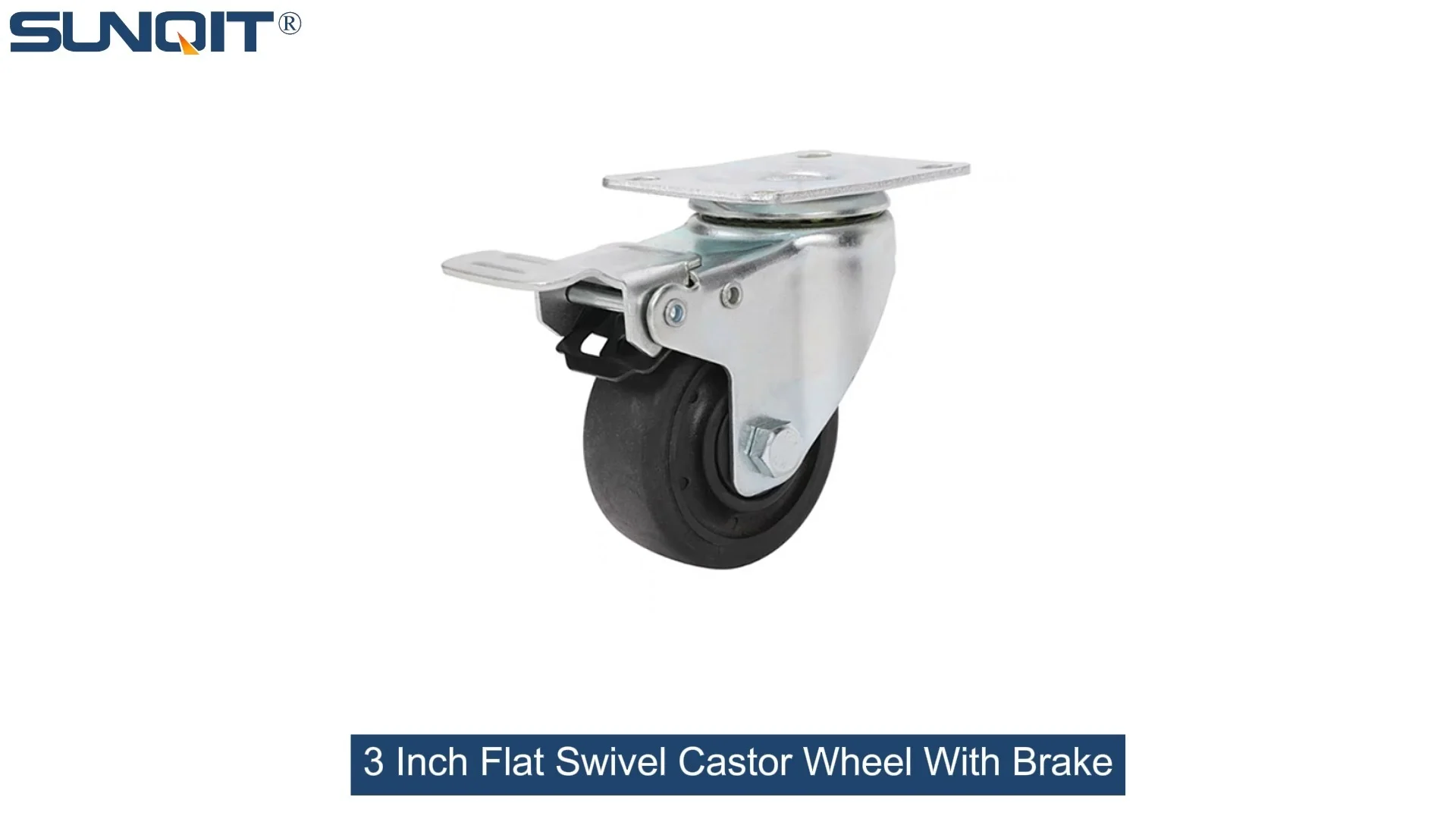
Flat Swivel Castor Wheel With Brake
Chair Casters Ball Bearing Wheels Rubber Base with brake design. Resistant to abrasion, impact and corrosion. Heavy payload can hold 70Kgs per pcs,which can make it works at a stable and smooth status.
Polished concrete floors have become the unsung heroes of modern workspaces. Walk into any warehouse, workshop, or even trendy retail store, and you'll likely be greeted by their sleek, reflective surfaces—hardwearing, easy to clean, and effortlessly professional. But here's the catch: those same floors that look so impressive can be surprisingly delicate, especially when it comes to scratches. And if you've ever managed a space with polished concrete, you know the frustration of spotting those first thin, silvery marks marring an otherwise perfect floor. More often than not, the culprit? The very equipment that keeps your operations moving: castor wheels.
In this article, we're diving into the world of floor protection, focusing on a game-changing solution: the flat swivel castor wheel with brake. We'll explore why polished concrete floors scratch so easily, how standard caster wheels contribute to the problem, and why this specific castor design might just be the answer to keeping your floors looking brand-new for years. Whether you're running a busy warehouse with turnover trolleys zipping around or managing a workshop with workbenches that need to shift position, this is one piece of equipment you can't afford to overlook.
The Scratch Dilemma: Why Polished Concrete Floors Are So Vulnerable
First, let's talk about why polished concrete is both a blessing and a curse. Unlike rough concrete floors of the past, polished concrete undergoes a multi-step process: grinding, honing, and sealing to create that smooth, glossy finish. This not only enhances its appearance but also makes it more resistant to stains and wear—so why the scratches? The answer lies in its smoothness. A polished surface leaves little room for error: even tiny debris, like a loose screw or a grain of sand, can act like sandpaper when trapped under a moving wheel. Add to that the weight of equipment (think loaded workbenches or heavy turnover racks), and you've got a recipe for surface damage.
Consider a typical scenario: a warehouse using standard caster wheels on their material carts. The wheels, often made of hard plastic or metal, roll over the floor, and if they pick up a small stone or metal shard, that debris gets pressed into the floor as the cart moves. Over time, these micro-abrasions turn into visible scratches. Worse, once a scratch starts, it can collect dirt, making it harder to clean and more noticeable. For businesses that pride themselves on a clean, professional environment—or those that have invested heavily in polished floors—this isn't just a cosmetic issue; it's a maintenance headache and a potential cost sink. Resurfacing polished concrete isn't cheap, and frequent repairs can eat into your budget faster than you might think.
The Usual Suspects: How Standard Caster Wheels Make the Problem Worse
Not all caster wheels are created equal, and many standard designs are inadvertently scratch magnets. Let's break down the most common issues:
- Rounded Treads: Most standard caster wheels have rounded or curved treads. While this design is great for maneuverability, it concentrates the weight of the equipment onto a smaller area of the floor. More pressure per square inch means even tiny debris can dig into the concrete, leaving marks.
- Hard Materials: Metal or rigid plastic wheels might seem durable, but they're unforgiving on soft surfaces (and yes, polished concrete is softer than you think). A metal wheel with a nick or burr? That's a scratch waiting to happen.
- Poor Brake Design: Casters without reliable brakes or with flimsy brake mechanisms can cause equipment to slide or shift unexpectedly. Even a small slide can drag debris across the floor, creating long, unsightly scratches.
- Lack of Shock Absorption: Rough handling or uneven floors can cause standard wheels to bounce slightly, leading to intermittent pressure spikes that chip or scratch the surface.
I spoke with Mark, a warehouse manager in Chicago, who summed up the frustration: "We installed polished concrete three years ago, and within six months, the floors were covered in scratches from our turnover trolleys. We tried switching to plastic caster wheels, but they wore down quickly, and the problem came back. It felt like we were stuck between replacing wheels every few months or resurfacing the floors annually—neither was a good option."
The Solution: Flat Swivel Castor Wheel with Brake—Designed to Protect
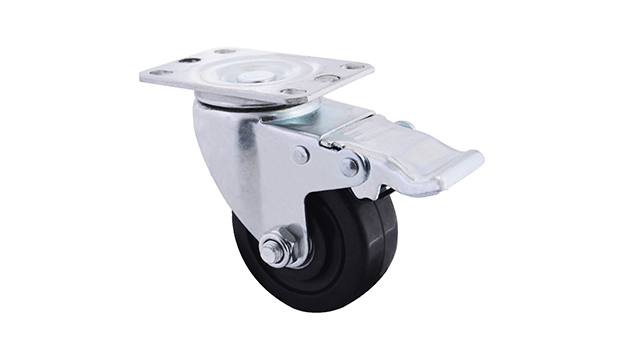
Enter the flat swivel castor wheel with brake. This isn't just a minor upgrade to standard caster wheels; it's a redesign focused specifically on floor protection. Let's start with the basics: what makes this castor different?
At first glance, the most noticeable feature is the flat tread . Unlike the rounded wheels you're used to, these castors have a wide, flat surface that makes contact with the floor. Think of it like the difference between walking in high heels (which concentrate weight) and sneakers (which distribute it). That wider contact area spreads the weight of your equipment across more of the floor, reducing pressure per square inch and minimizing the risk of debris being pressed into the surface.
But the flat tread is just the beginning. These castors also typically use softer, more flexible materials—like high-quality polyurethane—instead of hard plastic or metal. Polyurethane has a slight "give" to it, which acts as a buffer between the wheel and the floor. It's tough enough to handle heavy loads (we're talking up to 500 pounds per castor in some models) but gentle enough to glide over polished concrete without leaving a trace. And the brake? It's not just an afterthought. A good flat swivel castor with brake locks both the wheel and the swivel mechanism, ensuring your equipment stays exactly where you put it—no sliding, no shifting, and no accidental scratches from unexpected movement.

Key Features: What Makes This Castor a Cut Above
Let's dive deeper into the features that set the flat swivel castor wheel with brake apart from the competition. These details might seem small, but they add up to big results when it comes to floor protection.
1. Flat, Wide Tread Design
The flat tread isn't just about looks—it's engineered for performance. Most models have a tread width of 2–3 inches, which is significantly wider than standard caster wheels (which often measure 1–1.5 inches). That extra width means more contact with the floor, which:
- Reduces pressure points that cause scratches
- Improves stability, especially when moving tall or top-heavy equipment like racks
- Distributes weight evenly, even on slightly uneven floors
2. High-Quality Polyurethane Tread
Polyurethane is the material of choice here, and for good reason. It's:
- Non-marking: Unlike some rubbers or plastics, polyurethane won't leave black scuff marks on your floors, even when under heavy load.
- Resistant to wear and tear: It holds up well against oils, chemicals, and daily use—important in industrial settings where spills are common.
- Shock-absorbent: That slight flexibility we mentioned earlier? It helps absorb bumps and vibrations, reducing the risk of "bouncing" that can scratch floors.
3. Dual-Lock Brake Mechanism
A brake that only stops the wheel is better than nothing, but it's not enough. The best flat swivel castors with brakes lock two things: the wheel's rotation and the swivel joint. Why does that matter? Imagine a workbench with a wheel lock but a loose swivel—if someone bumps it, the whole bench could still pivot, dragging the locked wheel across the floor and scratching it. A dual-lock brake prevents that by keeping the castor completely stationary, even under pressure.
4. Heavy-Duty Construction
These castors aren't lightweight. They're built with strong steel frames and reinforced joints to handle the demands of industrial environments. Whether you're using them on a loaded turnover trolley or a heavy workbench, they won't bend, warp, or fail under stress—meaning you won't have to replace them every few months (unlike cheaper plastic castors).

The Benefits: More Than Just Scratch Prevention
Sure, preventing scratches is the star benefit, but the flat swivel castor wheel with brake brings more to the table. Let's break down how it can improve your daily operations:
1. Saves Money on Floor Repairs
This is the big one. Polished concrete resurfacing can cost anywhere from $3 to $10 per square foot, depending on the damage. For a 10,000-square-foot warehouse, that's $30,000 to $100,000 every time you need to fix scratches. Investing in quality castors upfront is a fraction of that cost—and it pays off over time.
2. Improves Safety
A dual-lock brake doesn't just protect floors; it protects your team. Equipment that stays put reduces the risk of accidents—no more trolleys rolling into walkways or workbenches shifting during use. Plus, the stable, flat tread design makes equipment easier to maneuver, reducing strain on employees pushing heavy loads.
3. Enhances Equipment Longevity
When your castors are durable and stable, your equipment lasts longer, too. Shifting or bouncing equipment can loosen bolts, damage frames, or wear out parts prematurely. With flat swivel castors, everything stays steady, extending the life of your workbenches, trolleys, and racks.
4. Boosts Aesthetics (and Morale)
It's subtle, but a scratch-free floor makes a difference. Employees notice when their workspace is well-maintained—it shows that the company cares about details, which can boost morale. And for customer-facing spaces (like retail backrooms or workshop showrooms), a clean, shiny floor leaves a better impression than one covered in marks.
How It Works: Putting the Flat Swivel Castor to the Test
To really understand the impact, let's walk through a real-world example. Sarah runs a small electronics assembly workshop with three workbenches and a handful of turnover trolleys. Her floors are polished concrete, and she'd been dealing with scratches for years. "I tried everything—felt pads on the wheels, switching to rubber casters—but nothing worked," she told me. "Then I found these flat swivel castors with brakes and decided to test them on one workbench."
Three months later, Sarah checked the floors: "The workbench with the new castors? No scratches. The others? Still getting new marks every week. I replaced all the castors the next day." What changed? The flat tread distributed the workbench's weight (about 300 pounds with tools and parts) so evenly that even when a small screw got caught in the wheel, it didn't press into the floor. The polyurethane tread also glided smoothly, so pushing the workbench into place didn't require force—meaning less risk of sudden jerks that cause scratches.
The brake was another game-changer. "Before, if I left the workbench unlocked, it would slowly drift across the floor overnight, leaving a trail of marks," Sarah said. "Now, I lock the brakes, and it doesn't move an inch. It's one less thing to worry about."
Applications: Where These Castors Shine
Flat swivel castor wheels with brakes aren't just for workbenches—they're versatile enough to improve almost any mobile equipment in your facility. Here are some of the most common uses:
Workbenches
Whether it's a single-deck workbench (like the "Workbench E (single deck-without caster)" model you might find in catalogs) or a heavy-duty workstation with multiple shelves, adding these castors turns a stationary bench into a mobile one—without sacrificing floor protection. Perfect for workshops where layouts change frequently or for moving tools closer to projects.
Turnover Trolleys and Racks
Turnover trolleys and racks (think "Material Rack B (3 row and floor)" or similar) are workhorses in warehouses, moving parts, inventory, and finished goods. They're often loaded to capacity, making them prime scratch culprits. Flat swivel castors with brakes keep them moving smoothly and safely, even when fully loaded.
Mobile Storage Units
From tool cabinets to parts bins, mobile storage needs to be both easy to move and stable when parked. These castors ensure your storage units glide into place and stay there, protecting floors and keeping your space organized.
Assembly Lines
In manufacturing, assembly line stations often need to adjust for different products. Flat swivel castors with brakes let you reposition stations quickly without worrying about scratching the floors or compromising stability during production.
Castor Showdown: How Flat Swivel Castors Compare
Still not convinced these castors are right for you? Let's compare them to other common caster types side by side. The table below breaks down key factors like floor protection, durability, and cost:
| Caster Type | Material | Floor Protection | Brake Quality | Durability | Best For |
|---|---|---|---|---|---|
| Standard Plastic Caster Wheel | Hard plastic | Poor—high risk of scratches and scuffs | Basic wheel lock (no swivel lock) | Low—wears quickly under heavy loads | Light-duty, non-critical equipment (e.g., small carts) |
| Metal Caster Wheel | Steel or iron | Very poor—metal edges scratch floors easily | Sturdy, but no floor protection | High, but damaging to floors | Rough surfaces (e.g., gravel yards), not polished concrete |
| Rubber Caster Wheel | Natural or synthetic rubber | Fair—better than plastic but prone to marking | Basic to moderate (some have swivel locks) | Moderate—can crack or harden over time | Indoor use with low-to-medium loads |
| Flat Swivel Castor Wheel with Brake | Polyurethane tread, steel frame | Excellent—flat tread and soft material prevent scratches | Dual-lock (wheel + swivel) for maximum stability | Very high—built for heavy loads and daily use | Polished concrete floors, heavy equipment (workbenches, trolleys, racks) |
As you can see, flat swivel castors with brakes outperform other types when it comes to floor protection—especially on polished concrete. They're a bit more of an investment upfront, but their durability and scratch-preventing power make them the most cost-effective choice in the long run.
Choosing the Right Castor: What to Look For
Not all flat swivel castors with brakes are created equal. To make sure you're getting a quality product, keep these factors in mind:
Load Capacity
Check the maximum weight each castor can handle. If you're using them on a workbench that holds 600 pounds, you'll need castors rated for at least 150 pounds each (since most equipment uses four castors). It's better to overestimate than underestimate—overloading castors can damage both the wheel and your floor.
Tread Width
Wider treads mean better weight distribution. Look for castors with a tread width of at least 2 inches for most applications. Heavier equipment may need wider treads (3 inches or more).
Brake Quality
Always opt for dual-lock brakes (wheel + swivel). Test the brake lever to make sure it's easy to engage and disengage—you don't want a brake that requires excessive force, as employees may skip using it.
Material Compatibility
While polyurethane works well for most polished concrete floors, consider your environment. If you work with oils, chemicals, or extreme temperatures, look for castors with chemical-resistant or heat-resistant polyurethane.
Caster Accessories
Don't forget about replacement parts! Over time, you may need new brake pads, bearings, or even entire treads. Choose a supplier that offers caster accessories like replacement polyurethane treads or brake components—this makes maintenance easier and extends the life of your castors.
Maintenance Tips: Keeping Your Castors in Top Shape
Even the best castors need a little care to keep performing. Here's how to maintain your flat swivel castors with brakes:
- Clean the wheels regularly: Wipe away dirt, debris, and oil from the treads and brakes. Built-up grime can affect the brake's performance or cause the wheel to drag.
- Lubricate the swivel joint: Every few months, apply a small amount of lubricant (like silicone spray) to the swivel joint to keep it moving smoothly.
- Check the brakes: Test the brake lever weekly to ensure it locks and releases properly. Tighten any loose bolts or replace worn brake pads as needed.
- Inspect for wear: Look for cracks, chunks missing from the polyurethane tread, or bent frames. replace castors at the first sign of serious wear—don't wait for them to fail.
Final Thoughts: Protect Your Floors, Protect Your Investment
Polished concrete floors are an investment in your workspace—they're durable, attractive, and built to last. But that investment is only as good as the care you put into protecting it. Standard caster wheels might seem like a small detail, but they can undo all that hard work (and money) in no time.
Flat swivel castor wheels with brakes offer a simple, effective solution. They're designed to protect your floors from scratches, keep your equipment stable and safe, and save you money on repairs in the long run. Whether you're outfitting a single workbench or an entire warehouse of turnover trolleys, these castors are worth every penny.
So, the next time you spot a scratch on your polished concrete floor, don't just sigh and reach for the floor cleaner—ask yourself: What kind of castors am I using? Making the switch to flat swivel castors with brakes might be the easiest way to keep your floors looking their best for years to come.