- Company Articles
- Products and Technology
- Product knowledge
- Flow Racks: 2.0mm Stainless Steel Pipe for Smooth Material Handling

Flow Racks: 2.0mm Stainless Steel Pipe for Smooth Material Handling
Related Product
2.0mm Stainless Steel Pipe
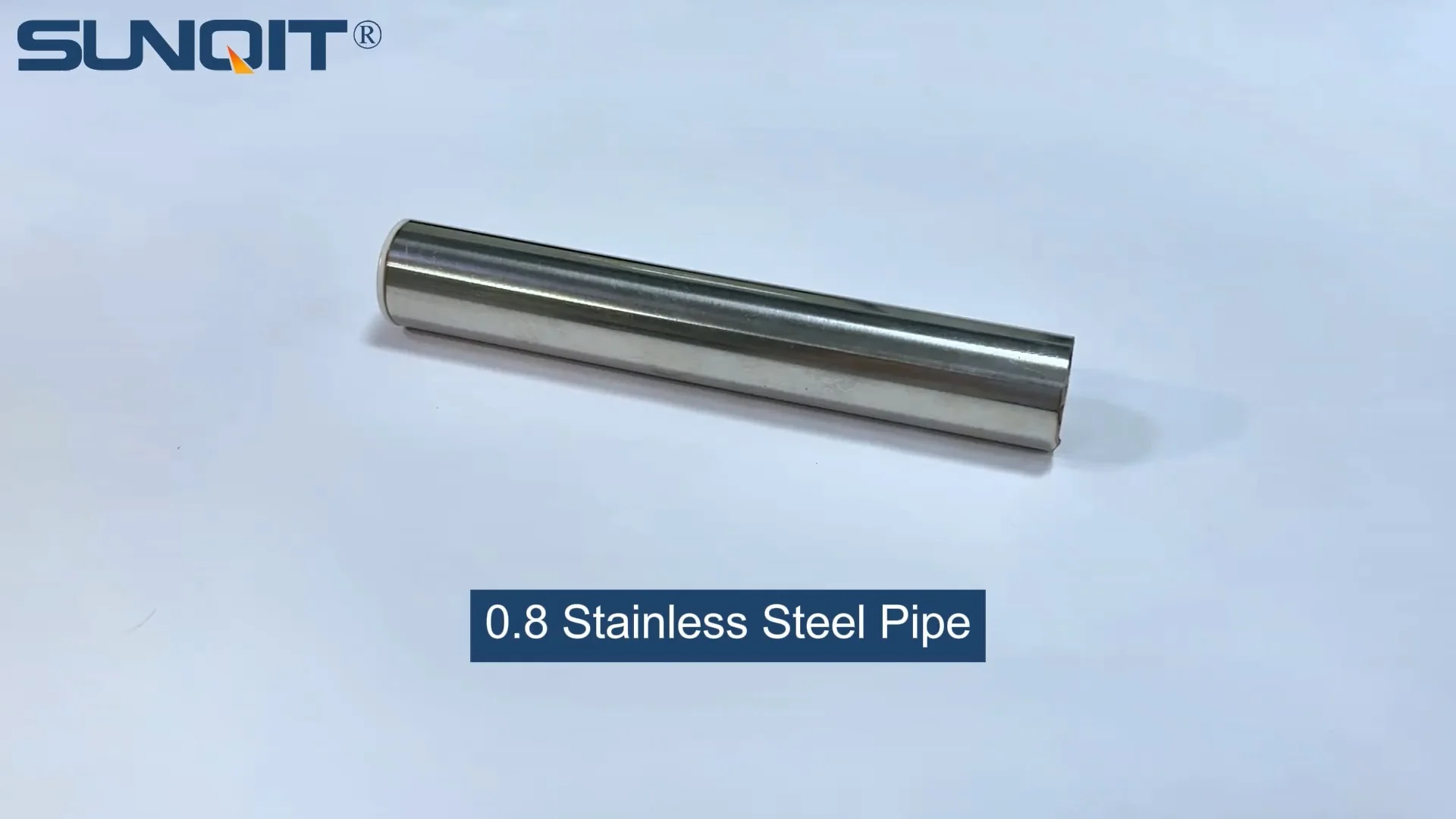
Stainless steel pipe, lean pipe, diameter is 28mm, material is SS201 or SS304, SS201 is normally used in the market. It knows a KARAKURI, KAIZEN material for industrial plant to improve efficiency, save labor cost, standard management.
Walk into any busy warehouse, manufacturing plant, or distribution center, and you'll quickly notice a silent battle unfolding: the struggle to move materials efficiently. Pallets pile up, workers weave through cluttered aisles, and valuable time slips away as components take too long to reach their next stop. In this chaos, one tool stands out as a quiet revolutionizer: the flow rack. But not just any flow rack—those built with 2.0mm stainless steel pipe from a reliable lean system supplier are changing the game, turning bottlenecks into streamlined workflows. Today, we're diving deep into why these racks matter, how their stainless steel backbone makes all the difference, and the key components that keep materials gliding from point A to point B without a hitch.
What Are Flow Racks, and Why Do They Matter?
At their core, flow racks are gravity-fed storage systems designed to keep materials moving. Imagine (oops, scratch that—picture) a series of inclined shelves where products slide forward as items are removed from the front. This "first in, first out" (FIFO) setup isn't just a space-saver; it's a workflow optimizer. By using gravity instead of manual labor or motors, flow racks reduce the need for workers to reach, bend, or carry heavy loads, cutting down on fatigue and errors. They're everywhere: in automotive plants feeding parts to assembly lines, in e-commerce warehouses sorting packages, and even in hospitals organizing medical supplies. But not all flow racks are created equal. The materials and components that go into their construction determine whether they'll be a fleeting solution or a long-term asset.
Most flow racks rely on a frame structure paired with roller track —the series of wheels or rollers that let materials glide smoothly. The frame, often overlooked, is the backbone. It's what holds the weight, withstands daily wear, and keeps the entire system stable. This is where the choice of pipe material becomes critical. While aluminum and plastic have their uses, stainless steel, especially in 2.0mm thickness, has emerged as the gold standard for heavy-duty, high-demand environments. Let's unpack why.
The 2.0mm Stainless Steel Pipe: More Than Just Metal
Stainless steel has long been prized for its strength and resistance to corrosion, but why 2.0mm specifically? Let's start with thickness. A thinner pipe—say, 1.2mm or 1.5mm—might work for lightweight items like small electronics or cosmetics, but when you're dealing with automotive parts, large boxes, or industrial components, thin walls can bend or warp over time. A 2.0mm pipe strikes the perfect balance: it's thick enough to handle heavy loads (we're talking hundreds of kilograms per linear meter) without adding unnecessary bulk. This makes it ideal for flow racks that need to support multiple layers of materials or withstand the constant vibration of a busy factory floor.
Then there's corrosion resistance. Many workplaces—food processing facilities, pharmaceutical labs, or coastal warehouses—expose equipment to moisture, chemicals, or salt air. Stainless steel's chromium content forms a protective oxide layer, preventing rust and degradation. A 2.0mm pipe amplifies this benefit: the thicker the material, the more protection against pitting or corrosion over time. This isn't just about longevity; it's about safety. A rusted frame could compromise the entire rack, putting workers and products at risk. With 2.0mm stainless steel, you're not just buying a pipe—you're investing in peace of mind.
Let's put this into perspective. Suppose you run a warehouse handling frozen goods. The cold, humid environment would quickly take a toll on aluminum or mild steel frames. But a flow rack built with 2.0mm stainless steel? It stays strong, resists rust from condensation, and maintains its structural integrity year after year. The same goes for automotive plants, where oil, grease, and cleaning agents are part of daily life. Stainless steel doesn't react to these substances, ensuring the frame remains stable and the roller track stays aligned. In short, 2.0mm stainless steel isn't overkill—it's the smart choice for anyone who wants their flow rack to keep up with their workflow, not slow it down.
Comparing Pipe Thicknesses: Why 2.0mm Stands Out
To really understand the value of 2.0mm stainless steel, let's compare it to other common options. The table below breaks down key factors like load capacity, durability, and ideal use cases:
| Pipe Type & Thickness | Max Load Capacity (per linear meter) | Corrosion Resistance | Best For | Expected Lifespan (in Heavy Use) |
|---|---|---|---|---|
| Plastic-Coated Lean Pipe (1.0mm) | Up to 50kg | Moderate (coating can chip) | Light electronics, small parts | 2–3 years |
| Aluminum Lean Pipe (1.5mm) | Up to 150kg | High (but soft, prone to dents) | Medium-weight goods, cleanrooms | 3–5 years |
| Stainless Steel Pipe (1.5mm) | Up to 250kg | High | Food processing, dry warehouses | 5–7 years |
| Stainless Steel Pipe (2.0mm) | Up to 400kg | Excellent (resists pitting, scratches) | Heavy machinery parts, automotive, harsh environments | 10+ years |
The numbers speak for themselves. A 2.0mm stainless steel pipe can handle nearly twice the load of a 1.5mm aluminum pipe and eight times that of a thin plastic-coated option. Its lifespan, too, is significantly longer—often outlasting the equipment it supports. For businesses looking to minimize downtime and replacement costs, this thickness isn't a luxury; it's an investment that pays off in reliability.

The Team Players: Roller Track, Connectors, and Caster Wheels
A flow rack is only as good as its components. Even the strongest 2.0mm stainless steel frame would fail if the roller track jams or the connectors loosen. Let's shine a light on the unsung heroes that work alongside the pipe to keep materials moving.
Roller Track: The Glide Behind the Flow
The roller track is what turns a static shelf into a dynamic flow rack. Made up of evenly spaced rollers or wheels, it uses gravity to move materials forward. But not all roller tracks are the same. For stainless steel flow racks, the track needs to match the pipe's durability. Steel or high-grade plastic rollers are common, with bearings that reduce friction and prevent jamming. The spacing between rollers matters, too—too far apart, and small items might get stuck; too close, and the system becomes unnecessarily heavy. A good lean system supplier will customize roller spacing based on your specific products, ensuring everything from small boxes to large totes glides smoothly.
Then there are roller track connector s—the small but mighty parts that attach the track to the stainless steel frame. These connectors need to be corrosion-resistant (often made of stainless steel or coated metal) and easy to adjust. Over time, even the best-aligned track can shift, so connectors that allow for minor tweaks save hours of maintenance. Imagine a scenario where a roller track starts to sag because a connector loosened—without adjustable parts, you'd have to replace the entire section. With quality connectors, a quick tightening is all it takes to get things back on track.
Caster Wheels: When Mobility Matters
Not all flow racks are fixed to the floor. In dynamic environments—like assembly lines that reconfigure daily or warehouses with changing layouts—mobile flow racks are a game-changer. This is where caster wheel s come in. But not just any caster will do. When paired with a 2.0mm stainless steel frame, caster wheels need to support the entire system's weight, including the materials on it. Heavy-duty casters with locking brakes are a must. Look for wheels made of polyurethane or rubber, which grip floors without leaving marks, and ensure the caster mounts are welded or bolted securely to the stainless steel frame. A wobbly caster isn't just annoying; it can throw off the roller track's angle, causing materials to jam or slide too quickly.
Caster accessories, like swivel locks or brake extensions, add even more functionality. For example, in a food processing plant, where floors are often wet, a caster with a dual-lock system (locking both the wheel and the swivel) prevents accidental movement, keeping the flow rack stable during loading and unloading. It's these small details that turn a basic flow rack into a tool that adapts to your workspace, not the other way around.

Real-World Impact: How Stainless Steel Flow Racks Transform Workflows
Let's step into a real scenario to see how 2.0mm stainless steel flow racks make a difference. Consider a mid-sized automotive parts manufacturer. Before switching to stainless steel flow racks, their assembly line relied on workers pushing heavy carts of brake components from storage to the line. The carts often got stuck in narrow aisles, and parts would shift, leading to scratches or damage. The storage area was cluttered, with parts stacked haphazardly, making it hard to find what was needed. Productivity was lagging, and employee turnover due to physical strain was high.
After consulting with a lean system supplier , they installed a series of 2.0mm stainless steel flow racks along the assembly line. The racks, equipped with steel roller tracks and heavy-duty caster wheels, were positioned to feed parts directly to workers. The stainless steel frame handled the weight of brake calipers and rotors (each over 10kg) without bending, and the roller track ensured parts slid forward as soon as the front one was taken. Overnight, workers went from pushing carts to simply reaching for the next part. Damage to parts dropped by 40%, and assembly time per unit decreased by 15%. The caster wheels allowed the racks to be moved during deep cleaning, ensuring the plant stayed compliant with safety standards. Within six months, the ROI was clear: lower labor costs, fewer damaged parts, and a happier, more productive team.
Another example: a food distribution center handling frozen meats. Before stainless steel flow racks, they used plastic-coated racks that quickly showed signs of wear in the cold, humid environment. The coating chipped, exposing the metal underneath, which rusted and contaminated some products. Switching to 2.0mm stainless steel flow racks eliminated rust concerns entirely. The roller tracks, made of food-grade plastic, were easy to clean with sanitizing sprays, and the stainless steel frame withstood daily washdowns. The result? Zero product contamination incidents and a 25% reduction in time spent cleaning and maintaining racks.
Choosing the Right Supplier: More Than Just a Purchase
Investing in 2.0mm stainless steel flow racks isn't just about buying equipment—it's about partnering with a lean system supplier who understands your workflow. A good supplier won't just sell you a rack; they'll ask questions: What materials are you moving? How heavy are they? What's your workspace like? Do you need fixed or mobile racks? These details ensure you get a system tailored to your needs, not a one-size-fits-all solution.
Look for suppliers who offer customization options. Maybe you need a flow rack with adjustable roller track angles for different product weights, or caster wheels with special brakes for uneven floors. A supplier who can tweak the design shows they prioritize your success over pushing stock products. Also, check their track record. Do they have case studies or testimonials from businesses like yours? A supplier with experience in your industry will anticipate challenges you might not even know exist—like corrosion from specific chemicals or space constraints in older facilities.
Don't overlook after-sales support. Even the best flow racks need maintenance, and parts like roller tracks or caster wheels will eventually wear out. A supplier who stocks replacement parts and offers quick delivery saves you from costly downtime. Some suppliers even provide training for your team, teaching them how to adjust roller tracks, tighten connectors, or maintain caster wheels. This empowers your staff to handle minor issues in-house, keeping the workflow uninterrupted.
Maintaining Your Flow Racks: Tips for Longevity
A 2.0mm stainless steel flow rack is built to last, but it's not maintenance-free. With a little care, you can extend its lifespan even further. Here are some practical tips:
- Clean Regularly: Wipe down the stainless steel frame with a damp cloth to remove dust and debris. For greasy or chemical-prone environments, use a mild detergent—avoid abrasive cleaners that can scratch the surface.
- Inspect Roller Tracks Weekly: Check for stuck rollers, loose connectors, or debris between wheels. A quick spray of lubricant on roller bearings (every 3–6 months) keeps things gliding smoothly.
- Tighten Connectors: Walk around the rack and give each roller track connector a gentle tug. If it moves, tighten it with a wrench. Loose connectors are the leading cause of misaligned tracks.
- Check Caster Wheels: For mobile racks, inspect caster wheels monthly. Look for cracks, flat spots, or loose bearings. Clean hair, string, or debris wrapped around the wheels to prevent jamming.
- Load Evenly: Avoid overloading one section of the rack. Distribute weight across the roller track to prevent bending or warping, even with a 2.0mm pipe.
By incorporating these steps into your regular maintenance routine, you'll keep your flow rack operating like new for years to come. Remember, prevention is always cheaper than repair.
The Future of Flow Racks: Innovation Meets Tradition
As technology advances, we're seeing smarter material handling solutions—automated guided vehicles (AGVs), AI-powered inventory systems, and IoT sensors that monitor rack load. But even with these innovations, the basics remain the same: you still need a strong, reliable frame to support the technology. 2.0mm stainless steel pipe, with its durability and adaptability, is poised to play a key role in this future. Imagine a flow rack with built-in sensors that alert you when a roller track is misaligned or when weight limits are exceeded—all mounted on a stainless steel frame that can withstand the sensors' wiring and additional hardware. It's not science fiction; it's the next step in lean manufacturing, where tradition (strong, reliable materials) meets innovation (smart technology).
Another trend is sustainability. Stainless steel is 100% recyclable, making it an eco-friendly choice compared to plastic or composite materials. As businesses prioritize green practices, the demand for durable, recyclable flow rack components will only grow. A 2.0mm stainless steel pipe, which lasts decades, reduces the need for frequent replacements, cutting down on waste and resource use.
Final Thoughts: Investing in Smooth, Sustainable Flow
At the end of the day, a flow rack is more than a storage solution—it's a commitment to efficiency, safety, and productivity. The 2.0mm stainless steel pipe, paired with quality roller track , roller track connector s, and caster wheel s, forms the foundation of a system that doesn't just store materials but moves them with purpose. Whether you're running a small workshop or a large manufacturing plant, choosing the right materials and components—backed by a trusted lean system supplier —can transform your workflow from chaotic to seamless.
So, the next time you walk through your facility, take a look at your current storage setup. Are materials moving freely, or are bottlenecks slowing you down? Could a 2.0mm stainless steel flow rack turn those pain points into points of pride? The answer, for most businesses, is a resounding yes. After all, in the world of material handling, smooth flow isn't just a goal—it's the key to staying competitive, keeping workers happy, and ensuring every product gets where it needs to be, on time and in perfect condition. The right flow rack doesn't just hold materials; it holds the promise of a more efficient, more sustainable future.