- Company Articles
- Products and Technology
- Application Cases
- Food Industry Applications: Sanitary Gusset Alp 3030 for Processing Lines

Food Industry Applications: Sanitary Gusset Alp 3030 for Processing Lines
Related Product
Gusset ALP 3030
The 3030 bracket/Gusset is an external fastening method that creates a 90 degree connection. 3030 means this size is used for 30 series aluminum profile with a quick connection by bolt and nut.
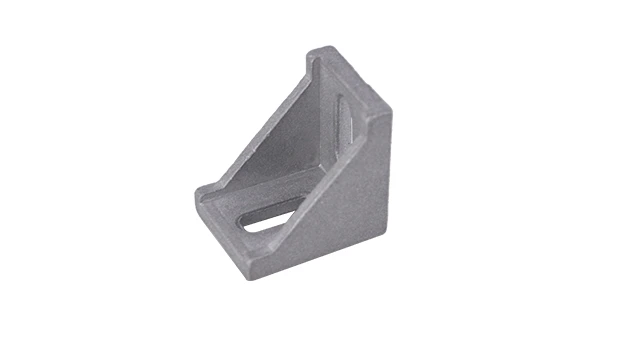
Walk into any food processing plant, and you'll quickly realize it's a world where precision meets pressure. Every minute counts—whether it's a bakery churning out thousands of loaves before dawn, a dairy processing fresh milk into yogurt, or a meat facility ensuring cuts reach retailers safely. But behind the scenes, there's a silent hero keeping these operations running smoothly: the equipment that forms the backbone of the production line. Today, we're diving into one component that's quietly revolutionizing how food plants balance efficiency, safety, and adaptability: the Sanitary Gusset Alp 3030. This unassuming bracket, paired with durable aluminum profiles and integrated into lean systems, is changing the game for processors worldwide. Let's unpack why it matters, who benefits, and how it fits into the bigger picture of modern food manufacturing.
The Hidden Challenges of Food Processing Lines
To understand why the Sanitary Gusset Alp 3030 is making waves, let's first talk about the daily hurdles food processors face. It's not just about making sure the product tastes good—though that's non-negotiable. It's about navigating a maze of regulations, keeping lines clean enough to pass strict inspections, and staying flexible enough to switch between products without grinding operations to a halt.
Take sanitation, for example. Food contact surfaces must be easy to clean, resistant to corrosion, and free of crevices where bacteria can hide. Traditional steel components? They rust. Wooden workbenches? They absorb moisture and harbor germs. Even some plastic parts degrade over time when exposed to harsh cleaning chemicals like bleach or high-pressure hoses. Then there's the issue of downtime. When a conveyor belt jams or a workbench wobbles, every second of delay eats into profit margins. And in an industry where demand spikes (think holiday seasons or sudden trends), rigid, one-size-fits-all equipment becomes a liability.
Enter the concept of lean systems—an approach that prioritizes minimizing waste, maximizing efficiency, and adapting quickly to change. But lean systems are only as strong as their components. You can't build a flexible, sanitary line with outdated, clunky parts. That's where aluminum profiles and specialized brackets like the Sanitary Gusset Alp 3030 step in. They're not just tools; they're solutions to these everyday headaches.
Lean Systems in Food Processing: More Than Just a Buzzword
When we talk about lean systems in food manufacturing, we're not just referencing a management philosophy. We're talking about tangible, physical setups that let plants do more with less. A lean system might involve modular workbenches that can be reconfigured in hours, not days, or roller tracks that move ingredients seamlessly from prep to packaging. The goal? Eliminate unnecessary steps, reduce wait times, and ensure every square foot of floor space is used purposefully.
But here's the catch: lean systems rely on components that are both strong and adaptable. If your workbench can't support heavy mixing bowls without wobbling, or your roller track bends under the weight of crates, the whole system falls apart. That's why material choice is critical. Steel is strong but heavy and prone to rust. Plastic is lightweight but lacks durability. Aluminum, though? It's a sweet spot. It's lightweight enough to move when needed, strong enough to handle daily wear, and naturally resistant to corrosion—key for wet, messy food environments.
Aluminum profiles, in particular, have become the backbone of modern lean systems. These extruded aluminum shapes—think T-slots, channels, and angles—are designed to connect quickly with minimal tools, allowing plants to build, modify, and expand structures on the fly. But even the best aluminum profile is only as stable as the brackets holding it together. And that's where the Sanitary Gusset Alp 3030 comes into play. It's the unsung connector that turns a collection of profiles into a rock-solid, sanitary workstation or conveyor frame.

Aluminum Profiles: The Foundation of Sanitary Design
Let's take a closer look at aluminum profiles before zooming in on the gusset itself. If you've ever assembled furniture with interlocking parts, you get the idea—but aluminum profiles are on a whole different level. These aren't flimsy pieces of metal; they're precision-engineered extrusions with built-in slots (like T-slots) that let you attach brackets, shelves, and accessories without drilling holes or welding. For food processors, this means two big wins: flexibility and sanitation.
Flexibility first: Need to add a shelf to a workbench to hold extra utensils? Slide a bracket into the T-slot and tighten a screw. Want to reconfigure a roller track to accommodate wider crates? Swap out the connectors and adjust the angles. No need to call in a welder or wait for custom parts—changes happen in minutes, not weeks.
Sanitation is equally important. Aluminum profiles are smooth, non-porous, and easy to wipe down. Unlike wood, they don't absorb spills or harbor bacteria. Unlike steel, they won't rust when exposed to water or cleaning chemicals. Many profiles even come with rounded edges to eliminate sharp corners where food particles might get trapped. And because they're lightweight, cleaning crews can move equipment (like mobile workbenches) to reach every nook and cranny during deep cleans—no more struggling with heavy steel tables that scratch the floor or leave gaps where dirt accumulates.
But here's the thing: aluminum profiles are strong, but their connections need to be stronger. That's where gussets come in. A gusset is a small bracket that reinforces the joint between two profiles, distributing weight and preventing wobbling. In high-pressure environments—like a workbench where workers are chopping, mixing, or packaging for hours on end—weak joints can lead to equipment failure, delays, or even safety hazards. And in food processing, where every surface must be sanitized, gussets can't have crevices or hard-to-reach areas. Enter the Sanitary Gusset Alp 3030—a bracket designed specifically to address these needs.

Sanitary Gusset Alp 3030: The Bracket That Checks All the Boxes
Let's get up close with the star of the show: the Sanitary Gusset Alp 3030. At first glance, it might look like just another metal bracket, but a closer inspection reveals why it's become a favorite among food plant managers. Let's break down its key features and why they matter in a food processing context.
Material Matters: Aluminum, Not Steel
First, it's made from high-grade aluminum—same as the profiles it connects. Why does that matter? For starters, aluminum is naturally corrosion-resistant. In a plant where hoses spray water and sanitizers daily, steel gussets would rust over time, creating rough surfaces where bacteria thrive. Aluminum? It stays smooth and clean, even after years of exposure. Plus, aluminum is lightweight, so adding gussets doesn't make the overall structure too heavy to move when needed—critical for deep cleaning days.
Sanitary Design: No Crevices, No Compromises
The Gusset Alp 3030's shape is intentional. Unlike traditional gussets with sharp angles or hollow spaces, this one has a smooth, curved design with minimal seams. Think about it: in a bakery, flour dust, sugar, and oil can settle into tiny cracks in equipment. Over time, those cracks become breeding grounds for mold or bacteria. The Gusset Alp 3030 eliminates that risk. Its rounded edges and seamless construction mean there's nowhere for debris to hide. When the cleaning crew runs a sanitizing wipe over it, they can hit every surface—no missed spots, no lingering germs.
Strength Without the Bulk
Don't let its sleek design fool you—this gusset is tough. The "3030" in its name refers to the size of the aluminum profile it's designed to work with (30mm x 30mm), a common size for workbenches, roller track frames, and material racks. Despite its compact size, the Gusset Alp 3030 is engineered to distribute weight evenly across the joint. Let's say you're using a 30mm aluminum profile to build a workbench where workers prepare dough. The gusset reinforces the corners, so even when someone leans on the bench or sets down a heavy mixer, the frame stays stable. No wobbling, no squeaking, no risk of the bench collapsing mid-shift.
Easy Installation: No Special Tools Required
In a busy plant, time is money. The last thing a maintenance team needs is a bracket that requires specialized tools or hours of setup. The Gusset Alp 3030 is designed for quick installation. It slides into the T-slots of 3030 aluminum profiles and secures with a simple bolt and nut. No welding, no drilling, no complicated instructions. A single worker can attach it in minutes, meaning less downtime when building or modifying a line.
But the real magic happens when you pair the Gusset Alp 3030 with other components. Let's say you're building a roller track to move trays of baked goods from the oven to the cooling area. The track's frame is made of 3030 aluminum profiles, connected at the corners with Gusset Alp 3030 brackets. The result? A sturdy, rust-free frame that supports the roller track smoothly, even when loaded with heavy trays. And because the gussets are sanitary, you don't have to worry about crumbs or grease getting trapped in the joints during cleaning. It's a small part, but it makes a big difference in keeping the line running and compliant.
Real-World Applications: How Gusset Alp 3030 Fits Into Your Line
Enough theory—let's talk about how the Sanitary Gusset Alp 3030 actually gets used in food processing lines. From workbenches to roller tracks, this bracket plays a role in some of the most critical areas of a plant. Let's walk through a few common scenarios.
Sanitary Workbenches: Where Precision Meets Cleanliness
Workbenches are the heart of any food processing line. They're where ingredients are measured, mixed, sliced, and packaged. A wobbly or unsanitary workbench isn't just a nuisance—it's a safety risk. Enter aluminum profile workbenches reinforced with Gusset Alp 3030 brackets.
Picture a small-scale chocolate factory. The owner wants a workbench where staff can temper chocolate, pour it into molds, and let it set. The bench needs to be sturdy enough to hold a heavy tempering machine, smooth enough to wipe down easily, and adjustable to different heights for workers of varying sizes. Using 3030 aluminum profiles, they build a frame with a flat, food-grade stainless steel top. At each corner, they attach Gusset Alp 3030 brackets to reinforce the joints. The result? A bench that doesn't wobble when the machine vibrates, has no cracks for chocolate to seep into, and can be adjusted by swapping out leg brackets—all while meeting strict FDA sanitation standards.
Or take a meat processing plant. Workers stand at workbenches all day, trimming fat and portioning cuts. A wooden bench would absorb blood and bacteria; a steel bench would rust. An aluminum profile bench with Gusset Alp 3030 brackets? It's easy to hose down at the end of the shift, resists corrosion from meat juices, and stays stable even during repetitive chopping. Plus, if the plant needs to add a shelf for tools or a bin for waste, they can attach accessories directly to the T-slots—no need to drill holes or compromise the bench's integrity.
Roller Tracks: Smooth Movement, Sanitary Design
Roller tracks are the highways of food processing lines, moving products from one station to the next. Whether it's crates of vegetables, trays of cookies, or bottles of juice, the track needs to glide smoothly and support heavy loads without bending. The frame of that roller track? Often built with 3030 aluminum profiles, reinforced with—you guessed it—Gusset Alp 3030 brackets.
Consider a beverage bottling line. After filling, bottles move along a roller track to the labeling station. The track's frame must be strong enough to support hundreds of glass bottles, yet lightweight enough to adjust if the line needs to switch to smaller or larger bottles. Aluminum profiles are ideal here, but the joints between profiles need reinforcement to prevent sagging. Gusset Alp 3030 brackets at the corners and support points ensure the frame stays straight, even under constant use. And because the brackets are smooth and crevice-free, there's no risk of mold growing in hidden spots—a common issue with older steel frames that trap moisture.
Or think about a dairy plant, where cartons of milk move along roller tracks to the packaging area. The plant uses a lean system, so the track needs to be reconfigurable to handle different carton sizes. With aluminum profiles and Gusset Alp 3030 brackets, the maintenance team can disassemble and rebuild sections of the track in hours, not days. No more waiting for custom steel parts—just quick, tool-free adjustments that keep the line running.
Material Racks: Organized, Accessible, and Sanitary
Food processing plants thrive on organization. Ingredients, tools, and finished products need to be stored in easy-to-reach racks that stay clean and pest-free. Material racks built with aluminum profiles and Gusset Alp 3030 brackets check all these boxes.
Imagine a bakery that stocks flour, sugar, and cocoa in 50-pound bags. A steel rack would rust; a plastic rack might bend under the weight. An aluminum profile rack with Gusset Alp 3030 brackets? It's strong enough to hold multiple bags per shelf, lightweight enough to move during cleaning, and easy to wipe down. The gussets reinforce the shelf connections, so even when a worker pulls a heavy bag off the shelf, the rack doesn't tip or wobble. Plus, the T-slots let the bakery add dividers or hooks to separate ingredients, keeping the workspace organized and reducing waste from misplaced items.
The Bottom-Line Benefits: Why Food Plants Are Making the Switch
At this point, you might be thinking, "This all sounds great, but does it really make a difference to the bottom line?" The short answer: yes. Let's break down the tangible benefits of using Sanitary Gusset Alp 3030 and aluminum profiles in food processing lines.
| Benefit | Traditional Steel/Plastic Components | Aluminum Profiles + Gusset Alp 3030 |
|---|---|---|
| Sanitation | Prone to rust, crevices trap bacteria, hard to clean thoroughly. | Smooth, non-porous aluminum; no crevices; easy to wipe/sanitize. |
| Durability | Steel rusts; plastic degrades with chemicals/heat. | Aluminum resists corrosion; gussets reinforce joints for long-term stability. |
| Flexibility | Fixed designs; hard to modify without tools/welding. | Tool-free adjustments via T-slots; reconfigurable in minutes. |
| Weight | Steel is heavy; hard to move for cleaning/relocation. | Lightweight aluminum; easy to move, reducing worker strain. |
| Cost Over Time | Frequent replacement due to rust/damage; high maintenance. | Long lifespan; low maintenance; reusable components reduce replacement costs. |
Reduced Downtime, Increased Productivity
In food processing, downtime is the enemy. Every minute a line is idle, products aren't being made, and deadlines are at risk. Traditional steel equipment often requires frequent repairs—rusted joints need welding, loose parts need tightening, and deep cleans take longer because equipment is heavy and hard to move. Aluminum profiles with Gusset Alp 3030 brackets cut down on downtime in two ways: first, they're more durable, so they need fewer repairs. Second, when adjustments are needed, they're quick and tool-free. A maintenance team can reconfigure a workbench or roller track in an hour instead of a day, keeping the line moving and profits rolling in.
Compliance Made Easier
Food safety regulations (like those from the FDA or USDA) are strict—and for good reason. Non-compliance can lead to fines, product recalls, or even plant shutdowns. Sanitary Gusset Alp 3030 and aluminum profiles make compliance easier by design. Their smooth, crevice-free surfaces meet FDA standards for food contact equipment, and their corrosion resistance ensures they pass inspections even after years of use. Plant managers can breathe easier knowing their equipment isn't a liability during audits.
Long-Term Cost Savings
It's true: aluminum profiles and specialized gussets may have a higher upfront cost than steel or plastic. But over time, they pay for themselves. Steel rusts and needs replacement every few years; aluminum lasts decades. Plastic warps under heat or chemicals; aluminum stands up to harsh environments. Plus, aluminum components are reusable—if a plant redesigns its line, the profiles and gussets can be disassembled and repurposed, reducing waste and saving on new equipment costs. For small to mid-sized plants, this long-term durability is a game-changer for budgeting and growth.
Happier, Safer Workers
At the end of the day, a plant is only as good as its workers. Unstable workbenches, heavy equipment, and hard-to-clean surfaces make jobs harder and more frustrating. Aluminum profiles with Gusset Alp 3030 brackets create a safer, more comfortable workspace. Lightweight equipment is easier to move, reducing strain injuries. Stable workbenches reduce fatigue from leaning or balancing. And clean, organized spaces boost morale—happy workers are more productive and less likely to make mistakes. It's a win-win for everyone.
Case Study: How a Regional Bakery Boosted Efficiency with Gusset Alp 3030
Let's put all this into context with a real-world example. Meet Maria, the operations manager at a family-owned bakery in the Midwest. The bakery has been around for 20 years, but in recent years, demand for their artisanal breads and pastries has exploded. Maria was struggling to keep up: their old steel workbenches were rusting, roller tracks kept jamming, and deep cleans took hours because equipment was too heavy to move.
"We were spending so much time fixing things instead of baking," Maria recalls. "The steel workbench in the dough prep area would wobble so bad, the mixer would walk across the table. And don't get me started on cleaning day—we'd have to drag those heavy steel racks outside to hose them down, and even then, the rust spots would come back within a month."
Maria started researching lean systems for food processing and came across aluminum profiles. She reached out to a supplier and decided to test a small setup: a new dough prep workbench and a section of roller track, both built with 3030 aluminum profiles and Sanitary Gusset Alp 3030 brackets.
The results were immediate. "The first thing we noticed was how stable the workbench was," Maria says. "No more wobbling—even with the mixer running full tilt. And cleaning? We can wipe it down in minutes with a sanitizing cloth; no more hosing outside. The roller track frame, reinforced with those gussets, hasn't jammed once. We used to have to stop the line every hour to fix it; now it runs smoothly all shift."
Within six months, Maria replaced all their steel equipment with aluminum profiles and Gusset Alp 3030 brackets. Downtime dropped by 40%, and deep cleaning time was cut in half. "We're baking 20% more products now, and our workers are happier," she says. "Best decision we ever made."
Looking Ahead: The Future of Food Processing Equipment
As food processing continues to evolve—with stricter regulations, growing demand for customization, and a focus on sustainability—components like the Sanitary Gusset Alp 3030 will only become more important. Here's what we can expect to see in the years ahead:
Even More Sanitary Innovations
Manufacturers are already developing aluminum profiles with antimicrobial coatings that kill bacteria on contact. Pair that with gussets like the Alp 3030, and the risk of contamination drops even further. We'll also see more tool-free, crevice-free designs that make cleaning faster and more effective.
Smart Integration with Technology
Imagine a roller track frame with built-in sensors that alert maintenance when a joint (reinforced by a gusset) is loosening. Or workbenches with T-slots that power small tools, reducing cord clutter. As Industry 4.0 takes hold in food processing, aluminum profiles and gussets will play a role in creating "smart" lines that self-monitor and adapt.
Sustainability at the Forefront
Aluminum is 100% recyclable, making it a sustainable choice for eco-conscious plants. As more companies prioritize green manufacturing, we'll see even more demand for reusable, long-lasting components like aluminum profiles and gussets, reducing waste from frequent replacements.
Wrapping Up: Small Component, Big Impact
The Sanitary Gusset Alp 3030 might be small, but its impact on food processing lines is huge. By reinforcing aluminum profiles with a focus on sanitation, strength, and flexibility, it's helping plants reduce downtime, stay compliant, and keep up with growing demand. For workers like Maria, it's not just a bracket—it's a tool that makes their jobs easier, safer, and more productive.
So the next time you bite into a fresh loaf of bread or sip a cold glass of juice, take a moment to appreciate the unsung heroes behind the scenes: the brackets, profiles, and lean systems that ensure your food is safe, fresh, and made with care. And if you're in the food processing industry? It might be time to take a closer look at your equipment. Sometimes, the smallest component is the one that makes the biggest difference.