- Company Articles
- Products and Technology
- Product knowledge
- Food Processing: 2.0mm Stainless Steel Pipe Corrosion Resistance Use

Food Processing: 2.0mm Stainless Steel Pipe Corrosion Resistance Use
Related Product
2.0mm Stainless Steel Pipe
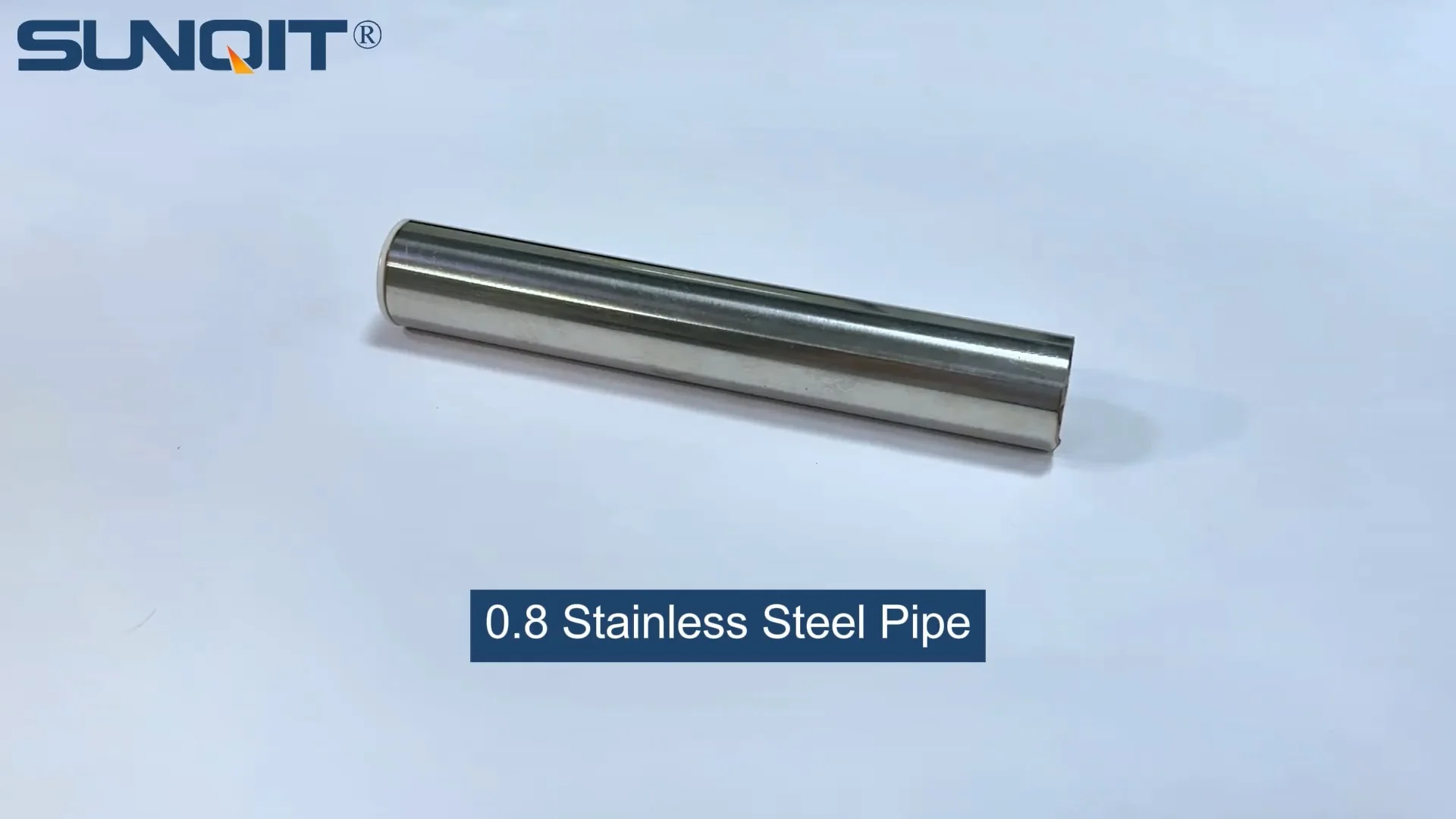
Stainless steel pipe, lean pipe, diameter is 28mm, material is SS201 or SS304, SS201 is normally used in the market. It knows a KARAKURI, KAIZEN material for industrial plant to improve efficiency, save labor cost, standard management.
Walk into any food processing facility, and you'll notice a symphony of moving parts – conveyor belts shuttling ingredients, workbenches bustling with preparation, and pipes weaving through the space, carrying everything from water to specialized cleaning agents. In this high-stakes environment, where cleanliness and durability are non-negotiable, the materials used can make or break operational success. One material that's quietly become a backbone of modern food processing? Stainless steel pipes, particularly the 2.0mm stainless steel pipe series. Today, we're diving into why this specific pipe has become a go-to choice, focusing on its unmatched corrosion resistance and how it transforms daily operations for everyone from small-scale bakeries to industrial giants.
The Hidden Enemy in Food Processing – Corrosion
Corrosion might not be the first thing that comes to mind when you think about food processing, but it's a silent saboteur that can disrupt workflows, compromise safety, and drain budgets. Let's break it down: food processing environments are harsh. Think about the mix of ingredients – citrus juices with high acidity, brines loaded with salt, sugary syrups, and even the water used for constant cleaning. Add in humidity from steam, frequent temperature fluctuations, and the aggressive chemicals in sanitizers (like chlorine or peracetic acid), and you've got a perfect storm for metal degradation.
For years, many facilities relied on galvanized steel or even plastic pipes to cut costs. But galvanized steel? It's prone to rust when its protective zinc layer chips away, especially in acidic environments. Plastic pipes, while resistant to some chemicals, can warp under high temperatures or crack under heavy loads, leading to leaks that contaminate products. I once visited a small tomato sauce factory that had switched to cheap plastic pipes – within six months, a cracked pipe spilled sanitizer into a batch of sauce, resulting in a recall and thousands in lost revenue. Corrosion, in all its forms, isn't just about aesthetics; it's about protecting your brand and your customers.
Why 2.0mm? The Sweet Spot in Thickness
Not all stainless steel pipes are created equal, and thickness plays a starring role in performance. Let's compare common options: 1.2mm, 1.5mm, and 2.0mm. A 1.2mm pipe is lightweight and affordable, but in a busy food plant, it might dent easily during cleaning or when bumped by equipment. A 1.5mm pipe offers more durability, but when exposed to constant moisture and chemicals, it can still develop pinholes over time. Enter the 2.0mm stainless steel pipe – it's the Goldilocks of thickness: strong enough to withstand daily wear and tear, yet not so heavy that it's difficult to install or modify.
| Stainless Steel Pipe Thickness | Corrosion Resistance (1-10) | Typical Lifespan in Food Processing | Best For |
|---|---|---|---|
| 1.2mm | 6 | 3-5 years | Light-duty, low-moisture areas (e.g., dry ingredient storage) |
| 1.5mm | 7.5 | 5-8 years | Moderate-use zones (e.g., packaging lines with minimal chemical exposure) |
| 2.0mm | 9.5 | 10-15+ years | High-moisture, chemical-heavy areas (e.g., washing stations, sauce production lines) |
What makes 2.0mm stand out? Its thickness provides a robust barrier against corrosion. Even if the outer layer is scratched during maintenance, the pipe's core is thick enough to slow down degradation, giving operators time to address the issue before it becomes a leak. For a facility processing acidic foods like pickles or citrus, this extra thickness isn't just a luxury – it's a necessity.

Beyond Thickness – What Makes Stainless Steel Pipe Series Corrosion-Resistant?
Thickness is just part of the story. The 2.0mm stainless steel pipe series owes its corrosion resistance to its chemical composition. Most food-grade stainless steel pipes are made from 304 or 316 grade stainless steel. 304 contains 18% chromium and 8% nickel, which reacts with oxygen to form a thin, invisible "passive layer" on the pipe's surface. This layer acts like a shield – if scratched, it self-heals when exposed to oxygen, preventing rust from taking hold. 316 grade takes it a step further with the addition of molybdenum, making it even more resistant to chloride-rich environments (think salt brines or seafood processing).
But here's the thing: not all stainless steel pipes are created equal. A low-quality pipe might cut corners on alloy ratios, leaving it vulnerable to pitting corrosion – tiny holes that form when chemicals attack weak spots in the metal. That's why choosing a reputable lean pipe supplier matters. A trusted supplier will provide pipes with certified alloy compositions, ensuring they meet food safety standards like FDA 21 CFR 177.2450 or EU Regulation 10/2011. These certifications aren't just paperwork; they're proof that the pipe won't leach harmful substances into food, even when exposed to high temperatures or acidic conditions.

Real-World Applications: Where 2.0mm Stainless Steel Pipes Shine
Let's get practical. Where exactly do these pipes make the biggest difference in food processing? The answer is: almost everywhere. Let's start with workbenches. A typical food processing workbench needs to support heavy equipment, withstand daily scrubbing with hot, soapy water, and resist stains from spills. Many workbenches are framed with stainless steel pipes, and the 2.0mm thickness ensures the frame doesn't wobble or bend under pressure. Imagine a bakery workbench where dough mixers and rolling pins are constantly in use – a flimsy frame would lead to uneven surfaces, making it hard to roll dough evenly. With 2.0mm pipes, the workbench stays stable for years, even with daily abuse.
Conveyor systems are another critical area. Pipes are used to construct the frames of roller conveyors, which move everything from raw meat to baked goods. In wet areas like vegetable washing lines, conveyor frames are constantly splashed with water and sanitizers. A 2.0mm stainless steel pipe here won't rust, ensuring the conveyor stays aligned and doesn't jam. I visited a potato processing plant last year that had switched to 2.0mm pipes for their conveyor frames. Their maintenance manager told me, "Before, we were replacing rusted frame parts every 18 months. Now, it's been three years, and they still look brand new."
Clean-in-place (CIP) systems are yet another application. These systems use pipes to circulate cleaning solutions through tanks and equipment, removing food residue. The chemicals in CIP solutions are tough – think caustic soda or nitric acid. A thin pipe might corrode from the inside out, leading to leaks that contaminate the cleaning process. The 2.0mm thickness, paired with 316 grade stainless steel, ensures the pipes can handle these chemicals cycle after cycle without degrading.
Choosing the Right Partner – The Role of a Reliable Lean Pipe Supplier
You could have the best pipe design in the world, but if the materials are subpar, it won't matter. That's why partnering with a reputable lean pipe supplier is so critical. A good supplier does more than just sell pipes – they act as a consultant, helping you choose the right grade (304 vs. 316), thickness, and accessories for your specific needs. For example, a dairy processing facility might need 316 grade pipes for their CIP lines, while a dry cereal plant could get by with 304 grade for their conveyor frames. A knowledgeable supplier will ask questions about your processes: What chemicals are used? What's the temperature range? How often is the equipment cleaned? This info helps them recommend the optimal pipe solution.
Certifications are another red flag (or green flag, if they're present). Look for suppliers who can provide material test reports (MTRs) for each batch of pipes. An MTR lists the pipe's chemical composition, ensuring it meets the required standards. If a supplier hesitates to provide this, walk away – it's a sign they might be cutting corners. Additionally, check if the supplier offers custom cutting or fabrication. Food processing facilities often have unique layouts, and pre-cut pipes that fit perfectly can save time and reduce waste during installation.
Customer support matters too. A pipe might arrive with a small dent during shipping – will the supplier replace it quickly, or leave you waiting? A reliable supplier stands behind their products, offering warranties and responsive service. I once worked with a beverage company that had an urgent need for replacement pipes after a storm damaged their facility. Their lean pipe supplier delivered the pipes within 48 hours, helping them avoid a costly production shutdown. That kind of partnership is invaluable in an industry where downtime equals lost revenue.
Maintenance Matters – Keeping Your Pipes in Top Shape
Even the most corrosion-resistant pipes need a little TLC. The good news? Maintaining 2.0mm stainless steel pipes is surprisingly simple. Start with regular cleaning. Use a mild detergent and a soft cloth or sponge to wipe down pipes – avoid abrasive scrubbers, which can scratch the passive layer. For tough stains (like dried syrup), a solution of baking soda and water works wonders. Rinse thoroughly after cleaning to remove any detergent residue, as leftover chemicals can eventually dull the finish.
Inspect joints and connections regularly. Pipes are often joined using fittings or welds, and these areas can be prone to corrosion if not sealed properly. Look for signs of discoloration (a telltale sign of rust) or leaks. If you spot a small scratch, don't panic – simply buff it with a fine-grit sandpaper (400-600 grit) to smooth the surface, then wipe with a damp cloth. The passive layer will reform within a few hours, restoring the pipe's protection.
Avoid contact with incompatible metals. Stainless steel can suffer from "galvanic corrosion" when in direct contact with metals like carbon steel. For example, if you use a carbon steel wrench to tighten a stainless steel fitting, tiny particles of carbon steel can transfer to the pipe, causing rust spots. Stick to tools made from stainless steel or plastic when working with your pipes. It's a small detail, but it goes a long way in preserving their lifespan.
Case Study: From Frequent Replacements to Long-Term Reliability
Let's wrap up with a real-world example. Consider a mid-sized salsa manufacturer in Texas. Three years ago, they were struggling with constant pipe replacements in their tomato processing line. The line used 1.5mm galvanized steel pipes for their conveyor frames and CIP lines. Within two years, the frames were rusting, and the CIP pipes were developing leaks, leading to frequent shutdowns. The plant manager, Maria, estimated they were spending $20,000 annually on replacements and lost production.
After consulting with a lean pipe supplier, Maria switched to 2.0mm 316 grade stainless steel pipes for both the conveyor frames and CIP lines. The initial investment was higher – around $35,000 – but the results were immediate. Within six months, shutdowns due to pipe issues dropped to zero. Three years later, the pipes still look new, and Maria hasn't spent a dime on replacements. "It was a no-brainer," she told me. "The upfront cost paid for itself in less than two years, and now we can focus on making salsa instead of fixing pipes."
Conclusion: Investing in Corrosion Resistance Pays Off
In food processing, where safety, efficiency, and compliance are paramount, the 2.0mm stainless steel pipe series stands out as a reliable, cost-effective solution. Its combination of thickness, alloy composition, and corrosion resistance makes it ideal for everything from workbenches to CIP lines. But remember, the pipe is only as good as the supplier behind it. Choosing a reputable lean pipe supplier ensures you get high-quality, certified materials that meet food safety standards and stand the test of time.
So, whether you're running a small artisanal cheese shop or a large-scale meat processing plant, take a look at your current pipes. Are they holding up to the demands of your environment? If not, it might be time to consider upgrading to 2.0mm stainless steel. Your bottom line, your team, and your customers will thank you.