- Company Articles
- Products and Technology
- Product knowledge
- Four Way Straight Lean Pipe Joint Chrome: Customization Options for Unique Projects

Four Way Straight Lean Pipe Joint Chrome: Customization Options for Unique Projects
Related Product
Four Way Straight Lean Pipe Joint Chrome
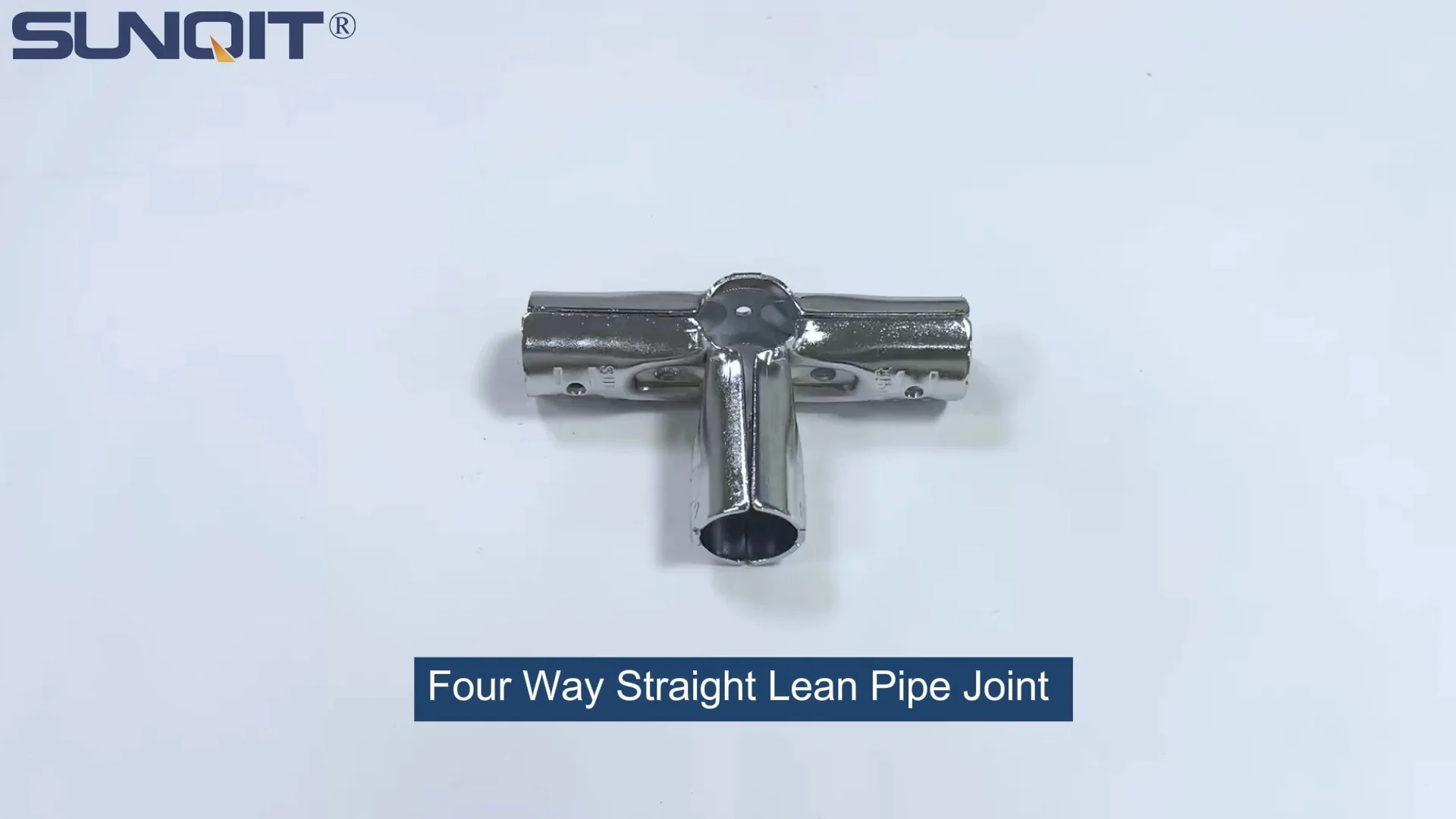
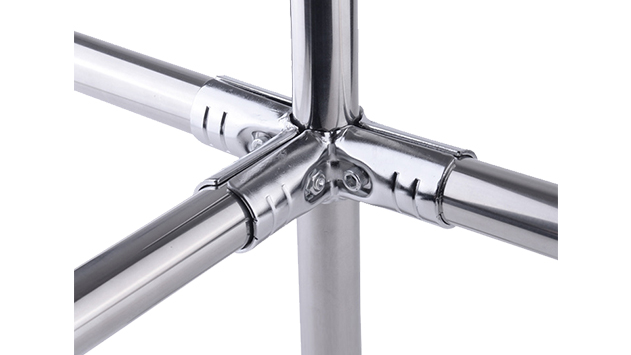
Four way lean pipe joint for 4 pcs 28MM lean pipe connection in straight angle, which used widely in workbench, flow rack, hand trolley frame connection.
Walk into any busy workshop, manufacturing floor, or logistics hub, and you'll notice a common thread: the layout tells a story. A well-designed space hums with efficiency—tools within arm's reach, materials flowing smoothly from station to station, and workbenches tailored to the task at hand. But what happens when your project doesn't fit the "standard" mold? Maybe you're running a boutique electronics assembly line with quirky space constraints, or managing a warehouse with irregularly shaped storage zones. Off-the-shelf solutions often fall short, leaving gaps in workflow, wasted space, or wobbly structures that compromise safety. This is where modular components shine, and at the heart of many modular systems lies a unsung hero: the four way straight lean pipe joint chrome. More than just a connector, it's a customizable building block that turns unique project visions into reality.
What Is the Four Way Straight Lean Pipe Joint Chrome?
Let's start with the basics. The four way straight lean pipe joint chrome is a specialized connector designed to link lean pipes (or "lean tubes") in four directions—typically up, down, left, and right—creating sturdy, multi-dimensional structures. Crafted from high-grade steel with a chrome plating, it balances strength with a sleek, corrosion-resistant finish. Unlike flimsy plastic connectors that crack under pressure or one-directional metal joints that limit design flexibility, this joint is built to adapt. Its standard design fits most common lean pipe diameters, but where it truly stands out is in its ability to be customized to meet the unique demands of your project.
Chrome plating isn't just for looks, either. In environments where moisture, oils, or chemicals are present—think automotive repair shops or food processing facilities—the chrome layer acts as a barrier, preventing rust and extending the joint's lifespan. For workshops that prioritize cleanliness, like electronics manufacturing plants using ESD workstations, the smooth chrome surface is easy to wipe down, reducing dust buildup and maintaining static control standards.
Why Customization Matters for Unique Projects
No two projects are identical. A small-scale bakery might need a compact material rack to store ingredients, while a large-scale automotive plant requires an extended roller track system to move heavy parts across the floor. Off-the-shelf joints often come in fixed sizes, limiting how you can arrange your lean pipes, aluminum profiles, or workbenches. This rigidity can lead to inefficient layouts: maybe your lean pipe workbench is an inch too tall for operators, or your roller track bends at an awkward angle, causing materials to jam. Customization solves these headaches by letting you tailor the joint to your project's specific needs—whether that's adjusting its size, load capacity, or compatibility with other components.
Consider a scenario in the electronics industry. A manufacturer producing delicate circuit boards needs an ESD workstation that's both compact and highly organized. The standard workbench might have a fixed height and limited shelving, but with a customized four way straight lean pipe joint chrome, they can adjust the pipe diameters to fit 1.2mm PE coated lean pipes (lighter, easier to maneuver) and connect them at precise angles to add modular shelves for tools and anti-static bins. The result? A workstation that fits the team's ergonomic needs and keeps sensitive components safe—no more stretching or fumbling for supplies.
Key Customization Options for the Four Way Straight Lean Pipe Joint Chrome
When it comes to customization, the four way straight lean pipe joint chrome offers a range of options to suit unique project requirements. Below, we break down the most impactful adjustments and how they can transform your workflow.
1. Size and Diameter Compatibility
Lean pipes come in various thicknesses and materials—from 0.8mm PE coated lean pipes for lightweight applications to 2.0mm stainless steel pipes for heavy-duty use. Standard joints often fit a single diameter, but custom versions can be engineered to accommodate multiple sizes. For example, if your project uses both 1.5mm aluminum lean pipes (for a lightweight frame) and 2.0mm stainless steel pipes (for load-bearing sections), a customized joint with adjustable clamping mechanisms can connect them seamlessly. This flexibility is a game-changer for projects that blend materials to balance cost, weight, and durability.
2. Load Capacity Upgrades
Not all projects carry the same weight. A turnover trolley used to transport small parts might need to support 50kg, while a material rack storing metal components could require 200kg or more. Standard joints have a fixed load rating, but custom options allow for reinforced construction—think thicker steel walls, reinforced welding, or precision-machined internal components—to handle heavier loads. For instance, a warehouse using roller tracks to move pallets might opt for a heavy-duty four way joint with a load capacity of 300kg per connection, ensuring stability even when fully loaded.
3. Finish and Coating Variations
While chrome is the standard finish, some projects demand specialized coatings. In cleanrooms or pharmaceutical facilities, where contamination is a risk, a passivated stainless steel finish (instead of chrome) might be required to meet strict hygiene standards. For outdoor applications, like loading docks exposed to rain and humidity, a powder-coated finish in weather-resistant colors (like industrial gray or black) can add an extra layer of protection against the elements. Even color customization has its place: a logistics hub might use red joints to mark high-traffic roller tracks and blue joints for slow-moving zones, improving visual communication on the floor.
4. Compatibility with Complementary Components
A joint is only as useful as the components it connects. Custom four way straight lean pipe joints can be modified to work with non-standard accessories, such as aluminum profile brackets, roller track placon mounts, or caster wheel assemblies. For example, if you're building a mobile lean pipe workbench, you might need joints that integrate seamlessly with caster accessories (like brake levers or shock-absorbing wheels). A custom joint with threaded holes or extended flanges can make this connection secure and stable, preventing wobbling as the workbench moves across the floor.
Customization Options at a Glance
| Customization Aspect | Available Options | Key Benefits | Ideal For |
|---|---|---|---|
| Pipe Diameter | 0.8mm–2.0mm (PE coated, stainless steel, aluminum) | Connects mixed pipe types; adapts to project weight/strength needs | Hybrid setups (e.g., aluminum frame + steel load-bearing pipes) |
| Load Capacity | Standard (50–100kg), Heavy-Duty (150–300kg) | Supports heavy materials without structural failure | Warehouse material racks, automotive part transport |
| Finish | Chrome, Powder-Coated, Stainless Steel Passivated | Enhanced durability, hygiene, or visual communication | Cleanrooms (stainless steel), outdoor use (powder-coated) |
| Accessory Compatibility | Threaded holes, extended flanges, custom brackets | Works with non-standard tools (casters, roller tracks, aluminum profiles) | Mobile workbenches, integrated roller track systems |

Real-World Examples: Custom Joints in Action
To see the impact of customization, let's look at three real-world projects where the four way straight lean pipe joint chrome made all the difference.
Case Study 1: Compact Electronics Assembly Line
A contract manufacturer specializing in small-batch electronics (think IoT sensors and wearables) needed to optimize a cramped workshop space. Their challenge: build a lean pipe workbench that was narrow enough to fit between existing equipment but sturdy enough to support ESD mats, tools, and component bins. The standard workbench design was too wide, so they turned to custom four way joints.
The solution? Joints modified to fit 1.0mm aluminum lean pipes (lighter than steel, saving space) with reinforced clamping mechanisms to prevent slipping. The joints were also powder-coated in ESD-safe black to match the workstation's anti-static theme. By adjusting the joint angles, the team created a tiered shelving system above the work surface, doubling storage without increasing the bench's footprint. The result: a 30% improvement in operator efficiency, as tools and components were now within easy reach.
Case Study 2: High-Volume Warehouse Roller Track System
A logistics company managing e-commerce fulfillment needed to extend their roller track system to handle peak season volumes. The existing tracks were built with standard joints, but they kept failing under the weight of heavy packages (up to 250kg per carton). The issue? The joints couldn't support the lateral stress of packages sliding down the track at an incline.
Custom heavy-duty four way joints solved the problem. These joints featured thicker steel walls (3mm vs. the standard 2mm) and integrated roller track placon mount brackets, which distributed stress evenly across the aluminum profile frame. The chrome finish was also upgraded to a corrosion-resistant powder coat to withstand the warehouse's humid conditions. After installation, the roller track system handled 50% more packages per hour with zero joint failures—critical for meeting tight delivery deadlines.
Case Study 3: Mobile Maintenance Cart for Automotive Shops
An auto repair chain wanted mobile carts to carry tools and parts to vehicles on the shop floor. The carts needed to be durable (to withstand oil and grease), mobile (with locking casters), and customizable (to fit different tool sets). Standard carts were too rigid, so they designed a modular cart using lean pipes and custom four way joints.
The joints were modified to include threaded holes for caster wheel assemblies, ensuring the wheels attached securely without wobbling. They also chose a stainless steel swivel roller balls 1 inch attachment on the cart's top surface, allowing tools to slide easily. The joints were chrome-plated for easy cleaning—just a wipe with a degreaser kept them looking new. Mechanics could now reconfigure the cart's shelves using the four way joints, adding or removing sections as needed for different jobs. The result: a 20% reduction in time spent fetching tools, freeing up mechanics to focus on repairs.
Choosing the Right Supplier for Custom Joints
Customization is only effective if your supplier can deliver on their promises. When selecting a four way straight lean pipe joint chrome supplier, look for these key qualities:
- Engineering Expertise: A supplier with in-house engineers can help you design joints that meet your exact specifications, from load capacity to material compatibility. Ask for case studies or references from similar projects.
- Quality Control: Custom parts need rigorous testing. Ensure the supplier uses certified materials (like ISO-grade steel) and conducts load tests, corrosion resistance checks, and dimensional inspections before shipping.
- Range of Accessories: The best suppliers offer more than just joints—they stock complementary components like aluminum profile accessories, roller track connectors, and caster wheels. This ensures your custom joint will work seamlessly with the rest of your system.
- Lead Time Flexibility: Unique projects often have tight deadlines. Look for suppliers who can turn around custom orders in 2–3 weeks (vs. the industry average of 4–6 weeks) without sacrificing quality.
Installation and Maintenance Tips for Custom Joints
Even the best custom joint won't perform well if installed incorrectly. Here are a few tips to ensure your system lasts:
- Use the Right Tools: Tighten joints with a torque wrench to the supplier's recommended settings—over-tightening can strip threads, while under-tightening leads to instability.
- Check Compatibility First: Before assembly, test-fit joints with your lean pipes, aluminum profiles, or roller tracks. Custom components sometimes have unique tolerances, and a quick check saves time later.
- Clean Regularly: Wipe chrome joints with a damp cloth to remove dust and debris. For powder-coated or stainless steel joints, use mild soap and water to avoid damaging the finish.
- Inspect for Wear: Every 3–6 months, check joints for signs of stress (like cracks or bending) or loose connections. replace worn joints immediately to prevent system failure.
Final Thoughts: Building for What's Next
Unique projects demand unique solutions, and the four way straight lean pipe joint chrome is more than just a connector—it's a tool for innovation. Whether you're designing a compact ESD workstation, a heavy-duty roller track system, or a mobile maintenance cart, its customization options let you build a layout that fits your space, workflow, and budget. By choosing the right supplier, prioritizing quality, and tailoring the joint to your project's needs, you're not just solving today's problems—you're building a system that can adapt as your project grows, evolves, and faces new challenges.
In the end, the difference between a good project and a great one often lies in the details. And when it comes to modular systems, few details matter more than the joints that hold it all together. The four way straight lean pipe joint chrome isn't just part of the solution—it's the foundation.