- Company Articles
- Products and Technology
- Product knowledge
- Four Way Straight Lean Pipe Joint Chrome: Noise Reduction in Production Environments

Four Way Straight Lean Pipe Joint Chrome: Noise Reduction in Production Environments
Related Product
Four Way Straight Lean Pipe Joint Chrome
Four way lean pipe joint for 4 pcs 28MM lean pipe connection in straight angle, which used widely in workbench, flow rack, hand trolley frame connection.
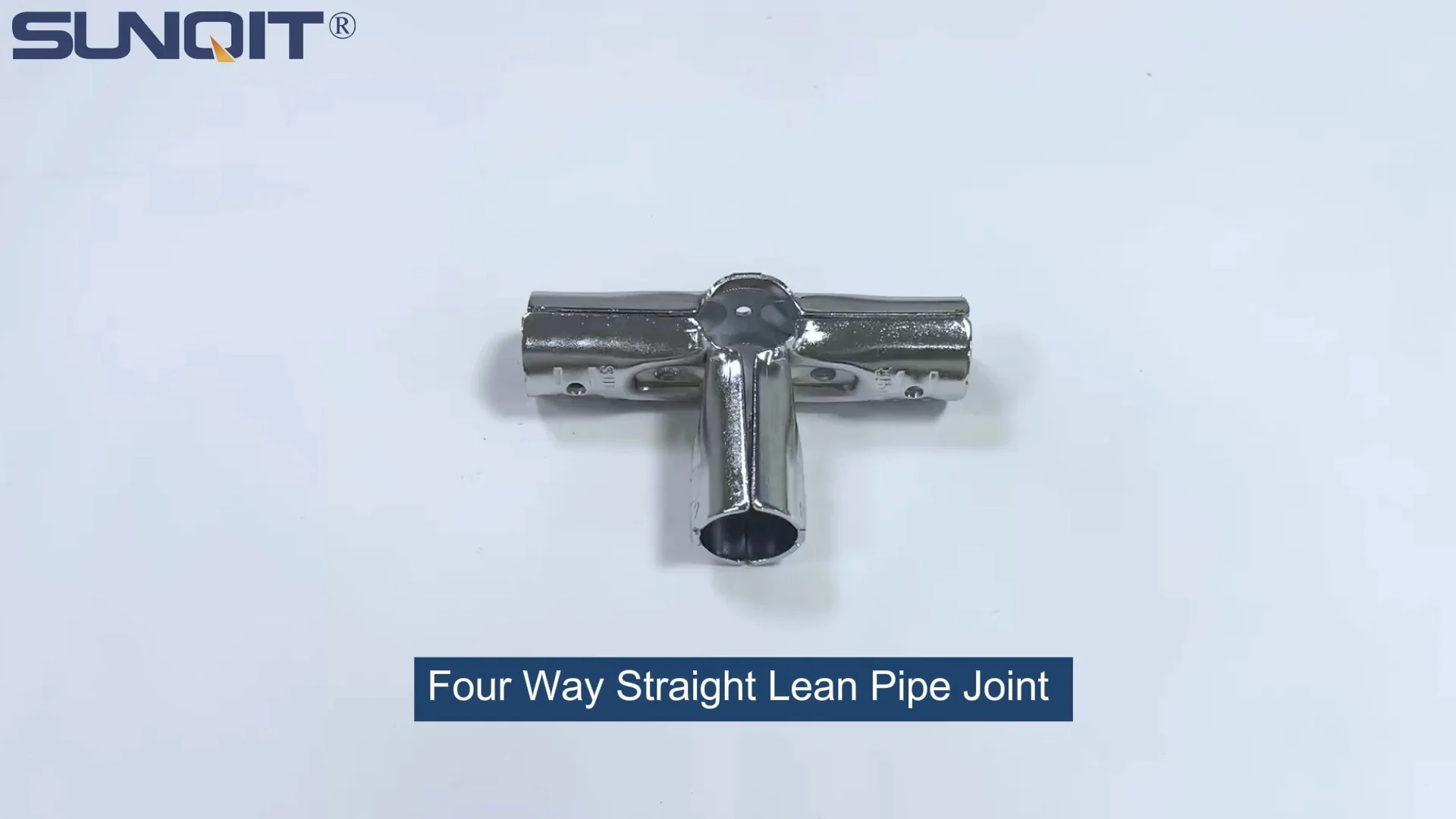
Walk through any manufacturing facility, and you'll likely be greeted by a symphony of sounds: the whir of conveyor belts, the clink of metal parts, the hum of machinery, and the constant rattle of moving components. While some level of noise is expected in production, excessive or persistent noise isn't just an annoyance—it's a silent productivity killer. It strains workers' concentration, increases fatigue, and even raises the risk of long-term health issues like hearing loss. For plant managers and operations teams, finding ways to reduce noise without sacrificing efficiency or flexibility has long been a challenge. Enter the Four Way Straight Lean Pipe Joint Chrome—a small but mighty component that's quietly revolutionizing how production lines sound, feel, and perform.
The Hidden Cost of Noise in Production
To understand why noise reduction matters, let's start with the numbers. The Occupational Safety and Health Administration (OSHA) sets a permissible exposure limit (PEL) of 90 decibels (dB) for an 8-hour workday. Yet, many manufacturing environments regularly exceed this—assembly lines can hit 95-100 dB, while areas with heavy material handling might reach 105 dB or more. Prolonged exposure to noise above 85 dB can cause permanent hearing damage, but the impacts don't stop there. Studies from the World Health Organization (WHO) link workplace noise to increased stress hormones, higher error rates, and lower employee morale. In electronics manufacturing, for example, a noisy esd workstation can make it harder for technicians to focus on delicate soldering tasks, leading to costly defects. In automotive plants, the constant clatter of parts moving along roller tracks can leave workers mentally drained by mid-shift, slowing down production.
The root of much of this noise? Often, it's in the connections. Traditional lean pipe joints—used to build everything from workbenches to material racks—are prone to vibration and looseness over time. Made from basic plastics or uncoated metals, these joints can rattle as parts move, creating a cascading effect of noise throughout the line. A single loose joint might not seem like much, but multiplied across dozens (or hundreds) of connections in a lean system, it becomes a constant, grating hum that permeates the entire facility.
The Four Way Straight Lean Pipe Joint Chrome: Designed for Quiet Performance
The Four Way Straight Lean Pipe Joint Chrome isn't just a "better" joint—it's a reimagining of how lean components interact. At first glance, it might look similar to standard lean pipe joints, but its design and materials tell a different story. Let's break down what makes it unique:
Chrome-Plated Durability:
Unlike plastic or uncoated steel joints, this joint features a high-quality chrome plating over a robust steel core. Chrome isn't just for shine—it creates a smooth, hard surface that resists wear and corrosion. More importantly, it reduces friction between the joint and the lean pipe, minimizing the "stick-slip" motion that causes rattling. When parts move smoothly, they don't vibrate as much, and less vibration means less noise.
Precision Engineering:
Traditional joints often have loose tolerances, leaving small gaps between the joint and the pipe. These gaps are breeding grounds for noise—when the line is in motion, the pipe shifts slightly, hitting the joint and creating a clanking sound. The Four Way Straight Lean Pipe Joint Chrome is machined to tight tolerances, ensuring a snug, secure fit around the lean pipe. No gaps mean no shifting, and no shifting means no unnecessary noise.
Four-Way Versatility:
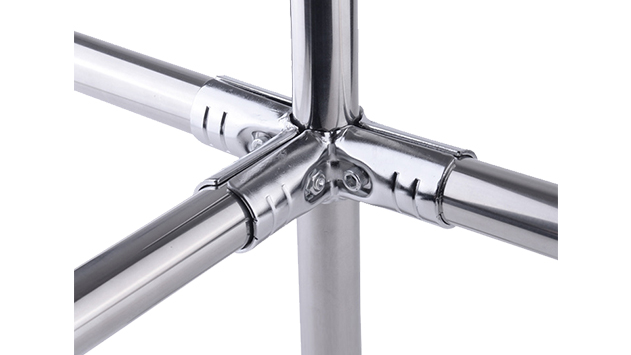
As the name suggests, this joint connects four pipes in a straight line, making it ideal for building rigid, stable structures like flow racks, conveyor supports, or the of a lean pipe workbench. Its multi-directional design distributes weight evenly across the connection, reducing stress on individual components. A stable structure vibrates less, and less vibration equals quieter operation—especially critical for high-traffic areas like assembly lines or roller track systems, where constant movement can amplify even minor instability.
From Clatter to Calm: Real-World Noise Reduction
To put the noise reduction claims into perspective, let's look at real-world data. A mid-sized electronics manufacturer in the Midwest recently upgraded 200 traditional lean pipe joints to Four Way Straight Lean Pipe Joint Chrome on their main assembly line, which includes esd workstations and roller tracks for circuit board transport. Before the upgrade, noise levels in the assembly area averaged 92 dB during peak hours. Three months after installation, the average dropped to 78 dB—a 14 dB reduction. For context, a 10 dB reduction is perceived as a 50% decrease in loudness, so this 14 dB drop made the environment feel significantly quieter. Workers reported feeling less fatigued by the end of their shifts, and the plant saw a 6% reduction in errors on the esd workstations, where precision is paramount.
Another example comes from a automotive parts supplier in Texas. Their material handling area, which uses roller tracks to move heavy metal components, had long struggled with noise from loose joints. After switching to the chrome joints, noise levels fell from 98 dB to 85 dB—right at OSHA's PEL threshold. The plant manager noted an unexpected bonus: the joints' smooth, corrosion-resistant surface made cleaning easier, reducing downtime for maintenance.
To visualize the impact across different production areas, here's a comparison of noise levels before and after installing the Four Way Straight Lean Pipe Joint Chrome:
| Production Area | Traditional Joint Noise (dB) | Chrome Joint Noise (dB) | Reduction (dB) |
|---|---|---|---|
| Electronics Assembly (ESD Workstation) | 92 | 78 | 14 |
| Automotive Parts Roller Track | 98 | 85 | 13 |
| Lean Pipe Workbench (Heavy Tool Use) | 88 | 75 | 13 |
| Material Flow Rack (3-Tier) | 85 | 72 | 13 |
These numbers aren't just statistics—they translate to tangible improvements. In the electronics plant, for instance, the quieter environment allowed workers to communicate more easily without raising their voices, reducing miscommunication and streamlining collaboration. In the automotive facility, the lower noise levels meant fewer workers needed hearing protection, making it easier to hear alarms or warnings, which enhanced safety.

Beyond Noise: The Chrome Joint's Hidden Benefits
While noise reduction is the star feature, the Four Way Straight Lean Pipe Joint Chrome offers a host of other advantages that make it a smart investment for lean systems. Let's explore a few:
Durability That Lasts:
Chrome plating isn't just about looks—it's a protective barrier. Unlike plastic joints that can crack or uncoated steel that rusts, the chrome finish resists corrosion from moisture, oils, and chemicals common in manufacturing. This means fewer replacements over time, reducing maintenance costs and downtime. In a food processing plant, for example, where washdowns are frequent, the chrome joints held up to daily cleaning with harsh detergents, while traditional plastic joints needed replacing every 6-8 months.
Flexibility for Changing Needs:
Lean manufacturing thrives on adaptability—production lines need to be reconfigured quickly to meet shifting demand. The Four Way Straight Lean Pipe Joint Chrome is compatible with standard lean pipes, aluminum profiles, and even roller track components, making it easy to integrate into existing systems or design new ones. Whether you're building a temporary workbench for a short-run project or a permanent material rack, these joints provide the stability to handle it all without sacrificing flexibility.
Easy Installation, Minimal Training:
No one wants to spend hours training teams on new equipment. The chrome joints install just like traditional lean pipe joints—no special tools or expertise required. Simply slide the pipe into the joint, tighten the set screws, and you're done. This simplicity means teams can upgrade existing systems during scheduled downtime, avoiding costly production interruptions.
Why Chrome? Comparing Materials for Joints
You might wonder: Why chrome-plated steel, and not aluminum or plastic? Let's break down the material choices:
Plastic Joints:
Lightweight and inexpensive, but prone to wear and vibration. They're a budget option but often need replacing within a year in high-use areas.
Uncoated Steel Joints:
Stronger than plastic, but susceptible to rust and corrosion. The rough surface can create more friction, leading to increased noise over time.
Aluminum Joints:
Lightweight and corrosion-resistant, but less rigid than steel. In heavy-duty applications (like supporting a loaded lean pipe workbench), aluminum can flex, leading to vibration and noise.
Chrome-plated steel strikes the perfect balance: the strength of steel for rigidity, the corrosion resistance of chrome for longevity, and a smooth surface that minimizes friction and noise. It's the sweet spot between durability, performance, and cost-effectiveness.
Putting It All Together: Building a Quieter, Smarter Production Line
So, how do you start incorporating Four Way Straight Lean Pipe Joint Chrome into your facility? It begins with a noise audit. Walk through your production areas with a decibel meter to identify hotspots—typically around conveyor belts, roller tracks, and workbenches. These are the areas where the chrome joints will have the biggest impact.
Next, prioritize high-traffic or high-noise zones. For example, if your esd workstation area is consistently above 90 dB, start by upgrading the joints on the workbench frames and nearby material racks. As you see improvements, expand to other areas like the roller track system or assembly line supports. Many facilities find that upgrading 20-30% of their joints yields noticeable noise reduction, with full coverage bringing even greater benefits.
Finally, involve your team. Workers on the floor are the best judges of what's noisy and what's not. Ask for their input on where noise is most distracting, and use their feedback to target upgrades. When employees see that their comfort and well-being are a priority, morale and engagement tend to rise—another hidden win for productivity.
The Future of Quiet Manufacturing
As manufacturing evolves—with more focus on worker safety, sustainability, and smart technology—the demand for quieter, more efficient production environments will only grow. The Four Way Straight Lean Pipe Joint Chrome is a step in that direction, proving that even small components can make a big difference. It's not just about reducing noise; it's about reimagining what a production line can be: a space where workers can focus, collaborate, and thrive, all while delivering the quality and efficiency that drives success.
So, the next time you walk through your facility, listen closely. Is that rattle really unavoidable, or could it be the sound of opportunity? With the right components—like the Four Way Straight Lean Pipe Joint Chrome—you can turn noise into quiet, frustration into focus, and a good production line into a great one.