- Company Articles
- Products and Technology
- Product knowledge
- Free Flow Chain Conveyor for Plastic Part Manufacturing: Resistance to Wear

Free Flow Chain Conveyor for Plastic Part Manufacturing: Resistance to Wear
Related Product
Free Flow Chain Conveyor
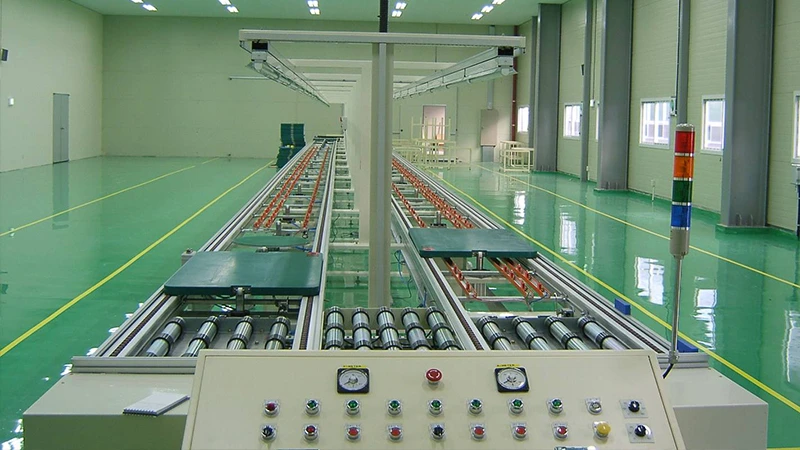
The free flow conveyor system uses a free flow chain that can increase the speed of the tooling board that supports the products. This can improve the efficiency and quality of the production process, as well as reduce the wear and tear of the system.
In the fast-paced world of plastic part manufacturing, every second counts. From the moment raw plastic pellets enter the production line to the final inspection of finished components, efficiency and reliability are the backbone of success. Yet, one silent enemy often disrupts this flow: wear. Conveyors, the workhorses that move parts between stations, bear the brunt of constant friction, abrasion, and impact—especially when handling plastic parts, which can vary in size, shape, and texture. For manufacturers, frequent conveyor breakdowns due to wear mean downtime, lost productivity, and increased maintenance costs. But what if there was a conveyor system designed specifically to stand up to these challenges? Enter the free flow chain conveyor, a solution that's changing the game for plastic part manufacturers by prioritizing wear resistance without compromising on performance.
Understanding the Basics: What is a Free Flow Chain Conveyor?
Before diving into wear resistance, let's take a moment to understand what makes a free flow chain conveyor unique. Unlike traditional belt or roller conveyors, free flow chain conveyors use a series of interconnected chains with attached rollers to move products. These chains run along a track—often made from durable materials like aluminum profile—and are powered by a drive system that allows for smooth, continuous movement. The "free flow" design means parts glide easily along the rollers, reducing the need for excessive force and minimizing contact points that could lead to wear. This design is particularly well-suited for plastic part manufacturing, where precision and gentle handling are key to avoiding damage to delicate components.
But what truly sets free flow chain conveyors apart is their adaptability. They can be customized to fit tight spaces, integrated with workbenches for assembly lines, and configured to handle a wide range of part sizes—from small plastic gears to larger automotive components. And when paired with high-quality components like roller track connectors, they become a robust solution that can withstand the demands of 24/7 production environments.
The Hidden Cost of Wear in Plastic Part Manufacturing
Wear might seem like a minor issue, but its impact on plastic part manufacturing is anything but trivial. Let's break it down: plastic parts, even smooth ones, create friction as they slide or roll along conveyor surfaces. Over time, this friction wears down conveyor components—whether it's the rollers, the track, or the connectors holding everything together. When a roller becomes worn, it might start to stick, causing parts to jam or slow down. A damaged track could lead to misalignment, increasing the risk of parts falling off the line. And worn roller track connectors might loosen, compromising the entire structure's stability.
The consequences? Unplanned downtime while maintenance crews replace worn parts. Lost production time that adds up to thousands of dollars per hour. Increased labor costs for frequent repairs. And worst of all, the potential for defective parts if the conveyor isn't moving consistently. For manufacturers already operating on thin margins, these costs can eat into profits and erode competitiveness. It's no wonder that plant managers and operations directors are constantly on the hunt for conveyor systems that can reduce wear and extend service life.
Designing for Durability: How Free Flow Chain Conveyors Resist Wear
So, what makes free flow chain conveyors so effective at resisting wear? It all comes down to intentional design choices and high-quality materials. Let's explore the key features that make these conveyors a wear-resistant powerhouse:
1. High-Quality Materials: The Foundation of Wear Resistance
At the heart of any wear-resistant conveyor is the materials used in its construction. Free flow chain conveyors often rely on aluminum profile for the track and frame. Aluminum is an excellent choice for several reasons: it's lightweight, which reduces strain on the drive system and makes installation easier, but it's also surprisingly strong. More importantly, aluminum naturally resists corrosion—a bonus in manufacturing environments where moisture or chemicals might be present. When anodized or coated, aluminum profile becomes even more durable, creating a hard surface that stands up to repeated friction from plastic parts.
But aluminum isn't the only star here. The rollers themselves are typically made from hardened steel or high-density plastic, both of which are resistant to abrasion. Steel rollers are ideal for heavy-duty applications, while plastic rollers offer a gentler touch for delicate plastic parts, reducing the risk of scratching while still maintaining wear resistance. The chains, too, are often constructed from stainless steel or coated with wear-resistant materials to prevent rust and extend their lifespan.
2. Precision Engineering: Minimizing Contact, Maximizing Efficiency
Wear thrives on unnecessary contact. That's why free flow chain conveyors are engineered to minimize friction points. The rollers are spaced evenly along the chain, ensuring that parts are supported at optimal points without excessive pressure. The roller track itself is designed with smooth, rounded edges to prevent parts from catching or scraping, which would otherwise wear. Even the roller track connectors are precision-machined to fit snugly, reducing play and vibration that can loosen components over time. Every detail is considered to create a system where movement is fluid, and wear is kept to a minimum.
3. Modular Construction: Easy Maintenance, Reduced Downtime
No conveyor is entirely immune to wear, but free flow chain conveyors are designed to make maintenance as painless as possible. Their modular construction means that individual components—like rollers, chains, or roller track connectors—can be replaced quickly without disassembling the entire system. This modularity is a game-changer for manufacturers: instead of shutting down the line for hours to fix a single worn roller, maintenance crews can swap it out in minutes. This not only reduces downtime but also allows for proactive maintenance—replacing components before they fail, which further extends the conveyor's overall lifespan.
Comparing Wear Resistance: Traditional Conveyors vs. Free Flow Chain Conveyors
To truly appreciate the wear resistance of free flow chain conveyors, let's compare them to two common alternatives in plastic part manufacturing: belt conveyors and standard roller conveyors. The table below highlights key differences in wear-related features:
| Feature | Traditional Belt Conveyor | Standard Roller Conveyor | Free Flow Chain Conveyor (with Aluminum Profile) |
|---|---|---|---|
| Wear Points | Belt surface, pulleys, motor drive (friction from belt sliding) | Rollers, axle bearings, frame (abrasion from part contact) | Rollers, chain links, roller track connectors (minimized contact points) |
| Material Durability | Belt (rubber/vinyl) prone to tearing; metal frame susceptible to corrosion | Steel rollers (prone to rust without coating); plastic rollers wear quickly under heavy loads | Aluminum profile track (corrosion-resistant); hardened steel/plastic rollers (abrasion-resistant) |
| Maintenance Frequency | High (belt replacement every 6-12 months; pulley alignment checks weekly) | Moderate (roller replacement every 12-18 months; bearing lubrication monthly) | Low (roller/chain replacement every 24-36 months; minimal lubrication needed) |
| Typical Lifespan | 3-5 years (with heavy use) | 5-7 years (with regular maintenance) | 10+ years (with proper care) |
As the table shows, free flow chain conveyors with aluminum profile and high-quality roller track connectors outperform traditional options in nearly every wear-related category. Their longer lifespan and lower maintenance frequency translate to significant cost savings over time—making them a smart investment for plastic part manufacturers looking to improve efficiency and reduce downtime.
Beyond Wear Resistance: Additional Benefits for Plastic Part Manufacturing
While wear resistance is a primary advantage, free flow chain conveyors offer other benefits that make them ideal for plastic part manufacturing. Let's explore a few:
1. Improved Efficiency and Throughput
The smooth, consistent movement of free flow chain conveyors reduces bottlenecks in production. Parts glide from one workstation to the next without slowing down, allowing for higher throughput. This is especially important in plastic manufacturing, where production volumes can be high, and meeting deadlines is critical.
2. Integration with Workbenches and Assembly Lines
Free flow chain conveyors are designed to work seamlessly with other production equipment, including workbenches. This integration creates a cohesive workflow where parts are delivered directly to assembly stations, reducing the need for manual handling. Workers can focus on their tasks without wasting time retrieving parts, which boosts productivity and reduces the risk of errors.
3. Flexibility for Changing Needs
Plastic part manufacturers often need to adapt to new product designs or production requirements. Free flow chain conveyors are highly customizable—they can be extended, shortened, or reconfigured with minimal effort. This flexibility ensures that the conveyor system can grow and change alongside the business, providing long-term value.
Real-World Success: How One Manufacturer Reduced Wear-Related Downtime by 60%
To put these benefits into perspective, let's look at a real-world example. A mid-sized plastic part manufacturer specializing in automotive components was struggling with frequent downtime due to wear on their old belt conveyors. The belts would fray after just a few months of use, and the metal frames were corroding in their humid production environment. Maintenance costs were skyrocketing, and they were missing delivery deadlines. After researching solutions, they switched to a free flow chain conveyor system with aluminum profile track and roller track connectors. Within six months, the results were staggering: downtime due to wear-related issues dropped by 60%, maintenance costs decreased by 40%, and the conveyor was handling 15% more parts per hour. The plant manager noted, "We used to have to stop the line at least once a week to fix a worn belt or roller. Now, we barely think about the conveyor—it just runs. It's been a game-changer for our operations."
Maximizing Wear Resistance: Maintenance Tips for Free Flow Chain Conveyors
While free flow chain conveyors are designed to resist wear, proper maintenance is still key to maximizing their lifespan. Here are a few simple tips:
- Regular Cleaning: Plastic parts can leave behind dust or debris, which can accelerate wear on rollers and chains. Wipe down the track and rollers weekly to remove buildup.
- Lubrication: Apply a light, food-grade lubricant to the chain and roller bearings every month (or as recommended by the manufacturer). This reduces friction and prevents rust.
- Inspect Components: Check roller track connectors, rollers, and chains for signs of wear during routine checks. Tighten loose connectors and replace worn rollers before they cause issues.
- Align the Track: Misalignment can cause uneven wear on rollers and chains. Ensure the track is level and straight, and adjust as needed.
Conclusion: Investing in Wear Resistance for Long-Term Success
In plastic part manufacturing, where efficiency and reliability are non-negotiable, the free flow chain conveyor stands out as a solution that prioritizes wear resistance without compromising on performance. Its use of durable materials like aluminum profile, precision-engineered components like roller track connectors, and modular design make it a smart investment for manufacturers looking to reduce downtime, cut maintenance costs, and improve productivity. Whether you're producing small electronic components or large automotive parts, a free flow chain conveyor can help you keep your production line moving smoothly—even in the face of the constant wear and tear that comes with manufacturing plastic parts.
At the end of the day, wear resistance isn't just about making a conveyor last longer. It's about creating a production environment where you can focus on what matters most: making high-quality plastic parts, meeting deadlines, and growing your business. And with a free flow chain conveyor, that's exactly what you get—a partner in productivity that's built to stand the test of time.