- Company Articles
- Products and Technology
- Installation And Maintenance
- Free Flow Chain Conveyor Lubrication Best Practices: Reducing Friction & Wear

Free Flow Chain Conveyor Lubrication Best Practices: Reducing Friction & Wear
Related Product
Free Flow Chain Conveyor
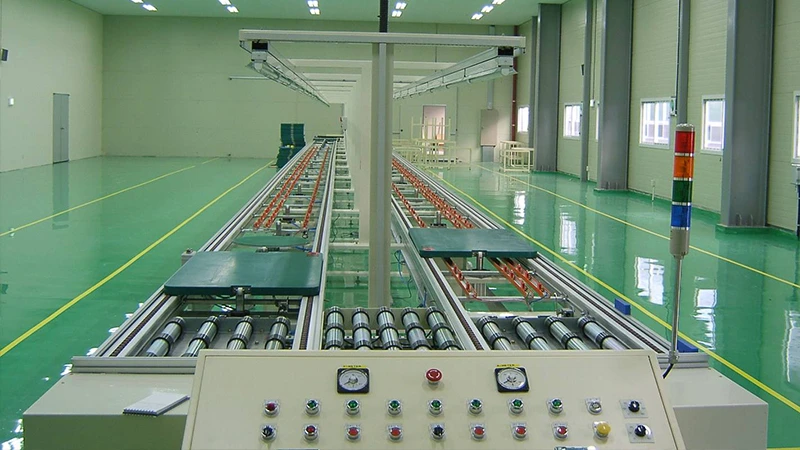
The free flow conveyor system uses a free flow chain that can increase the speed of the tooling board that supports the products. This can improve the efficiency and quality of the production process, as well as reduce the wear and tear of the system.
In the bustling world of manufacturing and logistics, few things keep operations moving quite like a well-functioning conveyor system. From assembly lines in automotive plants to distribution centers handling packages, conveyors are the unsung heroes that ensure materials, parts, and products flow seamlessly from one step to the next. Among the various types of conveyors, the free flow chain conveyor stands out for its ability to maintain a steady, uninterrupted flow—making it a cornerstone of efficient lean system setups. But like any hardworking machine, these conveyors rely on proper care to avoid the twin villains of industrial equipment: friction and wear. And at the heart of that care? Lubrication.
Think about it: every time a chain link pivots, every roller that spins on its axle, there's potential for metal-on-metal contact. Without the right lubrication, that contact turns into friction, which generates heat, creates noise, and gradually wears down components. Over time, a poorly lubricated conveyor doesn't just slow down—it can grind to a halt, causing production delays, costly repairs, and even safety hazards. That's why mastering lubrication best practices isn't just a maintenance task; it's a critical investment in keeping your entire operation running smoothly.
In this guide, we'll dive deep into the world of free flow chain conveyor lubrication. We'll start by understanding how these conveyors work and why lubrication matters, then explore the types of lubricants available, step-by-step application techniques, common mistakes to avoid, and how to integrate lubrication into your broader lean system maintenance strategy. Whether you're a plant manager, a maintenance technician, or someone just starting to learn about conveyor care, this article will equip you with the knowledge to reduce friction, minimize wear, and extend the life of your equipment.
Understanding Free Flow Chain Conveyors: More Than Just Moving Parts
Before we jump into lubrication, let's take a moment to appreciate what makes free flow chain conveyors unique. Unlike traditional belt conveyors, which use a continuous belt to transport items, free flow chain conveyors rely on a series of interconnected chains and roller track components. These chains are mounted on a frame, with rollers spaced along the length to support and move products. The "free flow" name comes from their design: gravity or minimal external force is often enough to keep items moving, making them ideal for applications where a constant, low-energy flow is needed—think of a chute carrying packages down to a sorting area or an assembly line where workers add components as products glide by.
Key components of a free flow chain conveyor include:
- Chain Links: The backbone of the system, these interlocking metal links transmit motion and support the load.
- Rollers: Attached to the chain or mounted on the roller track , these small wheels reduce friction between the conveyor and the product being moved.
- Sprockets: Toothed wheels that engage with the chain, driving its movement via a motor or manual force.
- Bearings: Found inside rollers and at connection points, bearings allow smooth rotation of moving parts.
- Frame: The structural support that holds all components in place, often made from durable materials like steel or aluminum to withstand heavy loads.
What makes these conveyors so valuable in lean system environments is their efficiency. By minimizing the energy needed to move products (thanks to those rollers and gravity assist), they align with lean principles of reducing waste—specifically, waste from unnecessary motion or energy use. But this efficiency comes with a catch: every moving part, from the chain links to the roller bearings, is a potential point of friction. And where there's friction, there's wear. That's why lubrication isn't just about keeping parts moving; it's about preserving the conveyor's ability to deliver on its promise of lean, efficient flow.
Why Lubrication Matters: The Science of Reducing Friction
At its core, lubrication is all about reducing friction. Friction occurs when two surfaces rub against each other, and in mechanical systems like conveyors, it's the enemy. Here's why:
- Heat Buildup: Friction generates heat, which can warp metal components, degrade materials, and even cause bearings to seize up.
- Wear and Tear: Over time, friction wears down surfaces—think of chain links that become thin or rollers that develop flat spots. This not only shortens component life but also leads to misalignment, which causes even more friction.
- Energy Waste: A conveyor fighting friction requires more power to operate. That means higher energy bills and a less efficient system overall.
- Noise Pollution: Unlubricated parts grind against each other, creating loud, unpleasant noise that can disrupt the workplace and even violate safety regulations.
- Safety Risks: A seized conveyor or a broken chain isn't just a productivity issue—it can be dangerous. Loose parts or sudden stops can lead to accidents, putting workers at risk.
Lubrication solves these problems by creating a protective barrier between moving surfaces. This barrier—whether it's oil, grease, or a dry film—prevents direct metal-on-metal contact, reducing friction and all its negative side effects. But not all lubricants are created equal, and not all conveyor components need the same type of lubrication. For example, chain links might thrive on a light oil, while roller bearings could require a thicker grease to stay in place under heavy loads. Choosing the right lubricant and applying it correctly is key to maximizing its benefits.
Consider this real-world example: A mid-sized electronics manufacturer was struggling with frequent downtime on their free flow chain conveyor, which transported circuit boards between assembly stations. The maintenance team noticed the chain was noisy, and upon inspection, found that several links had started to corrode and bind. After reviewing their lubrication schedule, they realized they'd been using a general-purpose oil that wasn't designed for the high humidity in their facility. Switching to a synthetic oil with anti-corrosion additives and increasing their lubrication frequency from monthly to bi-weekly resulted in a 60% reduction in downtime over six months. The chain ran quieter, moved smoother, and component replacements dropped by half. That's the power of proper lubrication.
Choosing the Right Lubricant: A Breakdown of Options
Not all lubricants are suited for free flow chain conveyors. The right choice depends on factors like operating temperature, load capacity, environmental conditions (e.g., dust, moisture), and the specific components being lubricated. Let's explore the most common types of lubricants and when to use them:
| Lubricant Type | Composition | Pros | Cons | Ideal For |
|---|---|---|---|---|
| Mineral Oil | Derived from petroleum; thin to medium viscosity. | Affordable; widely available; good for general-purpose use; easy to apply with spray or brush. | Breaks down at high temperatures; attracts dust and dirt; needs frequent reapplication. | Low-speed conveyors in clean, moderate-temperature environments (e.g., packaging lines). |
| Synthetic Oil | Man-made chemical compounds; engineered for specific properties (e.g., heat resistance). | Withstands extreme temperatures (both high and low); resists oxidation and corrosion; longer-lasting than mineral oil. | More expensive than mineral oil; overkill for simple, low-stress applications. | High-speed conveyors, humid environments, or facilities with temperature fluctuations (e.g., food processing plants). |
| Lithium Grease | Oil thickened with lithium soap; thick, gel-like consistency. | Stays in place under heavy loads; water-resistant; provides long-lasting protection. | Hard to apply to small, tight spaces; can attract debris if over-applied; not ideal for high speeds (causes drag). | Roller bearings, sprockets, and pivot points on conveyors with heavy loads (e.g., automotive part transport). |
| Dry Film Lubricant | Contains solid lubricants (e.g., graphite, molybdenum disulfide) suspended in a solvent or resin. | Dust and dirt resistant; no dripping or mess; good for cleanrooms or areas where oil/grease contamination is a risk. | Less effective under extreme pressure; requires thorough cleaning before application; shorter lifespan than oil/grease. | Electronics manufacturing, pharmaceutical facilities, or conveyors handling sensitive products (e.g., circuit boards, medical devices). |
Another factor to consider is compatibility. Some lubricants can damage certain materials—for example, oil-based lubricants might degrade plastic components on roller track guides. Always check the conveyor manufacturer's recommendations and test a small amount of lubricant on a non-critical component before full application.
Lastly, don't overlook specialty lubricants. For example, if your conveyor operates in a wet environment (like a food processing plant where washdowns are common), a water-resistant grease with NSF H1 certification (safe for incidental food contact) is a must. Similarly, in dusty environments, a dry film lubricant can prevent particles from sticking to moving parts and causing abrasion.
Step-by-Step Lubrication Best Practices: From Preparation to Application
Even the best lubricant won't work if applied incorrectly. Follow these steps to ensure your free flow chain conveyor gets the lubrication it needs:
1. Prepare the Conveyor
Before applying any lubricant, start with a clean slate. Dirt, grime, and old lubricant buildup can trap new lubricant, reducing its effectiveness. Here's how to prep:
- Shut down the conveyor: Never lubricate a moving conveyor—it's unsafe and ensures uneven coverage. Lock out the power source to prevent accidental startup.
- Clean the components: Use a stiff brush or compressed air to remove loose debris from chain links, sprockets, and roller track surfaces. For stubborn grime, wipe with a rag dampened with a mild degreaser (avoid harsh chemicals that could damage plastic parts).
- Inspect for damage: While cleaning, check for worn or broken parts—damaged chain links, cracked rollers, or loose sprockets. Lubrication won't fix these issues, so replace or repair components first.
2. Choose the Right Application Method
The method you use to apply lubricant depends on the component and the type of lubricant. Common techniques include:
- Brush application: Ideal for precise lubrication of chain links and small bearings. Use a small, stiff-bristled brush to work lubricant into pivot points and between chain plates.
- Spray lubrication: Quick and efficient for large areas, like roller track assemblies. Look for sprays with a narrow nozzle to target specific areas and avoid overspray on non-moving parts.
- Drip feed systems: Automated systems that release lubricant at set intervals, perfect for high-speed conveyors or hard-to-reach areas. These are often used in large facilities with multiple conveyors.
- Grease guns: Best for applying thick greases to bearings and sprockets. Attach a nozzle to the grease fitting and apply until fresh grease oozes out (this ensures old grease is flushed out).
3. Apply the Right Amount
More isn't always better when it comes to lubrication. Over-lubrication can attract dust and debris, creating a gritty paste that increases wear. Under-lubrication, of course, leaves parts vulnerable to friction. Here's a general rule of thumb:
- Chains: Apply lubricant to the inner surfaces of chain links (where the pins and bushings rub). A light coating is enough—you should see a thin film, not pools of oil.
- Rollers: For roller track rollers, apply a drop of oil to each bearing (if accessible) or a thin layer of grease around the axle. Avoid getting lubricant on the roller surface itself, as it can make products slip.
- Sprockets: Focus on the teeth and hub—apply a small amount of grease to reduce friction where the chain engages.
4. Set a Regular Schedule
Consistency is key. The frequency of lubrication depends on factors like conveyor speed, load, and environment. A conveyor running 24/7 in a dusty factory will need more frequent lubrication than one used intermittently in a clean room. Start with the manufacturer's recommendations, then adjust based on inspection results. For example:
- Light-duty conveyors (low speed, light loads): Lubricate every 2–4 weeks.
- Medium-duty conveyors (moderate speed, regular loads): Lubricate weekly.
- Heavy-duty conveyors (high speed, heavy loads, harsh environments): Lubricate 2–3 times per week.
Pro tip: Keep a maintenance log to track lubrication dates, types of lubricants used, and any issues noticed during inspection. Over time, this log will help you identify patterns (e.g., increased wear in a specific section) and refine your schedule.
Common Lubrication Mistakes to Avoid
Even with the best intentions, it's easy to slip up when lubricating conveyors. Here are some of the most common mistakes and how to steer clear of them:
Mistake #1: Using the Wrong Lubricant
As we discussed earlier, not all lubricants are interchangeable. Using a heavy grease on a high-speed chain, for example, can create drag and heat, while a light oil might not stay in place on a heavily loaded bearing. Always refer to the conveyor manufacturer's manual for lubricant specifications, and when in doubt, consult a lubrication specialist.
Mistake #2: Over-Lubricating
It's tempting to douse components in lubricant, thinking "more protection is better." But excess lubricant attracts dust, dirt, and debris, which form an abrasive mixture that wears down parts faster. It also drips onto floors, creating slip hazards, and wastes money on unnecessary lubricant.
Mistake #3: Skipping Cleaning
Applying new lubricant over old, dirty lubricant is like putting a band-aid on a wound without cleaning it first. The old grime traps the new lubricant, preventing it from reaching the surfaces that need protection. Always clean components thoroughly before lubricating.
Mistake #4: Ignoring Environmental Factors
Dust, humidity, temperature extremes—these all affect how well lubricant performs. A lubricant that works in a dry, temperate warehouse might fail in a hot, humid factory. Adjust your lubricant type and schedule based on your environment.
Mistake #5: Lubricating Moving Parts
Lubricating a running conveyor is dangerous and ineffective. You can't target specific components, and you risk getting lubricant on non-moving parts (like the conveyor frame) where it doesn't belong. Always shut down and lock out the conveyor before lubricating.
Integrating Lubrication into Your Lean System: A Perfect Fit
At this point, you might be thinking: How does conveyor lubrication tie into broader lean system principles? Lean manufacturing is all about eliminating waste—whether it's waste from overproduction, defects, or unnecessary motion. A poorly maintained conveyor introduces waste in several ways: downtime (waste of time), excess energy use (waste of resources), and premature component replacement (waste of materials). By prioritizing lubrication, you're directly reducing these wastes and aligning with lean goals.
Here's how to weave lubrication into your lean maintenance strategy:
- Standardize Procedures: Create a step-by-step lubrication checklist (based on the best practices outlined above) and train all maintenance technicians to follow it. Standardization ensures consistency and reduces the risk of mistakes.
- Use Visual Cues: Label lubrication points on the conveyor with color-coded tags (e.g., red for grease, blue for oil) to make identification easy. Post the lubrication schedule near the conveyor so everyone knows when it's due.
- Empower Frontline Workers: In lean systems, operators are often the first to notice issues with equipment. Train them to spot signs of poor lubrication (e.g., unusual noise, slow movement) and report them immediately. This "stop the line" mentality prevents small problems from becoming big ones.
- Continuously Improve: Regularly review your lubrication log to identify areas for improvement. For example, if a certain section of the conveyor needs more frequent lubrication, investigate why—could it be misaligned, overloaded, or exposed to harsh conditions? Adjust your process accordingly.
Consider this scenario: A automotive parts manufacturer with a lean-focused culture noticed that their free flow chain conveyor was causing delays in the assembly line. The maintenance team was following a monthly lubrication schedule, but operators reported that the chain often started to bind by the third week. Instead of simply increasing the lubrication frequency, the team analyzed the log and discovered that the conveyor was carrying heavier loads than originally specified. They switched to a high-load synthetic grease and adjusted the schedule to bi-weekly lubrication. The result? Downtime dropped by 40%, and the team also realized they could optimize the load distribution to reduce strain on the conveyor—another lean win.
Beyond Lubrication: Complementary Maintenance Tips
Lubrication is critical, but it's not the only aspect of conveyor care. To keep your free flow chain conveyor in top shape, pair lubrication with these maintenance practices:
1. Inspect Roller Track Alignment
Misaligned roller track can cause products to jam or skew, increasing friction on the conveyor. Check that the track is level and parallel, and tighten any loose bolts or brackets. If rollers are uneven, replace them to ensure smooth product flow.
2. Tighten Fasteners Regularly
Vibration from the conveyor can loosen bolts, nuts, and chain tensioners over time. Loose fasteners lead to misalignment and increased wear. Inspect and tighten all hardware during your lubrication checks.
3. Clean the Conveyor Environment
Dust, debris, and spills can all affect conveyor performance. Keep the area around the conveyor clean, and install guards or covers if the conveyor is in a particularly dusty or wet environment. A clean environment reduces the amount of grit that gets into moving parts—even with proper lubrication.
4. Monitor Chain Tension
A loose chain can slip or jump off the sprockets; a tight chain puts excess strain on bearings and sprockets. Check chain tension regularly (refer to the manufacturer's guidelines) and adjust as needed. Most chains have tensioners that allow for easy adjustment.
5. replace Worn Components Proactively
Even with perfect lubrication, components will eventually wear out. Don't wait for a part to fail—replace worn chain links, rollers, or bearings at the first sign of damage. This proactive approach prevents costly downtime and extends the life of the entire conveyor system.
Conclusion: Lubrication as a Foundation for Success
Free flow chain conveyors are the workhorses of modern manufacturing and logistics, and their ability to keep products moving is central to efficient lean system operations. But like any workhorse, they need care—and that care starts with proper lubrication. By understanding how these conveyors work, choosing the right lubricants, following best practices for application, and integrating lubrication into your broader maintenance strategy, you can reduce friction, minimize wear, and keep your conveyor running smoothly for years to come.
Remember, lubrication isn't just a maintenance task—it's an investment. The time and resources you spend on proper lubrication today will pay off in fewer breakdowns, lower repair costs, and a more efficient operation tomorrow. So the next time you walk past your conveyor, take a moment to listen: Is it running quietly and smoothly? If not, it might be time to grab the lubricant and give it the care it deserves.
Here's to friction-free flow, reduced wear, and a leaner, more productive operation—one drop of lubricant at a time.