- Company Articles
- Products and Technology
- Installation And Maintenance
- Free Flow Chain Conveyor Maintenance Schedules: Ensuring Uninterrupted Operation

Free Flow Chain Conveyor Maintenance Schedules: Ensuring Uninterrupted Operation
Related Product
Free Flow Chain Conveyor
The free flow conveyor system uses a free flow chain that can increase the speed of the tooling board that supports the products. This can improve the efficiency and quality of the production process, as well as reduce the wear and tear of the system.
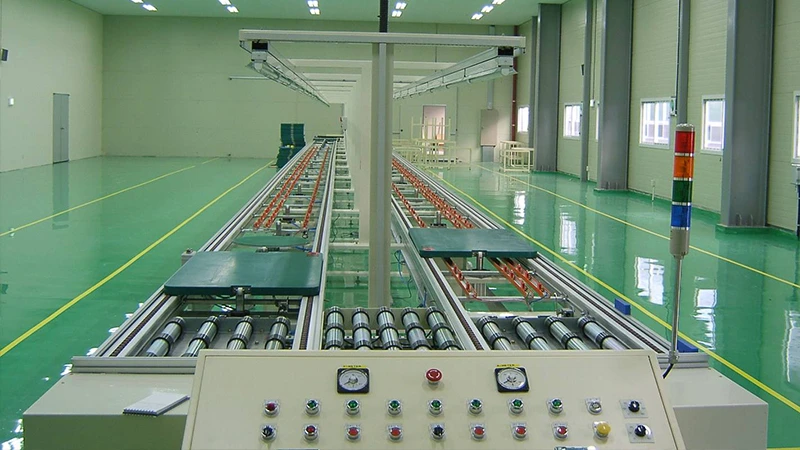
Walk into any busy manufacturing facility, warehouse, or assembly plant, and you'll likely hear the steady hum of machinery working in harmony. At the heart of this orchestration lies the free flow chain conveyor—a silent workhorse that moves materials, components, and finished products from one station to the next with precision. These conveyors are the circulatory system of production lines, ensuring that workflows remain efficient, labor costs stay in check, and deadlines are met. But like any hardworking system, they demand care. A single neglected component—a sticky roller, a loose chain, or a worn caster wheel—can bring the entire line to a grinding halt, costing hours of downtime and thousands in lost productivity. That's where a well-crafted maintenance schedule comes in. In this guide, we'll dive deep into creating and implementing a maintenance routine that keeps your free flow chain conveyor running smoothly, extending its lifespan and protecting your bottom line.
1. The Basics: What Makes a Free Flow Chain Conveyor Tick?
Before we jump into maintenance, let's take a moment to understand the star of the show: the free flow chain conveyor. Unlike heavy-duty motorized conveyors, free flow systems often rely on gravity or minimal power to move items, making them ideal for lean production environments where energy efficiency and simplicity are key. They're commonly used in assembly lines, packaging areas, and material handling zones, where items need to glide gently from one workstation to the next.
At first glance, a free flow chain conveyor might seem simple, but its efficiency depends on a symphony of components working together:
- The Chain & Rollers: The backbone of the system. Chains (often made of steel or plastic) connect a series of rollers, which spin to move materials forward. In some designs, the roller track —a series of parallel rollers mounted on a frame—replaces chains, using gravity to slide items along.
- The Frame: Typically constructed from aluminum profile for its winning combo of strength and lightness. Aluminum resists corrosion, stands up to daily wear, and keeps the conveyor easy to reposition if needed.
- Guides & Rails: These keep materials centered on the conveyor, preventing jams and ensuring items reach their destination without veering off course.
- Casters (if mobile): Many conveyors are mounted on caster wheels to allow flexibility in layout. These small but mighty components let teams reconfigure production lines quickly, adapting to changing needs.
- Support Structures: From legs to brackets, these hold the conveyor steady, ensuring it doesn't wobble or shift during operation.
Each of these parts plays a critical role. For example, the aluminum profile frame must stay level to prevent materials from getting stuck; the roller track's rollers need to spin freely to reduce friction; and caster wheels must roll smoothly to avoid straining the frame during repositioning. Neglecting even one of these can turn a reliable conveyor into a liability.
2. Why Proactive Maintenance Beats Reactive Repairs
Imagine this: It's Monday morning, and your production line is gearing up to meet a big order. Suddenly, a loud clunk echoes through the facility. A box has jammed on the conveyor, bending a roller and snapping a section of the chain. Your team scrambles to fix it—technicians hunt for tools, parts are tracked down in the warehouse, and the line sits idle for two hours. By the time it's up and running, deadlines are tight, and overtime is needed to catch up. Sound familiar? This scenario is avoidable with proactive maintenance.
Reactive repairs—fixing things only when they break—might seem cheaper in the short term, but they're a false economy. Studies show that unplanned downtime costs manufacturers an average of $22,000 per minute, and up to 80% of that downtime is preventable with regular maintenance. Proactive care, on the other hand, catches small issues (a slightly stuck roller, a loose bolt) before they snowball into major breakdowns. It also extends the conveyor's lifespan: a well-maintained system can last 10–15 years, while a neglected one might need replacement in half that time.
But maintenance isn't just about avoiding costs—it's about safety, too. A malfunctioning conveyor can pose hazards: a loose roller could catch a worker's glove, or a wobbly frame might tip over, causing injuries. Regular checks ensure the conveyor stays safe for everyone on the floor.
3. Crafting Your Maintenance Schedule: From Daily Checks to Annual Overhauls
The key to effective maintenance is consistency. A schedule that's too vague ("check it sometimes") will get ignored, while one that's overly complicated will overwhelm your team. Below, we've broken down maintenance tasks by frequency—daily, weekly, monthly, quarterly, and annual—to keep things manageable. Think of it as a "conveyor health calendar" that ensures no task slips through the cracks.
3.1 Daily Maintenance: Quick Checks to Start the Shift Right
Daily checks are like a morning stretch for your conveyor—quick, simple, and essential to preventing issues before they start. These tasks should take 5–10 minutes and can be done by the operator starting their shift. Here's what to focus on:
- Visual Inspection: Walk the length of the conveyor. Look for obvious issues: debris (like loose screws, packaging tape, or dust) on the roller track or chain, bent rollers, or misaligned guides. Even a small piece of trash can jam the system.
- Roller/Chain Movement: Gently push a test item (like an empty box) along the conveyor. It should glide smoothly without sticking or jerking. If it catches, stop and check for stuck rollers or a tight chain.
- Caster Wheels (if mobile): If your conveyor has caster wheels , give them a quick spin. They should rotate freely, with no squeaking or resistance. Check for flat spots or cracks in the wheels—these can make moving the conveyor a struggle and damage the floor.
- Frame Stability: Give the aluminum profile frame a gentle shake. It should feel solid, with no wobbling or loose bolts. If it moves, tighten any visible fasteners before starting production.
Pro tip: Keep a "conveyor logbook" near the system. Have operators jot down any issues they spot (e.g., "Roller 5 stuck at 9:15 AM") so technicians can follow up. This turns vague complaints ("it's not working right") into actionable data.
3.2 Weekly Maintenance: Deep Cleaning & Lubrication
Daily checks catch immediate problems, but weekly tasks keep the conveyor running smoothly long-term. These should be done by a maintenance technician or a trained operator and take 20–30 minutes.
- Clean the Roller Track & Chain: Use a stiff brush or compressed air to remove dust, dirt, and debris from the rollers, chain links, and guides. For sticky residue (like oil or adhesive), wipe with a damp cloth and mild detergent. Avoid harsh chemicals—they can damage plastic rollers or corrode metal parts.
- Lubricate Moving Parts: Chains and roller bearings need lubrication to reduce friction. Use a light machine oil or dry lubricant (check the manufacturer's recommendations—some plastic chains/rollers can't handle heavy oil). Apply a small amount to chain links and roller axles, then wipe off excess to prevent attracting dust.
- Tighten Fasteners: Over time, vibrations can loosen bolts on the aluminum profile frame, guides, or caster wheel mounts. Use a wrench to tighten any loose screws or nuts. Pay extra attention to joints where the frame connects to the legs—these take the most stress.
- Check Guides & Rails: Ensure guides are aligned parallel to the conveyor. If they're bent or misaligned, materials will veer off track. Use a level to confirm they're straight, and adjust as needed.
3.3 Monthly Maintenance: Digging Deeper into Components
Monthly maintenance is where you start to prevent wear and tear from becoming a problem. These tasks take 30–45 minutes and should be handled by a maintenance technician.
- Inspect Roller Bearings: Rollers spin on small bearings, which can wear out over time. To check, lift a roller gently and wiggle it. If it moves side-to-side (play), the bearing is worn and needs replacement. replace all worn rollers at once—mixing old and new can cause uneven movement.
- Chain Tension (if applicable): Chains stretch over time, which can cause slipping or jumping. Check the tension by pressing down on the middle of the chain—there should be about 1/2 inch of give. If it's too loose, adjust the take-up pulley or add a link (if possible). If it's too tight, it will strain the motor (if powered) or wear out the chain faster.
- Aluminum Profile Frame Check: Inspect the frame for signs of stress: dents, cracks, or corrosion (especially in humid environments). Aluminum resists rust, but it can still corrode if exposed to chemicals. If you spot damage, contact your supplier for a replacement section—don't try to bend it back into shape, as this weakens the metal.
- Caster Wheel Bearings: Remove the caster wheels (if possible) and check the bearings for rust or debris. Clean them with a cloth and apply fresh lubricant. If a bearing is seized (won't spin), replace the entire caster—it's cheaper than trying to repair it.
3.4 Quarterly Maintenance: System-Wide Performance Review
Every three months, take a step back to assess the conveyor's overall health. This is a good time to plan for repairs or replacements before peak production seasons.
- Load Testing: Run the conveyor with its maximum recommended load (check the manufacturer's specs). Does it still glide smoothly? If items slow down or the frame bends, the conveyor might be overloaded. Adjust workflows to reduce weight, or upgrade to a sturdier model.
- Alignment Check: Use a laser level or string line to ensure the conveyor is straight and level. Even a slight slope can cause materials to bunch up or slide backward. Adjust the legs (many have adjustable feet) to correct any tilting.
- Spare Parts Inventory: Take stock of spare parts like rollers, chain links, roller track connectors, and caster wheel replacements. Order more if supplies are low—waiting for parts during a breakdown is a recipe for downtime.
- Operator Feedback: Talk to the team using the conveyor daily. Ask: "What's frustrating about this system?" "Have you noticed any issues we haven't fixed?" Operators often spot problems technicians miss (e.g., "It jams more in the afternoon when it's hot").
3.5 Annual Maintenance: Full Overhaul & Long-Term Planning
Once a year, treat your conveyor to a full "tune-up." This is the time to replace worn components, deep clean hard-to-reach areas, and plan for the future. Depending on the conveyor's size, this might take a few hours, so schedule it during a slow period (like a weekend or holiday shutdown).
- Disassemble & Clean: Remove the chain or roller track (if possible) and soak metal parts in a degreaser to remove built-up grime. For aluminum profile frames, use a soft brush to clean T-slots (where brackets and guides attach)—these often collect dirt that can prevent parts from sliding into place.
- replace Worn Parts: Even with great care, some components wear out. replace any rollers with pitted or cracked surfaces, chains with stretched links, or caster wheels with worn treads. It's better to replace them proactively than wait for a breakdown.
- Safety Inspection: Check for safety hazards: sharp edges on the aluminum frame (file them down if needed), loose guards, or exposed moving parts. Ensure all warning labels (like "Keep Hands Clear") are still visible and legible.
- update the Maintenance Plan: Review the past year's logbook. Were there recurring issues (e.g., "rollers jamming every month")? Adjust your schedule to address them—maybe you need to lubricate more often, or replace a specific part with a higher-quality version.
3.6 The Maintenance Schedule at a Glance
| Frequency | Tasks | Who Does It? | Tools Needed |
|---|---|---|---|
| Daily | Visual inspection, debris removal, roller/chain movement test, caster wheel check | Operator | Gloves, test item (box) |
| Weekly | Deep cleaning, lubrication, tighten fasteners, guide alignment | Technician/Trained Operator | Brush, compressed air, lubricant, wrench |
| Monthly | Roller bearing check, chain tension, aluminum frame inspection, caster bearing cleaning | Maintenance Technician | Bearing puller, level, lubricant |
| Quarterly | Load testing, alignment check, spare parts inventory, operator feedback | Maintenance Team | Laser level, scale (for load testing) |
| Annual | Full disassembly, cleaning, part replacement, safety inspection, plan update | Maintenance Team + Supplier (if needed) | Degreaser, replacement parts, file, safety gloves |
4. Troubleshooting Common Issues: What to Do When Problems Pop Up
Even with a solid maintenance schedule, issues can still arise. Here's how to diagnose and fix the most common problems quickly:
4.1 Materials Jam on the Conveyor
**Possible Causes:** Stuck roller, debris in the roller track , misaligned guides, or overloading. **Fix:** Stop the conveyor immediately. Remove the jammed item, then check for debris (use a flashlight to look between rollers). If a roller is stuck, clean it with a cloth and lubricate the bearing. If guides are bent, gently straighten them with pliers (for aluminum, avoid over-bending—aluminum can crack). If items keep jamming, reduce the load or slow down the flow rate.
4.2 Conveyor is Noisy (Squeaking, Grinding)
**Possible Causes:** Dry bearings, loose chain, or worn caster wheels . **Fix:** Lubricate the chain and roller bearings first—this often silences squeaks. If the noise persists, check the chain tension (tighten if loose) or replace worn caster wheels (bearings inside can wear out, causing grinding).
4.3 Conveyor Wobbles or Shifts During Use
**Possible Causes:** Loose frame bolts, uneven caster wheels , or a damaged aluminum profile. **Fix:** Tighten all bolts on the frame and legs. If casters are uneven, replace any with flat spots. For a bent aluminum frame, contact your supplier—bending it back weakens the metal, making it unsafe.
4.4 Items Slide Off the Conveyor
**Possible Causes:** Misaligned guides, steep slope, or worn rollers. **Fix:** Realign guides using a level. If the conveyor is sloped too steeply, adjust the legs to flatten it out. replace any rollers that are cracked or not spinning—these can cause items to catch and tip.
5. Going the Extra Mile: Best Practices for Long-Term Success
A maintenance schedule is a great start, but these extra tips will help your conveyor thrive for years:
- Train Your Team: Operators should know how to spot issues, and technicians should be trained on proper lubrication and part replacement. Hold quarterly "conveyor care" workshops to refresh skills.
- Label Components: Stick labels on the conveyor with part numbers (e.g., "Roller Model #12345") so ordering replacements is easy. Keep a list of your supplier's contact info nearby—time is critical during a breakdown.
- Store Spare Parts Smartly: Keep spare rollers, chain links, and caster wheels in a labeled bin near the conveyor. A dedicated workbench with tools (wrenches, lubrication guns, brushes) turns maintenance into a 5-minute task instead of a hunt for supplies.
- Adapt to Seasons: In humid summer months, check for rust on metal parts more often. In winter, cold temperatures can make plastic rollers brittle—store spares indoors to keep them from cracking.
- Celebrate Success: Track downtime before and after implementing your schedule. When you see a drop (e.g., from 5 hours/month to 1 hour), share the win with your team—recognition keeps everyone invested in keeping the conveyor running smoothly.
6. Final Thoughts: Your Conveyor, Your Productivity
A free flow chain conveyor might not be the most glamorous piece of equipment in your facility, but it's one of the most critical. By investing a little time each day, week, and month into maintenance, you'll avoid costly downtime, keep your team safe, and ensure your production line stays efficient. Remember: a well-cared-for conveyor isn't just a machine—it's a partner in your success.
So, grab that logbook, round up your team, and start your maintenance schedule today. Your future self (and your bottom line) will thank you.