- Company Articles
- Products and Technology
- Installation And Maintenance
- Free Flow Chain Conveyor Maintenance Tips: Extending Service Life

Free Flow Chain Conveyor Maintenance Tips: Extending Service Life
Related Product
Free Flow Chain Conveyor
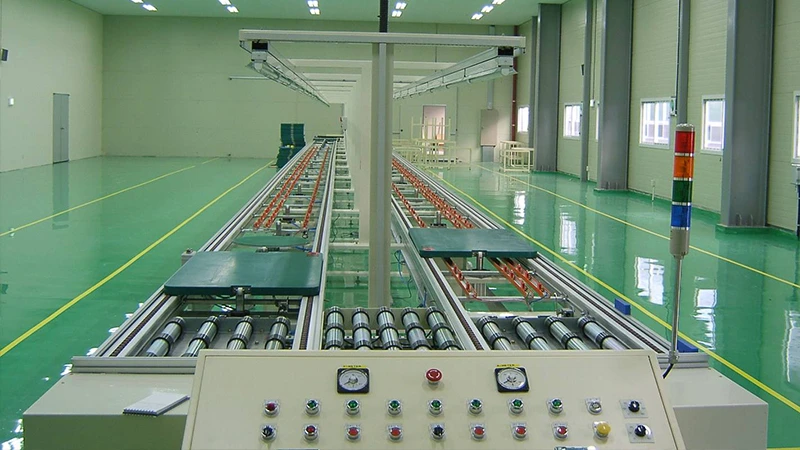
The free flow conveyor system uses a free flow chain that can increase the speed of the tooling board that supports the products. This can improve the efficiency and quality of the production process, as well as reduce the wear and tear of the system.
Introduction: Why Maintenance Matters More Than You Think
Imagine walking into a busy manufacturing facility early on a Monday morning. The air hums with the rhythm of machines, and the free flow chain conveyor at the heart of the production line is moving steadily, carrying components from one station to the next. Workers are focused, deadlines are tight, and everything seems to be running like clockwork. But then—suddenly—a loud clunk echoes through the. The conveyor jams. Components pile up, workers pause, and the once-smooth workflow grinds to a halt. What caused it? A single worn roller track that hadn't been checked in weeks. Sound familiar? For many operations, this scenario isn't just a hypothetical—it's a costly reality that could have been avoided with proper maintenance.
Free flow chain conveyors are the unsung heroes of modern manufacturing and logistics. They're the backbone of lean systems, designed to move materials efficiently, reduce manual handling, and keep production lines flowing without unnecessary delays. But like any hardworking tool, they need care to perform at their best. Neglecting maintenance doesn't just lead to unexpected breakdowns; it shortens the conveyor's lifespan, increases operational costs, and even puts worker safety at risk. In this guide, we'll dive deep into practical, actionable maintenance tips that will help you extend the service life of your free flow chain conveyor, minimize downtime, and keep your lean system running like a well-oiled machine.
Daily Inspection: The First Line of Defense
Preventive maintenance starts with daily check-ins. Think of it like brushing your teeth—small, consistent efforts that prevent big problems down the line. A quick 10-minute inspection before starting the day can catch issues early, when they're easy and cheap to fix. Let's break down what to look for, focusing on key components like the chain, roller track, and drive system.
| Component | What to Inspect | Action If Issue Detected |
|---|---|---|
| Free Flow Chain | Tension (should have ~1/2 inch vertical play), signs of rust, broken links, or excessive wear on pins | Adjust tension using tensioners; replace broken links or lubricate rusted areas immediately |
| Roller Track | Alignment (tracks should be straight and level), debris buildup, rollers that don't spin freely, or cracks in aluminum profile supports | Clear debris with a brush; replace stuck rollers; realign tracks using shims if warped |
| Drive Motor & Gears | Unusual noises (grinding, squealing), excessive vibration, or overheating | Shut down and inspect motor connections; check for loose gears or worn bearings |
| Safety Guards | Cracks, missing bolts, or guards that don't fit snugly around moving parts | Tighten bolts or replace damaged guards before starting operation |
| Caster Wheels (if applicable) | Loose wheels, uneven wear, or wheels that don't swivel smoothly | Tighten axle nuts; replace worn caster wheels; clean and lubricate swivel joints |
Pro tip: Assign a dedicated operator or maintenance tech to perform these checks. Consistency matters—having the same person inspect the conveyor daily helps them spot subtle changes (like a slightly slower roller) that someone new might miss. Keep a logbook or digital checklist to track findings; over time, this data will reveal patterns (e.g., rollers wearing faster in a specific section) that can guide long-term improvements.
Cleaning: Keeping Your Conveyor Debris-Free
Dust, dirt, and debris are the silent enemies of free flow chain conveyors. They sneak into roller tracks, gunk up chain links, and act like sandpaper on moving parts, accelerating wear. Regular cleaning isn't just about aesthetics—it's about protecting your investment. Here's how to do it right.
Daily Cleaning: Start with the basics. Use a soft-bristle brush or compressed air to clear debris from the roller track and chain. Pay extra attention to the gaps between rollers, where dust and small particles love to hide. For sticky residues (like oil or adhesive from labels), wipe the track with a lint-free cloth dampened with mild soap and water. Avoid harsh chemicals—they can degrade plastic components or strip lubrication from metal parts.
Weekly Deep Clean: Once a week, take a closer look. Remove any removable components (like guide rails) and clean them separately. Use a toothbrush to scrub hard-to-reach areas, like the inside of chain links or the crevices of aluminum profile supports. If your conveyor handles food or pharmaceutical products, use sanitizing solutions approved for your industry to prevent contamination. After cleaning, dry all parts thoroughly to prevent rust—moisture is a conveyor's worst enemy.
Pro Tip: If your conveyor operates in a dusty environment (e.g., a warehouse with concrete floors), consider installing a simple dust cover over the roller track. It's a low-cost investment that reduces cleaning time and protects components from abrasion.
Lubrication: Keeping the Chain Moving Smoothly
If daily inspections are the "brushing," lubrication is the "flossing" of conveyor maintenance—often overlooked, but critical for long-term health. The free flow chain relies on smooth movement between links and sprockets; without proper lubrication, friction builds up, leading to wear, noise, and eventually, failure. But not all lubricants are created equal, and over-lubricating can be just as bad as under-lubricating.
Choosing the Right Lubricant: Start by checking the manufacturer's recommendations. Most free flow chains use either dry film lubricants or light machine oil. Dry film lubricants (like graphite or PTFE sprays) are ideal for dusty environments—they don't attract dirt and form a protective coating on metal surfaces. Oil-based lubricants work better in clean, low-dust settings, providing long-lasting lubrication for high-speed chains. Avoid heavy greases—they're too thick and can gum up the works, especially in cold temperatures.
How and When to Lubricate: Frequency depends on usage. For conveyors running 8+ hours a day, lubricate the chain every 2-3 days. For lighter use (4-6 hours), weekly lubrication should suffice. Here's the right technique: first, clean the chain to remove old lubricant and debris (a wire brush works well). Then, apply the lubricant directly to the chain links, focusing on the pins and bushings where movement occurs. Let it sit for 10-15 minutes to penetrate, then run the conveyor for a minute to distribute the lubricant evenly. Wipe off any excess—this prevents dust buildup.
Don't forget the roller track! While the chain gets most of the attention, the rollers themselves need lubrication too. Apply a small amount of lubricant to the roller bearings every month (or more often if rollers start squeaking). Use a precision oiler to target the bearing points—this avoids wasting lubricant and keeps the track clean.
Troubleshooting Common Issues: From Squeaks to Stalls
Even with regular maintenance, problems can pop up. The key is to diagnose and fix them quickly before they escalate. Let's walk through three of the most common conveyor issues and how to resolve them.
1. Squeaking or Grinding Noises
A noisy conveyor is like a cry for help—it's trying to tell you something's wrong. Squeaks usually point to dry or worn components, while grinding suggests metal-on-metal contact. Start by checking the chain: is it properly lubricated? Are any links bent or misaligned? If the chain looks good, inspect the roller track. A stuck roller (one that doesn't spin freely) will grind against the track as materials pass over it. Remove the roller, clean the bearing, and lubricate it. If it still doesn't spin, replace it—worn bearings can't be fixed.
2. Chain Slippage or Jamming
If the chain slips on the sprockets or jams entirely, tension is often the culprit. A chain that's too loose will slip; one that's too tight will strain the drive motor and wear out links prematurely. To adjust tension, locate the tensioner (usually a bolt or spring-loaded mechanism at the end of the conveyor). Loosen the lock nut, turn the tensioner bolt to increase or decrease tension, then retighten the lock nut. Remember: the chain should have about 1/2 inch of vertical play when pressed lightly in the middle. If jamming persists, check for debris in the chain path or a bent sprocket—both can throw off alignment.
3. Uneven Material Flow
Is material sliding to one side of the roller track or getting stuck halfway? This is often due to misaligned tracks or warped aluminum profile supports. Over time, the conveyor frame can shift (especially if it's moved or bumped), causing the track to slope to one side. Use a level to check the track's alignment—both horizontally and vertically. If it's off, adjust the frame legs or add shims under the aluminum profile to realign it. Also, inspect the guide rails (if your conveyor has them)—a bent rail will push materials off course. Straighten or replace bent rails as needed.
Long-Term Care: Investing in Lifespan
Daily and weekly maintenance keeps your conveyor running day-to-day, but long-term care ensures it lasts for years (or even decades). Think of it like maintaining a car—regular oil changes are necessary, but eventually, you'll need to replace the brakes or tires. The same logic applies to conveyors: key components wear out over time, and proactive replacement saves you from costly breakdowns.
Know When to replace Parts: Keep an eye on high-wear components like rollers, chain links, and sprockets. Rollers should be replaced when they show signs of uneven wear (e.g., flat spots) or stop spinning freely, even after lubrication. Chains have a "wear limit"—most manufacturers recommend replacing them when the total elongation reaches 3% (you can measure this with a ruler: mark a link, rotate the chain, and measure the distance between marks; if it's 3% longer than the original, it's time for a new chain). Sprockets should be replaced if their teeth are worn down or hooked—worn sprockets will accelerate chain wear, creating a vicious cycle.
Protect Against Environmental Damage: Conveyors in harsh environments (e.g., humid warehouses or factories with corrosive chemicals) need extra protection. For example, if your conveyor is near water or chemicals, consider upgrading to stainless steel components or applying a corrosion-resistant coating to the aluminum profile. In dusty areas, install dust covers and increase cleaning frequency. Even temperature matters—extreme heat can dry out lubricants, while cold can make plastic components brittle. Adjust maintenance schedules accordingly.
Work With Your Supplier: Your conveyor supplier isn't just a vendor—they're a partner in maintenance. Most suppliers offer replacement parts (like roller track connectors or aluminum profile accessories) and can provide guidance on service intervals specific to your model. Keep a stock of critical spare parts (e.g., rollers, chain links, and caster wheels) on hand so you're not waiting for deliveries when a breakdown occurs. Many suppliers also offer training for your maintenance team, ensuring everyone knows how to properly inspect and repair the conveyor.
Integrating Maintenance Into Your Lean System
At this point, you might be thinking: "This sounds like a lot of work—how does it fit into our lean system?" Great question. Lean manufacturing is all about eliminating waste, and unplanned downtime is one of the biggest wastes of all. By investing in conveyor maintenance, you're actually supporting your lean goals: reducing delays, improving workflow consistency, and cutting costs associated with repairs and replacements.
Here's how to weave maintenance into your lean routine: Assign ownership—make one team member responsible for daily inspections and logkeeping. This creates accountability and ensures nothing falls through the cracks. Use visual cues, like color-coded tags on rollers that need replacement or a checklist posted near the conveyor, to make maintenance part of the standard work process. And don't forget continuous improvement—hold monthly meetings to review maintenance logs, identify recurring issues, and adjust your process. For example, if rollers in a specific section wear out faster, maybe that area handles heavier loads, and you need to upgrade to heavier-duty rollers.
Remember: a well-maintained conveyor is a productive conveyor. When your free flow chain conveyor runs smoothly, materials move faster, workers stay focused, and your lean system delivers on its promise of efficiency. It's not just about extending the conveyor's lifespan—it's about extending the success of your entire operation.
Conclusion: Small Efforts, Big Results
Maintaining a free flow chain conveyor isn't glamorous work. It doesn't get the same attention as a new piece of equipment or a flashy software upgrade. But it's the foundation of reliable, efficient operations. By taking 10 minutes each day to inspect, a few minutes each week to clean and lubricate, and investing in long-term care, you'll extend your conveyor's service life, reduce downtime, and keep your lean system humming. And when you avoid that Monday morning breakdown? You'll save thousands in repair costs, meet deadlines, and keep your team focused on what they do best—creating value.
So, what's next? Grab your inspection checklist, gather your team, and start implementing these tips today. Your conveyor (and your bottom line) will thank you.