- Company Articles
- Products and Technology
- Installation And Maintenance
- Free Flow Chain Conveyor Maintenance Tools: Essential Equipment List

Free Flow Chain Conveyor Maintenance Tools: Essential Equipment List
Related Product
Free Flow Chain Conveyor
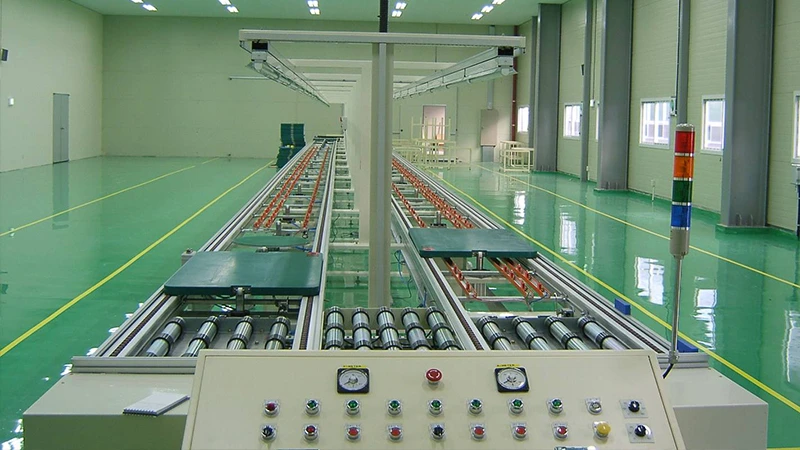
The free flow conveyor system uses a free flow chain that can increase the speed of the tooling board that supports the products. This can improve the efficiency and quality of the production process, as well as reduce the wear and tear of the system.
Why Maintenance Matters for Your Free Flow Chain Conveyor
In the heart of any manufacturing plant or warehouse, the free flow chain conveyor is the unsung hero that keeps operations moving. It's the silent workhorse that transports products from one station to the next, ensuring assembly lines stay on track and orders get fulfilled on time. But like any hardworking machine, it needs regular care to avoid breakdowns, delays, and costly repairs.
Imagine a busy morning shift: boxes are piling up at the loading dock, workers are prepping for the day's orders, and suddenly—*clunk*. The conveyor grinds to a halt. A quick inspection reveals a jam in the roller track ; a small piece of debris got stuck, throwing off the entire flow. What could have been a 10-minute fix turns into a 2-hour production delay because the right tools weren't within reach. That's the difference between reactive and proactive maintenance.
Regular maintenance isn't just about fixing problems—it's about preventing them. By investing a little time each week to clean, inspect, and adjust your conveyor, you'll extend its lifespan, reduce downtime, and keep your team safe. And none of that is possible without the right tools. In this guide, we'll walk you through the essential equipment every maintenance crew should have on hand to keep their free flow chain conveyor running like new.
Understanding Your Conveyor: Key Components to Watch
Before diving into tools, let's quickly break down the parts of a typical free flow chain conveyor that need the most attention. Knowing these components will help you target your maintenance efforts and choose the right tools for the job:
- Chain & Rollers: The chain drives the conveyor, while rollers (often in the roller track ) support and guide products. These are prone to wear, debris buildup, and misalignment.
- Lean Pipe Joints: These connect the structural parts of the conveyor, like the frame and supports. Loose or damaged lean pipe joint can cause wobbling or instability.
- Caster Wheels: If your conveyor is mobile, caster wheel help with positioning. Sticky or worn casters can make moving the conveyor difficult or unsafe.
- Aluminum Profiles: The frame of many modern conveyors is built from aluminum profile , which is lightweight but needs protection from dents and corrosion.
Now, let's explore the tools that will help you keep each of these components in top shape.
Essential Maintenance Tools: Your Conveyor Care Kit
Think of your maintenance tools as a first-aid kit for your conveyor. You wouldn't treat a cut without bandages, and you shouldn't tackle conveyor issues without the right equipment. Below is a breakdown of the must-have tools, organized by their purpose: cleaning, inspection, repair, lubrication, and safety.
1. Cleaning Tools: Keep Debris at Bay
Dirt, dust, and small debris are the enemy of moving parts. A dirty roller track or chain can lead to jams, increased friction, and premature wear. Here's what you need to keep things spotless:
- Stiff-Bristle Brushes: A good wire or nylon brush (stiff enough to dislodge grime but gentle enough not to scratch aluminum profile ) is perfect for sweeping debris from the roller track and chain links. Look for brushes with ergonomic handles—you'll be using them often!
- Compressed Air Canister or Blower: For hard-to-reach spots, like between rollers or under the chain, compressed air blasts away dust without disassembly. Opt for a canister with a narrow nozzle attachment to target tight spaces.
- Degreaser & Rags: Over time, oil and grease can attract dirt, turning into a sticky mess. A mild degreaser (avoid harsh chemicals that damage plastic parts) and lint-free rags will clean chains and lean pipe joint without leaving residue.
Pro Tip: Clean the roller track at the end of each shift. A quick 5-minute brush-down prevents debris from hardening overnight, making your next day's start smoother.
2. Inspection Tools: Catch Problems Early
Regular inspections are like check-ups for your conveyor—they help you spot small issues before they become big headaches. These tools will turn you into a conveyor detective:
- Flashlight/Headlamp: Dark corners under the conveyor or between rollers hide all sorts of problems—bent pins, cracked lean pipe joint , or loose bolts. A bright, hands-free headlamp lets you inspect while keeping both hands free to adjust parts.
- Feeler Gauge: This thin, flat tool measures gaps between moving parts, like the space between the chain and sprocket. Too much gap means the chain is loose and may skip; too little causes excess friction. A feeler gauge takes the guesswork out of alignment.
- Tape Measure & Straightedge: To check if the roller track is level or if the conveyor frame (often built with aluminum profile ) is warped. A warped frame can cause products to slide off or the chain to derail.
- Digital Camera/Phone: Snap photos of wear patterns, damaged caster wheel , or loose joints to share with your team or supplier. Visual records make it easier to track issues over time.
Pro Tip: Create a checklist for inspections. Note down things like " roller track alignment," " lean pipe joint tightness," and " caster wheel rotation" to ensure nothing gets missed.
3. Repair Tools: Fix Issues Fast
Even with great maintenance, parts wear out. Having the right repair tools on hand means you can fix problems in minutes, not days. Here's what belongs in your repair kit:
- Socket Set & Wrenches: Adjustable wrenches, socket wrenches, and hex keys (Allen wrenches) are essential for tightening loose bolts on lean pipe joint , caster wheel mounts, or roller brackets. Invest in a set with both metric and standard sizes—conveyors often use a mix.
- Pliers (Needle-Nose & Regular): Needle-nose pliers reach small spaces to bend back bent chain links or remove stuck debris. Regular pliers grip and twist parts like stubborn lean pipe joint covers.
- Hammer (Rubber Mallet): A soft rubber mallet gently taps misaligned roller track sections back into place without damaging the aluminum profile frame. Avoid metal hammers—they can dent or crack parts.
- Spare Parts Kit: Keep a stash of common replacements: extra lean pipe joint , roller bearings, caster wheel axles, and chain links. Nothing derails a repair faster than waiting for a part to ship.
Pro Tip: Label your spare parts bin clearly. When you're in a hurry to fix a jam, you don't want to dig through unmarked boxes to find a lean pipe joint .
4. Lubrication Tools: Keep It Moving Smoothly
Moving parts need lubrication to reduce friction and wear. But not all lubricants are created equal, and applying them the wrong way can do more harm than good. These tools ensure you lube like a pro:
- Grease Gun: For heavy-duty parts like caster wheel bearings or lean pipe joint pivot points, a grease gun applies the right amount of lubricant (usually lithium-based grease) without making a mess. Look for one with a flexible nozzle to reach awkward angles.
- Oil Can with Precision Nozzle: Light machine oil works best for chains and roller axles. A can with a thin, pointed nozzle lets you target specific links or bearings without over-lubricating (which attracts dirt).
- Lint-Free Cloths: Before applying new lubricant, wipe away old, dirty grease with a clean cloth. This prevents mixing old and new lubricants, which can reduce effectiveness.
Pro Tip: Lubricate the chain and roller track every 200 hours of operation (or as recommended by your conveyor's manual). Over-lubing is just as bad as under-lubing—stick to the "less is more" rule.
5. Safety Tools: Protect Your Team
Maintenance work involves moving parts, sharp edges, and heavy equipment—safety should always come first. These tools keep your team protected:
- Lockout/Tagout Kit: Before any maintenance, you must shut off power to the conveyor. A lockout/tagout kit (padlock, tags, and hasps) ensures no one accidentally turns the machine on while you're working.
- Work Gloves: Thick, cut-resistant gloves protect hands from sharp aluminum profile edges, hot parts, or chemical degreasers. Look for gloves with good grip—you don't want tools slipping mid-repair.
- Safety Glasses: Debris can fly when using compressed air or cleaning the roller track . Safety glasses with side shields keep eyes safe from unexpected projectiles.
Pro Tip: Post a lockout/tagout procedure near the conveyor. Even experienced teams need reminders to follow safety steps.
The Ultimate Conveyor Maintenance Toolkit: At-a-Glance Table
To make it easy, we've compiled all these tools into a handy table. Print this out and keep it in your maintenance area as a checklist for restocking:
| Tool Category | Essential Tools | Key Uses |
|---|---|---|
| Cleaning | Stiff-bristle brush, compressed air blower, degreaser, lint-free rags | Remove debris from roller track , chain, and lean pipe joint |
| Inspection | Headlamp, feeler gauge, tape measure, digital camera | Check alignment, gaps, and wear on aluminum profile frame and moving parts |
| Repair | Socket set, pliers, rubber mallet, spare parts (including lean pipe joint and caster wheel axles) | Tighten bolts, fix bent parts, replace worn components |
| Lubrication | Grease gun, oil can with precision nozzle, lint-free cloths | Reduce friction in chain, roller track , and caster wheel bearings |
| Safety | Lockout/tagout kit, work gloves, safety glasses | Prevent accidents during maintenance |
Troubleshooting Common Conveyor Issues with Your Toolkit
Even with regular maintenance, problems pop up. Here's how to use your new toolkit to solve the most common free flow chain conveyor issues:
Problem 1: The Conveyor Jams in the Roller Track
Cause:
Debris (like a loose screw or product label) stuck between rollers.
Solution:
Use the lockout/tagout kit to power down the conveyor. Grab your stiff-bristle brush and compressed air to clean the
roller track
. If debris is stuck tight, use needle-nose pliers to pull it out. Check for bent rollers with your straightedge—bend them back gently with a rubber mallet.
Problem 2: The Chain Skips or Slips
Cause:
Loose chain, worn sprockets, or lack of lubrication.
Solution:
Inspect the chain tension with your feeler gauge—gaps between the chain and sprocket should be minimal. Tighten the chain using your socket set (refer to the manual for proper tension). Lubricate the chain with your oil can, wiping away excess with a cloth. If sprockets are worn, replace them using your wrench set.
Problem 3: The Conveyor Wobbles or Shakes
Cause:
Loose
lean pipe joint
or uneven
caster wheel
.
Solution:
Check all
lean pipe joint
with your flashlight—tighten any loose bolts with a wrench. Inspect
caster wheel
for wear or debris; clean them with degreaser and rags. If a caster is bent, replace it using your socket set and spare parts.
Final Thoughts: Invest in Tools, Save on Headaches
Maintaining a free flow chain conveyor might not be the most glamorous task, but it's the backbone of efficient operations. By stocking your toolkit with the right tools—from brushes and grease guns to lockout kits and spare lean pipe joint —you're not just fixing machines; you're empowering your team to work smarter, safer, and more productively.
Remember: A well-maintained conveyor doesn't just move products—it moves your business forward. So grab your toolkit, schedule regular check-ups, and keep that roller track rolling smoothly. Your bottom line (and your team's sanity) will thank you.