- Company Articles
- Products and Technology
- Product knowledge
- Free Flow Chain Conveyor Material Options: Steel vs. Aluminum Comparisons

Free Flow Chain Conveyor Material Options: Steel vs. Aluminum Comparisons
Related Product
Free Flow Chain Conveyor
The free flow conveyor system uses a free flow chain that can increase the speed of the tooling board that supports the products. This can improve the efficiency and quality of the production process, as well as reduce the wear and tear of the system.
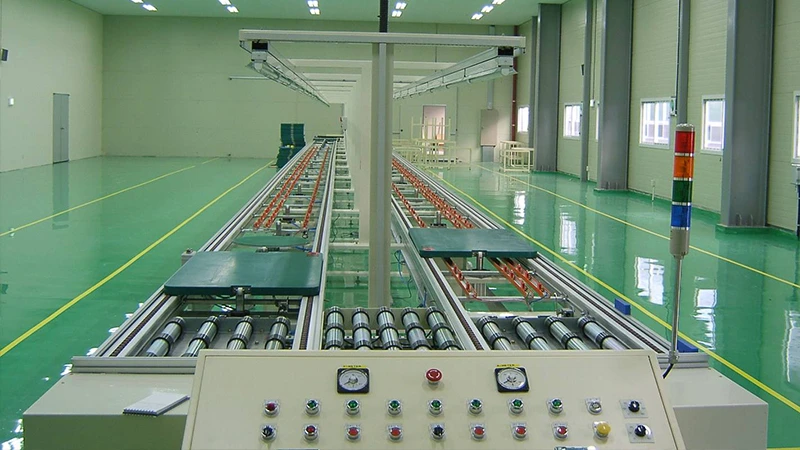
In the heart of every efficient manufacturing facility, there's a silent workhorse that keeps operations moving: the conveyor system. Among these, free flow chain conveyors stand out for their ability to streamline material handling, reduce bottlenecks, and align with lean system principles—ensuring that every part, component, or product reaches its next destination with minimal friction. But here's the thing: not all free flow chain conveyors are built the same. The choice of material—whether steel, aluminum, or another option—can make or break their performance, durability, and long-term value. Today, we're diving deep into two of the most popular materials: steel and aluminum. We'll explore their strengths, weaknesses, ideal applications, and how they stack up against each other, so you can make an informed decision that fits your facility's unique needs.
Understanding Free Flow Chain Conveyors: The Backbone of Lean Manufacturing
Before we jump into materials, let's take a moment to appreciate what free flow chain conveyors do. Unlike traditional belt conveyors, which rely on a continuous belt to move items, free flow chain conveyors use a series of rollers or chains mounted on a track to allow products to glide forward—often using gravity or minimal power. This design makes them perfect for applications where items need to move smoothly between workstations, such as assembly lines, packaging areas, or distribution centers. They're a cornerstone of lean system strategies, as they eliminate unnecessary manual handling, reduce wait times, and create a more predictable workflow.
But to deliver on that promise of efficiency, the conveyor's material must be up to the task. It needs to withstand the weight of the products, resist wear and tear, fit within the facility's space constraints, and even align with environmental factors like humidity or temperature. That's where steel and aluminum come into play—two materials with distinct personalities, each bringing its own set of advantages to the table.
Steel Free Flow Chain Conveyors: The Heavy-Duty Contender
Steel has been a staple in industrial equipment for decades, and for good reason. Its reputation for strength and durability makes it a go-to choice for applications where heavy loads, rough handling, or harsh environments are the norm. Let's break down what makes steel conveyors tick, and where they shine brightest.
Key Properties of Steel Conveyors
Strength and Load Capacity: Steel is inherently strong, which means steel roller track systems can handle heavier loads than their aluminum counterparts. A typical steel free flow chain conveyor can easily support items weighing 500 kg or more per linear meter, making it ideal for transporting large components, metal parts, or bulk materials like automotive engines or machinery housings.
Durability and Wear Resistance: Steel is tough—it resists dents, scratches, and impacts better than aluminum. This makes it a reliable choice for high-traffic areas where conveyors might come into contact with forklifts, pallet jacks, or heavy tools. Over time, steel components are less likely to warp or bend, ensuring the conveyor maintains its alignment and performance for years.
Cost-Effectiveness (Upfront): Steel is often less expensive per unit than aluminum, especially for raw materials. This can make steel conveyors a more budget-friendly option upfront, which is appealing for facilities with tight initial budgets or short-term projects.
Pros of Steel Conveyors
- High load capacity: Perfect for heavy or bulky items.
- Exceptional durability: Withstands impacts, abrasion, and harsh conditions.
- Lower upfront cost: Attractive for cost-sensitive projects.
- Wide availability: Steel roller track and accessories are easy to source, making repairs or replacements quick and convenient.
Cons of Steel Conveyors
Of course, no material is without its drawbacks. Steel's strength comes with a trade-off in weight, which can limit its flexibility:
- Heavyweight: Steel is dense, so steel conveyors are significantly heavier than aluminum ones. This makes installation more labor-intensive—you might need specialized equipment like cranes or forklifts to move and mount them. It also limits their use in facilities with weight restrictions, such as upper floors or mezzanines.
- Prone to corrosion: Without proper treatment, steel can rust when exposed to moisture, chemicals, or humidity. While options like galvanized steel or stainless steel pipe series can mitigate this, they add to the cost. In wet environments (e.g., food processing plants with frequent washdowns), untreated steel may require regular maintenance to prevent degradation.
- Limited design flexibility: Steel's rigidity makes it harder to customize or reconfigure. If your facility needs to adapt to changing production lines, modifying a steel conveyor system can be time-consuming and costly compared to aluminum.
Ideal Applications for Steel Conveyors
Steel free flow chain conveyors thrive in environments where strength and durability are non-negotiable. Think heavy manufacturing facilities (automotive, aerospace, or construction), warehouses handling metal parts or machinery, or outdoor applications where exposure to the elements is common (though stainless steel pipe series is better for extreme weather). They're also a good fit for facilities with stable, long-term layouts—where the conveyor system isn't likely to need frequent reconfiguration.
Aluminum Free Flow Chain Conveyors: The Lightweight Innovator
Aluminum has emerged as a popular alternative to steel in recent years, thanks to its unique combination of lightness, versatility, and modern appeal. Made from aluminum profile or aluminum extrusion profile, these conveyors are designed for agility, making them a favorite in industries where speed, flexibility, and aesthetics matter. Let's explore what sets aluminum apart.
Key Properties of Aluminum Conveyors
Lightweight Design: Aluminum is about one-third the weight of steel, which transforms the installation and usability of conveyors. An aluminum free flow chain conveyor can often be assembled by a small team without heavy machinery, reducing labor costs and installation time. Its lightness also makes it ideal for portable or temporary setups, such as pop-up production lines or events.
Corrosion Resistance: Aluminum naturally forms a protective oxide layer when exposed to air, which shields it from rust and corrosion. This makes it a standout choice for environments with moisture, chemicals, or frequent cleaning—like pharmaceutical labs, food packaging facilities, or electronics plants where hygiene is critical. Unlike steel, it doesn't require additional coatings (though anodized aluminum profile can enhance its resistance further).
Design Flexibility: Aluminum extrusion profile is highly customizable. With aluminum profile accessories like brackets, connectors, and joints, you can easily adjust the conveyor's length, height, or angle to fit tight spaces or unique workflows. Many aluminum systems use a modular design, meaning you can add or remove sections as your needs change—perfect for lean system environments that prioritize adaptability.
Pros of Aluminum Conveyors
- Easy Installation and Reconfiguration: Aluminum's light weight and modular design (often using aluminum profile accessories like T-slot connectors) make it a breeze to set up and modify. If your production line needs to shift direction or expand, you can disassemble and reassemble the conveyor in hours, not days.
- Low Maintenance: Thanks to its corrosion resistance, aluminum requires minimal upkeep. Unlike steel, you won't need to paint or treat it regularly to prevent rust. A simple wipe-down with a damp cloth is usually enough to keep it clean and functional.
- Aesthetic Appeal: Aluminum has a sleek, modern look that's often preferred in industries where presentation matters—such as consumer goods packaging or electronics assembly lines. Its clean finish can enhance the overall appearance of a facility, which is a plus for customer tours or certification audits.
- Energy Efficiency: Because aluminum is lighter, conveyor systems made from aluminum profile require less power to operate (when motorized). This can lead to lower energy bills over time, aligning with sustainability goals.
Cons of Aluminum Conveyors
While aluminum is versatile, it's not a one-size-fits-all solution. Its limitations are important to consider:
- Lower Load Capacity: Aluminum is strong for its weight, but it can't match steel's load-bearing capabilities. Most aluminum free flow chain conveyors are rated for loads up to 200-300 kg per linear meter, which is sufficient for light to medium items (e.g., plastic parts, electronics, or small appliances) but not for heavy machinery.
- More Susceptible to Dents: Aluminum is softer than steel, so it's more prone to dents or scratches from heavy impacts. In high-traffic areas with rough handling, aluminum profiles might show wear faster than steel—though aluminum profile accessories like corner guards can help protect vulnerable spots.
- Higher Upfront Cost: Aluminum extrusion profile and aluminum profile accessories are generally more expensive than steel. While the long-term savings in installation, maintenance, and energy might offset this, the initial investment can be a barrier for small businesses or facilities with tight budgets.
Ideal Applications for Aluminum Conveyors
Aluminum conveyors are a perfect fit for industries that value flexibility, speed, and clean operations. This includes electronics manufacturing (where delicate components need gentle handling), pharmaceutical or food processing (thanks to corrosion resistance), and assembly lines with frequent layout changes (e.g., consumer goods or e-commerce fulfillment centers). They're also popular in facilities where aesthetics matter, such as showrooms or customer-facing production areas.
Steel vs. Aluminum: A Head-to-Head Comparison
To help you visualize how steel and aluminum stack up, let's put them side by side in a comparison table. This will highlight the key factors to consider when choosing between the two materials.
| Factor | Steel Free Flow Chain Conveyors | Aluminum Free Flow Chain Conveyors |
|---|---|---|
| Load Capacity | High (up to 500+ kg per linear meter) | Medium (up to 200-300 kg per linear meter) |
| Weight | Heavy (requires machinery for installation) | Lightweight (easy to handle and install manually) |
| Corrosion Resistance | Low (prone to rust; galvanized or stainless steel pipe series improves this) | High (natural oxide layer; ideal for wet or humid environments) |
| Durability | Excellent (resists dents, impacts, and wear) | Good (softer than steel; more prone to dents from heavy impacts) |
| Installation & Reconfiguration | Labor-intensive (heavy, rigid, hard to modify) | Easy (lightweight, modular aluminum profile design allows quick changes) |
| Maintenance | High (needs regular inspection for rust; may require painting/coating) | Low (minimal upkeep; easy to clean) |
| Upfront Cost | Lower (steel materials are cheaper initially) | Higher (aluminum profile and accessories cost more upfront) |
| Long-Term Cost | Higher (due to maintenance, energy, and installation labor) | Lower (saves on installation, maintenance, and energy over time) |
| Ideal Environment | Heavy manufacturing, outdoor use, stable layouts | Light/medium manufacturing, clean rooms, flexible layouts |
Real-World Case Studies: Steel and Aluminum in Action
Theory is helpful, but nothing beats real-world examples. Let's look at two facilities that chose either steel or aluminum conveyors and how their decisions paid off.
Case Study 1: Automotive Plant Chooses Steel for Heavy-Duty Needs
A mid-sized automotive manufacturer in the Midwest needed a conveyor system to transport engine blocks between assembly stations. Each engine block weighs around 350 kg, and the facility operates 24/7, so durability was critical. They opted for a steel free flow chain conveyor with stainless steel pipe series components to resist oil and coolant exposure. The result? The system has been running for over 8 years with minimal maintenance, handling thousands of engine blocks daily without breakdowns. While installation required a crane and a team of 4 workers over 3 days, the low upfront cost and long-term reliability made it a smart investment.
Case Study 2: Electronics Facility Opts for Aluminum Flexibility
A consumer electronics company in California produces smartphones and tablets, with production lines that change every 6-12 months to keep up with new models. They needed a conveyor system that could be reconfigured quickly and handle lightweight components (50-100 kg per unit). They chose an aluminum free flow chain conveyor made from aluminum extrusion profile and aluminum profile accessories. The system was installed by 2 workers in a single day, and when the company launched a new tablet model 8 months later, the conveyor was disassembled and reassembled in a new layout in just 4 hours. The team also appreciated the clean, modern look of the aluminum profile, which aligned with their brand's focus on innovation.
Choosing the Right Material for Your Facility
So, how do you decide between steel and aluminum? It all comes down to your specific needs. Here are some questions to ask yourself:
- What's the maximum weight of the items you'll be conveying? If it's over 300 kg per linear meter, steel is likely the safer bet. For lighter loads, aluminum will work.
- How often will your production layout change? If you need flexibility, aluminum's modular design (with aluminum profile accessories) is unbeatable. For stable layouts, steel's durability may be worth the rigidity.
- What's your environment like? Wet, humid, or chemical-heavy environments call for aluminum or stainless steel pipe series. Dry, indoor environments with heavy impacts favor steel.
- What's your budget—short-term vs. long-term? Steel has a lower upfront cost, but aluminum saves on installation, maintenance, and energy over time. Calculate the total cost of ownership (TCO) to see which is cheaper in the long run.
- Do you have weight restrictions in your facility? If you're working on an upper floor or mezzanine, aluminum's light weight is a must.
Remember, there's no "better" material—only the better choice for your unique situation. Some facilities even use a hybrid approach: steel conveyors for heavy-load areas and aluminum ones for lighter, more flexible zones. The key is to align the material with your operational goals.
Conclusion: The Right Material for a Leaner, More Efficient Future
Free flow chain conveyors are more than just pieces of equipment—they're investments in your facility's efficiency, productivity, and bottom line. Whether you choose steel for its brute strength or aluminum for its agility, the material you select will shape how well your conveyor system supports your lean system goals, adapts to change, and stands the test of time.
For heavy-duty, stable environments, steel (especially stainless steel pipe series for corrosion resistance) is a reliable workhorse. For light to medium loads, flexible layouts, or clean environments, aluminum—with its aluminum extrusion profile and modular aluminum profile accessories—offers a modern, cost-effective solution. By weighing the pros and cons, considering your specific needs, and even looking at real-world examples, you can choose a material that not only meets your current requirements but also grows with your business.
At the end of the day, the best conveyor material is the one that keeps your operations flowing smoothly—so you can focus on what matters most: creating quality products, serving your customers, and building a more efficient future.