- Company Articles
- Products and Technology
- Solution
- Free Flow Chain Conveyor Noise Reduction: Solutions for Quieter Operations

Free Flow Chain Conveyor Noise Reduction: Solutions for Quieter Operations
Related Product
Free Flow Chain Conveyor
The free flow conveyor system uses a free flow chain that can increase the speed of the tooling board that supports the products. This can improve the efficiency and quality of the production process, as well as reduce the wear and tear of the system.
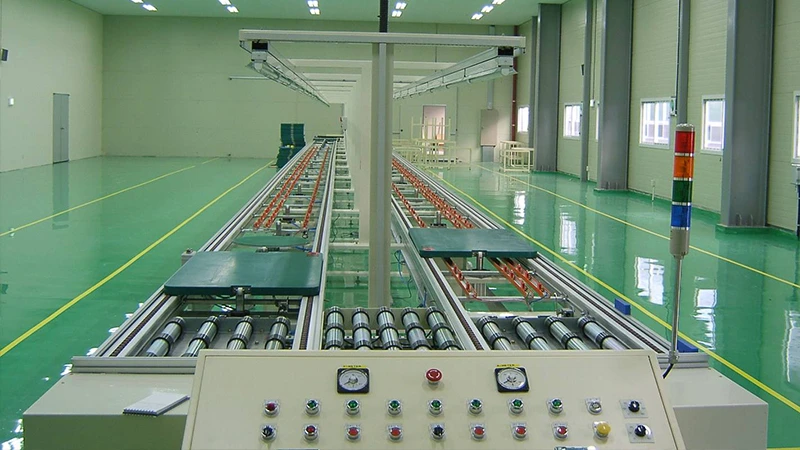
Walk into any manufacturing facility, and you'll likely be greeted by a symphony of sounds: the whir of motors, the clatter of tools, and the steady movement of materials. Among these, the free flow chain conveyor often stands out—not for its efficiency (though it's certainly efficient), but for the high-pitched hum, metallic clinks, and rattling that can turn a busy workspace into an overwhelming environment. For workers on the floor, this noise isn't just a distraction; it's a daily reality that affects focus, communication, and even long-term health. And for businesses, unchecked noise can lead to lower productivity, higher turnover, and costly compliance issues. The good news? Reducing free flow chain conveyor noise isn't just possible—it's achievable with the right strategies, components, and a little know-how. Let's dive into how to turn that factory roar into a manageable hum.
Why Free Flow Chain Conveyors Get Noisy: The Culprits Behind the Clatter
Before we fix the problem, we need to understand it. Free flow chain conveyors are workhorses of production lines, designed to move materials smoothly from one station to the next. But their strength—relying on moving parts like chains, rollers, and bearings—also makes them prone to noise. Let's break down the usual suspects:
1. Metal-on-Metal Contact: The Classic Offender
Most free flow chain conveyors use metal chains, sprockets, and roller tracks. When these components rub or collide, especially if they're misaligned or worn, the result is a chorus of clangs and squeaks. Think of a chain that's slightly loose: each time it hits a sprocket, it creates a sharp "clank" that echoes. Multiply that by hundreds of cycles per minute, and you've got a noise problem.
2. Misalignment: The Silent (or Not-So-Silent) Saboteur
Even a tiny misalignment in roller tracks or chain guides can cause big noise. When materials don't glide straight, they scrape against edges or bind in the track, creating a (cì'ěr de—sharp, piercing) grinding sound. Over time, this not only increases noise but also wears down components faster, turning a small issue into a costly one.
3. Worn or Low-Quality Components
Caster wheels that are cracked, bearings that lack lubrication, or joints that are corroded—all these can turn a smooth-running conveyor into a racket. A caster wheel with a flat spot, for example, will thump with every rotation, sending vibrations through the entire system. Similarly, cheap plastic roller tracks might warp under heat, leading to uneven movement and more noise.
4. Vibration: The Underlying Issue
Conveyors don't just make noise—they vibrate. These vibrations travel through the frame, the floor, and even adjacent equipment, amplifying sound. A lightweight or poorly anchored frame will shake more, turning small vibrations into big noise. Over time, this can also loosen bolts and worsen misalignment, creating a vicious cycle.
The Hidden Cost of Noise: It's Not Just About Irritation
Noise in the workplace isn't just an annoyance—it's a problem with real consequences. OSHA sets limits on workplace noise (90 decibels over an 8-hour shift, for example), and exceeding those limits can lead to fines. But beyond compliance, there's a human cost. Prolonged exposure to loud noise can cause hearing loss, tinnitus, and increased stress levels. Workers in noisy environments are more likely to make mistakes, miss instructions, or feel fatigued by the end of the day. Turnover rates are higher, too—no one wants to spend 8 hours a day in a space where they have to shout to be heard.
Then there's the productivity hit. When noise is high, focus drops. Assembly line workers might take longer to complete tasks, or quality might suffer as they rush to escape the din. In warehouses, picking errors increase when staff can't hear voice commands clearly. The bottom line? Quiet operations aren't just nicer—they're smarter for your bottom line.
Solutions That Work: How to Tame the Noise
The good news is that reducing free flow chain conveyor noise doesn't require a complete overhaul. Often, a mix of targeted upgrades, adjustments, and maintenance can make a world of difference. Let's explore the most effective strategies.
1. Upgrade to Quieter Materials: Aluminum Profiles and Beyond
One of the easiest ways to cut noise is to swap out heavy, vibration-prone materials for lighter, more resilient ones. Aluminum profiles, for example, are a game-changer. Unlike steel, aluminum is lightweight and dampens vibrations better, meaning less noise from the frame itself. Conveyors built with aluminum profiles vibrate less, and when combined with other quiet components, they can reduce overall noise by 5-10 decibels (dB)—a noticeable difference.
Aluminum also pairs well with plastic or rubber components. For instance, replacing steel roller tracks with aluminum roller tracks lined with plastic guides can reduce metal-on-metal contact. Plastic roller track guide rails (like the yellow or grey ones often used in lean systems) create a smoother surface for materials to glide on, cutting down on scraping and grinding.
2. Fix the Rollers and Caster Wheels: The Little Things That Matter
Caster wheels and roller tracks are often the noisiest parts of a conveyor, so upgrading them is a quick win. Look for caster wheels with precision ball bearings and soft, non-marking treads—these glide more smoothly and make less noise than cheap, hard plastic wheels. For roller tracks, consider swivel roller balls (1 inch or 0.5 inch) made of nylon instead of steel; they reduce friction and absorb impact, quieting the movement of materials.
Another tip: Check for worn or misaligned rollers regularly. A single stuck roller can create a "thump-thump-thump" that reverberates through the entire system. Replacing it with a new, well-lubricated roller can instantly quiet things down.
3. Align and Lubricate: The Basics of Maintenance
You'd be surprised how much noise a little misalignment can cause. Take 30 minutes each week to check that roller tracks are straight and level, and that chains are properly tensioned. A chain that's too loose will slap against sprockets; too tight, and it will grind, both creating noise. A simple alignment tool or a straightedge can help keep everything in line.
Lubrication is equally important. Use a high-quality, low-viscosity lubricant on chains, bearings, and roller axles. Avoid over-lubricating—excess grease can attract dust and debris, which then creates more friction and noise. A little goes a long way here.
4. Design for Quiet: Lean System Principles in Action
Lean system thinking isn't just about efficiency—it can also help reduce noise. By optimizing the layout of your conveyor system, you can minimize unnecessary movement and contact. For example, using flow racks to store materials at the conveyor level reduces the need for lifting and dropping, which creates noise. Similarly, designing workstations (like ESD workbenches) to be close to the conveyor cuts down on material handling, lowering overall activity and noise.
Enclosing noisy sections of the conveyor with sound-dampening panels is another option, especially for high-speed lines. These panels absorb sound waves instead of letting them bounce around the workshop, and they're relatively easy to install on existing systems.
5. Invest in Anti-Vibration Mounts
Even with the best materials, conveyors vibrate. Anti-vibration mounts—small rubber or foam pads placed between the conveyor frame and the floor—absorb these vibrations before they spread. They're affordable, easy to install, and can reduce noise by 3-5 dB on their own. Pair them with aluminum profiles, and you've got a one-two punch against vibration noise.
A Quick Reference: Noise Sources and Fixes (With a Table!)
To make it easier, here's a breakdown of common noise sources and the best ways to tackle them:
| Noise Source | Common Cause | Best Fix | Estimated Noise Reduction |
|---|---|---|---|
| Frame Vibration | Heavy steel frame, poor anchoring | Switch to aluminum profiles; add anti-vibration mounts | 5-10 dB |
| Roller Track Scraping | Misaligned tracks, worn steel rollers | Align tracks; use plastic roller track guide rails or nylon swivel roller balls | 8-12 dB |
| Caster Wheel Thumping | Worn or hard plastic wheels | Upgrade to precision caster wheels with rubber treads | 4-6 dB |
| Chain Clanking | Loose or dry chain, misaligned sprockets | Tension chain; lubricate with low-viscosity grease; align sprockets | 6-8 dB |
| Material Impact | Dropping materials onto the conveyor | Use flow racks for staging; add foam padding to drop zones | 3-5 dB |
Real Results: A Quieter Workshop in Action
Let's say you run a small electronics assembly plant. Your free flow chain conveyor has been getting noisier over the past year, and workers have started complaining about headaches and difficulty hearing instructions. You decide to take action:
- First, you replace the steel frame with aluminum profiles, which cuts down on vibration noise.
- Next, you swap out the old steel roller tracks for aluminum tracks with grey plastic guide rails, reducing scraping sounds.
- You also upgrade the caster wheels to precision rubber-treaded ones and add anti-vibration mounts under the frame.
- Finally, you start a weekly maintenance routine to align tracks and lubricate chains.
After a month, the difference is clear: noise levels drop from 85 dB to 70 dB (a 15 dB reduction—quieter than a vacuum cleaner!). Workers report less stress, fewer errors, and better communication. Even productivity ticks up, as tasks that used to require shouting over the noise now get done faster.
Choosing the Right Supplier: Your Partner in Quiet Operations
None of these solutions work without quality components, so choosing the right supplier is key. Look for a lean pipe supplier or aluminum profile supplier that specializes in quiet, durable parts. They should offer not just products but also advice—helping you pick the right aluminum profiles, roller tracks, or caster wheels for your specific conveyor setup.
A good supplier will also understand lean systems, so they can help you design a conveyor that's both efficient and quiet. Don't be afraid to ask for samples: test a few caster wheels or aluminum roller tracks in your workshop to see which works best before committing to a full upgrade.
Conclusion: Quiet is Productive, Quiet is Caring
Reducing free flow chain conveyor noise isn't just about meeting regulations—it's about creating a workplace where people can focus, communicate, and thrive. With simple upgrades like aluminum profiles, better caster wheels, and regular maintenance, you can turn down the volume and turn up productivity. And remember: quiet operations are a sign of a well-run facility—one that values its workers and its bottom line.
So, take a walk through your workshop today. Listen to the conveyors. Identify the noisiest spots. Then, pick one solution to start with—maybe upgrading the roller tracks or swapping in aluminum profiles. You'll be surprised at how quickly a little change can make a big difference. Your ears (and your team) will thank you.