- Company Articles
- Products and Technology
- Procurement Guidelines
- Free Flow Chain Conveyor Supplier Selection: Factors Beyond Price

Free Flow Chain Conveyor Supplier Selection: Factors Beyond Price
Related Product
Free Flow Chain Conveyor
The free flow conveyor system uses a free flow chain that can increase the speed of the tooling board that supports the products. This can improve the efficiency and quality of the production process, as well as reduce the wear and tear of the system.
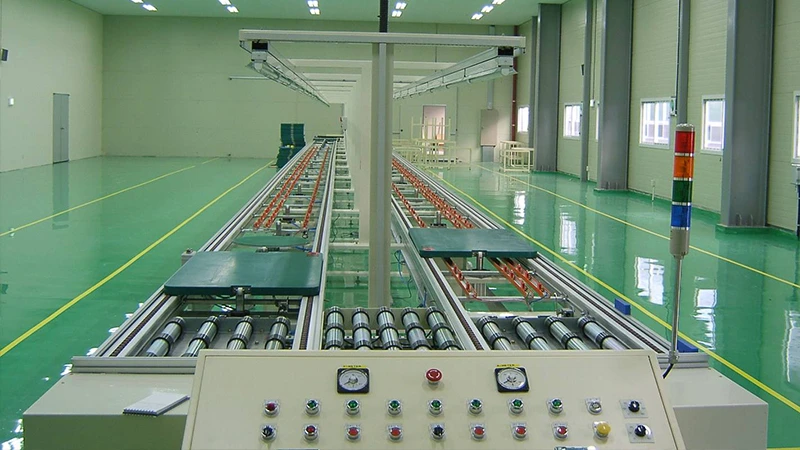
In the fast-paced world of manufacturing and warehousing, choosing the right equipment supplier can make or break your operational efficiency. While cost is always a consideration, focusing solely on price often leads to hidden expenses, downtime, and missed opportunities. When it comes to selecting a free flow chain conveyor supplier, the decision requires a deeper dive into factors that impact long-term productivity, adaptability, and reliability. Let's explore the critical elements that should guide your choice—beyond the initial price tag.
1. Quality and Durability: The Foundation of Uninterrupted Operations
At the heart of any free flow chain conveyor system lies its ability to withstand the daily grind of your facility. A conveyor that breaks down frequently isn't just an annoyance—it's a productivity killer. When evaluating suppliers, quality should be non-negotiable, and it starts with the materials and components they use.
Look for suppliers who prioritize robust materials like aluminum profile and stainless steel in their conveyor frames and components. Aluminum profile, for example, offers an ideal balance of strength and lightweight design, making it resistant to corrosion and easy to maneuver during installation. Unlike flimsy plastic or low-grade steel, which can warp or rust over time, aluminum extrusion profiles maintain their structural integrity even in high-traffic environments. Similarly, roller track components—such as the swivel roller balls and plastic roller track guide rails—should be made from high-density materials that can handle repeated impacts without cracking or jamming.
Consider the wear and tear your conveyor will face. If your facility deals with heavy loads or operates 24/7, a system built with subpar materials will quickly show signs of strain: bent frames, stuck rollers, or loose joints. These issues lead to unplanned downtime, costly repairs, and even safety risks for your team. A reputable supplier will be transparent about the materials they use, providing specs on load capacities, temperature resistance, and expected lifespan. Don't hesitate to ask for test reports or certifications—quality suppliers are proud to share proof of their products' durability.
Real-World Impact: The Cost of Cutting Corners on Quality
A mid-sized electronics manufacturer once opted for a budget free flow chain conveyor supplier to save on upfront costs. Within six months, the plastic roller track guide rails began to crack under the weight of circuit board components, causing frequent jams. Each jam required a production line shutdown of 30–45 minutes, leading to missed deadlines and overtime pay for staff. After a year, the total cost of repairs and downtime exceeded the savings from the initial low price. The manufacturer eventually replaced the system with one from a supplier using aluminum profile frames and high-strength roller track components—resulting in zero unplanned downtime over the next three years.
2. Customization: Tailoring Solutions to Your Unique Workflow
No two facilities are identical. Your warehouse might have narrow aisles, irregularly shaped workstations, or specific material handling requirements that a "one-size-fits-all" conveyor system can't accommodate. This is where customization becomes critical—and a key differentiator between average suppliers and exceptional ones.
A top-tier free flow chain conveyor supplier won't just sell you a standard system; they'll collaborate with you to design a solution that aligns with your workflow. This could involve adjusting the length and width of the conveyor, integrating it with existing workbenches, or modifying roller track configurations to optimize material flow. For example, if your production line includes a workbench where operators assemble components, the conveyor should feed materials directly to the bench at the ideal height and angle, reducing unnecessary movement and fatigue.
Customization also extends to accessories and add-ons. Suppliers that offer a range of aluminum profile accessories—such as internal rotary aluminum joints, roller track placon mounts, or caster wheels—give you the flexibility to adapt the system as your needs change. Maybe you need to add a 45-degree turn in the conveyor path six months down the line, or attach a turnover trolley to transport finished goods to storage. A supplier with a robust inventory of lean pipe and accessories can make these adjustments seamless, avoiding the need for a complete system overhaul.
When vetting suppliers, ask about their customization process. Do they send a team to your facility for on-site assessments? Can they provide 3D models or prototypes before finalizing the design? A supplier that takes the time to understand your unique challenges—whether it's limited floor space or specialized material handling needs—will deliver a system that feels like it was built specifically for your operation.
3. After-Sales Support: Your Safety Net in Times of Need
Installing a free flow chain conveyor is just the beginning of your relationship with a supplier. What happens when a roller track connector breaks at 2 a.m. during a critical production run? Or when you need to replace a worn-out aluminum guide rail to keep up with seasonal demand? This is where after-sales support separates the reliable suppliers from the rest.
A truly customer-centric lean system supplier doesn't just deliver equipment and walk away. They offer comprehensive support that includes installation assistance, maintenance training, and rapid access to replacement parts. Look for suppliers who provide 24/7 technical support via phone or email, so you're never left stranded during an emergency. Equally important is their parts inventory—do they stock common components like swivel roller balls, plastic roller track guide rails, or aluminum profile end caps locally, or will you have to wait weeks for a shipment from overseas?
Training is another often-overlooked aspect of after-sales support. Your team should feel confident in maintaining and troubleshooting the conveyor system to minimize downtime. A good supplier will offer on-site training sessions, video tutorials, or detailed manuals that explain how to adjust roller track tension, lubricate joints, or replace a damaged caster wheel. This empowers your staff to handle minor issues quickly, without waiting for a technician to arrive.
Don't underestimate the value of a supplier who views your success as their own. When a conveyor system is integral to your operations, a lack of support can have a domino effect on deadlines, customer satisfaction, and employee morale. Prioritize suppliers with a proven track record of responsive, solution-oriented after-sales service—your future self will thank you.
4. Supply Chain Reliability: Avoiding Disruptions When You Need It Most
In today's global market, supply chain disruptions are all too common. Delays in raw materials, shipping bottlenecks, or labor shortages can derail even the best-laid production plans. When selecting a free flow chain conveyor supplier, their ability to deliver on time—consistently—is a critical factor that directly impacts your project timelines.
Start by evaluating their supply chain transparency. Do they have control over their manufacturing process, or do they outsource key components to third-party vendors with unpredictable lead times? Suppliers who produce their own aluminum profile, roller track, and lean pipe accessories in-house are better positioned to manage delays and adjust production schedules to meet your needs. For example, if you need to expedite an order for additional roller track guide rails to expand your conveyor line, an in-house manufacturer can prioritize your request without relying on external partners.
Lead times are another red flag. While some suppliers may promise "next-day delivery," it's important to verify their inventory levels and distribution network. A supplier with regional warehouses or distribution centers can reduce shipping times, ensuring that critical components reach your facility when you need them. Ask about their worst-case scenario lead times—how long would it take to receive a custom aluminum pipe or a specialized caster accessory if their main facility faced a disruption?
Communication is key here. A reliable supplier will keep you informed of potential delays upfront, offering alternative solutions to keep your project on track. For instance, if a shipment of stainless steel swivel roller balls is delayed, they might suggest a temporary substitute (like nylon swivel roller balls) that meets your immediate needs until the original parts arrive. This proactive approach minimizes surprises and helps you plan accordingly.
5. Technical Expertise: Partnering with Problem-Solvers, Not Just Vendors
A free flow chain conveyor isn't just a piece of equipment—it's a critical part of your lean system, designed to streamline workflows and eliminate waste. To maximize its impact, you need a supplier who understands lean principles and can act as a strategic partner, not just a vendor. Technical expertise goes beyond knowing how to build a conveyor; it's about understanding your operational goals and designing a system that helps you achieve them.
Look for suppliers with a team of engineers or consultants who specialize in material handling and lean manufacturing. These experts can conduct a thorough analysis of your workflow, identifying bottlenecks and recommending conveyor configurations that optimize material flow. For example, they might suggest integrating a workbench with a built-in roller track to create a seamless assembly line, reducing the need for manual material transport between stations.
Industry experience is also valuable. A supplier who has worked with businesses similar to yours—whether in automotive, electronics, or e-commerce—will bring insights into common challenges and proven solutions. They'll understand the unique demands of your sector, such as the need for ESD (electrostatic discharge) protection in electronics manufacturing or food-grade materials in the packaging industry. Don't hesitate to ask for case studies or references from clients with similar operations—this will give you a sense of their problem-solving abilities in real-world scenarios.
Training and education are additional markers of technical expertise. Does the supplier offer workshops on lean principles or conveyor maintenance? Do they provide resources to help your team get the most out of the system, such as guides on optimizing roller track speed or adjusting caster wheels for smooth movement? A supplier invested in your success will go beyond selling equipment to ensure you have the knowledge to use it effectively.
6. Comparing Suppliers: A Practical Framework
To bring these factors to life, let's compare three hypothetical free flow chain conveyor suppliers across the key criteria we've discussed. This table illustrates how focusing on price alone can obscure critical differences in quality, support, and expertise:
| Factor | Supplier A (Budget Option) | Supplier B (Mid-Range) | Supplier C (Premium Partner) |
|---|---|---|---|
| Initial Price | Lowest (5–10% below market average) | Moderate (market average) | Highest (5–10% above market average) |
| Quality Materials | Low-grade steel, plastic roller track (prone to cracking) | Aluminum profile, stainless steel components | High-strength aluminum extrusion profile, reinforced roller track with lifetime warranty |
| Customization | Limited (only standard sizes available) | Basic customization (roller track length, workbench integration) | Full customization (3D design, material substitutions, workflow-specific layouts) |
| After-Sales Support | Email support only (24–48 hour response time) | Phone support (business hours), 3-day parts delivery | 24/7 technical support, local parts warehouse (next-day delivery), on-site maintenance training |
| Lead Time | 4–6 weeks (outsourced manufacturing) | 2–3 weeks (partial in-house production) | 1–2 weeks (fully in-house manufacturing, regional warehouses) |
| Technical Expertise | No dedicated engineering team; basic product specs only | General material handling knowledge; limited lean training | Certified lean consultants on staff; case studies with Fortune 500 clients |
At first glance, Supplier A might seem appealing with its low price. But when you factor in the cost of frequent repairs (due to low-quality roller track), missed deadlines (long lead times), and lack of support, the total cost of ownership quickly surpasses that of Supplier C. Supplier C, despite the higher upfront cost, offers durability, customization, and support that minimize downtime and adapt to your evolving needs—making it the most cost-effective choice in the long run.
7. Reputation and References: Trusting the Track Record
In an industry where word-of-mouth travels fast, a supplier's reputation is a powerful indicator of their reliability. Before making a decision, take the time to research their standing in the market—online reviews, industry awards, and customer testimonials can reveal insights that aren't apparent in a sales pitch.
Start with online platforms like Google Reviews, industry forums, or LinkedIn to see what current and past clients say about their experience. Look for patterns: Do customers praise their on-time delivery and responsive support, or do complaints focus on shoddy aluminum profile or unhelpful technical teams? Pay special attention to reviews from businesses in your sector—if you're in automotive manufacturing, a supplier with glowing testimonials from other automotive plants is more likely to understand your specific needs.
Don't hesitate to ask the supplier for references. A reputable free flow chain conveyor supplier will happily connect you with clients who can speak to their performance. When reaching out to references, ask targeted questions: How did the supplier handle unexpected delays? Were their aluminum pipe and roller track components as durable as promised? Did their after-sales team resolve issues quickly? These firsthand accounts will give you a realistic picture of what it's like to work with the supplier long-term.
Industry certifications are another mark of credibility. Suppliers who adhere to international standards—such as ISO 9001 for quality management or ISO 14001 for environmental sustainability—demonstrate a commitment to best practices. For example, an ISO 9001-certified supplier is regularly audited to ensure consistent quality in their aluminum profile manufacturing and lean pipe production, giving you added confidence in their processes.
Conclusion: Investing in a Partner, Not Just a Product
Choosing a free flow chain conveyor supplier is more than a transaction—it's a decision that impacts your operations for years to come. While price will always play a role in the equation, focusing solely on cost often leads to compromises in quality, support, and expertise that end up costing more in the long run. By prioritizing factors like material durability (aluminum profile, stainless steel components), customization, after-sales support, supply chain reliability, and technical expertise, you'll select a supplier who acts as a partner in your success.
Remember, the best supplier isn't just the one who sells you a conveyor system—they're the one who works with you to design a solution that grows with your business, minimizes downtime, and helps you achieve your lean manufacturing goals. In the end, the "cheapest" option rarely is. The true value lies in a supplier who delivers on their promises, supports your operations when you need it most, and becomes an extension of your team.
So, take the time to evaluate beyond the price tag. Ask tough questions, check references, and prioritize quality and reliability. Your facility's productivity, your team's efficiency, and your bottom line will thank you.